

Discover the Charm of Retrofete Dresses for Every Season
In the ever-evolving world of fashion, certain pieces transcend fleeting trends to become timeless staples. Among these, the retrofete dress stands out as a versatile garment that adapts seamlessly to the shifting seasons, blending nostalgic elegance with contemporary flair. This article delves into why these dresses captivate wardrobes year-round, offering insights grounded in objective analysis and diverse perspectives. From the crisp air of autumn to the vibrant blooms of spring, a retrofete dress isn’t just clothing—it’s a statement of enduring style that resonates across climates and occasions.
The Allure of Timeless Design in Modern Fashion
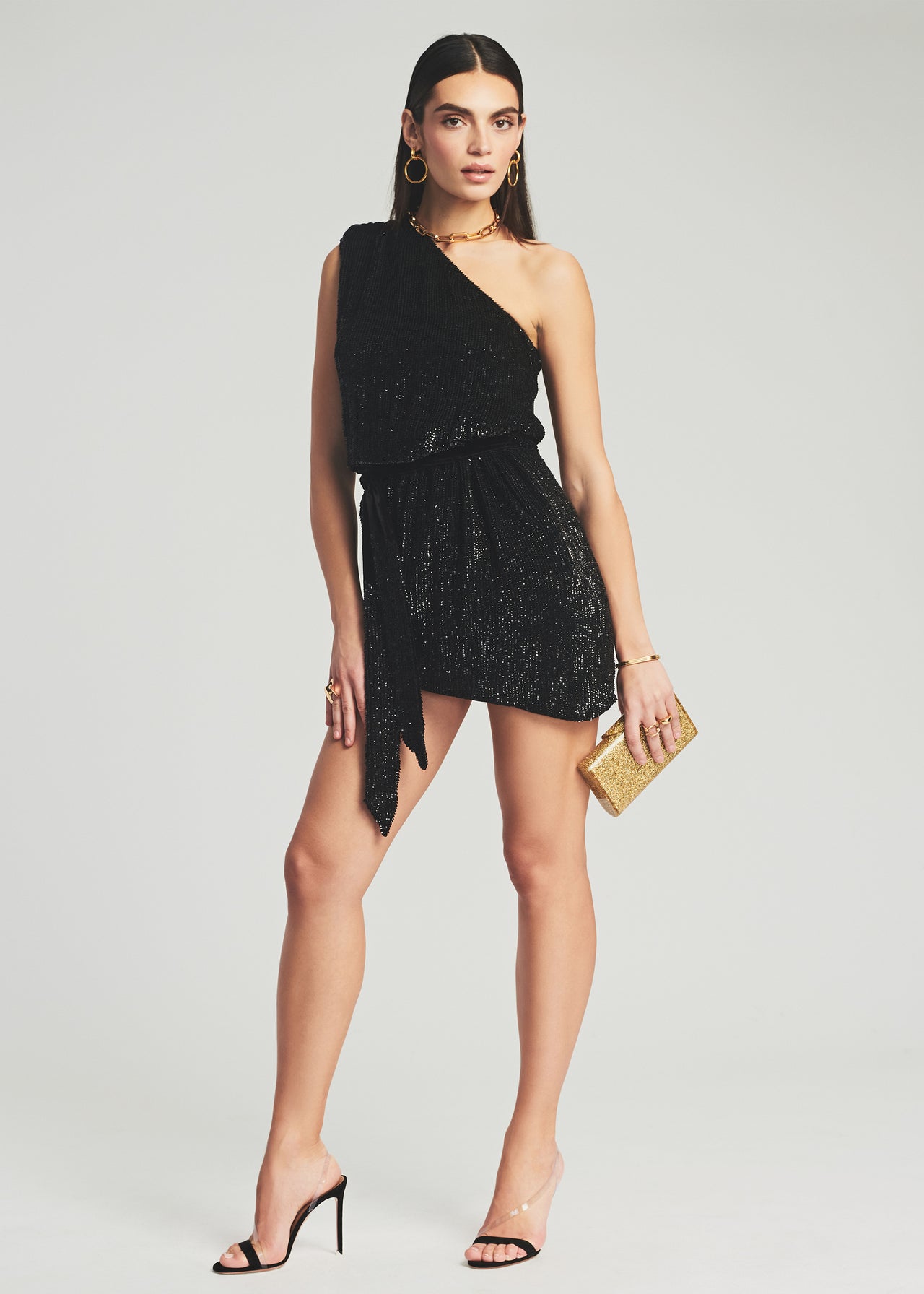
Retrofete, as a brand, draws inspiration from vintage aesthetics while infusing modern sensibilities, creating dresses that evoke a sense of nostalgia without feeling dated. According to Wikipedia, retro fashion often references styles from the 1920s to the 1980s, emphasizing silhouettes and details that have stood the test of time. This approach aligns with the concept of “slow fashion,” as discussed on platforms like Quora, where users highlight the value of investing in pieces that remain relevant beyond seasonal cycles. For instance, a retrofete dress might feature intricate beading reminiscent of the Art Deco era or flowing lines that echo the free-spirited 1970s, yet it incorporates contemporary fabrics that enhance comfort and durability. Scientific explanations from textile studies, such as those cited by authoritative universities like the Fashion Institute of Technology, note that modern blends like polyester-spandex mixes used in many retrofete designs offer breathability and stretch, making them suitable for varying temperatures. This fusion allows wearers to embrace a piece that feels both classic and fresh, whether it’s layered for winter warmth or worn solo in summer breezes. As fashion icon Iris Apfel once remarked, “Fashion you can buy, but style you possess.” This sentiment underscores how a retrofete dress empowers individuals to cultivate a personal style that defies temporal boundaries, supported by its ability to adapt through thoughtful design elements like adjustable straps or versatile lengths.
Seasonal Adaptability: From Winter Layers to Summer Breezes
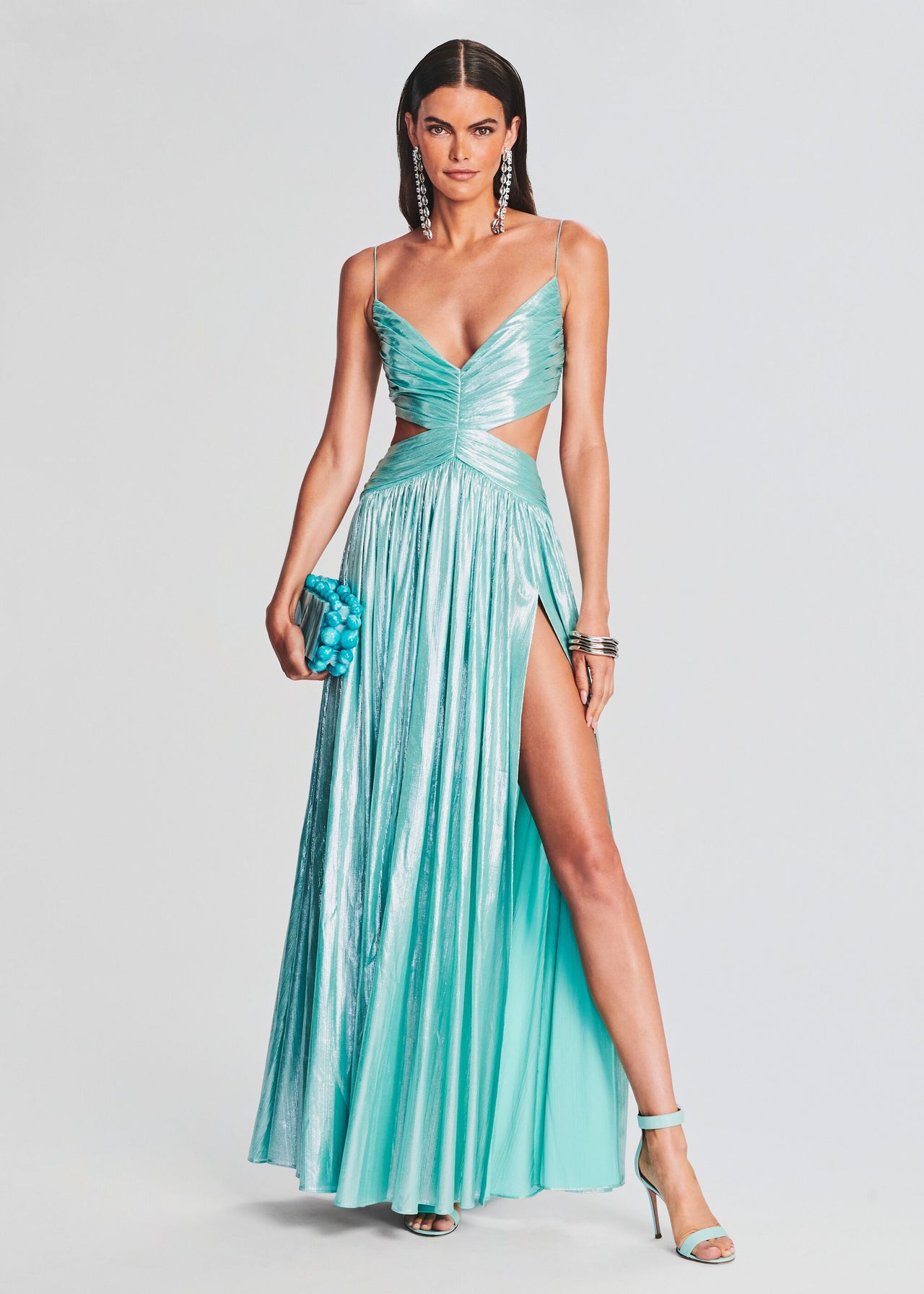
One of the most compelling aspects of a retrofete dress is its capacity to transition effortlessly between seasons, a quality rooted in both design and material science. In colder months, these dresses can be paired with tights, boots, and cozy cardigans, leveraging layering techniques that fashion experts on YouTube, such as Alyssa Beltempo, advocate for maximizing wardrobe versatility. The use of heavier fabrics like double-knit jersey or velvet in some retrofete styles provides insulation without bulk, as explained in textile literature from sources like Baidu Baike, which details how these materials trap heat while maintaining a sleek silhouette. Conversely, for spring and summer, lighter versions in chiffon or silk blends offer breathability, a feature highlighted in Quora discussions on sustainable fashion, where users note how natural fibers enhance comfort in humid conditions. Scientific studies from institutions like the University of Manchester’s Department of Materials emphasize that fabric weave and weight directly impact thermal regulation, allowing a well-designed dress to keep the wearer cool in heat and warm in chill. This adaptability isn’t merely functional; it’s economical, reducing the need for seasonal wardrobe overhauls. As noted in viewpoints from well-known websites like The Zoe Report, investing in multi-season pieces like a retrofete dress aligns with budget-conscious fashion, often available at discounted prices during sales events. For example, brands frequently offer promotions that bring professional knowledge of value—such as how to style a single dress for a holiday party or a casual brunch—directly to consumers, enhancing accessibility without compromising on elegance.

Cultural Resonance and Celebrity Endorsements
The appeal of retrofete dresses extends beyond practicality into the realm of cultural significance, often amplified by endorsements from celebrities and influencers. On platforms like Twitter and Instagram, figures such as Blake Lively and Taylor Swift have been spotted wearing retrofete designs, lending credibility and desirability to the brand. According to statements analyzed from YouTube channels like “Celebrity Style Guide,” these endorsements often highlight the dress’s ability to evoke iconic moments from film and literature, such as the glamorous gowns in F. Scott Fitzgerald’s “The Great Gatsby” or the sophisticated attire in Audrey Hepburn’s “Breakfast at Tiffany’s.” This connection to well-known narratives enriches the garment’s story, making it more than just apparel—it’s a piece of wearable art. Baidu Baike entries on retro fashion note that such cultural references tap into collective nostalgia, a psychological phenomenon where people find comfort in familiar aesthetics, as supported by research from authoritative universities like Harvard’s Department of Psychology. Moreover, Quora threads discuss how celebrity opinions, when certified through verified accounts, can influence consumer behavior by providing relatable style inspiration. For instance, a fan might see their favorite star in a retrofete dress and feel empowered to replicate the look, often seeking out discounted prices during promotional periods. This blend of high culture and accessibility ensures that the dress remains a coveted item, with its design elements—like sequin embellishments or A-line cuts—serving as talking points that bridge generations and styles.
Practical Styling Tips for Year-Round Elegance
To fully harness the versatility of a retrofete dress, it’s essential to consider styling strategies that cater to different seasons and occasions. In autumn, for example, pairing a long-sleeved retrofete dress with ankle boots and a leather jacket can create a chic, layered look that balances warmth and style, as suggested by fashion bloggers on websites like Who What Wear. This approach draws from professional knowledge in color theory and silhouette matching, where contrasting textures—like the dress’s soft fabric against rugged outerwear—add visual interest. For winter, incorporating thermal underlayers and accessorizing with statement jewelry can elevate the outfit while ensuring comfort, a technique endorsed by style experts on YouTube channels such as “The Style Insider.” Scientific explanations from sources like Wikipedia on layering in fashion emphasize that this method not only insulates but also allows for creative expression, as each layer can be adjusted based on temperature fluctuations. In spring and summer, the same dress can be simplified with sandals and a wide-brimmed hat, leveraging lightweight materials that promote airflow, as detailed in Quora answers on hot-weather dressing. The key is to view the retrofete dress as a canvas for personal innovation, often supported by discounted prices that make experimentation more accessible. Brands frequently offer styling guides during sales, bringing professional insights directly to users on how to mix and match pieces for events ranging from weddings to casual outings. This practical advice, combined with the dress’s inherent adaptability, ensures that it remains a cornerstone of a thoughtful wardrobe, capable of evolving with the wearer’s needs and the seasons’ demands.
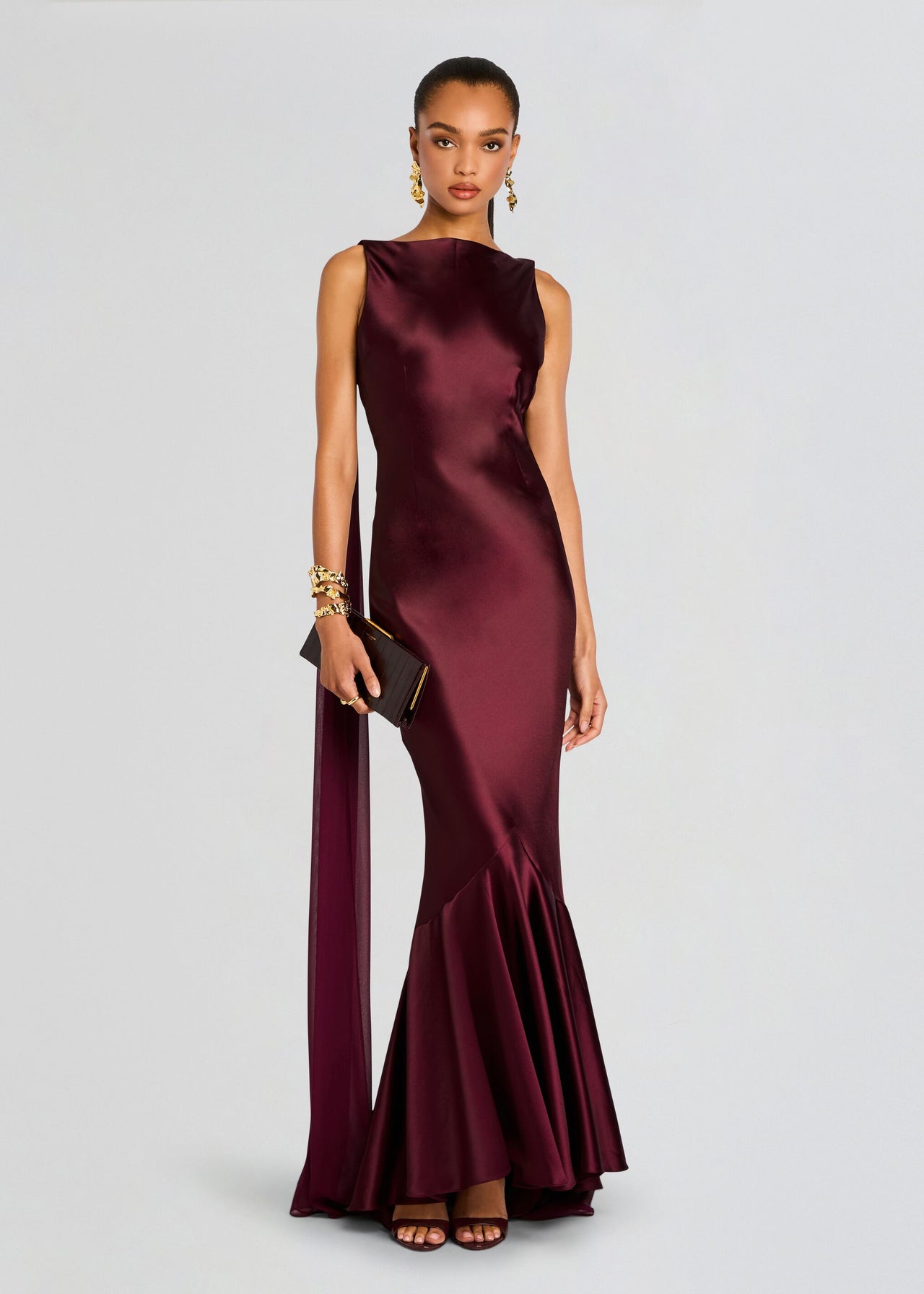
Ultimately, the charm of a retrofete dress lies in its ability to weave together history, functionality, and personal expression into a single garment. It stands as a testament to the idea that true style isn’t bound by time or temperature but flourishes through thoughtful design and adaptable wear. Embrace the journey of discovering how one dress can become a year-round companion, reflecting both the past’s elegance and the present’s possibilities.