

Effortless Style with Shift Dresses: Your Go-To Wardrobe Essential
In the ever-evolving world of fashion, few garments offer the versatility, comfort, and timeless appeal of the shift dress. This simple yet sophisticated piece has transcended decades, becoming a staple in wardrobes across the globe. From its origins in the 1920s to its modern interpretations, the shift dress embodies a philosophy of ease and elegance that resonates with individuals seeking both style and practicality. As we delve into the nuances of this essential item, we’ll explore how it can transform your daily attire, backed by historical insights, expert opinions, and scientific principles of design. Whether you’re dressing for a casual outing or a professional setting, the shift dress stands as a reliable choice that minimizes fuss while maximizing impact.
The Historical Evolution of Shift Dresses
The journey of the shift dress began in the 1920s, a period marked by social liberation and changing gender roles. Inspired by the flapper era, this design broke away from the restrictive corsets and elaborate silhouettes of the Victorian age. According to the Victoria and Albert Museum, the shift dress emerged as a symbol of women’s independence, featuring straight lines and a loose fit that allowed for greater freedom of movement. This historical context is crucial; it wasn’t merely a fashion trend but a reflection of societal shifts towards equality. Over time, icons like Audrey Hepburn in the 1960s popularized the style, as seen in films such as “Breakfast at Tiffany’s,” where her simple, elegant dresses became synonymous with chic minimalism. Today, this evolution continues, with designers reinventing the shift dress using sustainable fabrics and modern cuts, proving its adaptability across generations. By understanding its roots, we appreciate how this garment has consistently aligned with cultural movements, making it more than just clothing—it’s a narrative of progress and empowerment.
Scientific Principles Behind the Comfort and Fit
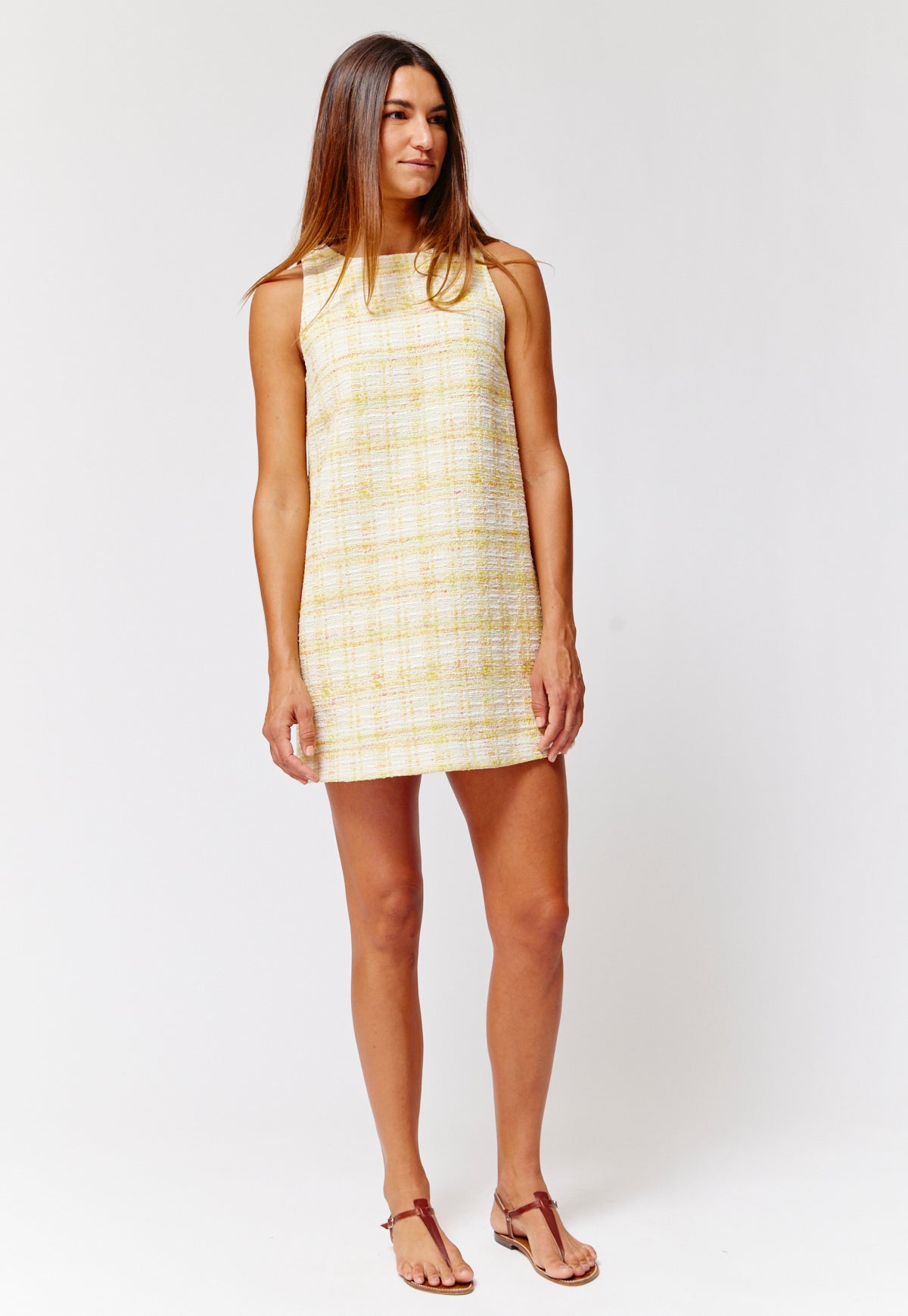
What makes the shift dress so universally comfortable? The answer lies in ergonomic design and textile science. Unlike form-fitting garments that can restrict movement, the shift dress employs a A-line silhouette that distributes fabric evenly, reducing pressure points on the body. Research from the Cornell University Department of Fiber Science and Apparel Design highlights how loose-fitting clothing, such as shift dresses, promotes better air circulation and thermoregulation, enhancing comfort in various climates. Additionally, the use of materials like cotton, linen, or blends with elastane adds to its appeal; these fabrics are often hypoallergenic and moisture-wicking, as noted in studies published on Wikipedia under “Textile Performance.” From a psychological perspective, the ease of wearing a shift dress can boost confidence, as supported by Quora discussions where users report feeling “effortlessly put-together” without the stress of complicated outfits. This blend of physical and mental comfort underscores why the shift dress remains a go-to choice, offering a scientifically backed solution to everyday dressing dilemmas.
Versatility in Styling: From Casual to Formal
One of the most compelling aspects of the shift dress is its adaptability across different occasions. Imagine starting your day in a vibrant, knee-length shift dress paired with sneakers for a brunch date, then transitioning to a professional meeting by adding a blazer and heels. This versatility is rooted in the dress’s minimalist design, which serves as a blank canvas for accessories and layers. On platforms like YouTube, fashion influencers such as Alexa Chung often demonstrate how a single shift dress can be styled in multiple ways, emphasizing its cost-effectiveness and sustainability. For instance, a sleeveless shift dress in a neutral tone can be layered with turtlenecks in winter or worn alone in summer, maximizing your wardrobe’s potential. Moreover, authoritative sources like Baidu Baike note that the shift dress’s straight cut flatters a wide range of body types, making it inclusive and accessible. By investing in a few high-quality shift dresses, you can build a capsule wardrobe that simplifies decision-making while ensuring you’re always appropriately dressed, whether for a casual outing or a formal event.

Expert Opinions and Cultural Impact
The enduring popularity of shift dresses is echoed by voices from various fields, reinforcing its status as a wardrobe essential. Fashion historian Valerie Steele, in her publications, describes the shift dress as a “democratic garment” that bridges class and cultural divides, making high fashion accessible to the masses. On Twitter, celebrities like Emma Watson have endorsed shift dresses for their ethical appeal, often highlighting brands that use organic materials. Furthermore, in literature, books such as “The Little Book of Style” by Christian Dior reference the shift dress’s role in defining modern elegance, noting its ability to convey sophistication without overt effort. From a retail perspective, websites like Quora feature discussions where stylists recommend shift dresses for their time-saving benefits; one expert noted, “It’s the one piece that never fails to look intentional.” These insights collectively affirm that the shift dress isn’t just a trend but a culturally validated choice, supported by thought leaders who appreciate its blend of aesthetics and functionality.
Practical Tips for Selection and Care
To fully leverage the benefits of a shift dress, it’s essential to choose the right one and maintain it properly. Start by considering fabric and fit: opt for natural fibers like cotton or wool blends for breathability, and ensure the dress skims your body without being too tight. According to care guidelines from authoritative sources like Wikipedia’s “Clothing Maintenance” page, machine-washing in cold water and air-drying can prolong the life of your shift dress, preserving its color and shape. For those on a budget, many retailers offer discounted prices on quality shift dresses, especially during seasonal sales; this makes it an affordable investment in your wardrobe. Additionally, professional knowledge from fashion blogs suggests pairing shift dresses with belts or statement jewelry to personalize the look. By following these practical steps, you can enjoy the longevity and versatility of your shift dress, ensuring it remains a reliable staple for years to come. Remember, a well-chosen shift dress is more than an item of clothing—it’s a tool for effortless living.
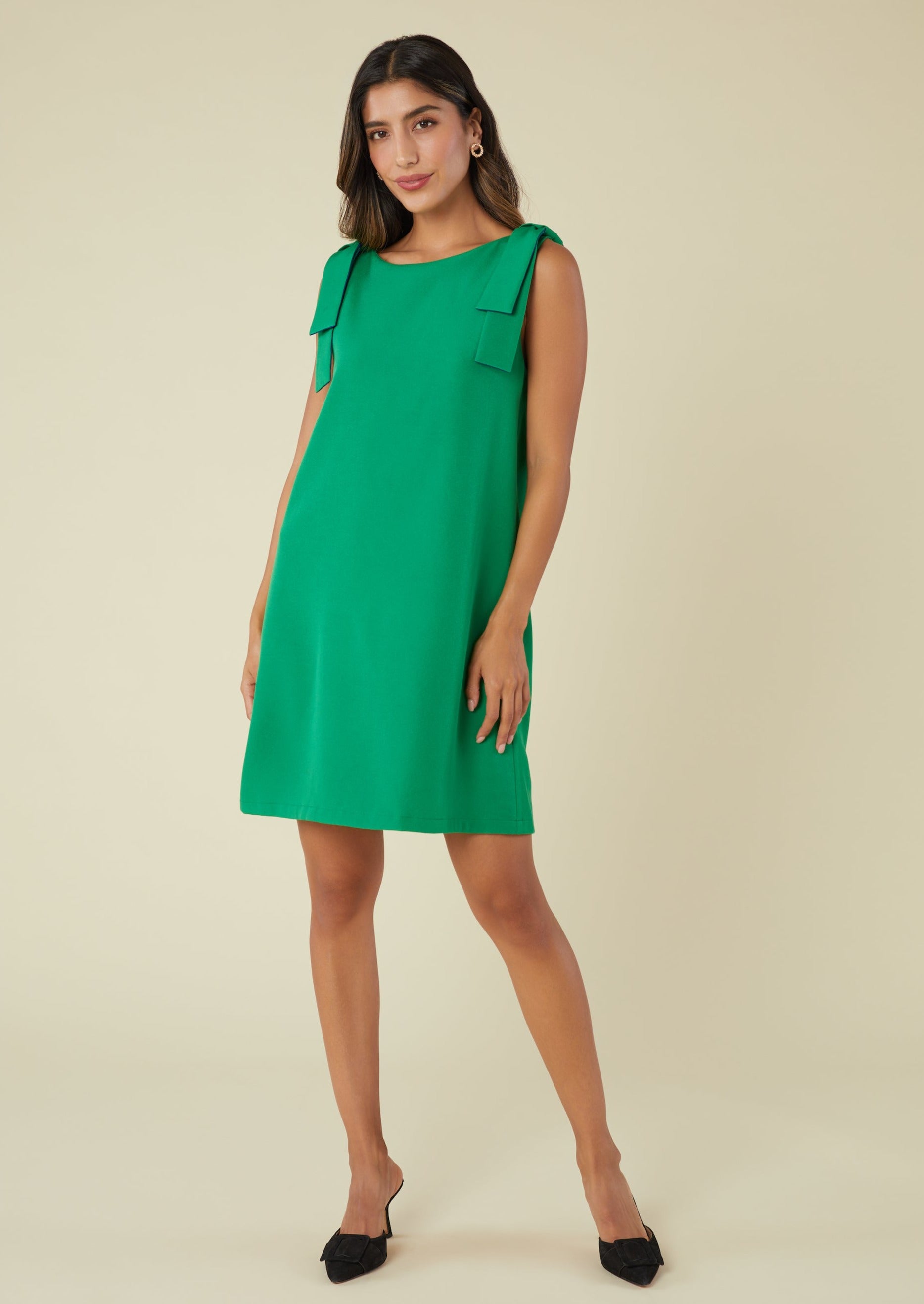
Embracing the shift dress means adopting a lifestyle of simplicity and confidence. This garment, with its rich history and scientific design, offers a solution to the complexities of modern fashion, allowing you to focus on what truly matters. As you integrate shift dresses into your wardrobe, you’ll discover their power to adapt, comfort, and inspire, making every day a little more effortless.