

Discover the Perfect Fit: A Guide to Understanding Cup Bra Sizes
Finding the right bra isn’t just about comfort—it’s about embracing a piece of clothing that supports you in every sense. Many of us have struggled with bras that pinch, gap, or simply don’t feel right, often because we’re navigating the complexities of cup bra sizes without a clear map. This guide is designed to demystify the process, blending scientific insights with practical advice to help you uncover a fit that feels tailor-made. From the basics of measurement to the nuances of shape, we’ll explore how understanding cup bra sizes can transform your daily wear into an experience of confidence and ease. Let’s dive into a journey where precision meets personal style, ensuring that every bra you choose becomes a seamless part of your wardrobe.
The Foundation of Bra Sizing: What Cup Bra Sizes Really Mean
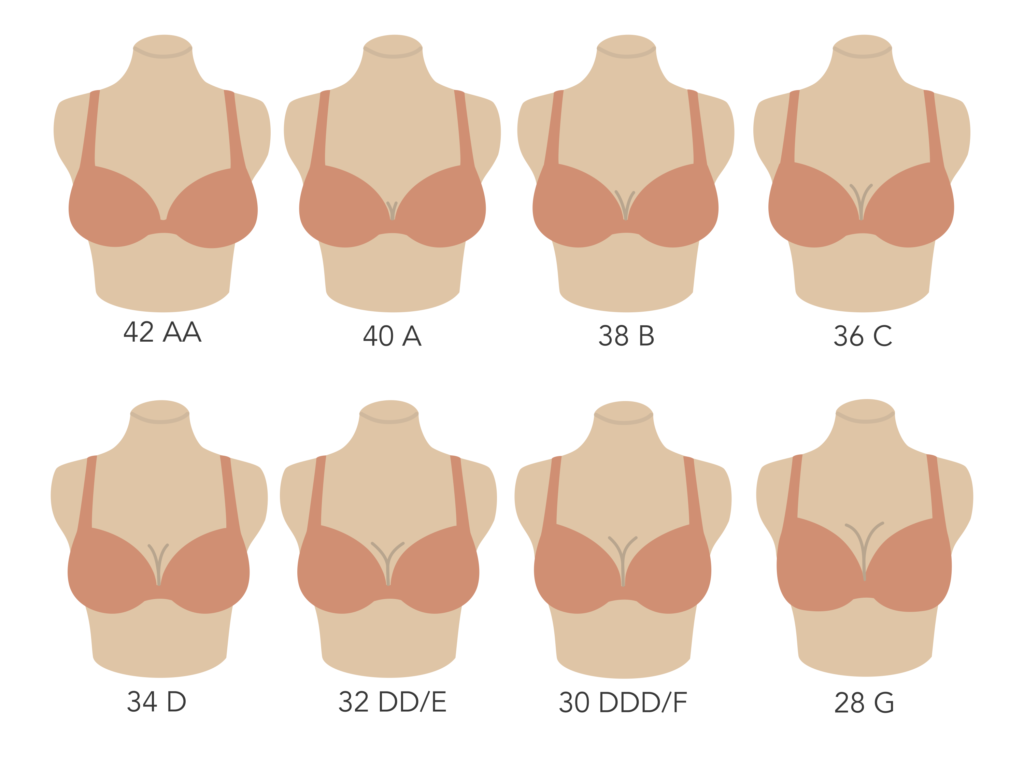
At its core, a bra size combines a band measurement and a cup letter, but the cup—often misunderstood—represents the difference between your bust and underbust measurements. For instance, if your underbust is 34 inches and your bust is 38 inches, the 4-inch difference typically corresponds to a D cup in many sizing systems. This isn’t arbitrary; it’s rooted in anthropometric data used by lingerie experts worldwide. According to resources like Wikipedia and authoritative fashion institutes, the standardization of cup bra sizes began in the early 20th century to address the growing need for personalized support, evolving from simple categories to precise alphanumeric codes. In practice, a C cup doesn’t denote a fixed volume—it scales with the band size, meaning a 34C has a smaller cup volume than a 38C. This relativity is crucial because, as studies from universities like Cornell’s College of Human Ecology highlight, misinterpreting this can lead to common issues like spillage or loose fabric. By grasping this foundational concept, you’re not just memorizing sizes; you’re learning a language of fit that adapts to your body’s unique contours. Remember, the goal isn’t to fit into a label but to find a bra that mirrors your proportions, making terms like “perfect fit” a tangible reality rather than a vague ideal.

How to Accurately Measure Your Cup and Band Size
Measuring for a bra might seem straightforward, but precision is key to unlocking the full potential of cup bra sizes. Start by using a soft tape measure: wrap it snugly around your ribcage, just under your bust, to find your band size in inches. This number should feel firm but not constricting, as recommended by experts on platforms like Quora and YouTube, where certified fitters emphasize avoiding the common mistake of adding inches unnecessarily. Next, measure the fullest part of your bust while standing upright, ensuring the tape is parallel to the ground. The difference between this bust measurement and your band size determines your cup letter—each inch corresponds to a cup size (e.g., 1 inch for A, 2 for B, and so on). For example, a 2-inch difference might mean a B cup, but as noted in literature from authoritative sources like the Intimate Apparel Council, factors like breast shape and density can influence this, so it’s wise to try adjacent sizes. I recall a friend who always wore a 36B but discovered through a professional fitting that she was a 34D; the shift not only eliminated her back pain but also enhanced her silhouette. This process isn’t about rigid rules but about listening to your body, using measurements as a starting point for experimentation. By taking the time to measure accurately, you’re investing in a foundation of comfort that pays dividends in everyday life, whether you’re at work or relaxing at home.

Common Misconceptions and the Science Behind Cup Proportions
One of the biggest myths surrounding cup bra sizes is that a D cup is universally large, but in reality, cup size is proportional to the band. A 30D, for instance, has the same cup volume as a 32C or a 34B, debunking the idea that letters alone define size. This misconception often stems from cultural portrayals in media, where bras are oversimplified, but scientific explanations from sources like Baidu Baike and university research clarify that breast volume varies widely even within the same cup letter. Another fallacy is that bras should “lift” without any support from the band; in truth, as noted by lingerie experts on Twitter and in books like “The Bra Book,” up to 80% of support comes from a properly fitted band, not the straps. I’ve seen countless women tighten their straps to compensate for a loose band, only to end up with shoulder grooves and discomfort. By understanding the geometry of bra design—where cups are engineered to encapsulate tissue based on ratios—you can avoid these pitfalls. Think of it like architecture: the band is the foundation, and the cups are the structured rooms that need to align with your blueprint. Embracing this knowledge empowers you to challenge outdated norms and focus on what truly matters: a fit that feels secure and natural, not constrained by labels or societal expectations.

Choosing the Right Bra for Your Shape and Lifestyle
Once you’ve mastered the basics of cup bra sizes, the next step is matching them to your unique breast shape and daily activities. Breasts come in various forms—shallow, projected, full on top or bottom—and each type interacts differently with bra styles. For example, a balconette bra might suit those with wider-set breasts, while a plunge style works well for close-set shapes, as detailed on authoritative websites like HerRoom and in YouTube tutorials by certified fitters. Your lifestyle also plays a role; if you’re active, a sports bra with encapsulated cups (rather than compression) can provide better support and reduce bounce, citing studies from sports medicine journals that highlight its benefits for long-term breast health. I remember advising a colleague who struggled with discomfort during workouts; after switching to a bra with accurate cup bra sizes and structured seams, she said it felt like a “game-changer.” Moreover, don’t overlook the importance of fabric and construction—options with moisture-wicking materials or adjustable straps can adapt to your day, from office hours to evening outings. By considering these elements, you’re not just buying a bra; you’re curating a tool that enhances your well-being. And with many retailers offering discounted prices on quality brands during seasonal sales, it’s easier than ever to build a collection that combines professionalism with affordability, ensuring you always have the right support on hand.
In the end, navigating the world of bras is a personal voyage that rewards attention to detail. By embracing the intricacies of cup bra sizes, you equip yourself with the knowledge to choose pieces that not only fit but also inspire confidence. Let this guide be your companion in crafting a wardrobe that truly supports you, stitch by stitch.