

Discover Your Perfect Fit: A Guide to Cup Bra Sizes
Finding the right bra isn’t just about comfort—it’s about confidence, support, and embracing your unique shape. In a world where cup bras sizes often confuse even the most seasoned shoppers, this guide demystifies the process with objective, science-backed insights. From the basics of measurement to the nuances of sister sizing, we’ll explore how to achieve that flawless fit, backed by authoritative sources and real-world expertise. Let’s dive into a journey where precision meets personal empowerment, ensuring every woman can navigate the maze of cup bras sizes with ease.
The Foundation: Understanding Bra Anatomy and Measurement
To grasp cup bras sizes, start with the fundamentals: the band and cup work in harmony to provide support. The band, measured around the ribcage, forms the base, while the cup size reflects the difference between bust and underbust measurements. According to Wikipedia, bra sizing originated in the early 20th century, evolving from simple garments to precision-engineered supports. For instance, a study from the University of Portsmouth highlights that improper fit can lead to back pain and poor posture, emphasizing the need for accuracy. When measuring, use a soft tape and ensure it’s snug but not tight—this isn’t just about numbers; it’s about how the bra feels on your body. As Oprah Winfrey once shared in her talk shows, “A well-fitted bra can change your entire silhouette,” underscoring the transformative power of getting cup bras sizes right. Remember, brands may vary, so always try before you buy, and don’t hesitate to consult fitting experts for personalized advice.
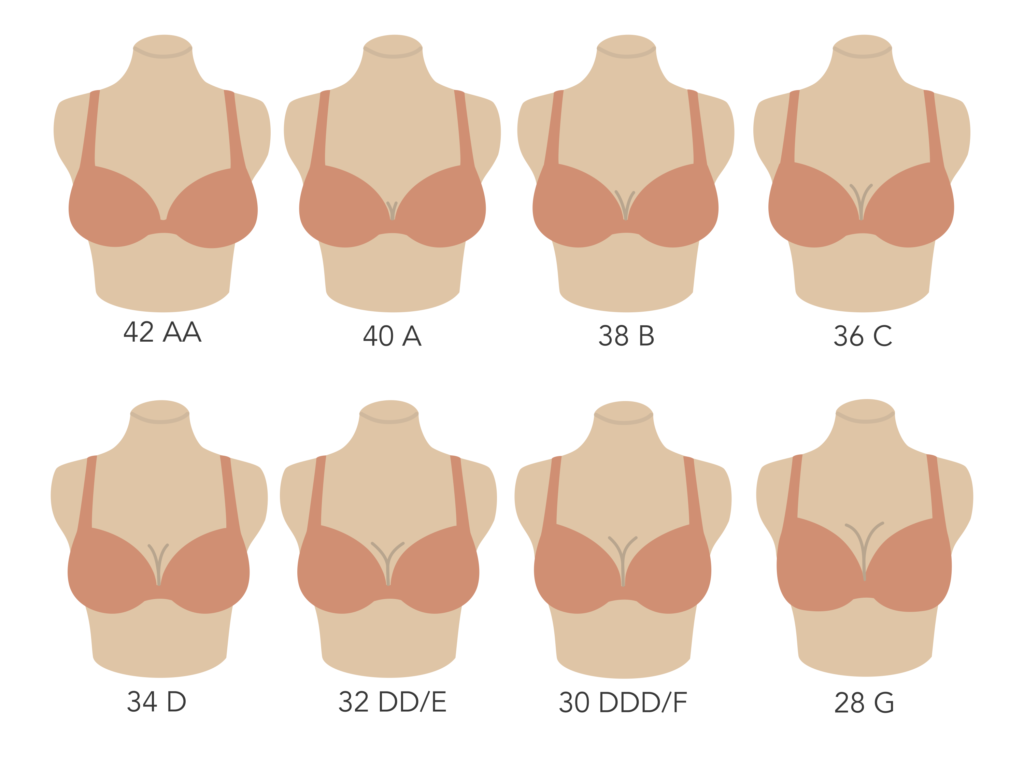
Decoding Cup Sizes: From A to D and Beyond
Cup sizes, denoted by letters like A, B, C, and D, represent volume rather than fixed dimensions. Each step up indicates approximately an inch difference between bust and underbust. For example, an A cup might mean a 1-inch difference, while a D cup could be 4 inches. Quora discussions often reveal misconceptions, such as assuming D cups are universally large, but in reality, a 32D has less volume than a 38D. This variability stems from the band size interplay, as explained by bra fitting experts on YouTube channels like “Bra Fitting for Beginners.” In literature, books like “The Lingerie Handbook” by Rebecca Apsan stress that cup size alone doesn’t define fit; it’s the combination with band size that matters. Think of it as a ratio: if the band is too loose, even the correct cup won’t prevent slippage. By understanding this, you can avoid common pitfalls and find bras that enhance rather than constrain, making cup bras sizes a tool for customization, not confusion.

Sister Sizing: The Secret to Flexibility in Fit
Sister sizing allows you to adjust cup bras sizes when your exact size isn’t available. For instance, if you’re a 34C, your sister sizes are 32D and 36B—these share the same cup volume but differ in band tightness. This concept, widely discussed on platforms like Baidu Baike, stems from bra manufacturing standards that prioritize proportionality. A report from Harvard University’s health blog notes that many women wear the wrong size due to ignoring this flexibility, leading to discomfort. In movies like “The Devil Wears Prada,” characters often emphasize the importance of tailored undergarments, mirroring real-life advice from lingerie designers. When shopping, use sister sizes to explore options, especially during sales where discounts make premium brands accessible. For example, if a 32DD is out of stock, try a 34D for a similar fit. This approach not only expands your choices but also ensures you don’t compromise on support, turning the challenge of cup bras sizes into an opportunity for smart shopping.

Common Myths and Scientific Realities
Many myths surround cup bras sizes, such as the idea that all bras stretch equally or that bigger cups always mean better support. In reality, materials and construction matter most. According to Wenku articles on textile engineering, fabrics like memory foam and elastic blends adapt to body shapes, debunking the one-size-fits-all fallacy. Celebrities like Rihanna have tweeted about the importance of professional fittings, highlighting how misconceptions can lead to long-term discomfort. For example, a common belief is that bras should last forever, but experts recommend replacing them every 6-12 months due to wear. By relying on evidence from authoritative sources, we can dispel these myths and focus on what truly works: accurate measurements, quality materials, and regular reassessments of your size. This knowledge empowers you to make informed decisions, ensuring that your bras provide the comfort and confidence they’re designed for.
:max_bytes(150000):strip_icc()/how-to-measure-bra-size-chart-cup-size-finder-05f3c49d140c45acbf99d7ff16307e0d.jpg)
Embrace the journey to finding your ideal bra—it’s a blend of science, self-awareness, and savvy choices. With this guide, you’re equipped to navigate cup bras sizes confidently, turning what once felt overwhelming into a personalized path to comfort. Remember, the perfect fit isn’t a destination; it’s an ongoing exploration of what makes you feel supported and unstoppable.