

How to Style Your Retrofete Dress for a Chic and Timeless Look
In the ever-evolving landscape of fashion, where trends flicker and fade with the seasons, achieving a style that remains perpetually relevant is the ultimate sartorial triumph. The Retrofete dress emerges not merely as a garment but as a cornerstone for such an enduring wardrobe. It represents a deliberate fusion of nostalgic elegance and contemporary design, offering a canvas upon which personal style can be painted with confidence and sophistication. This guide is dedicated to unraveling the art of styling these distinctive pieces, transforming them from beautiful items in your closet into the protagonists of your most memorable and chic ensembles. We will navigate through the principles of silhouette, accessory pairing, and occasion-specific styling, all while grounding our advice in objective style principles and the wisdom of fashion authorities.
The Architectural Foundation: Understanding the Silhouette and Fabric
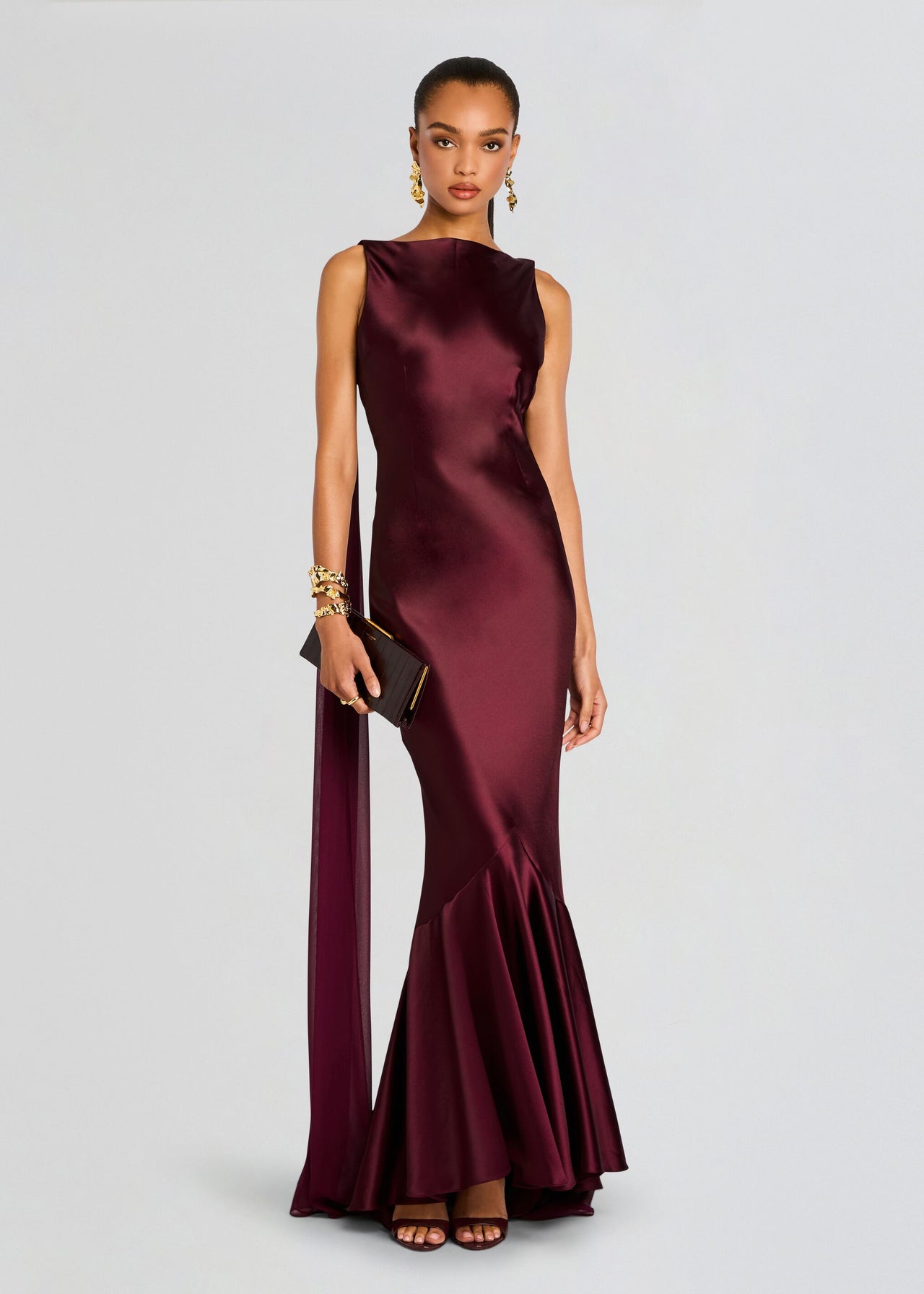
Before a single accessory is chosen, the fundamental step in mastering the style of any garment is to understand its intrinsic architecture. A Retrofete dress is often characterized by its deliberate cuts and luxurious fabrics. Common silhouettes include the column dress, which elongates the frame; the A-line, which offers a classic, forgiving shape; and the slip dress, which embodies minimalist glamour. The fabric is equally paramount. You might encounter heavy crepes that hold their structure impeccably, fluid satins that catch the light with every movement, or intricate sequined knits that provide texture and depth. The relationship between silhouette and fabric is a scientific one in the world of design. As noted by the Fashion Institute of Technology’s curriculum, the “drape” and “hand” of a fabric—how it falls and feels—directly influence the garment’s final form and movement on the body. A structured wool crepe will create sharp, defined lines in a sheath dress, while a silk charmeuse in the same cut will result in a softer, more fluid expression. When you select a Retrofete dress, you are not just selecting a pattern; you are selecting a partnership between form and material. This understanding allows you to build your outfit from a place of knowledge. A voluminous taffeta gown, for instance, carries its own grandeur and may require minimal additional volume in accessories, whereas a sleek, body-conscious sequined Retrofete dress provides a perfect base for statement jewelry and elaborate outerwear.

The Alchemy of Accessories: Curating a Cohesive Narrative
Accessories are the punctuation marks of an outfit; they can turn a simple statement into a profound declaration. The key to accessorizing a Retrofete dress lies in achieving balance and intentionality, creating a dialogue between the dress and your chosen adornments. This is not about mere decoration but about curating a cohesive narrative. For a dress with high visual impact—such as one featuring bold prints, intricate beading, or a dramatic neckline—the principle of “one statement piece” often applies. Let the dress be the hero. Complement it with understated, elegant accessories: a slim metallic bracelet, simple hoop earrings, or a delicate clutch. Conversely, a minimalist Retrofete dress in a solid color is a sartorial blank slate, inviting you to inject personality through your accessories. This is where you can embrace the advice of stylists like Rachel Zoe, who famously championed maximalist accessories to transform a basic look. A wide-brimmed hat, a layered necklace set, or an embellished belt can become the focal point. Footwear follows a similar logic. The architectural sharpness of a stiletto pump can ground a fluid silhouette, while a strappy sandal maintains an airy, feminine feel. Even the choice of hosiery, or the deliberate lack thereof, contributes to the overall effect. This curated approach ensures that every element serves a purpose, moving your style from being simply “dressed” to being authentically styled.
Mastering the Occasion: From Daytime Refinement to Evening Glamour
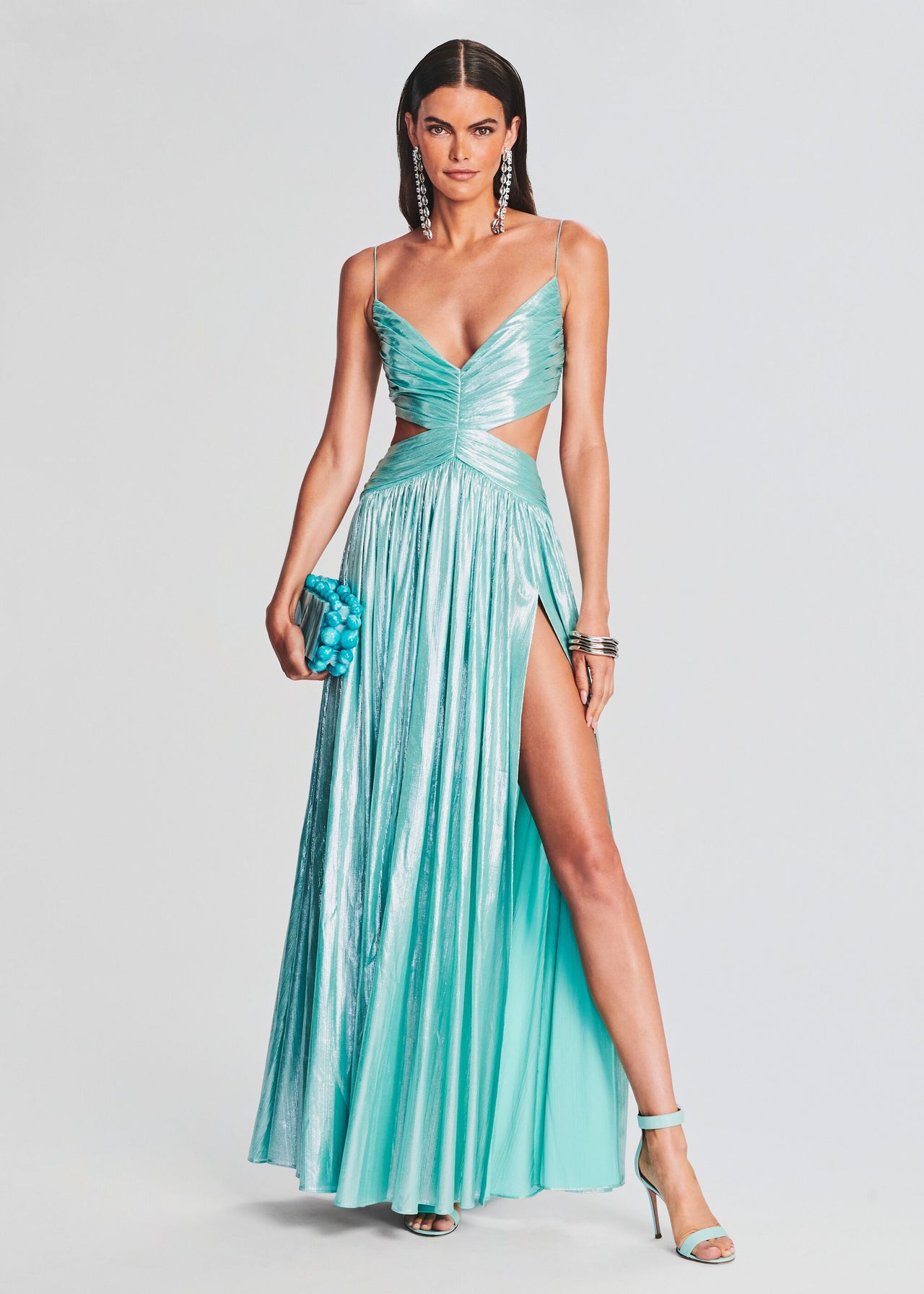
The versatility of a well-chosen Retrofete dress is one of its most powerful attributes, allowing for seamless transitions across different settings with strategic styling adjustments. The transformation from a daytime professional meeting to an evening gala is achieved not by changing the core garment, but by manipulating the layers and accents that surround it. For daytime refinement, the focus should be on polish and ease. Pair a sophisticated shift or shirt dress with a structured blazer in a complementary neutral tone. Footwear should prioritize comfort without sacrificing style—consider block heels, elegant loafers, or clean-lined ballet flats. Your bag should be functional yet chic, perhaps a structured tote or a crossbody bag. The overall palette can be more muted, allowing the quality of the dress’s cut and fabric to shine. As the sun sets and the occasion calls for evening glamour, the strategy shifts. Shed the blazer to reveal the dress in its full glory. Swap the practical daytime bag for a sparkling clutch or a minimalist envelope style. This is the moment for footwear that makes a statement—be it metallic, embellished, or featuring a daring silhouette. The application of a more dramatic makeup look and the choice of finer, more luxurious jewelry complete the metamorphosis. This principle of layering and strategic substitution is a cornerstone of building a efficient and powerful wardrobe, a concept frequently explored in style literature from Vogue to Harper’s Bazaar, emphasizing investment in versatile core pieces.

The Final Touch: Confidence as the Ultimate Accessory
Beyond the tangible elements of fabric, cut, and accessory lies the most critical component of a chic and timeless look: unshakeable confidence. A garment, no matter how exquisitely crafted, only reaches its full potential when worn with a sense of self-assuredness and ownership. This is not a vague platitude but an observable phenomenon. Social psychology research, such as that cited in studies from Harvard University on “enclothed cognition,” suggests that the clothes we wear can significantly impact our psychological processes and confidence levels. When you wear a Retrofete dress that you feel perfectly represents your aesthetic and fits you impeccably, it alters your posture, your demeanor, and your interaction with the world. This confidence is the final, invisible layer that completes the outfit. It’s the energy that turns heads and makes an ensemble memorable. Cultivating this confidence involves knowing what styles and silhouettes flatter your unique form, understanding color palettes that illuminate your complexion, and, most importantly, giving yourself permission to wear beautiful things not just for special events, but for any day you wish to feel extraordinary. This mindset transforms the act of dressing from a routine into a ritual of self-expression.
Building a wardrobe with pieces that offer both immediate impact and long-term value is the essence of intelligent style. The techniques outlined—understanding foundational design, mastering accessory alchemy, adapting to the occasion, and embracing confidence—provide a blueprint for extracting maximum potential from your investments. A Retrofete dress, with its inherent balance of nostalgic charm and modern sensibility, is a perfect candidate for such a role. By applying these principles, you ensure that your look remains not a fleeting snapshot of a trend, but a enduring portrait of your personal chic.