

The Ultimate Guide to Finding the Perfect E Cup Bras for Every Occasion
Understanding the E Cup Dimension
When we speak of E cup bras, we’re referring to a specific volumetric measurement in bra sizing that represents approximately a 6-inch difference between bust and underbust measurements. This cup size exists within multiple band size ranges, meaning a 32E holds different volume than a 38E, though both share the same cup letter. The scientific foundation of bra sizing stems from anthropometric studies conducted by institutions like the University of Portsmouth’s Research Group in Breast Health, which has demonstrated that proper support distribution requires precise volumetric calculations. Many women mistakenly believe E cup signifies an extremely large bust, when in reality it represents a moderate-to-full bust proportion that requires specialized construction. The engineering behind E cup bras involves complex geometric patterning to ensure weight distribution, with wider straps, reinforced side panels, and deeper cups than smaller sizes. As noted by lingerie historian Jill Fields in her book “An Intimate Affair: Women, Lingerie, and Sexuality,” the development of cup sizing in the 1930s revolutionized how we categorize breast volume, creating a system that acknowledges both circumference and projection.

The Structural Engineering of Support
Quality E cup bras incorporate specific structural elements that differentiate them from standard bras. The underwire in properly constructed E cups follows the natural breast root contour rather than sitting on breast tissue, a design principle validated by biomechanics research at Harvard University. Three-part cup construction with vertical and horizontal seams creates a natural rounded shape while providing superior support compared to seamless alternatives. The frame depth—the distance from wire channel to strap attachment—increases proportionally with cup volume to prevent spillage and maintain silhouette integrity. Materials science plays a crucial role; modern E cup bras utilize power mesh panels, memory foam underwire channels, and graduated elastics that maintain tension without digging. As bra fit expert Jenette Goldstein notes in her YouTube series “The Science of Support,” the center gore (the piece connecting the cups) must lay flat against the sternum in properly fitted E cups, indicating correct wire spring and band tension. The back band typically features three or four rows of hooks in quality E cup designs to distribute tension across a broader surface area, reducing pressure on the spine and shoulders.

Occasion-Specific E Cup Solutions
The versatility of E cup bras extends across various life scenarios, each demanding specialized features. For professional environments, seamless contour styles with minimized lace create smooth lines under tailored clothing, while moisture-wicking fabrics combat discomfort during long workdays. Evening wear necessitates convertible designs with multi-position straps for dramatic backlines, coupled with silicone grip technology along the edges to prevent shifting during movement. Athletic pursuits require encapsulation-style sports bras that separate rather than compress, reducing bounce by up to 73% according to research from the University of Virginia’s Breast Sports Bra Initiative. Sleep bras for E cups prioritize wireless construction with modal or bamboo fabrics that provide gentle support without restriction. Special occasion lingerie balances aesthetic appeal with structural integrity, using decorative elements that complement rather than compromise support. As fashion historian Colleen Hill notes in her Metropolitan Museum of Art lecture series “Foundations of Fashion,” the evolution of occasion-specific bras represents one of the most significant advancements in intimate apparel, allowing women to maintain both comfort and style across diverse activities.
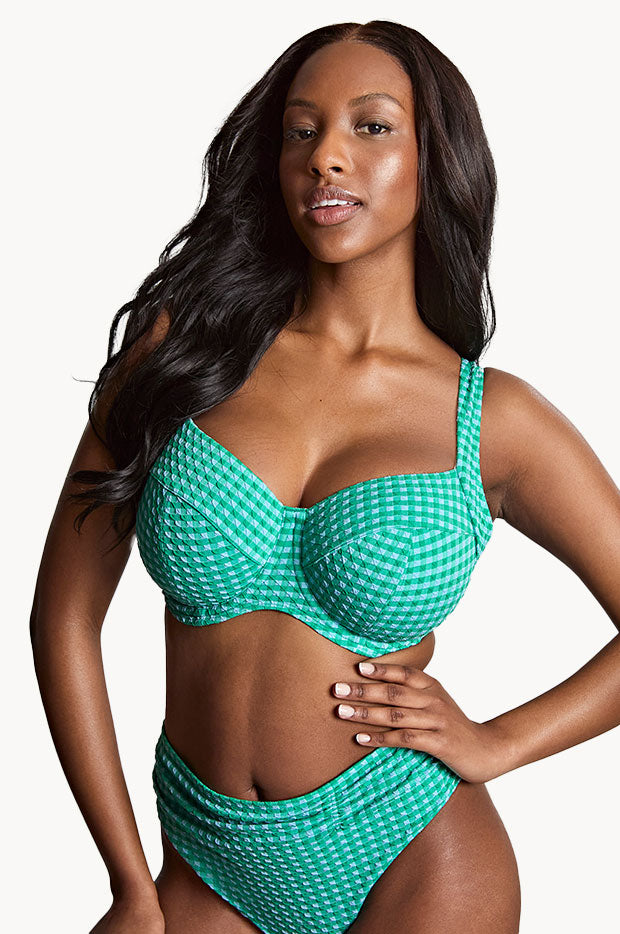
Professional Fitting Insights and Common Misconceptions
The journey to finding ideal E cup bras begins with discarding prevalent myths about bra fitting. Contrary to popular belief, the band provides 80-90% of support according to research from lingerie engineering specialists at De Montfort University, not the straps. The +4 method—adding inches to the underbust measurement—originated from 1940s bra manufacturing limitations and creates unstable support systems for E cup volumes. Professional fitters utilize multiple measurement points including horizontal and vertical torso circumference, breast root width, and shoulder slope angle to determine optimal style matches. As noted by bra fit revolutionary Michelle Lam in her Quora series “Demystifying Bra Fit,” women wearing E cups often discover their actual size differs significantly from what they’ve worn for years, typically needing smaller bands and larger cups than initially assumed. The swoop and scoop method—leaning forward and manually positioning breast tissue into the cups—ensures proper placement in the underwire and eliminates gaping that many mistake for poor fit. Tissue migration over time can actually change a woman’s size after switching to properly fitted E cups, as constrictive bands allow displaced breast tissue to return to its natural position.
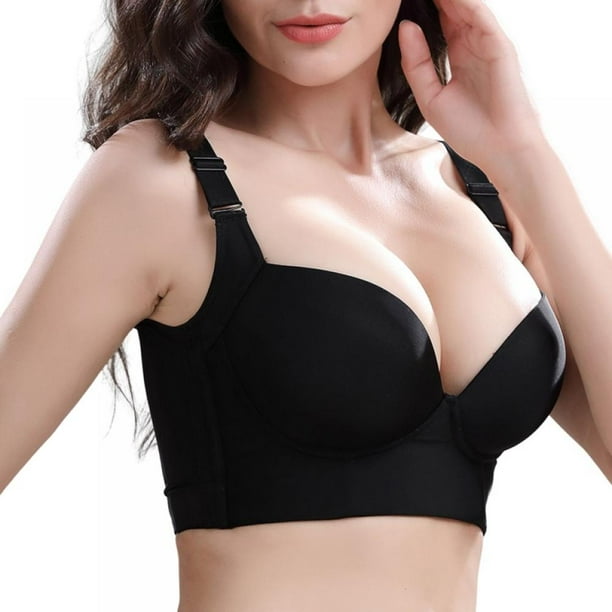
Investment Value and Cost-Per-Wear Analysis
While quality E cup bras represent a significant investment ranging from $68-$150, their cost-per-wear calculation reveals exceptional value when properly maintained. The structural integrity of well-constructed E cups maintains shape and support through approximately 180 wears with proper care, compared to 40-60 wears for mass-market alternatives according to consumer data from Bare Necessities. Rotating between 3-5 bras allows elastic components to fully recover between uses, extending lifespan by up to 60% compared to wearing the same bra consecutively. Professional fitting services—often complimentary at specialty boutiques—prevent the costly trial-and-error approach that leads many women to accumulate drawers of ill-fitting bras. As financial advisor and lingerie enthusiast Paco Underhill notes in his Twitter thread “The Economics of Intimates,” investing in two perfectly fitted E cup bras provides better value than six poorly fitting alternatives that require constant adjustment and replacement. Sales cycles at major retailers typically occur in January, April, and August, offering 25-40% discounts on premium brands. Additionally, many manufacturers offer direct replacement programs for structural failures within the first year, protecting your investment in these engineered garments.
The search for perfect E cup bras transcends mere shopping—it’s a journey toward understanding how engineered support transforms daily comfort, posture, and confidence across every life scenario.