

How to Style a Revolve Dress for Every Occasion
In the ever-evolving landscape of fashion, few garments offer the transformative power of a well-chosen dress. Among these, the revolve dress stands out not as a single style, but as a concept emblematic of the modern wardrobe: versatile, sophisticated, and designed to move seamlessly from one setting to the next. This article isn’t about a specific brand’s product line, but rather about the philosophy of a dress that can “revolve” through your life, adapting to myriad events with strategic styling. We’ll dissect this concept, providing objective insights and scientific explanations for fabric choices, color psychology, and silhouette impact, empowering you to extract maximum value and wear from your key pieces.
The Foundation: Understanding the “Revolve” Philosophy in Fashion
The term “revolve” in this context transcends a brand name; it describes a functional approach to garment utility. From an economic and sustainability perspective, the concept aligns with the “cost per wear” model advocated by stylists and financial advisors alike. The lower the cost per wear, the higher the value of the garment. A true revolve dress is one that achieves an exceptionally low cost per wear by virtue of its adaptability. Scientifically, this adaptability often hinges on fabric composition. For instance, a dress made from a high-quality polyester blend or a technical knit can offer wrinkle resistance and shape retention—properties verified by textile studies from institutions like the Fashion Institute of Technology. These materials withstand the rigors of a full day, transitioning from office to evening without showing fatigue. Furthermore, the psychology of color, as documented in numerous studies, plays a crucial role. A dress in a neutral hue like navy, black, or camel acts as a blank canvas. Research published in journals such as Color Research and Application suggests that darker, neutral colors are often perceived as more authoritative and versatile, making them ideal anchors for a revolving wardrobe.
From Boardroom to Bar: The Day-to-Night Metamorphosis
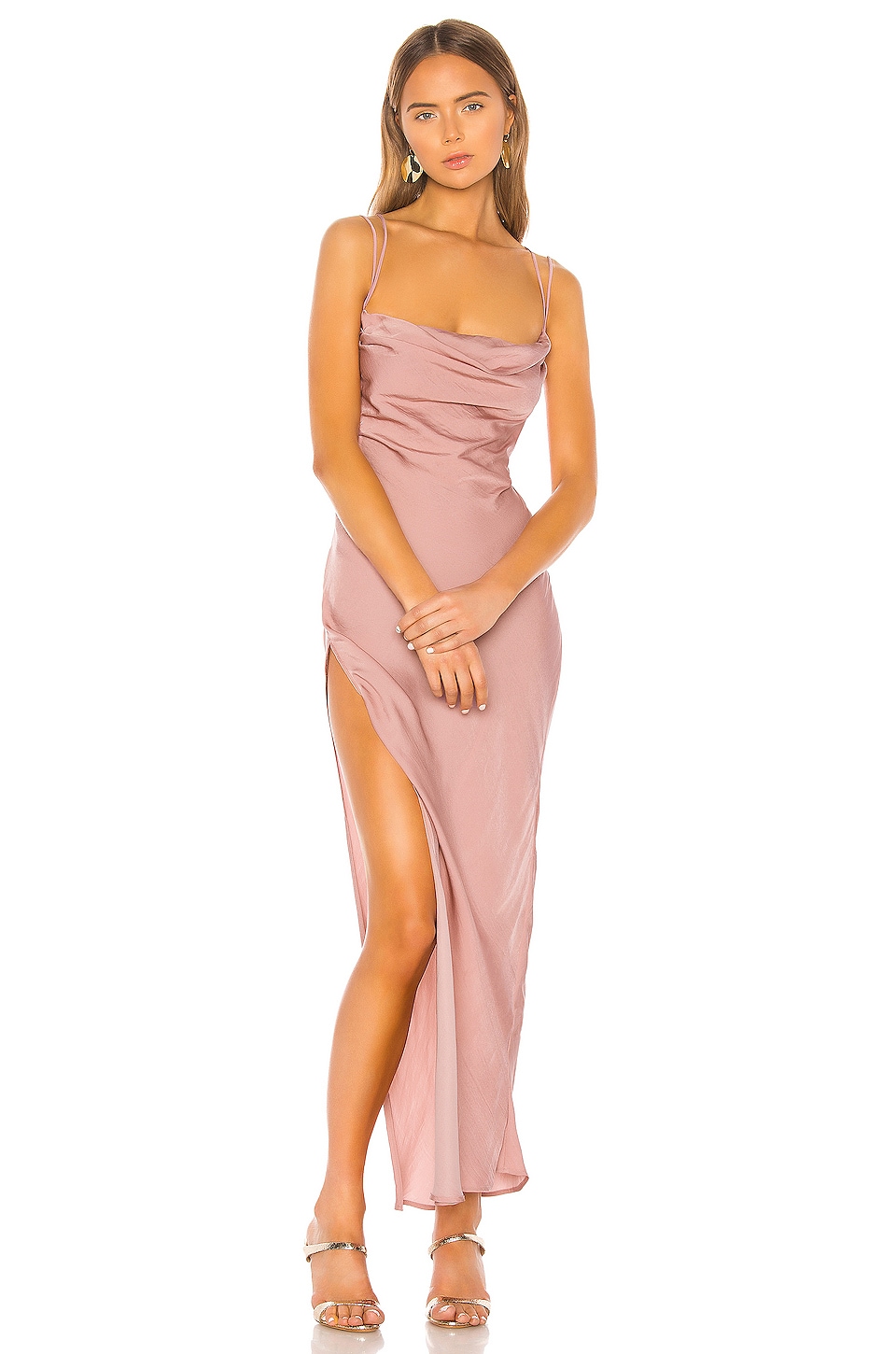
This is the most demanded transformation, and mastering it relies on layering and accessory modulation. Let’s take a classic sheath revolve dress as our example. For the office, the approach is about structured polish. A tailored blazer, as championed by style icons from Audrey Hepburn to modern executives like Sheryl Sandberg, instantly communicates professionalism. The blazer’s sharp lines contrast with the dress’s silhouette, creating a powerful, intentional look. Footwear should be closed-toe—pumps or sophisticated loafers. Your bag should be structured; think a tote or a satchel. The science here is one of semiotics in fashion: these items are culturally coded signals of work and competence. As evening approaches, the shift is deliberate. Remove the blazer to reveal the dress’s neckline and arms. Swap the work bag for a sleek clutch, a practice often highlighted in fashion editorials from Vogue to Harper’s Bazaar. Change your shoes to strappy sandals or statement heels. This instantly alters the proportion and focus of the outfit. The final touch is jewelry: replace delicate daytime pieces with bold, sculptural earrings or a layered necklace. As fashion historian Valerie Steele has noted in her lectures, accessories are the quickest way to redefine an outfit’s context without changing its core.
The Weekend Catalyst: Casual Chic and Brunch-Ready Looks
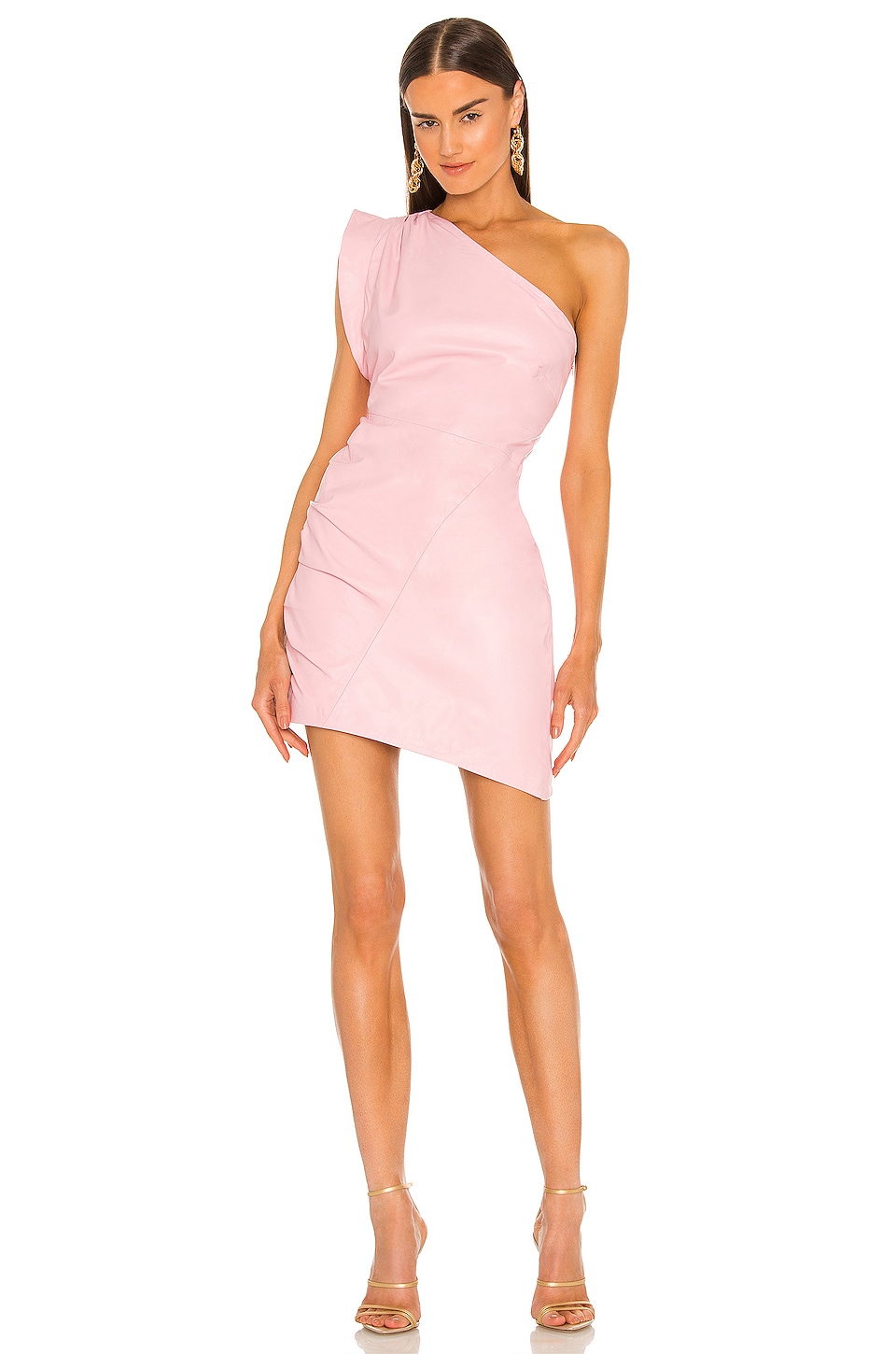
Weekends demand comfort without sacrificing style, and your revolve dress is perfectly poised to deliver. The key here is deconstruction and softening. A midi or shirt dress in a breathable fabric like cotton or linen is ideal. The objective is to move away from formality and towards relaxed effortlessness. Throw a chunky knit sweater over your shoulders, a style popularized by preppy fashion and seen in campuses from Ivy League universities to street style blogs. This adds texture and a sense of casual ease. Footwear undergoes a complete shift: trade heels for white sneakers, as endorsed by countless fashion influencers on TikTok and Instagram for their ability to blend comfort with trendiness. A crossbody bag replaces the structured tote, allowing for hands-free mobility. The scientific principle at play is one of contrast and balance. The softness of the knit and the casualness of the sneakers deliberately contrast with the inherent polish of the dress, creating a dynamic, modern look that is both put-together and approachable. This styling aligns with the “dress sneaker” trend analyzed in trend forecasting reports from WGSN, confirming its rooted place in contemporary style.
Special Occasion Alchemy: Weddings, Galas, and Date Nights
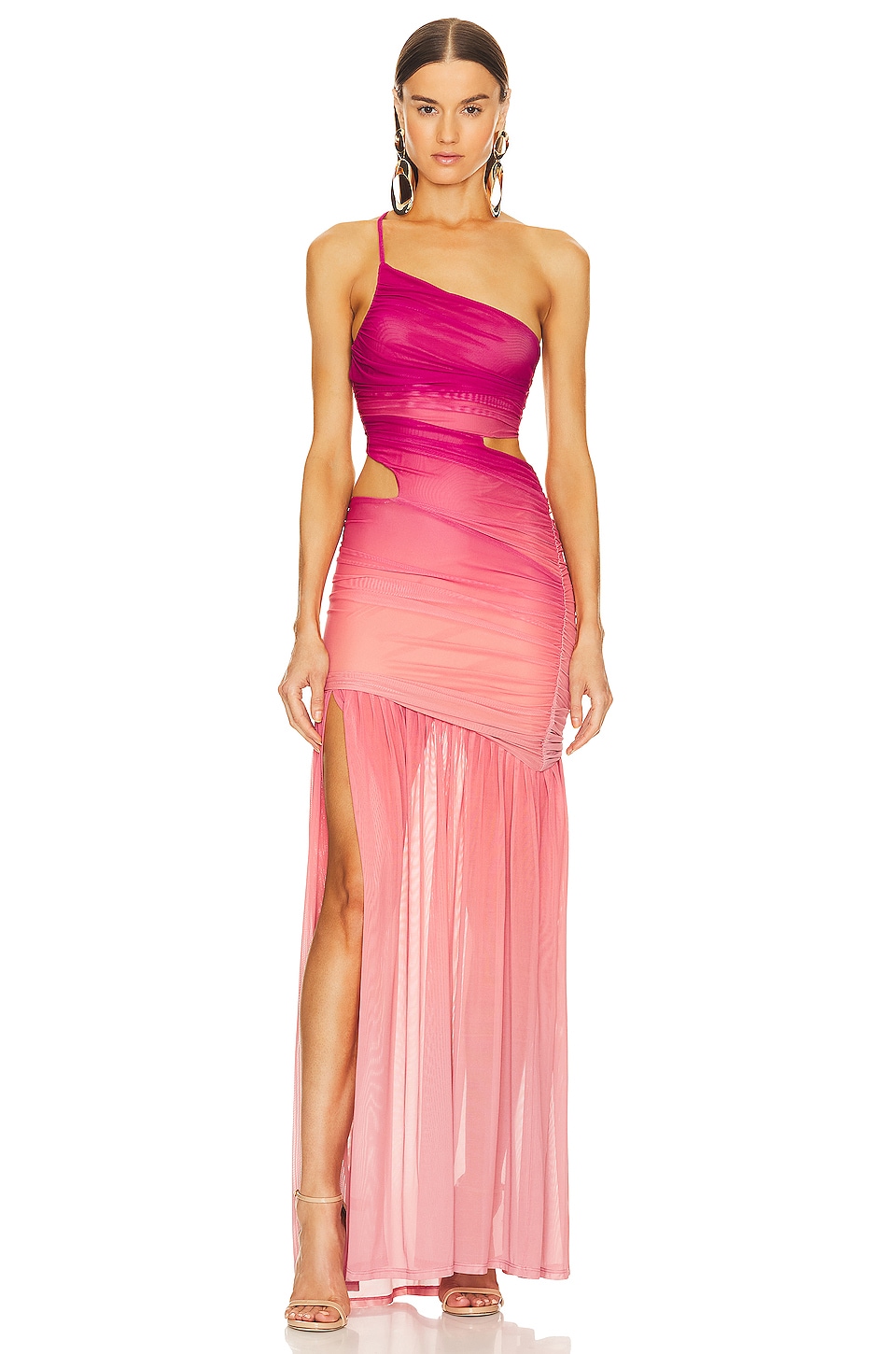
Elevating a dress for a special event is about maximalist accents and focal points. Your revolve dress, perhaps in a luxe fabric like silk or velvet, forms the elegant base. The transformation is achieved through strategic glamour. Begin with statement jewelry—a concept famously articulated by Coco Chanel’s advice to “look in the mirror and take one thing off.” For a gala, that one thing would not be the jewelry, but perhaps an extra layer. Opt for dramatic earrings or a cuff bracelet. A sleek clutch in a metallic or embellished finish is non-negotiable. Footwear becomes a centerpiece: ornate heels or elegant sandals. Consider the transformative power of outerwear; a faux fur stole or a tailored cape, as seen on red carpets for decades, adds instant grandeur. The psychology here is about signaling effort and significance for the event. As sociologist Georg Simmel theorized, fashion is a tool for social distinction. By amplifying the accessories, you signal the importance of the occasion while maintaining the intelligent core of a versatile garment. This approach brings professional knowledge of red-carpet styling to your personal wardrobe, proving that investment in a single, excellent dress is far wiser than purchasing multiple occasion-specific outfits.
Seasonal Intelligence: Adapting Your Dress Through the Year
A true revolve dress is not confined by season; it is enhanced by it. This requires an understanding of layering thermodynamics and seasonal color palettes. For cooler months, the dress becomes a foundational layer. Pair it with opaque tights, a practice with historical precedent for both warmth and modesty. Add knee-high or over-the-knee boots, which provide insulation and a fashion-forward silhouette. A long wool coat or a leather jacket on top completes the look, creating a protective shell that allows the dress to peek through at the hem and neckline. In spring and summer, the strategy shifts to breathability and sun protection. A lightweight trench coat or a denim jacket offers a perfect lightweight layer. Open-toe shoes and a wide-brimmed hat, a staple of summer style as documented in everything from F. Scott Fitzgerald’s novels to modern resort wear collections, provide both function and flair. The scientific basis lies in managing microclimates around the body through clothing layers, a concept explored in textile science. By mastering these adaptations, you effectively quadruple the functional lifespan of your dress within your annual wardrobe cycle.
The ultimate goal is to build a wardrobe that works intelligently for you. The revolve dress concept is the cornerstone of this philosophy. It champions mindful consumption over fast fashion, a viewpoint increasingly supported by environmental data and ethical fashion advocates. By investing in versatile, high-quality pieces and applying these strategic styling principles, you not only cultivate a personal style that is both dynamic and coherent but also make a economically sound decision. Your wardrobe becomes a curated collection of possibilities, each piece—especially your pivotal revolve dress—earning its place through relentless versatility and enduring style.