

5 Chic Ways to Style Short Dresses for Every Season
Short dresses for women are not merely a summer staple; they are a year-round canvas for personal expression. The notion that they belong solely to warm weather is a sartorial myth. With strategic layering, thoughtful accessorizing, and a keen eye for fabric and silhouette, a short dress can be the most versatile piece in your wardrobe, transitioning seamlessly from the blooming freshness of spring to the crisp quiet of winter. This guide moves beyond fleeting trends to offer foundational styling principles, empowering you to reinterpret your collection of short dresses for women for any climate or occasion, blending professional insight with an eye for timeless elegance.
1. The Art of Layering: Beyond the Basic Cardigan
The most transformative technique for extending the life of your short dresses is mastering the art of layering. This is not about simply throwing on a jacket, but about creating dimension, texture, and climate-appropriate coverage. In cooler months, consider a tailored blazer in a heavyweight wool or tweed. The structured silhouette contrasts beautifully with the fluidity of a dress, creating a powerful, polished look suitable for professional settings. For a more avant-garde approach, layer a turtleneck bodysuit or a fine-gauge roll-neck sweater underneath a sleeveless or square-neck dress. This technique, popularized by fashion icons from the 1960s and seen consistently on runways for brands like Miu Miu and Simone Rocha, adds warmth and a touch of intellectual chic. Don’t underestimate the power of outerwear; a sleek leather moto jacket, a long-line trench coat, or an oversized denim jacket can instantly redefine a floral sundress, making it appropriate for autumn evenings. The key is proportion—ensure your layering piece either complements or intentionally contrasts with the dress’s hemline to maintain a balanced silhouette. As fashion historian Valerie Steele notes in her work for The Museum at the Fashion Institute of Technology, “Layering is a fundamental expression of practical creativity in dress, responding to environment while constructing identity.”

Keyword Deep Dive: Silhouette
In fashion discourse, silhouette refers to the overall shape or outline of a garment as it hangs on the body. It is a critical concept when styling short dresses for women, as the interplay between the dress’s inherent shape and added layers dictates the success of the look. Common silhouettes for short dresses include A-line (fitted at the waist and flaring out), shift (straight and loose), bodycon (form-fitting), and fit-and-flare (fitted at the bodice and waist, then flaring out). Understanding your dress’s silhouette allows you to layer intelligently; a voluminous puff-sleeve coat might overwhelm a delicate slip dress but could magnificently complement a structured shift. Resources from authoritative institutions like the Cornell University Department of Fiber Science & Apparel Design emphasize silhouette analysis as a core principle of design functionality and aesthetic appeal.
2. Footwear as a Seasonal Anchor
Your choice of footwear is the anchor that grounds your short dress in a specific season. This is where functionality and fashion converge with potent effect. For spring, pair your dress with classic white sneakers or sleek ankle boots for a look that is both fresh and pragmatic. Summer invites the freedom of strappy sandals, block-heeled mules, or even fashion-forward hiking sandals for a contemporary twist. Autumn is the domain of boots: knee-high or over-the-knee boots worn with a short dress create a legendary look that balances exposure with coverage, a style perpetually championed by celebrities from Alexa Chung to Zendaya. In winter, sturdy, stylish combat boots or polished leather ankle boots paired with textured tights provide essential warmth without sacrificing edge. The transformation is remarkable—the same black slip dress moves from beach wedding guest with sandals to downtown bar hop with ankle boots to a holiday party with sheer tights and heeled pumps. This versatility underscores the incredible value proposition of investing in well-made short dresses for women; they become multiple outfits with simple accessory rotations. As stylist and author Allison Bornstein often articulates on her popular YouTube channel, “Shoes don’t just complete an outfit; they narrate its context.”

3. The Textural Dialogue: Fabric and Weight
Seasonal styling is deeply rooted in material science. The fabric of your short dress dictates its innate seasonal affinity, but this can be creatively subverted. A linen or cotton voile dress is inherently spring/summer, but when layered over a contrasting texture like a chunky knit turtleneck and paired with wool tights and boots, it becomes a study in intentional dissonance perfect for fall. Conversely, a velvet or corduroy short dress for women is a quintessential cold-weather piece. To wear it in warmer transitional periods, forego tights and layer it with a lightweight, unlined blazer or a sheer mesh top underneath. This approach leverages fabric weight and texture to communicate seasonality. According to textile resources from platforms like Baidu Baike and academic papers, understanding fiber properties—like the breathability of cotton, the insulation of wool, or the drape of silk—empowers you to make intelligent choices. A satin slip dress, for instance, offers a cool touch in summer but can feel chilly in winter; the solution is in the layers that surround it. Seek out dresses in year-round fabrics like mid-weight jerseys, crepes, or bonded knits that provide structure and moderate warmth, offering the greatest styling flexibility across seasons.

Keyword Deep Dive: Jersey
Often mentioned in fashion contexts, jersey is a type of knit fabric, not a fiber. Originally made from wool, it is now commonly produced from cotton, synthetic fibers, or blends. Its defining characteristics are its stretch, drape, and comfort. As documented on Wikipedia and in textile engineering literature, jersey’s versatility made it revolutionary when adopted by Coco Chanel for casual wear. For short dresses for women, jersey is a powerhouse fabric. It moves with the body, resists wrinkling, and can be manufactured in various weights, making it suitable for a simple summer T-shirt dress or a heavier, long-sleeved winter dress. Its democratic and practical nature is why it remains a perennial favorite in both high-street and luxury fashion.
4. Strategic Accessorizing: From Neckline to Hemline
Accessories are the punctuation marks of your outfit; they define its tone and season. A summer dress paired with a wide-brimmed straw hat and minimalist sandals speaks of resort leisure. That same dress in winter, accessorized with a thick, ribbed knit scarf, opaque tights, and ankle boots, tells a completely different story. Focus on strategic points: necklines can be adorned with seasonal scarves or statement necklaces; wrists can be stacked with bangles or covered by the cuffs of a layered shirt; and legs become a prime canvas for textured tights, fishnets, or knee-high socks. Belts are particularly transformative with short dresses, allowing you to alter the silhouette, define the waist over bulky layers, and add a flash of leather or metal. Consider the wisdom of style icon Iris Apfel, who famously stated, “Accessories are the exclamation point of a woman’s outfit.” This philosophy encourages viewing your short dresses for women as a base upon which to build seasonal narratives through deliberate accessory choices. A sleeveless shift dress is neutral; add a silk neck scarf and a structured tote for spring, or a metallic statement belt and velvet blazer for a festive winter look.
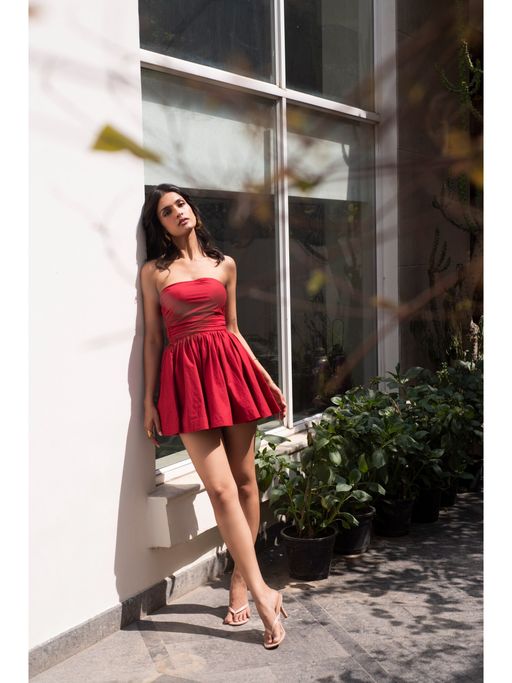
5. Tights and Legwear: The Unsung Heroes
No discussion on styling short dresses year-round is complete without celebrating tights and legwear. They are the practical magic that bridges the gap between a summer frock and a winter-ready ensemble. The options are vast and stylistic: sheer black tights for a classic, polished look; opaque tights in bold colors or patterns for a playful, fashion-forward statement; textured tights like ribbed, cable-knit, or fishnet for added dimension; and thermal or fleece-lined tights for genuine warmth without bulk. This single addition dramatically expands the wearable calendar of any short dress for women. From a practical standpoint, investing in high-quality, denier-appropriate tights is crucial—they are more durable, comfortable, and offer better coverage. The discourse on platforms like Quora and professional fashion blogs often highlights legwear as the key to unlocking winter style without sacrificing favorite pieces. Pair a bright floral dress with black opaque tights and combat boots, and you’ve instantly created an outfit with autumnal grit. This approach brings professional knowledge directly to your closet, proving that style need not be expensive or complicated, but rather intelligent and adaptable.
The journey through the seasons with your short dresses is one of creative reinvention. These five strategies—layering with intent, anchoring with footwear, dialoguing with texture, accessorizing strategically, and embracing legwear—demonstrate that versatility is the ultimate form of style intelligence. Your collection of short dresses for women is not a seasonal capsule but a perennial resource. By applying these principles, you cultivate a wardrobe that is both economically savvy and endlessly expressive, ready to meet any day, any weather, and any occasion with confidence and chic.