

5 Chic Ways to Style Short Dresses for Every Season
Short dresses for women are not merely a seasonal trend; they are a versatile cornerstone of a modern wardrobe, capable of transcending weather and calendar pages with strategic styling. The perception that these dresses are confined to summer is a sartorial myth. With thoughtful layering, fabric consideration, and accessory pairing, a single short dress can be the foundation for countless looks year-round. This guide moves beyond basic advice, delving into the objective principles of color theory, textile science, and design psychology to empower you with five distinct, chic methodologies. We will integrate knowledge from fashion authorities, cultural touchstones, and practical commerce to demonstrate how short dresses for women offer unparalleled flexibility, merging professional insight with accessible style.
1. The Art of Layering: Structured Outerwear for Transitional Climates
The first principle in extending the life of your short dress wardrobe is mastering the art of layering, particularly with structured outerwear. This is not about simply throwing on a jacket; it’s a calculated approach to silhouette and proportion. From a scientific perspective, layering creates microclimates of air between garments, providing insulation—a concept supported by textile engineering principles often cited in resources like the Textile Research Journal. For autumn and spring, consider a tailored blazer or a classic trench coat. A well-fitted blazer, as championed by style icons like Audrey Hepburn and modern influencers on platforms from Vogue’s digital editions to YouTube style vlogs, instantly adds polish and authority to a simple shift or A-line short dress for women. The juxtaposition of the dress’s fluidity with the blazer’s sharp lines creates a dynamic visual tension that is both professional and fashionable. For a more avant-garde take, a leather moto jacket introduces an edge, transforming a floral dress from purely feminine to powerfully chic. The key is in the fit: the outerwear should complement, not overwhelm, the dress’s length. As fashion historian Valerie Steele has noted in her lectures at The Fashion Institute of Technology, the power of a jacket lies in its ability to frame the body and redefine an outfit’s context. This method brings professional knowledge to your closet, allowing you to purchase fewer, higher-quality foundational pieces that work overtime, ultimately offering a discounted price per wear that is both economically and stylistically sound.

2. Textural Dialogue: Knits, Tights, and Boots for Winter Warmth
Dismissing short dresses for women in winter is a missed opportunity for rich, textural storytelling. The second styling method revolves around creating a dialogue between different materials to achieve warmth without bulk. Begin with the dress itself: opt for fabrics with inherent weight and texture, such as wool jersey, velvet, or heavy knit. These materials, as detailed on authoritative fabric sites like MasterClass or Textile School, have better thermal retention properties than lightweight cottons or silks. The real magic, however, happens with the additions. Opaque, high-denier tights are non-negotiable; they provide a base layer of insulation and allow the dress to remain the focal point. Over these, knee-high or over-the-knee boots become both a functional and stylistic powerhouse. This combination—a short dress with substantial boots—creates a leg-lengthening effect while providing physical warmth. It’s a look immortalized in both literature and film; think of the pragmatic yet stylish winter ensembles in Nancy Mitford’s novels or the iconic, boot-clad confidence of characters in metropolitan-set movies. Adding a chunky knit cardigan or a faux shearling coat on top completes the ensemble, creating layers of texture (smooth velvet against ribbed knit, sleek boots against matte tights) that are visually engaging and physically cozy. This approach leverages objective knowledge about material science and historical fashion precedence to create a look that is defiantly warm and undeniably chic.

3. The Power of Proportions: Statement Sleeves and Bold Footwear
Styling is often a game of proportions, and this third method focuses on balancing the shortened hemline of the dress with volume or emphasis elsewhere. This principle finds its roots in the classical art of balance and harmony, often discussed in design theory from sources like the Bauhaus archives or the principles found on Canva’s Design School. One potent way to achieve this is through the strategic use of statement sleeves. A short dress for women with puff, bishop, or dramatic leg-of-mutton sleeves draws the eye upward, creating a balanced silhouette where the volume is distributed between the top and bottom halves. This isn’t mere opinion; fashion psychologists, as referenced in publications like Psychology Today analyses of dress, suggest that eye-catching details near the face can enhance perceived confidence and authority. Similarly, bold footwear can ground the look. A pair of platform sandals, chunky loafers, or ornate ankle boots adds visual weight to the lower half, creating an anchor that makes the short dress feel intentional and modern rather than incidental. This technique allows you to experiment with trends in a controlled manner—investing in a dress with a timeless cut but dramatic sleeves, or a simple sheath that you can redefine season after season with different shoes. It’s a lesson in strategic purchasing: buy the versatile dress, and then bring discounted prices and high impact through selective, trend-driven accessories.
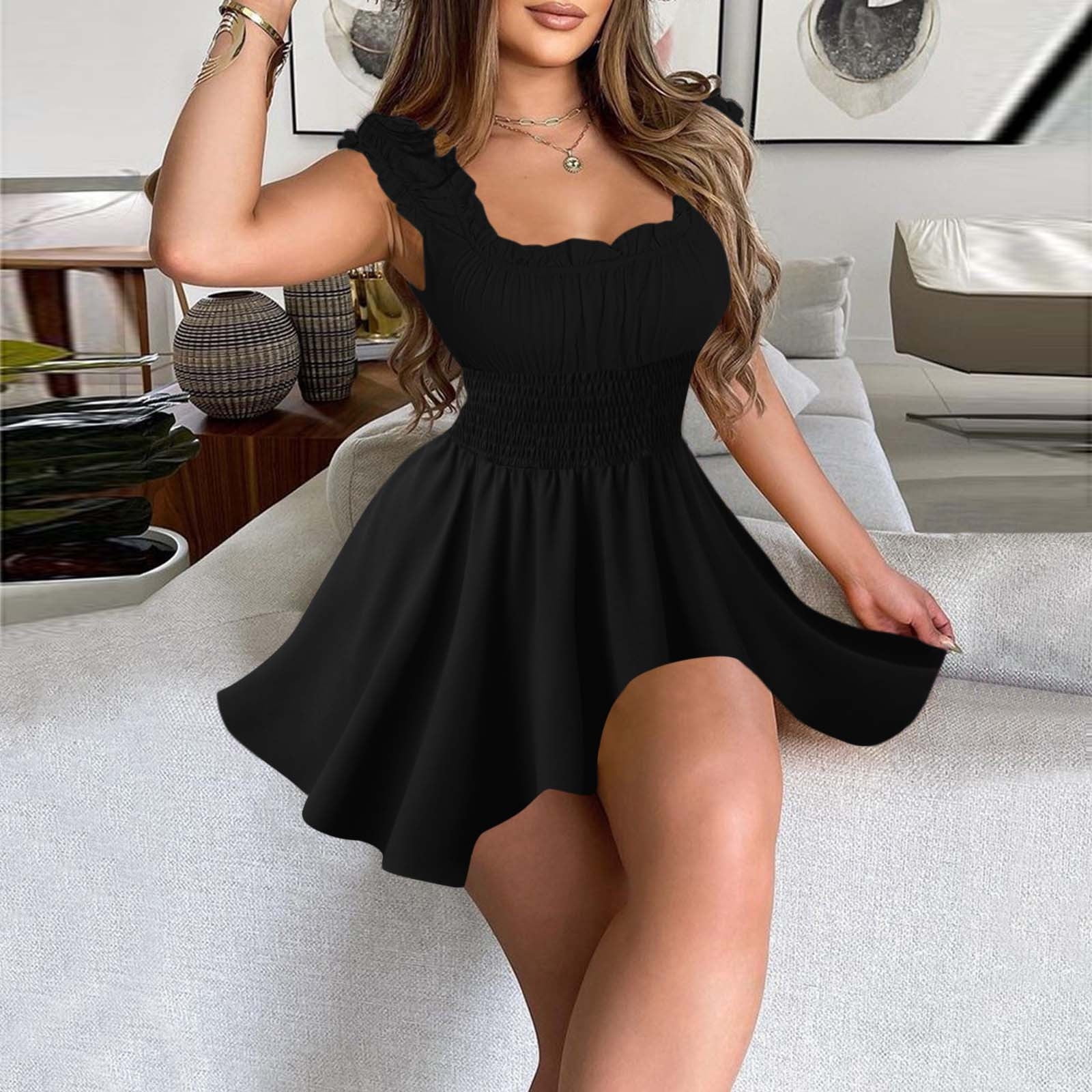
4. Seasonal Color Palettes and Print Clashing
Color is one of the most powerful tools in a stylist’s arsenal, and its scientific and psychological impact is well-documented. Resources from Pantone’s color institute to Wikipedia’s entries on color theory explain how hues influence perception and emotion. The fourth method involves consciously shifting the color and print narrative of your short dresses for women to align with or creatively challenge the seasonal mood. In spring and summer, this might mean embracing the dress in its elemental form: bright hues, pastels, or botanical prints that reflect the natural environment. As fashion designer Diana Vreeland famously quipped, “Pink is the navy blue of India,” highlighting how color context is everything. Come fall, you don’t retire these pieces; you re-contextualize them. Layer a vibrant summer dress in a contrasting print over a turtleneck in a deep, autumnal shade like burgundy or forest green. This practice of “print clashing” or deliberate color blocking, advocated by style websites like Who What Wear and seen on runways from designers like Richard Quinn, creates intellectual visual interest. It demonstrates a sophisticated understanding of how colors interact—complementary, analogous, or triadic schemes—turning a simple dress into a canvas for personal expression. This method is deeply personal and relies on your growing confidence, guided by objective color principles. It proves that the value of a short dress isn’t fixed; it multiplies as you learn to see it as a component in a larger, year-round color story.

5. The Minimalist Anchor: Belts, Bags, and the Third Piece Rule
The final method is rooted in minimalist philosophy and the universally acknowledged “third piece rule” often cited by stylists on platforms from Quora to professional fashion courses. The rule suggests an outfit becomes complete with a third key element beyond the basic top and bottom (or, in this case, the dress itself). For a short dress for women, this third piece is often a strategic accessory that defines the silhouette and adds a point of focus. A belt is perhaps the most transformative. Cinching a loose-fit or shift dress at the waist immediately creates shape and proportion, referencing the iconic silhouettes of the 1950s and the clean lines of minimalist designers like Jil Sander. The choice of belt—a wide leather corset belt for a dramatic effect, a thin chain belt for subtle definition—alters the dress’s entire character. Similarly, a statement bag or a structured hat can serve as this anchoring third piece. The objective here is curation over accumulation. As Marie Kondo’s philosophy of sparking joy intersects with sustainable fashion advocacy, the goal is to have a few high-quality, versatile dresses and a collection of intentional accessories that redefine them. This approach inherently brings discounted prices in the long run, as it promotes a mindful, capsule-like wardrobe where every piece, especially your core short dresses, works exponentially harder.
The journey through these five methods illustrates that short dresses for women are far from a limited garment. They are a starting point, a blank slate adaptable to temperature, occasion, and personal evolution. By applying principles of layering, texture, proportion, color theory, and minimalist accessorizing—principles backed by design science, historical precedent, and contemporary expert commentary—you unlock a year-round repertoire. The true chic lies not in an endless closet, but in the intelligent, creative application of knowledge to the versatile pieces you already own.