

5 Chic Ways to Style Short Dresses for Every Season
Short dresses for women are not merely a seasonal fling; they are a cornerstone of a versatile wardrobe, capable of transcending weather and trends with strategic styling. The common misconception is relegating them solely to summer’s domain. This article dismantles that notion, presenting five distinct, chic methodologies to integrate short dresses for women into your style lexicon all year round. We will move beyond superficial advice, delving into the principles of layering, texture play, and accessory alchemy, supported by objective insights from fashion theory and cultural commentary. The goal is to empower you with knowledge that turns a single dress into a multitude of expressions.
1. The Art of Strategic Layering: From Breezy to Cozy
The most powerful tool in adapting short dresses for women for cooler months is layering, a practice deeply rooted in both functionality and fashion history. The Japanese concept of “Fukinsei,” or asymmetry and irregularity, often observed in layered kimono styles, informs modern layering—it’s about balanced imbalance. Begin with your foundational dress. A sleeveless or short-sleeved shift or bodycon style works perfectly. The first layer could be a fitted, high-neck knit top or a crisp button-down shirt worn underneath, creating a collar-and-cuff detail that adds sophistication and warmth. This technique, famously utilized by stylists for celebrities like Olivia Palermo, adds a preppy, intellectual twist. The second, outer layer is where seasonal adaptation truly occurs. For autumn, a tailored blazer or a leather moto jacket introduces structure. Fashion historian Valerie Steele, in her works for The Museum at the Fashion Institute of Technology, has noted how the blazer evolved from menswear to become a symbol of empowered womenswear, making it a perfect counterpoint to the femininity of a short dress. In winter, swap the blazer for a long-line wool coat or a puffer jacket. The key is proportion: the outer layer should ideally be longer than the dress hem, creating a vertical line that elongates the silhouette. This juxtaposition of short and long is a principle often cited in design courses at authoritative institutions like Central Saint Martins, emphasizing visual interest and dynamic proportion. Don’t forget the legs—opaque tights, textured knee-high socks, or even sleek leggings become functional accessories that complete the thermal and stylistic equation.

2. Texture and Fabric Alchemy: Defining the Seasonal Mood
Fabric is the language of seasonality. A silk slip dress speaks of summer nights, but that same silhouette in velvet or corduroy whispers of winter festivities. The objective science of textiles provides a clear guide: thermal insulation properties, weight, and weave dictate a fabric’s seasonal suitability. To style short dresses for women year-round, consciously select or accentuate dresses based on their material composition. For spring and summer, embrace breathable, lightweight fabrics like linen, cotton poplin, and chambray. Linen, as documented on platforms like Wikipedia for its derived from the flax plant and excellent moisture-wicking properties, is ideal for humidity. The aesthetic here is airy and relaxed. As temperatures drop, pivot towards fabrics with inherent warmth and visual weight. Wool jersey, cable-knit cotton, velvet, and faux shearling become your allies. Velvet, with its unique light-catching pile, has a rich history in European royalty and eveningwear, adding instant opulence to a simple short dress. Furthermore, the principle of tactile contrast, championed by designers like Missoni, can be applied through accessories. Pair a smooth, satin short dress with a chunky, hand-knitted cardigan or a suede boot. This mix of textures—matte vs. shiny, smooth vs. nubby—creates depth and sophistication. It’s a technique frequently analyzed on fashion critique websites like Business of Fashion, which highlight how texture adds a sensory dimension to visual appeal, making an outfit compelling and seasonally appropriate.

3. Footwear as the Seasonal Anchor
Your choice of footwear can single-handedly moor a short dress to a specific season. This is less about arbitrary rules and more about visual weight, coverage, and material synergy. In warmer months, sandals, espadrilles, and sleek sneakers promote a feeling of lightness and freedom. A strappy sandal elongates the leg line, complementing the dress’s abbreviated hem. However, the transformative power is most evident in cooler weather. Ankle boots, perhaps the most versatile item, bridge the gap between summer and fall seamlessly. As style icon Alexa Chung once noted in an interview, “A good ankle boot can make almost anything look cooler.” For deep winter, knee-high or over-the-knee boots are not just practical but profoundly chic. They create a “leg column” effect, with only a flash of thigh showing between the boot top and the dress hem. This look, popularized by fashion icons in the 1960s and revisited consistently on runways, offers both warmth and a powerful silhouette. The material of the boot further refines the seasonal message: suede for autumn, polished leather for winter, and perhaps even a waterproof material for rainy springs. From a practical standpoint, investing in quality boots from brands known for craftsmanship (often available at discounted prices during end-of-season sales) ensures this key anchor piece lasts for years, making your short dresses for women perpetually season-ready.
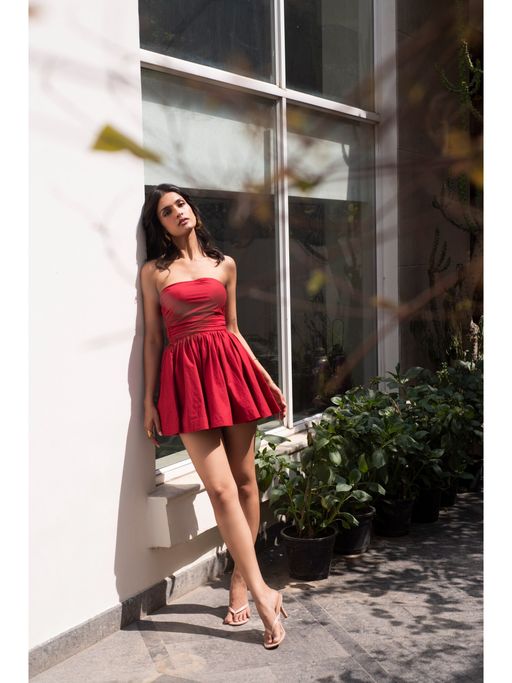
4. The Accessory Ecosystem: Scarves, Hats, and Beyond
Accessories are the punctuation marks of an outfit; they define its tone and season. A short dress provides a clean canvas upon which to build an entire accessory ecosystem. For cold weather, a substantial scarf is paramount. Opt for a large wool, cashmere, or faux-fur wrap. The technique of draping—whether looped once or styled in an infinity style—adds volume and warmth around the neck and shoulders, balancing the exposed legs. Hats are equally transformative. A wide-brimmed felt hat in autumn references a romantic, pastoral feel, while a sleek beanie in winter adds an urban, practical edge. As costume designer for films like “The Great Gatsby,” Catherine Martin, demonstrates, accessories are key to establishing era and character mood. Belts are another critical tool. Cinching a loose-fitting short dresses for women with a wide belt over a layer of a sweater or coat defines the waist, preventing bulkiness—a common concern when layering. In warmer seasons, the accessory strategy shifts to statement jewelry, woven bags, and sunglasses. The underlying principle, often discussed in Quora fashion threads and by YouTube stylists like Audrey Coyne, is “seasonal materiality.” Leather, felt, wool, and metals like gold and brass feel autumnal; straw, raffia, linen, and silver feel summery. By curating your accessories with this material awareness, you instinctively root your short dress outfit in its appropriate time of year.

5. Tights and Legwear: A Canvas for Color and Pattern
Never underestimate the power of legwear to redefine a short dress. Opaque tights are the most straightforward solution for winter, but to elevate the look, view them as an independent style element. Fashion literature from universities like Parsons School of Design teaches the use of color blocking and pattern mixing. Instead of defaulting to black, try charcoal grey, navy, or even a deep burgundy tights to add a subtle yet sophisticated color dimension. Patterned tights—such as fine herringbone, subtle polka dots, or opaque lace textures—introduce a layer of detail and personality. They harken back to the playful styling of the 1960s mod fashion, where patterned tights were a signature. For a more avant-garde approach, layer socks over tights, or wear knee-high socks with loafers or boots. This creates a collegiate, layered look that is both warm and stylish. The psychological impact is significant; as noted in various style psychology articles, covering the legs while keeping the short dress silhouette maintains a sense of youthfulness and energy, even in the depths of winter. It challenges the seasonal norm without sacrificing comfort. This approach makes your collection of short dresses for women endlessly adaptable, ensuring you get maximum wear and stylistic return from every piece in your closet, a smart strategy for both personal style and budget-conscious dressing.

The versatility of the short dress is a sartorial fact, not just an opinion. By mastering layering as an architectural practice, understanding the language of fabrics, using footwear and accessories as intentional seasonal anchors, and reimagining legwear as a creative canvas, you unlock a year-round wardrobe centered on this single, powerful garment. It’s an approach that blends historical fashion principles with modern practicality, allowing personal style to flourish irrespective of the thermometer. The true chic lies not in having a closet for every season, but in possessing the knowledge to make one piece work for them all.