

A Guide to Cup Bra Sizes and Comfort
Finding the right bra is not merely a matter of fashion; it is a fundamental component of daily comfort, posture, and self-assurance. The journey often begins and ends with understanding cup bra sizes, a system that, while standardized, remains shrouded in confusion for many. This guide aims to demystify that system, moving beyond the tape measure to explore the science of support, the psychology of fit, and the practical knowledge that bridges the gap between a label and true comfort. We will navigate through the anatomy of a bra, the variables of body morphology, and the often-overlooked signs of an incorrect fit, arming you with the objective information needed to make empowered choices. Forget vague notions of “understanding” or broad conclusions; consider this a direct map to a more comfortable you.
The Anatomy of a Bra and the Science of Sizing
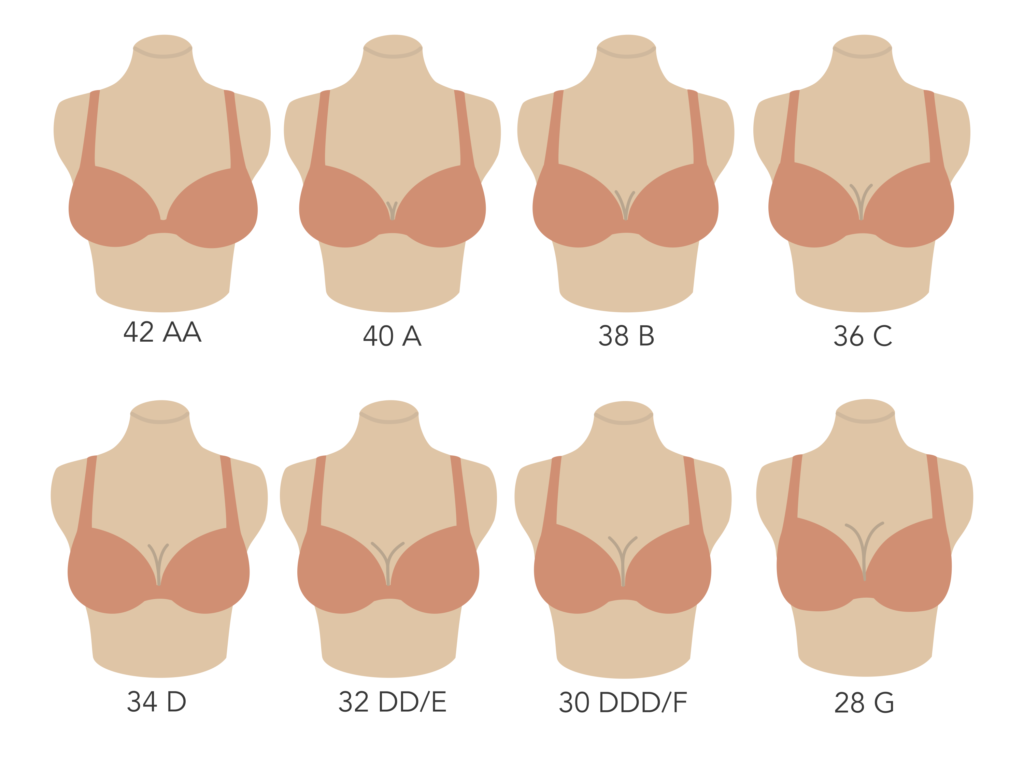
To comprehend cup bra sizes, one must first dissect the bra itself. A typical underwire bra consists of several key components: the band, the cups, the center gore, the underwire, and the straps. Each plays a critical role. The band provides the foundational support—approximately 80% according to lingerie experts and biomechanics studies from institutions like the University of Portsmouth’s Research Group in Breast Health. The cups are designed to encapsulate breast tissue fully, with the letter (A, B, C, D, etc.) denoting the volume difference between the bust and underbust measurements. The center gore should lie flat against the sternum, a clear indicator of proper band tension and cup depth. The underwire should encircle the entire breast root without resting on tissue, and the straps should offer only minor, stabilizing support. The common misperception, as noted on platforms like Quora and in consumer surveys, is that straps are responsible for lift. In reality, a properly fitted band renders the straps almost superfluous for support. This scientific breakdown is crucial because misalignment in any one component disrupts the entire system, leading to discomfort, poor posture, and even chronic pain. The numerical band size (e.g., 34, 36, 38) and the alphabetical cup size are interdependent; a change in one necessitates a reevaluation of the other, a concept known as “sister sizing.”
:max_bytes(150000):strip_icc()/how-to-measure-bra-size-chart-cup-size-finder-05f3c49d140c45acbf99d7ff16307e0d.jpg)
Beyond the Tape Measure: The Variables of Fit
While a starting point, two tape measurements are insufficient for a perfect fit. The system of cup bra sizes is a static grid applied to dynamic, three-dimensional bodies. Breast shape is a variable as critical as size. Terms like “full on top,” “full on bottom,” “wide-set,” or “close-set” describe the distribution of breast tissue, concepts widely discussed by fit specialists on YouTube channels and in forums like Bratabase. A bra designed for a shallow root (where tissue is spread over a larger area of the chest wall) will gap on someone with a projected shape (where tissue extends outward more), even if they technically share the same cup volume. Furthermore, asymmetry is the rule, not the exception. Most individuals have one breast slightly larger than the other, a fact acknowledged in medical literature and fitting guides. The rule is to fit the larger breast to avoid constriction and potential tissue damage. Material and construction also matter immensely. A seamless, molded cup may provide a smooth silhouette but lack the flexibility to adapt to your unique shape, while a seamed, lace cup can offer superior projection and customization. The lifecycle of a bra is another factor; fabrics stretch over time, meaning your “size” is not a permanent tattoo but a range that shifts with weight fluctuations, hormonal changes, and the natural aging of the garment itself.
The Telltale Signs of a Misfit and Their Implications
Your body provides constant, clear feedback on your bra’s performance. Persistent red marks are a common signal, but it’s the location and nature that matter. Light marks that fade within an hour are typical of elastic. Deep, painful grooves in the shoulders, however, scream that the straps are overcompensating for a too-loose band. The “band ride-up” is a classic culprit: if the band creeps toward your shoulder blades, it is too large and has lost its supportive foundation. Spillage—whether “quad-boob” over the top of the cup or tissue escaping under the arms—indicates a cup that is too small or shallow. Conversely, gaping, often mistaken for a too-large cup, can actually signal a cup that is too small or the wrong shape; the breast is pushing the cup away because it cannot fully enter it. As author and body image researcher Dr. Sarah E. Hill has noted in her work, the psychological impact of constant physical discomfort and a distorted silhouette should not be underestimated. It can subtly erode confidence and contribute to a sense of being at odds with one’s own body. Recognizing these signs is the first step in reclaiming both comfort and confidence, moving you closer to the ideal of perfectly suited cup bra sizes.
Navigating Styles and Professional Knowledge
Armed with knowledge of fit, the world of bra styles becomes a toolkit rather than a maze. Each style serves a distinct purpose. The ubiquitous full-cup bra offers maximum coverage and support, ideal for larger busts or those seeking a minimized, secure feel. As seen in collections from brands like Camille, a full-cup design often features reinforced seaming and wider side panels to distribute weight evenly. The demi-cup or balconette, by contrast, cuts across the upper part of the breast, creating a lifted, rounded shape that works well with lower necklines. For seamless versatility, the T-shirt bra with its molded, smooth cups is indispensable. Then there are specialized styles: plunge bras for deep V-necks, sports bras with encapsulation or compression engineering for high-impact activities, and bralettes for unstructured comfort. Professional fitters, whose expertise is often shared on platforms like Reddit’s r/ABraThatFits, emphasize that no single style is universally “best.” The optimal choice is a marriage of your size, shape, and the outfit or activity of the day. This is where professional knowledge translates directly to personal benefit, saving you from the costly trial-and-error of purchasing ill-fitting garments.

Investing in Comfort: Value Beyond the Price Tag
It is a pervasive myth that a quality, well-fitting bra must be exorbitantly expensive. While expert craftsmanship, durable materials, and sophisticated design from renowned brands command a price, value is found in the cost-per-wear and the intangible benefit of daily comfort. The real financial drain is the repeated purchase of cheap, poorly constructed bras that lose shape, poke with broken wires, or simply fail to fit within months. Seeking out sales, outlet stores, and subscription services that offer first-purchase discounts is a savvy strategy. More importantly, investing in two or three perfectly fitted bras that you rotate is vastly superior to a drawer full of misfits. This rotation allows the elastic in each bra to recover, dramatically extending its lifespan. As entrepreneur and style commentator Tim Gunn famously advocated, “Fit is the foundation of style.” A bra that fits is an investment in the way every other garment hangs on your frame. It is the unseen engine of a polished appearance and physical ease. When you find those perfect cup bra sizes and styles, they cease to be mere underwear and become essential, empowering infrastructure.
The pursuit of the perfect bra is a practical and personal revolution. It moves past arbitrary letters and numbers into a nuanced understanding of your own form. It listens to the feedback of red marks and shifting straps, and it recognizes that the right cup bra sizes are a dynamic equation of measurement, morphology, and material. This knowledge is not concluding a search, but rather equipping you for an ongoing conversation with your body and your wardrobe. It is the difference between enduring an undergarment and enjoying a foundation of support. Start with the tape measure, but let your comfort have the final word.