

Flattering Curvation Bras for Effortless Everyday Confidence
Imagine starting your day with a foundation of comfort so profound it becomes invisible, and support so intuitive it feels like a second skin. This isn’t a luxury reserved for special occasions; it’s the daily reality made possible by the right undergarment. The quest for everyday confidence often begins with what we wear closest to us, and for countless individuals, the answer has been found in a specific category of intimate apparel: curvation bras. These are not merely pieces of fabric with straps; they are engineered solutions designed to harmonize with the natural contours of the body. The term “curvation” itself implies a celebration and accommodation of shape, moving beyond the rigid, one-size-fits-all mentality of the past. A well-designed bra can transform your posture, silhouette, and, most importantly, your self-perception. It’s the unseen armor that equips you to face the world with poise, turning inner assurance into an outward, effortless reality. This article delves into how the principles of design, material science, and biomechanics converge in modern curvation bras to provide not just support, but a genuine uplift in daily confidence.
The Science of Support: Beyond the Hook and Eye
To appreciate the innovation behind contemporary curvation bras, one must first understand the biomechanics they address. The human torso, particularly the thoracic region and breast tissue, is a dynamic structure subject to gravitational pull and movement forces. According to research from institutions like the University of Portsmouth’s Research Group in Breast Health, unsupported movement during daily activities can lead to discomfort and potential long-term issues. A bra’s primary function is to manage this kinetic energy. Traditional bras often provided support through tension—pulling straps and tight bands. Modern curvation bras, however, utilize principles of load distribution and anatomical mapping. The underwire, when present, is not a rigid cage but a carefully shaped channel that follows the inframammary fold, transferring weight from the delicate glandular tissue to the stronger skeletal frame of the ribcage. The cup construction employs multi-part seaming or seamless molding that mirrors the three-dimensional form, offering encapsulation rather than compression. This scientific approach ensures that support is active and adaptive. As noted by lingerie technologists, the goal is “mechanical harmony,” where the bra works with the body’s movements during a commute, at a desk, or chasing after a bus, not against it. This engineering transforms the bra from a passive garment into an active participant in your daily comfort, laying a factual, physiological foundation for the feeling of being effortlessly held and secure.
Anatomy of a Confidence-Garment: Deconstructing the Curvation Bra
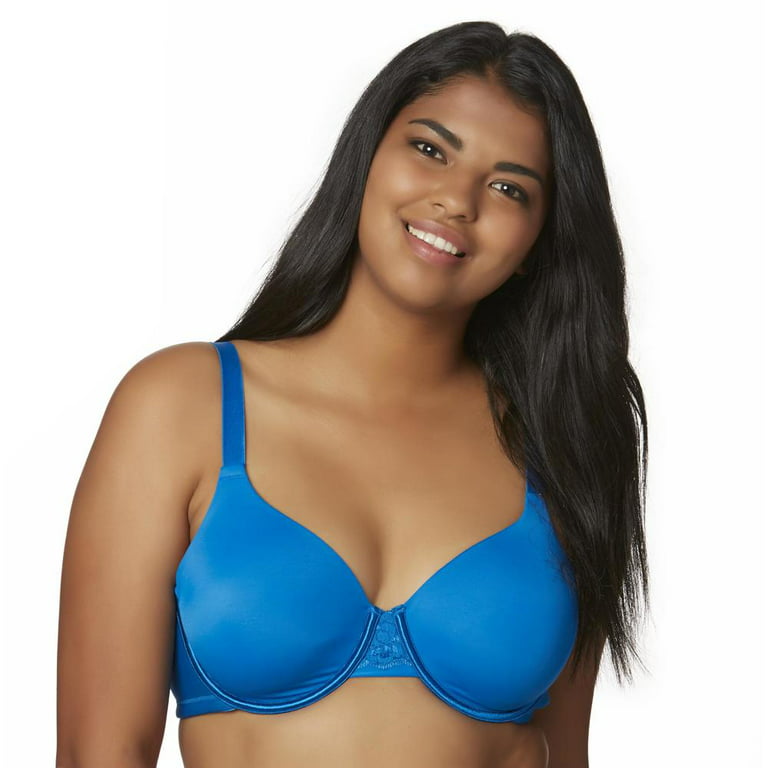
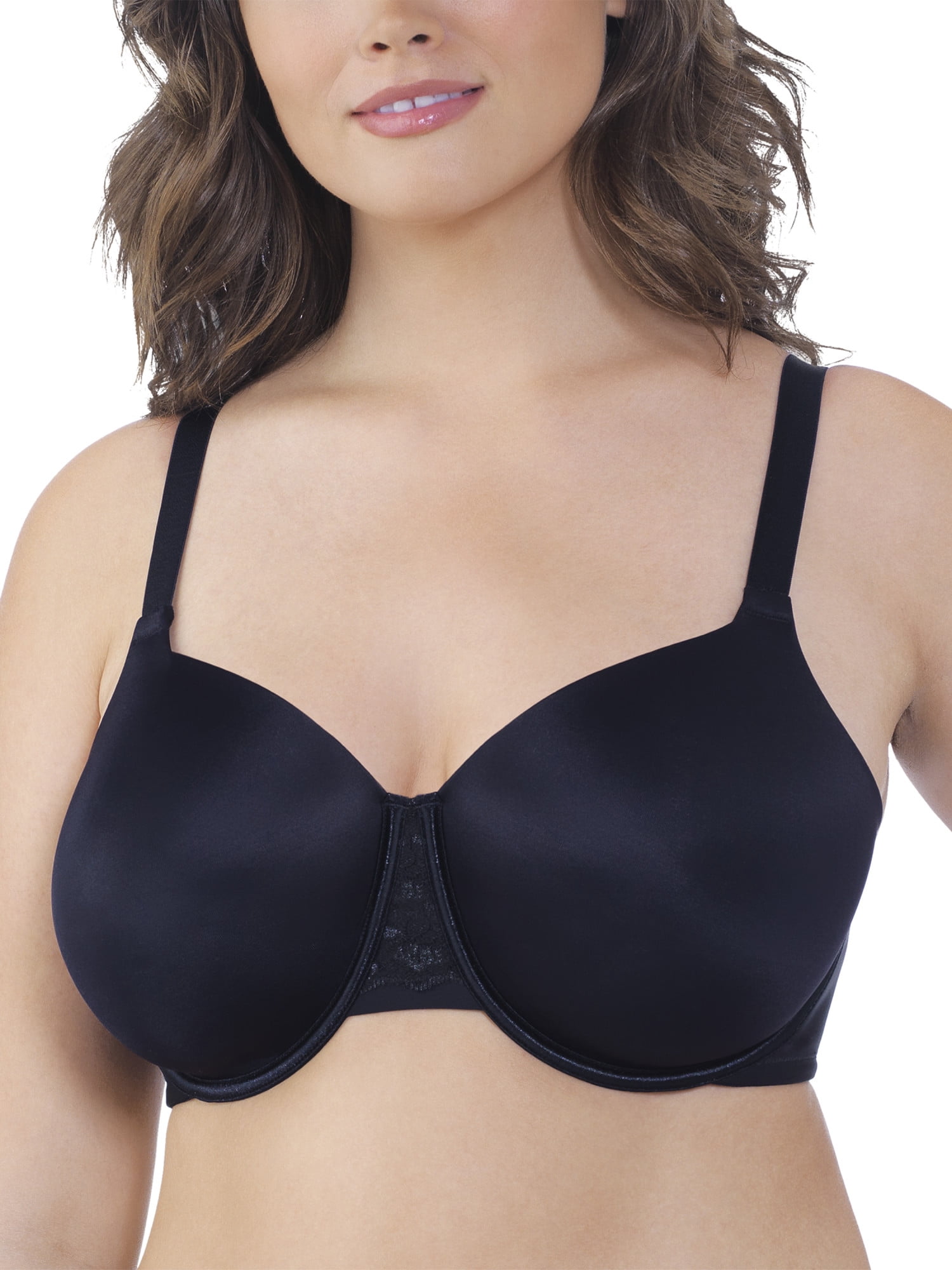
What specific elements coalesce to create this effect? Let’s deconstruct the anatomy of a typical high-quality curvation bra. First, the band: constituting nearly 80% of the support, modern bands are wide, often using power-mesh or elasticated materials with memory foam at the closure to prevent digging. They act as a stable, forgiving foundation. Second, the cups: whether seamless uni-mold or constructed with multiple panels, they are designed for “projection” and “center fullness,” terms used in bra fitting to describe how breast tissue is accommodated forward and inward, preventing spillage and creating a smooth line under clothing. Many incorporate lightweight padding or contouring that enhances shape without adding bulk. Third, the straps: wide, cushioned, and fully adjustable, they are positioned to align with the natural slope of the shoulders, dispersing weight over a larger area to eliminate painful grooves. Fourth, the materials: advanced microfibers, moisture-wicking fabrics, and breathable linings are standard. These technical fabrics, as explained on authoritative textile websites, regulate temperature and reduce skin irritation, making the bra wearable for extended periods. Finally, the aesthetic details: lace overlays, sleek neutrals, or vibrant colors are integrated in ways that do not compromise function. This meticulous construction isn’t about creating an exaggerated silhouette; it’s about achieving a natural, lifted, and unified profile. When these components work in concert, the wearer experiences a literal and figurative lift—the garment disappears in terms of discomfort but remains present in terms of its confidence-boosting effect.
The Psychological Thread: How Fit Influences Mindset
The connection between clothing and psychology is well-documented. Scholars from fields like embodied cognition suggest that what we wear influences how we think and feel. A bra that fits poorly—digging, pinching, or failing to support—serves as a constant, low-grade source of somatic stress, a reminder of physical discomfort that can subtly drain mental energy and foster self-consciousness. Conversely, a perfectly fitted curvation bra operates on a principle of “unconscious competence.” Once put on, it requires no further thought or adjustment. This liberation from physical distraction is profound. It allows cognitive resources to be fully directed outward—toward a work presentation, a creative pursuit, or enjoying a social interaction. Fashion psychologist Dr. Dawnn Karen, in her work on “dopamine dressing,” argues that wearing items that make us feel put-together and comfortable can trigger positive emotional responses. The confidence derived from a smooth silhouette under a favorite shirt or a close-fitting dress is not vanity; it’s a form of self-efficacy. As the famous stylist and author Stacy London once stated in an interview, “The right undergarments are the infrastructure of your outfit. You can’t build a stable house on a shaky foundation. When your foundation is secure, you stand differently, you move differently, and you project a completely different energy to the world.” This sentiment captures the essence perfectly: the right bra is the first, most intimate step in crafting your personal presence for the day.
From Specialty to Staple: The Evolution of Inclusive Design
The journey of the curvation bra from a niche product to an everyday staple mirrors a broader shift in the fashion and intimate apparel industry toward inclusivity and realism. For decades, bra marketing often showcased a single, idealized body type. Today, driven by consumer demand and advocacy, brands focus on a spectrum of shapes and needs. This evolution is grounded in data and diverse voices. On platforms like Quora and Reddit’s ‘ABraThatFits’, thousands of discussions demystify fit, sharing personal experiences that highlight the transformative power of finding the right style, such as a balconette for wide-set fullness or a full-coverage bra for softer tissue. Literature from the Cornell University Human Ecology department emphasizes “functional design” that prioritizes the wearer’s lived experience over arbitrary aesthetic standards. Furthermore, certified celebrity opinions on social media have played a role. When figures like Jameela Jamil or Katie Sturino discuss their own journeys with finding comfortable, supportive bras for different body types, it validates the experience for millions and pushes brands to innovate. The modern curvation bra is a product of this dialogue—it embodies the idea that design should serve the body, not force the body to conform to the design. This paradigm shift means that features like side-support panels, stretch-lace tops on cups for flexibility, and bandless designs for tummy comfort are now expected, not exceptional, making effortless confidence an accessible goal for a much wider audience.
Curating Your Foundation: A Practical Guide to Selection
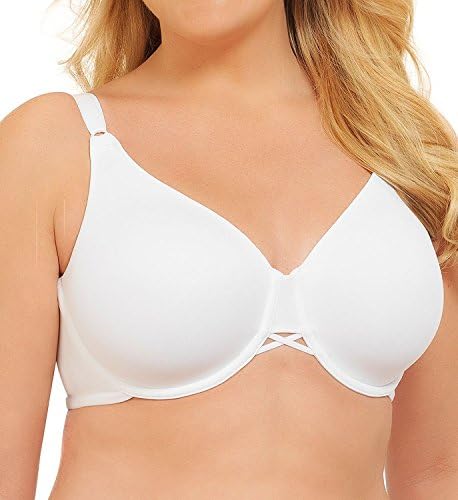
Knowing the “why” leads naturally to the “how.” Selecting your ideal bra is a personal process, but guided by a few key principles, it can be simple and rewarding. First, prioritize fit over size. The alphanumeric tag (e.g., 34C) is a starting point, not a decree. You should start with a professional fitting or use the detailed self-measurement guides available from reputable sources. Second, assess your everyday needs. Are you mostly at a desk? A seamless, lightly padded style may be perfect. More active? Look for secure encapsulation and wide, non-slip straps. Third, feel the materials. The fabric against your skin should feel soft and non-abrasive. Run your fingers along the seams—are they flat and smooth? Fourth, perform the movement test. In the fitting room, bend forward, stretch your arms overhead, and twist side-to-side. The bra should stay in place, with the center gore lying flat against your sternum and the underwire (if any) enclosing all tissue without pinching. Finally, consider your wardrobe. A neutral-toned bra is a versatile workhorse. Remember, investing in two or three perfectly fitting bras that you rotate is far better for the garment’s longevity and your comfort than a drawer full of ill-fitting options. This process isn’t a chore; it’s an act of self-care. It’s about choosing a tool that will work for you silently and consistently, day in and day out.
The Value Proposition: Where Professional Knowledge Meets Accessible Price
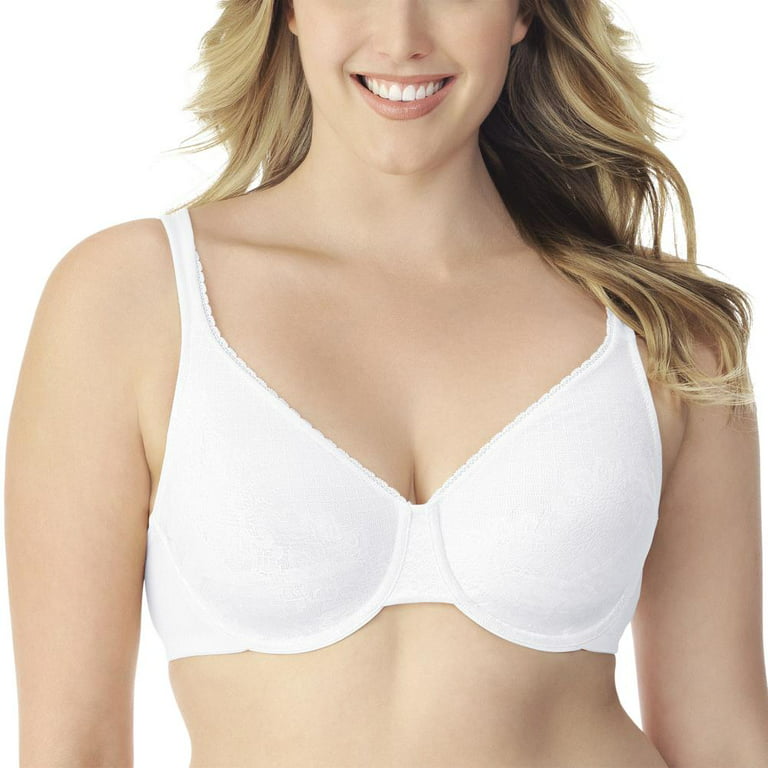
One might assume that such sophisticated design and psychological benefit come with a prohibitive cost. This is a misconception the modern market is actively dispelling. The democratization of intimate apparel knowledge—through fit guides, online communities, and transparent brand education—has empowered consumers to make informed choices. Furthermore, many brands now successfully bridge the gap between professional-grade engineering and affordability. They achieve this through direct-to-consumer models, efficient supply chains, and focusing investment on material and construction quality rather than excessive marketing markup. The result is that you can access bras featuring moisture-wicking fabric, precision stitching, and ergonomic design without a luxury price tag. This is the true value proposition: professional knowledge about your body’s needs, coupled with products offered at a discounted, accessible price point. It means that the confidence derived from a perfect fit is not a privilege but a practical, attainable standard for everyday life. You are not paying for a label; you are investing in a daily experience of comfort and assurance, a foundational piece that enhances everything you wear over it and, by extension, everything you do.
The journey toward effortless everyday confidence is both internal and external. It begins with acknowledging that the structures we choose to support us, down to the most intimate layer, have a profound cumulative effect. A curvation bra, in its ideal form, is a synthesis of science, design, and empathy. It represents a commitment to meeting the body where it is, with all its unique curves and rhythms, and providing a foundation of unwavering support. This isn’t about creating an illusion for others; it’s about crafting a reality of comfort and assurance for yourself. When you feel securely and comfortably held, you are free to move through your world with a lighter step and a steadier gaze. That is the ultimate promise—not just of a garment, but of a choice to make confidence an effortless, everyday habit.