

Mastering the Art of Shift Dresses for Every Season
In the ever-evolving landscape of fashion, few garments offer the timeless versatility and effortless elegance of the shift dress. Its clean lines and simple silhouette serve as a blank canvas for personal expression, adapting seamlessly to the shifting moods of the calendar. This is not merely about owning a dress; it is about cultivating a wardrobe philosophy centered on adaptability, confidence, and intelligent style. The true art lies in understanding how to select, style, and cherish this piece through spring’s bloom, summer’s heat, autumn’s crispness, and winter’s chill, transforming a single concept into a year-round sartorial companion.
The Architectural Foundation: Understanding the Shift Silhouette
To master its application, one must first appreciate its architecture. The shift dress is defined by its straight, narrow cut, typically hanging straight down from the shoulders without a cinched waist. Its origins are often traced to the 1920s flapper era, a symbol of liberation from restrictive corsetry, but it was crystallized as a modern wardrobe staple by designers like Cristóbal Balenciaga in the late 1950s and popularized by icons such as Audrey Hepburn and Jacqueline Kennedy. As the Victoria and Albert Museum notes, this silhouette represented a move towards “comfort and simplicity” in womenswear, prioritizing form and fabric over ornate structure. This historical context is crucial; the shift’s power derives from its democratic shape. It doesn’t dictate the body’s form but rather skims it, creating a chic, architectural line that flatters a wide range of figures. This objective design principle—a garment that hangs from the shoulders—is what grants it such seasonal flexibility. Whether rendered in linen or wool, its fundamental geometry remains a constant, a stable foundation upon which seasonal variations are built.

Spring: A Canvas for Renewal and Pattern
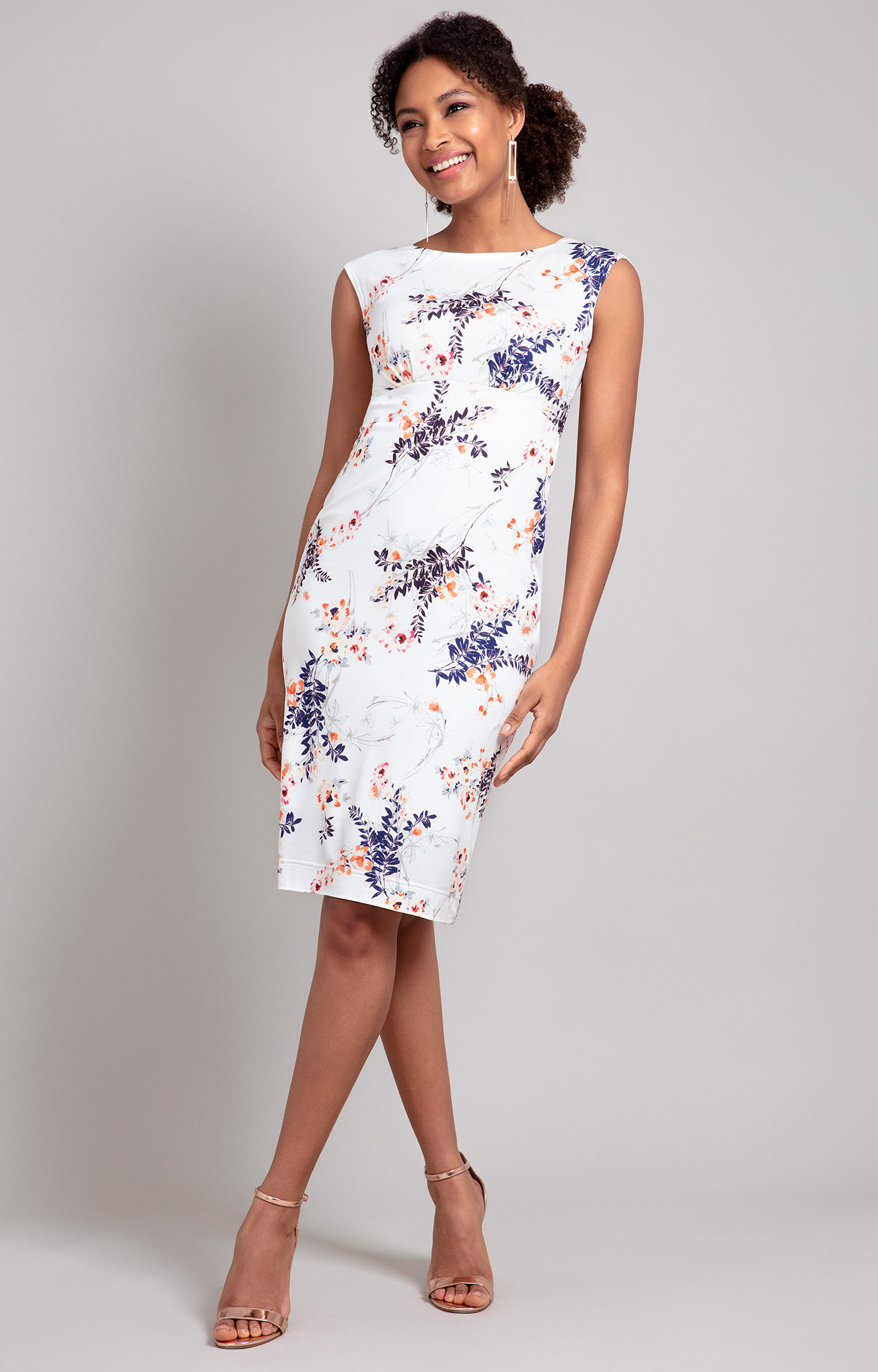
As the world awakens, your approach to the shift dress should follow suit. Spring calls for a shift in texture and tone. This is the season for lighter fabrics like cotton poplin, soft jacquards, or silk blends that allow for movement and breath during unpredictable temperatures. The color palette naturally leans towards pastels—soft lavender, sky blue, mint green—or vibrant botanical prints. A floral-printed shift dress, for instance, directly mirrors the season’s blossoming environment. Styling for spring is an exercise in layered adaptability. Consider the wisdom of stylist and author Allison Bornstein, who advocates for the “third piece” rule to complete an outfit. A simple, sleeveless shift becomes a spring masterpiece when layered with a tailored blazer in a complementary neutral or a lightweight, contrasting cardigan. Footwear shifts from boots to sleek ballet flats or low-block heels, and accessories like a woven tote or a delicate scarf add a seasonal touch. The spring shift is optimistic and fresh, a direct sartorial response to longer days and renewed energy.
Summer: The Epitome of Effortless Cool
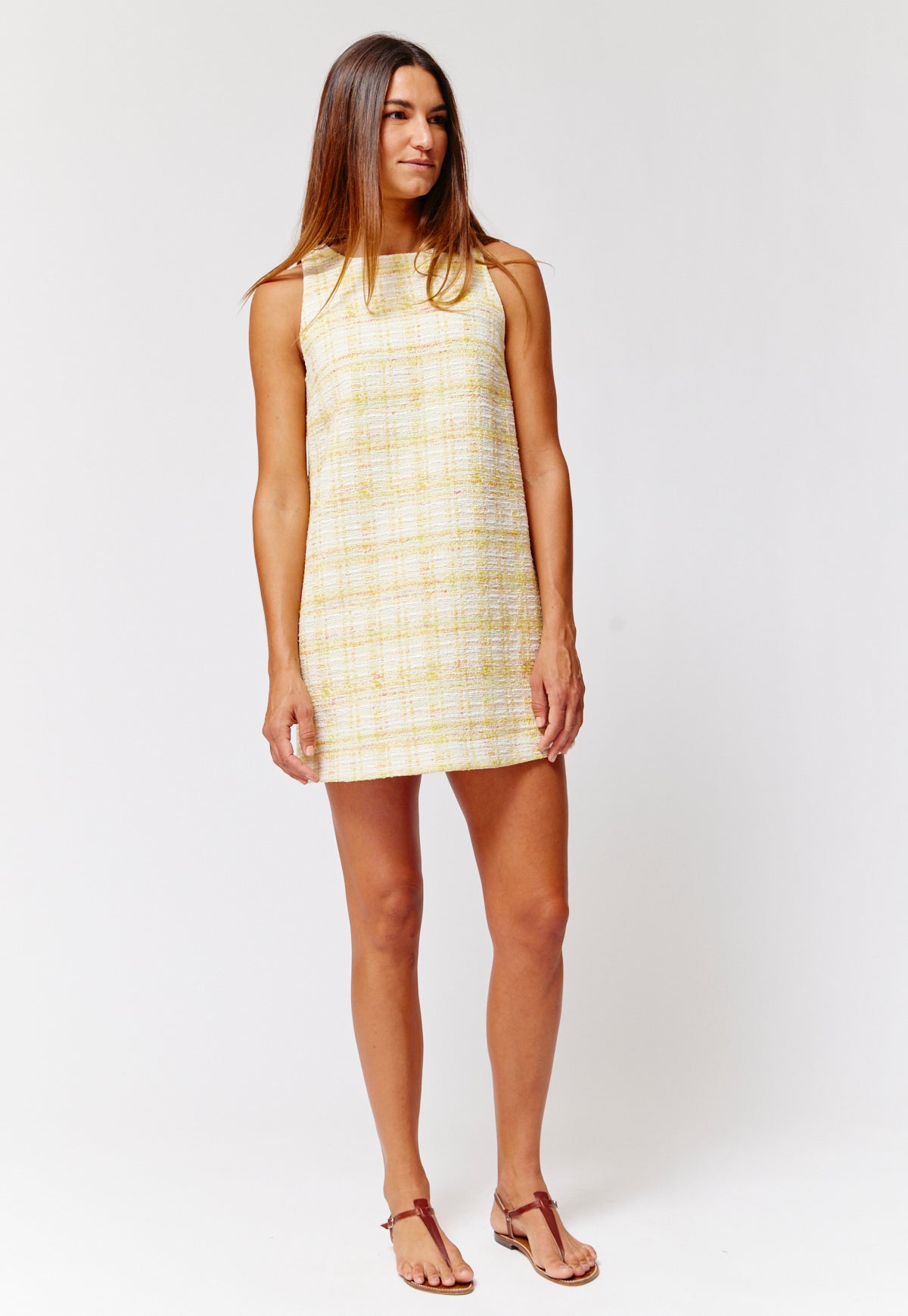
Summer is where the shift dress truly shines as a hero piece of practicality and style. The goal here is maximum coolness and minimal fuss. Fabrics must be paramount: seek out breathable linen, crisp cotton voile, or moisture-wicking technical blends. A-line shifts or those with slight pleating allow for air circulation, making them superior to tighter silhouettes in heat. The scientific principle at play is simple: loose-fitting garments promote convective heat loss, as noted in textile science literature from institutions like the University of Manchester. Opt for light colors which reflect, rather than absorb, solar radiation. A pristine white linen shift is a summer uniform unto itself. Styling is beautifully straightforward—throw it on with sandals and sunglasses. Yet, for evening, the same dress can be elevated with statement jewelry, a bold lip, and wedge espadrilles. The summer shift is about embracing simplicity, allowing you to focus on experience rather than outfit maintenance, proving that looking polished need not be complicated.
Autumn: A Study in Texture and Layering
When the air turns crisp, the shift dress evolves from a standalone piece to the central component of a layered ensemble. This is the season for rich textures and deeper hues. Think wool crepe, bouclé, corduroy, or mid-weight jersey. Colors shift to earthy terracotta, forest green, navy, and camel—tones that reflect the changing foliage. The artistry of autumn styling lies in strategic layering, a concept championed by Japanese fashion culture, particularly the principle of “Fukinsei” (asymmetry) and “Shizen” (naturalness) in layering. A sleek turtleneck or a fine-gauge roll-neck sweater worn underneath a sleeveless shift creates a sophisticated, cozy silhouette. Alternatively, layer a long-sleeved shift over a collared shirt for a preppy, intellectual vibe. Outerwear becomes key: a tailored wool coat, a leather jacket, or a long-line blazer complements the dress’s straight lines perfectly. Footwear transitions to ankle boots or loafers, and tights in opaque or sheer textures add warmth without sacrificing style. The autumn shift is intellectual and tactile, an invitation to play with proportion and material.
Winter: Defying the Cold with Strategic Insulation
Mastering the shift dress in winter is the ultimate test of sartorial ingenuity, proving its true year-round capability. The focus shifts entirely to fabric weight and insulating layers. Winter-appropriate shifts are crafted from heavy wool, melton, cashmere blends, or thick, structured knits. Darker colors like charcoal, black, or burgundy are both seasonally appropriate and slimming. The critical technique is insulation without bulk. Start with a base layer of thermal wear—modern fabrics like merino wool, as recommended by outdoor apparel experts, provide warmth without adding volume. The dress itself acts as a stylish middle layer. The outer layer should be a substantial coat—a wool peacoat, a padded cocoon coat, or a long puffer jacket. Accessories are non-negotiable: opaque thermal tights, knee-high or over-the-knee boots, chunky scarves, and leather gloves. As fashion historian Valerie Steele has observed, winter fashion has always been a negotiation between aesthetics and survival. The winter shift meets this challenge head-on, offering a sleek, polished line that belies the practical warmth beneath, demonstrating that one need not sacrifice style for comfort even in the deepest cold.
Beyond the Seasons: The Professional and Personal Shift
The versatility of the shift dress extends beyond climate into the realms of professional and personal life. In a work environment, a shift in a solid color like navy, black, or grey, made from a suiting material like gabardine, projects authority and competence. Paired with a blazer and pumps, it forms a powerful, no-nonsense uniform. For weekend wear, the same dress in a softer fabric or print, paired with sneakers and a denim jacket, communicates relaxed ease. This duality is its greatest strength. Furthermore, investing in quality shifts from brands known for craftsmanship often means better fabric, construction, and durability. While the initial outlay may be higher, the cost-per-wear over years, even decades, becomes negligible. Many of these brands offer seasonal sales, outlet collections, or loyalty discounts, making timeless quality accessible. The shift dress is not a fleeting trend but a long-term investment in a coherent personal style.

The journey through the year with a shift dress is a masterclass in mindful dressing. It begins and ends with the recognition that the most powerful garment is often the simplest—one that provides a consistent, flattering silhouette while inviting creativity through fabric, color, and layering. It is a testament to the idea that style is not about constant consumption, but about deep understanding and versatile application. By choosing the right shift for the season and styling it with intention, you cultivate a wardrobe that is both deeply personal and universally adaptable, ready to meet each day and every season with confidence and quiet elegance.