

Mastering the Art of Shift Dresses for Every Season
In the ever-evolving landscape of fashion, few garments offer the timeless versatility and effortless elegance of the shift dress. Its clean lines and simple silhouette have transcended decades, becoming a cornerstone of the modern wardrobe. This is not merely about owning a dress; it is about cultivating a sartorial philosophy centered on adaptability, confidence, and intelligent style. The true art lies not in following fleeting trends, but in understanding how to wield this iconic piece to navigate the distinct moods and demands of all four seasons. From the crisp air of autumn to the blooming vitality of spring, the shift dress is your most reliable canvas, waiting to be reimagined with layers, textures, and accessories. Let’s explore how to unlock its full potential, transforming it from a simple item in your closet into the most dynamic tool in your style arsenal.
The Shift Dress: A Historical Pillar of Modern Style
To master the shift dress, one must first appreciate its origins and the revolutionary statement it made. Emerging prominently in the 1920s, the shift dress was a sartorial rebellion against the restrictive corsets and complicated silhouettes of the previous era. Designers like Coco Chanel were instrumental in popularizing this straight-cut, waistless dress, which prioritized comfort and freedom of movement. As the Victoria and Albert Museum notes, this design reflected the changing social roles of women, offering a garment that was both modern and practical. Its simplicity was its strength, making high fashion more accessible and wearable. This historical context is crucial; it explains why the shift dress feels inherently liberating. It was born from a desire for autonomy and ease, principles that remain at its core today. Unlike a body-con dress that dictates a specific posture or a ball gown suited for rare occasions, the shift dress is democratic. It adapts to the wearer, not the other way around. This foundational understanding informs every styling decision, reminding us that wearing a shift dress is an exercise in personal expression and pragmatic elegance. Its endurance through the mod styles of the 1960s, championed by designers like Mary Quant, and its continuous presence on runways and streets ever since, attest to its foundational role in modern style. It is a garment that has consistently answered the call for intelligent, unfussy dressing.

Spring: A Canvas for Renewal and Print
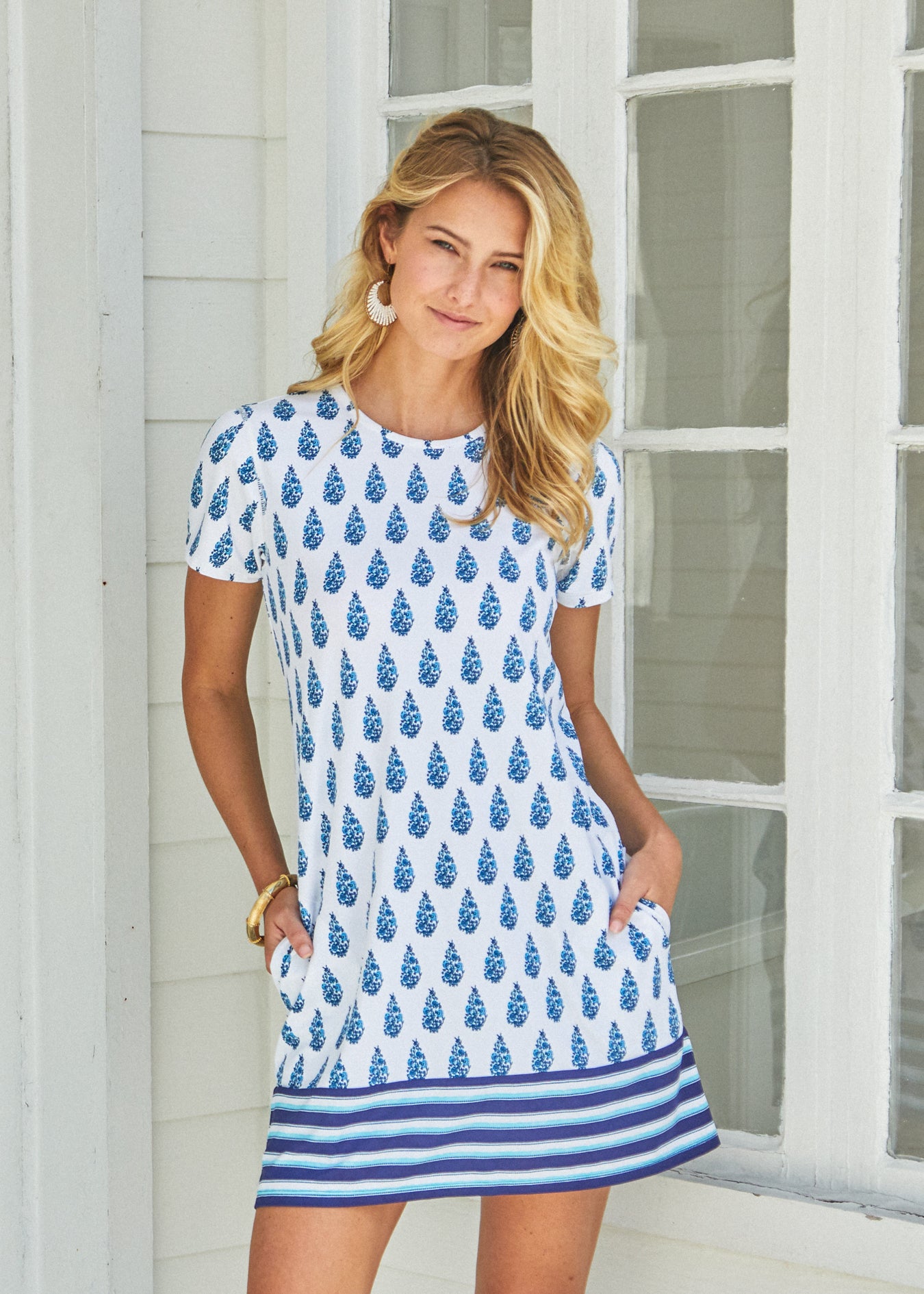
As the world shakes off winter’s grey, your shift dress can lead the charge into spring’s vibrancy. This is the season to embrace prints and lighter fabrics. Think floral motifs, delicate geometric patterns, or soft pastel stripes. A shift dress in a silk-cotton blend or lightweight linen becomes the perfect foundation. The key to spring styling is layered lightness. Instead of a heavy coat, opt for a tailored denim jacket or a crisp, unstructured blazer in a complementary neutral. Footwear shifts from boots to chic ballet flats, classic loafers, or clean white sneakers for a contemporary twist. Accessorize with woven totes, delicate gold jewelry, and perhaps a silk scarf tied around your neck or handbag. The objective is to create looks that feel fresh and optimistic, mirroring the season itself. A bright pink shift dress, for instance, paired with a white jacket and neutral accessories, captures the essence of spring bloom without effort. This approach aligns with the principles of color psychology, where hues like pink and yellow are associated with energy and joy, effectively setting a positive tone for your day. The shift dress’s simple cut ensures that even bold prints feel sophisticated and never overwhelming, allowing you to embrace seasonal trends in a grounded, elegant manner.
Summer: Embracing Breathability and Minimalist Chic
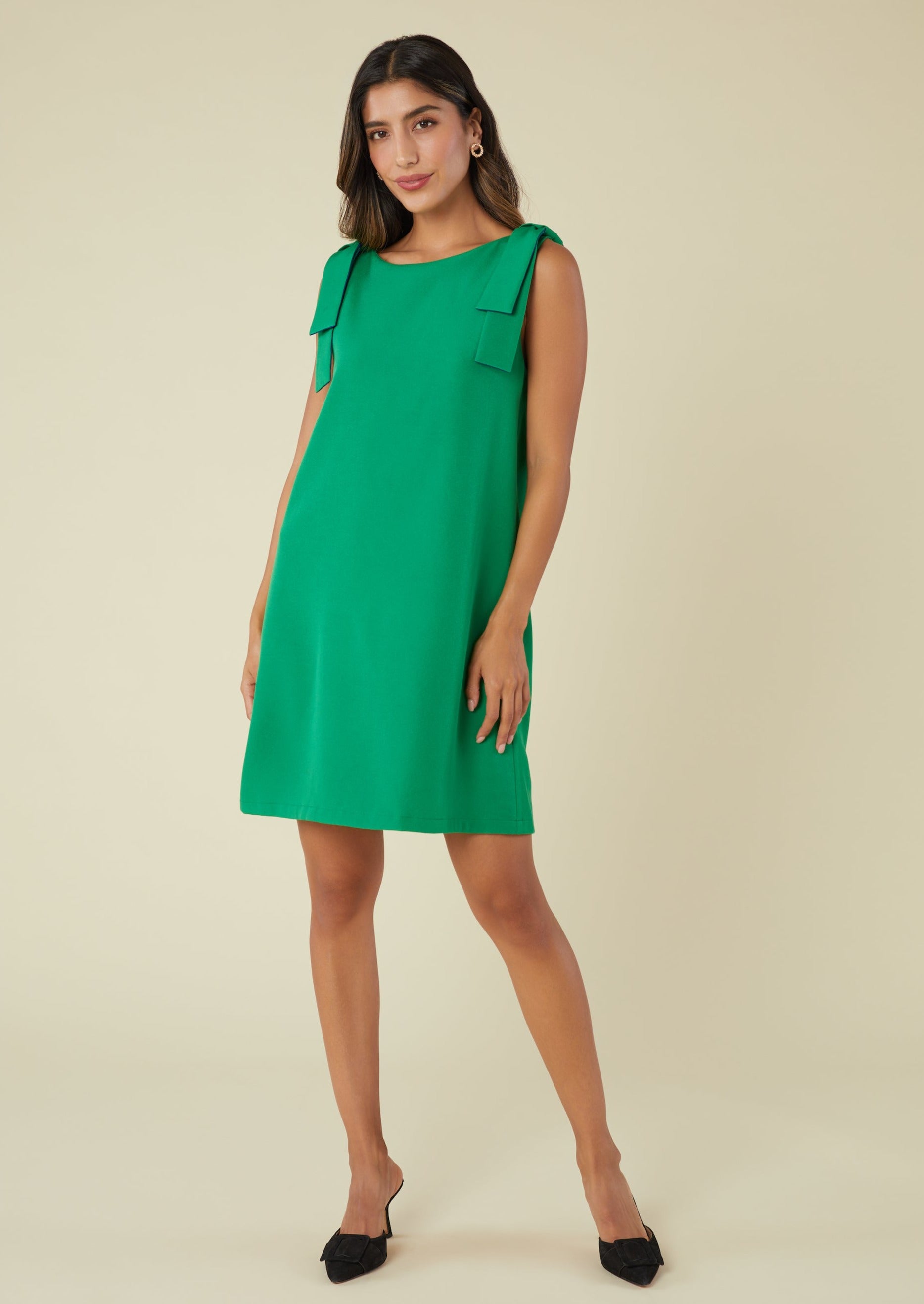
Summer demands a strategy centered on coolness and simplicity. Here, the shift dress excels in its most elemental form. Seek out dresses in breathable natural fibers like pure linen, cotton poplin, or chambray. These materials, as textile scientists will confirm, allow for greater air circulation and moisture-wicking, keeping you comfortable in the heat. Opt for solid, bright colors or classic neutrals like white, navy, or khaki that reflect sunlight. The styling is beautifully minimal. Often, the dress alone, with its forgiving A-line or straight silhouette, is enough. Elevate the look with strategic accessories: a wide-brimmed hat for sun protection, oversized sunglasses, leather sandals, and a statement basket bag. For cooler evenings, a lightweight kimono or a sheer cotton shirt knotted at the waist adds a layer of interest without weight. The summer shift dress is the epitome of “less is more.” It offers a polished appearance with minimal effort, which is the ultimate summer luxury. As fashion influencer and author Brittany Bathgate often emphasizes on her platforms, the power of a great summer dress lies in its ability to make you feel put-together while prioritizing comfort—a philosophy the shift dress embodies perfectly.
Autumn: The Art of Strategic Layering
Autumn is where your creativity with the shift dress truly flourishes through the art of layering. The dress transforms from a standalone piece into the central panel of a richer style composition. Begin with a shift dress in a seasonally appropriate fabric—perhaps a medium-weight wool blend, corduroy, or a substantial cotton twill. The color palette deepens to embrace burgundy, forest green, mustard, or classic camel. Now, build around it. A fine-gauge turtleneck sweater worn underneath creates a sophisticated, cozy frame for the neckline. Tights or sleek leggings in opaque black or textured knit add warmth for your legs. On top, layer a tailored wool blazer, a sleek leather jacket, or a long-line cardigan. Footwear becomes substantial: ankle boots, knee-high boots, or polished brogues ground the look. Scarves, both functional and decorative, are your ally. This layered approach is not just aesthetic; it’s a practical response to fluctuating autumn temperatures, allowing you to add or remove pieces as needed. It demonstrates the principle of “dressing in layers,” a concept well-documented in outdoor and performance apparel for its thermoregulatory benefits, applied here to everyday elegance. A corduroy shift dress layered in this manner is the quintessential autumn uniform—smart, adaptable, and deeply comfortable.
Winter: Defying the Cold with Texture and Proportion
Winter styling of the shift dress is a masterclass in defying the cold without sacrificing style. The goal is to create warmth through texture and intelligent outerwear pairing. Start with a shift dress in a winter-weight fabric such as a dense wool crepe, a soft velvet, or a cozy knit. These textiles provide inherent insulation and a rich tactile quality. Darker hues like charcoal, navy, or deep emerald feel seasonally appropriate. The critical element is the outer layer. A long, structured wool coat in a classic trench or cocoon shape worn over the dress creates a powerful, proportional silhouette. For a more fashion-forward approach, a padded gilet or a faux-fur gilet layered over the dress and under a coat adds dimension and extreme warmth. Don’t underestimate the power of legwear: fleece-lined tights or thick woolen socks paired with knee-high or over-the-knee boots are essential. Accessories become functional armor: leather gloves, a chunky knit scarf, and a beanie. This approach showcases the shift dress’s versatility as a sleek base layer that prevents the bulk often associated with winter dressing. As style experts from platforms like Who What Wear often suggest, using a streamlined dress as your base allows for dramatic outerwear without creating a cluttered look, ensuring you remain chic and warm through the frostiest months.
Investment and Intelligence: Building a Shift Dress Wardrobe
Mastering the shift dress is also an exercise in intelligent consumption. Building a capsule collection of two to three high-quality shift dresses in versatile fabrics and colors is more valuable than a closet full of transient fast-fashion pieces. Look for excellent construction: French seams, well-finished hems, and sturdy zippers. Brands that offer natural fibers and timeless cuts represent a better long-term investment. The savvy shopper knows to watch for seasonal sales, outlet offerings, and loyalty discounts from trusted retailers. For instance, investing in a classic black wool shift dress from a quality brand at a discounted end-of-season price provides perennial value. This dress will serve you for years in professional settings, evening events, and weekend outings with simple accessory changes. This philosophy aligns with the “cost per wear” model advocated by sustainable fashion thinkers like Elizabeth L. Cline, author of The Conscious Closet. By prioritizing versatility and quality, you reduce clutter, make more sustainable choices, and ultimately bring a form of professional knowledge to your personal style—knowing what lasts, what works, and how to acquire it smartly. The shift dress, in its elegant simplicity, is the perfect candidate for this thoughtful approach to building a wardrobe.
The journey through the seasons with a shift dress reveals its profound capability as a style chameleon. It is far more than a mere garment; it is a principle of dressing that champions adaptability, confidence, and timeless intelligence. From its revolutionary roots to its modern-day applications, the shift dress empowers you to meet each season with a fresh perspective, using layers, textures, and accessories as your tools. By choosing quality over quantity and understanding its versatile nature, you unlock a world of sartorial possibility. Let your shift dress be the constant in a world of variables, the elegant foundation upon which you build a personal style that is uniquely and effortlessly yours, ready for every weather, every occasion, and every turn of the calendar.