

Styling Semi-Formal Dresses for Every Occasion
Navigating the world of event attire often leads us to the versatile and sometimes ambiguous category of the semi-formal dress. It’s a sartorial sweet spot that bridges the gap between casual daywear and opulent evening gowns, offering immense freedom yet demanding a keen understanding of context. This guide isn’t about rigid rules, but about mastering the art of the semi-formal dress to project confidence and personal style, whether you’re at a garden party, an evening cocktail soiree, or a sophisticated business dinner. We’ll dissect the elements that define this dress code, provide actionable styling insights, and connect you with professional knowledge to make informed choices, all while keeping an eye on value.
Decoding the “Semi-Formal” Lexicon
To style effectively, one must first understand the terminology. “Semi-formal,” or “cocktail attire” as it’s often interchangeably used in social contexts, occupies a specific tier in the hierarchy of dress codes. Historically, as outlined by sociologists like Georg Simmel and Thorstein Veblen, fashion serves as a language of social distinction. The semi-formal code emerged in the mid-20th century as social events diversified beyond the ultra-formal white-tie affair. According to resources like Wikipedia’s entry on “Western dress codes,” semi-formal for women typically indicates a knee-length to tea-length dress, though elegant separates can also apply. It is more refined than business casual but less prescribed than black-tie. The key scientific principle here is contextual appropriateness, a concept studied in nonverbal communication. Your attire must communicate respect for the event’s host, venue, and purpose. A study from the University of Hertfordshire on first impressions confirmed that clothing significantly impacts perceived credibility and attractiveness within the first few seconds of meeting. Therefore, selecting the right semi-formal dress is not mere vanity; it’s a strategic exercise in social semiotics.
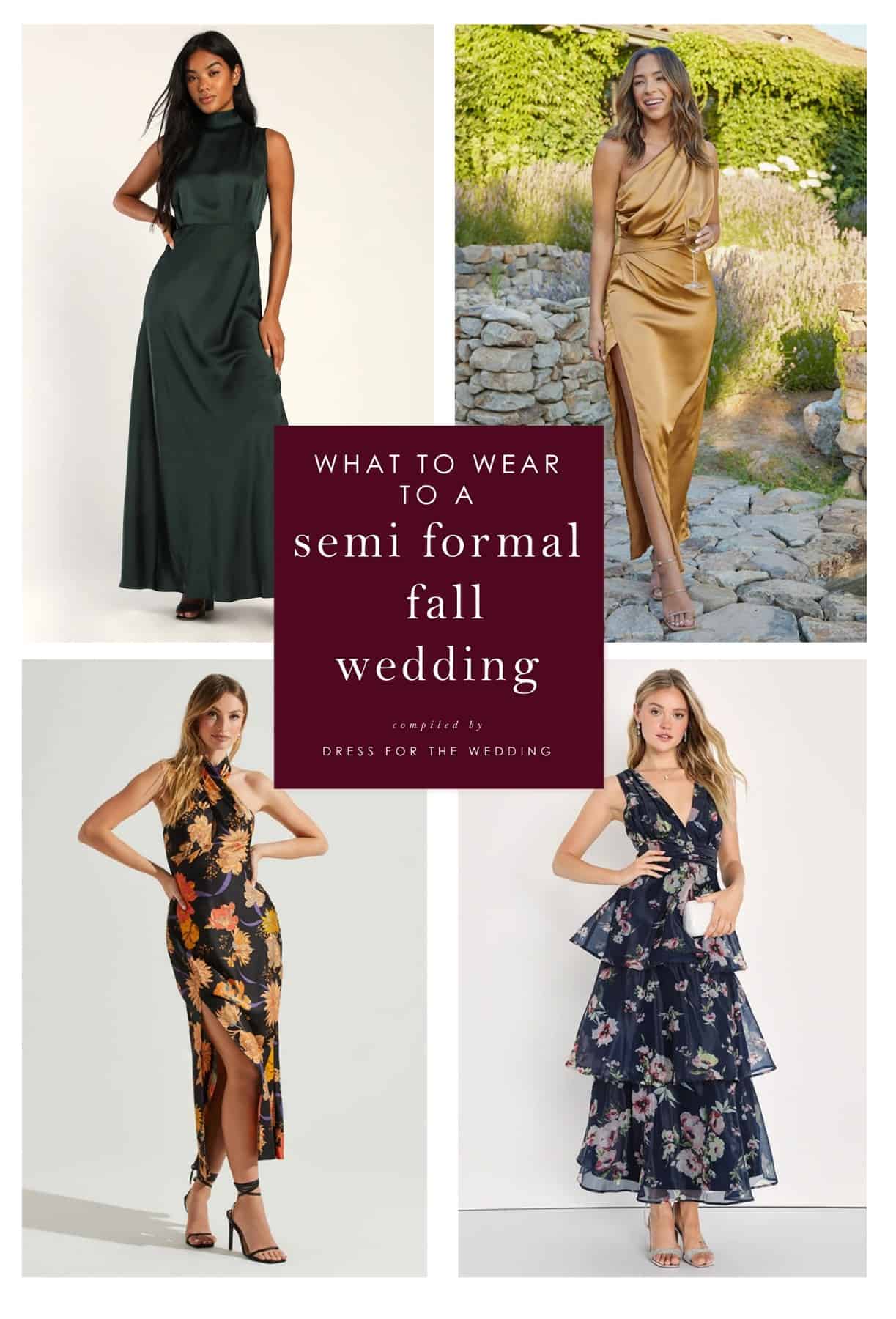
The Architecture of a Perfect Semi-Formal Dress
What constructs the ideal semi-formal dress? Let’s break it down objectively. First, silhouette: A-line, sheath, fit-and-flare, and wrap dresses are perennial champions. They offer structure without constraint, elegance without excess. The A-line, for instance, is celebrated for its universally flattering geometry, cinching at the waist and flowing outwards. Second, fabric: This is where science meets style. Fabrics like crepe, silk blends, lace, jacquard, and high-quality matte satin have the requisite “drape” and “hand” (the tactile quality) that convey sophistication. As noted by fashion historians like Valerie Steele in her works for the Fashion Institute of Technology, fabric choice directly signals an outfit’s formality level. A chiffon dress behaves differently under light than a cotton shift, creating a more formal visual effect. Third, length: The knee-to-midi range is the gold standard. It provides enough coverage for modesty and enough reveal for elegance, adhering to what style authorities like Tim Gunn often cite as the principle of “balance.” Finally, detail: Strategic embellishments—a beaded neckline, a tasteful slit, intricate pleating—add personality without crossing into gaudy territory. Think of it as the architectural detail on a beautifully designed building; it enhances without overwhelming the fundamental form.

Occasion-Specific Alchemy: Transforming the Dress Code
The true test of style is adaptation. A single, well-chosen semi-formal dress can be a chameleon, adapting to various backdrops through the alchemy of accessories, layers, and styling nuances.
The Daytime Garden Wedding or Luncheon
For events bathed in natural light, your approach should be fresh and vibrant. Opt for dresses in floral prints, pastel hues, or soft jewel tones. Fabrics like lightweight lace or organza are ideal. The science of color psychology, as explored by institutions like the Pantone Color Institute, tells us that softer colors like lavender (evoking calm) or mint green (suggesting renewal) are perfect for daytime celebrations. Footwear shifts from stilettos to elegant block heels or wedges that won’t sink into grass. A statement sun hat or a delicate fascinator isn’t just stylish; it’s practically rooted in sun protection, marrying function and form. As fashion icon Iris Apfel once quipped, “More is more and less is a bore,” but in daytime semi-formal, it’s about more thought, not more items. Keep jewelry organic—pearls, turquoise, or simple gold pieces.
The Evening Cocktail Party or Gala
When the sun sets, your style can dial up the drama. This is the realm of deeper colors—navy, emerald, burgundy, or classic black. Metallics and sequins in moderation are not just accepted but encouraged. The physics of light reflection comes into play here; a dress with subtle sheen or sequin detail captures and plays with ambient lighting, making you part of the evening’s atmosphere. A sleek clutch, sophisticated stilettos, and bold jewelry are non-negotiable. Consider the “one statement piece” rule often cited by stylists on platforms like YouTube. If your dress has a detailed neckline, opt for dramatic earrings and forgo a necklace. Layering with a tailored blazer or, more elegantly, a faux fur or velvet stole, adds texture and warmth. This practice of layering for evening elegance has cinematic roots, echoing the timeless glamour of stars like Grace Kelly or Audrey Hepburn in films like “Rear Window” or “Breakfast at Tiffany’s.”
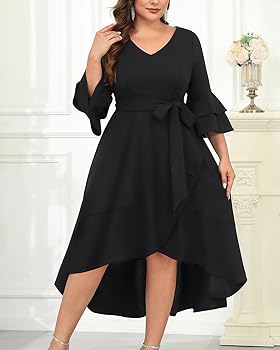
The Professional or Business Dinner
This scenario requires a sharp pivot towards polished minimalism. The goal is to look authoritative yet approachable, fashionable yet serious. A tailored sheath dress in a solid, neutral color—charcoal gray, navy, or black—is your most powerful tool. The cut should be impeccable, echoing the principles of corporate attire discussed in Harvard Business Review articles on executive presence. Fabrics with more structure, like double-knit or wool blends, communicate professionalism. Accessories are refined, not flashy: a quality leather tote, closed-toe pumps, and a elegant watch. The psychology here is one of reliability and competence. As former Vogue editor-in-chief Diana Vreeland famously stated, “The eye has to travel,” but in a business context, it should travel over details that speak to quality and deliberation, not distraction.
Curating Your Wardrobe with Value in Mind
Building a versatile semi-formal repertoire doesn’t necessitate a limitless budget. It demands strategic curation. The cornerstone is the Little Black Dress, but its cousins—the Little Navy Dress and the Little Burgundy Dress—are equally vital. Invest in one or two exceptional dresses in classic silhouettes and high-quality fabrics from brands known for their craftsmanship. These are your wardrobe workhorses. Then, supplement with trend-driven pieces from more accessible retailers. The economic principle of cost-per-wear is your friend here. A $300 dress worn ten times costs $30 per wear, while a $50 dress worn once costs $50 per wear. To find discounted prices on quality items, leverage end-of-season sales, reputable outlet sites, and subscription to newsletters from your favorite brands. Knowledge is power: understanding fabric care (e.g., hand-washing silk, proper storage for lace) extends the life of your garments, enhancing their long-term value. Websites like The Kitchn or Real Simple often provide scientifically-backed textile care guides that are invaluable.
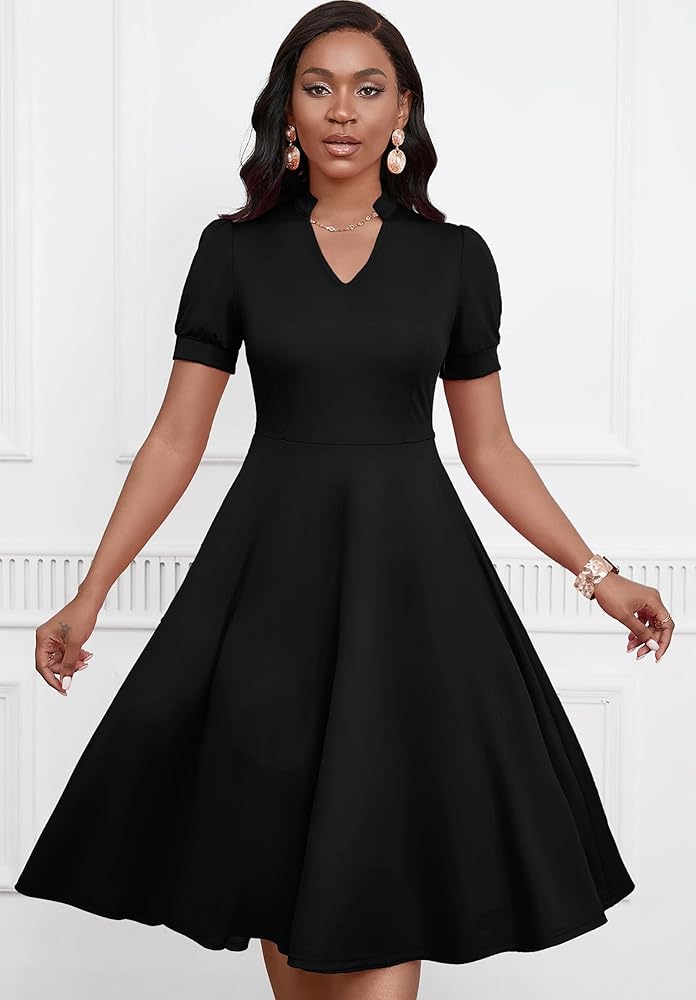
Mastering the semi-formal dress is an ongoing dialogue between personal expression and social context. It’s about wearing the dress, not letting the dress wear you. By understanding its foundational elements, respecting the occasion’s unspoken language, and making intelligent investments, you transform a simple garment into a tool for confidence. Your style narrative is yours to write; let every chosen dress, every considered accessory, be a sentence that speaks clearly of your discernment and grace.