

The Ultimate Guide to E Cup Bras: Finding Perfect Fit and Style
Navigating the world of lingerie, particularly for fuller busts, is often framed as a quest for an elusive grail. For those who wear an E cup, this search transcends mere clothing; it’s a pursuit of foundational support, aesthetic harmony, and personal confidence. The journey to find the perfect e cup bras is frequently cluttered with misconceptions, inadequate sizing charts, and styles that prioritize fashion over function. This guide dismantles those barriers, moving beyond generic advice to deliver a comprehensive, scientifically-grounded, and style-conscious roadmap. We will dissect the anatomy of fit, explore the engineering behind support, and curate styles that celebrate rather than conceal, all while integrating professional insights and value-focused considerations. The perfect E cup bra is not a myth—it’s a combination of precise measurement, intelligent design, and informed choice.
Decoding the “E Cup”: Beyond the Letter
To understand the E cup, one must first demystify bra sizing itself. The common perception of cup size as an absolute volume is a fundamental error. As outlined by resources like Wikipedia on brassiere measurement, cup size is a relative proportion, representing the difference between the bust circumference and the underbust circumference. An ‘E’ indicates a difference of approximately 8 inches (or 20 cm in many European systems), but this volume is distributed differently on a 32E frame compared to a 38E. The former requires a shallower, wider-wired cup, while the latter needs a deeper, more projected cup. This relativity is crucial. Well-known lingerie experts, such as Cora Harrington of The Lingerie Addict, consistently emphasize that “the band provides 80-90% of the support, not the straps.” Therefore, the quest for e cup bras begins not with the cup letter, but with a relentlessly accurate band measurement. A bra that is too loose in the band will force the straps to bear the weight, leading to shoulder grooves, back pain, and a lack of stability. Scientific literature from textile and ergonomics studies supports that optimal load distribution is achieved through a snug, horizontal band at the underbust. Thus, the E cup is not a standalone entity; it is a key in a duo, utterly dependent on its band partner for true efficacy and comfort.
The Pillars of Perfect Fit: A Three-Point Inspection
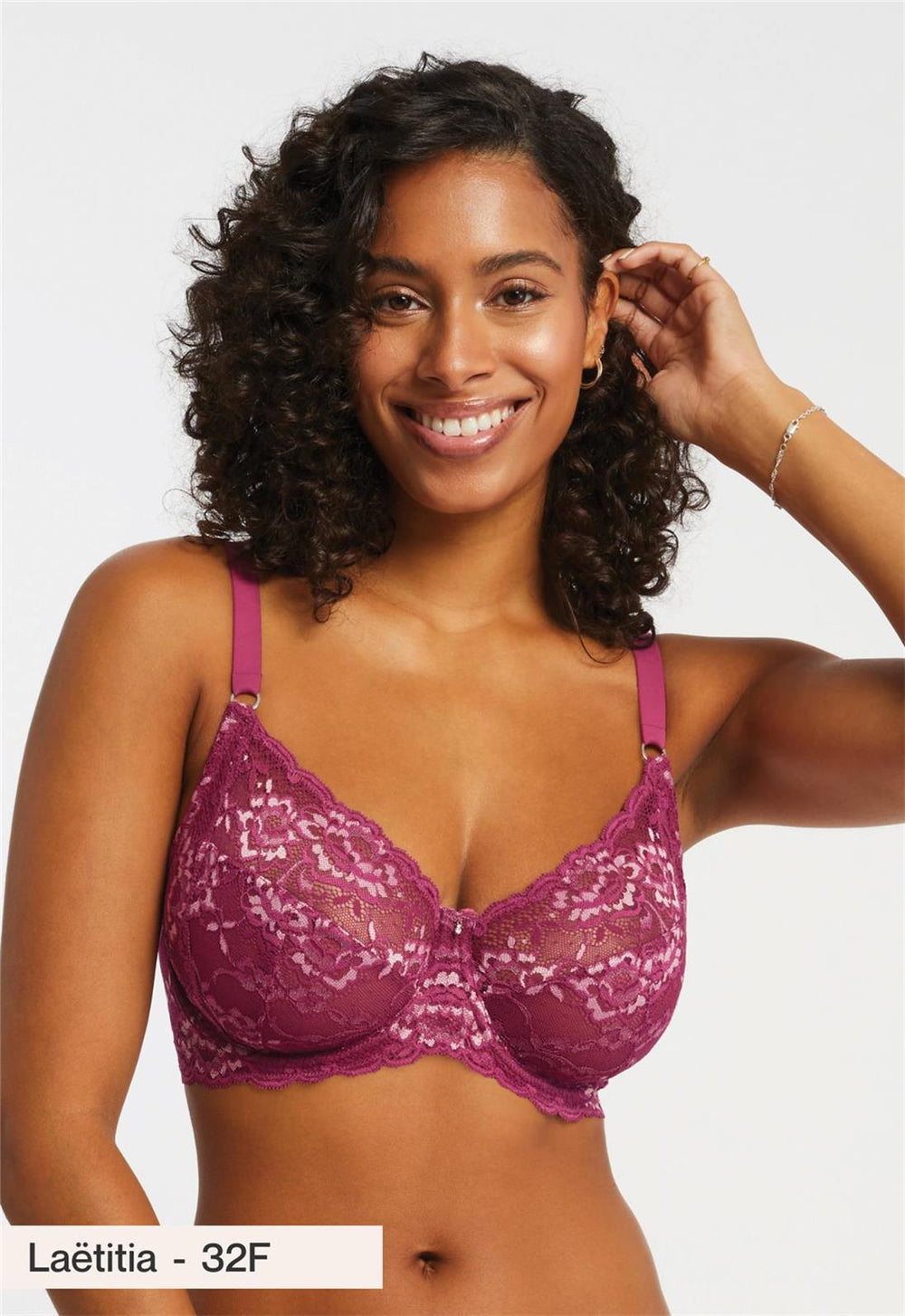
Finding your ideal bra is a systematic process of inspection. Once you have your starting size (e.g., 34E), the fitting room becomes your laboratory. The first pillar is Band Integrity. Fasten the bra on the loosest hook (to allow for natural fabric stretch over time) and assess. It should sit parallel to the floor around your entire torso, feeling secure without constricting breathing. You should be able to slide only one or two fingers underneath comfortably. A band that rides up is a definitive sign it is too large. The second pillar is Cup Conformation. Your breast tissue should fully occupy the cup without spillage at the top, sides, or center. The infamous “quad-boob” effect signals a too-small cup. Conversely, wrinkling or gaping, often mistaken for a too-large cup, can paradoxically indicate a too-small or shallow cup that your tissue cannot fill properly—a common issue with poorly scaled e cup bras. The underwire, the third critical element, should encase all breast tissue at the sides, lying flat against your ribcage in the center (the gore). If it floats away from your sternum, the cup volume is likely insufficient. As numerous fitters on platforms like Quora and specialized forums articulate, “The wire should trace your breast root, not sit on it.” This three-point check—band, cup, wire—forms the non-negotiable foundation of fit.
Engineering Support: Anatomy of a High-Performance E Cup Bra
What separates a mediocre bra from a sublime one for an E cup is its engineering. This is where design transitions into biomechanical support. Key features become paramount. First, consider the Frame and Side Support. Many high-quality e cup bras incorporate side-support panels, often made of firmer fabric or with internal slings. These panels work to draw tissue forward and center, minimizing underarm bulge and creating a more defined silhouette from the front and side. This isn’t just about looks; it improves weight distribution. Second, the Underwire and Gore design is critical. A wider, more padded underwire channel prevents digging, while a taller, firmly tacking gore (the center piece) ensures separation and stability. Third, Strap Architecture is vital. Wider, cushioned straps are not a stylistic choice but a necessity to disperse pressure. Some designs feature fully adjustable, convertible, or even front-positioned straps to alleviate shoulder strain. Brands specializing in fuller busts often use these principles, which are backed by ergonomic research from institutions studying apparel design. As a noted lingerie designer once explained in an industry publication, “For the E+ cup market, we are not designing lingerie; we are designing lightweight, functional architecture for the body.” This perspective shifts the purchase from a garment buy to an investment in personal infrastructure.

A Style for Every Silhouette: Curating Your E Cup Wardrobe
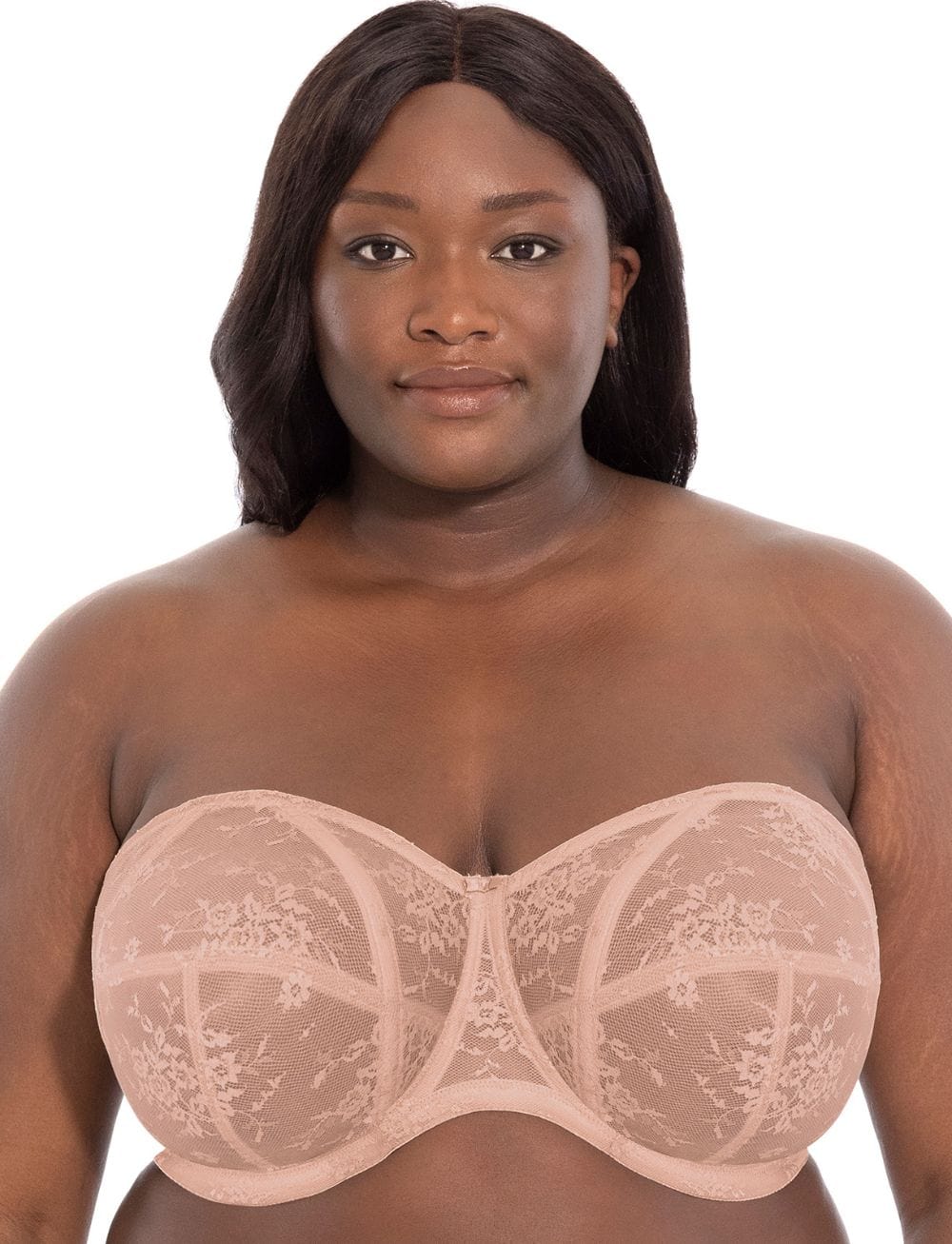
The notion that supportive bras must be utilitarian or matronly is a dated fallacy. Today’s market for e cup bras offers a stunning array of styles, each serving a distinct purpose. Building a versatile bra wardrobe is akin to building a shoe wardrobe—you need different tools for different occasions. The Full-Cup Bra is your daily workhorse, offering maximum coverage, encapsulation, and support for long wear. It’s the foundation of comfort. The Balconette or Balcony Bra is a style superstar, with its lower-cut cups and wide-set straps that enhance cleavage and work beautifully under lower necklines, offering a lift that feels both secure and alluring. For seamless versatility, the T-Shirt Bra with its molded, smooth cups provides a flawless line under fitted knits. Don’t fear the Plunge Bra; when engineered for fuller cups with internal support and a narrow gore, it becomes a secret weapon for deep V-necks. Finally, the Strapless or Multi-Way Bra, though challenging, is achievable. Look for designs with silicone-lined bands, reinforced internal corsetry, and gripper textures. As seen in collections from dedicated full-bust brands, style and support are now inextricably fused, allowing personal expression without compromise.
Material Wisdom: Fabrics That Work With You
The tactile experience of a bra is dictated by its materials, which also play a functional role. For the primary structure—the band and side panels—look for fabrics with a high percentage of natural fibers like cotton or modal blended with elastane (Lycra/Spandex). This combination ensures breathability against the skin while providing the necessary tensile strength and recovery. The inner lining of cups should be soft, moisture-wicking, and often cotton-based for daily comfort. For molded or padded styles, modern foams are lightweight and adaptive, avoiding the stiff, unnatural projection of the past. Lace, often used for aesthetic panels, should be soft, non-scratchy, and strategically placed so it doesn’t chafe on areas of high contact. The choice of material impacts longevity, comfort, and even fit. A bra that loses its elasticity after a few washes fails in its core duty. Professional advice, echoed by textile experts from authoritative university fashion programs, emphasizes caring for these engineered garments: hand-wash with gentle detergents, never wring, and lay flat to dry. This preserves the integrity of the elastic and the shape of the cups, extending the life of your investment and ensuring your e cup bras continue to perform as designed.
Navigating the Market: Value, Investment, and Smart Acquisition
Acquiring well-fitting, beautifully designed E cup bras often comes with a higher price point, reflecting the specialized design, materials, and construction involved. However, this should be viewed as an investment in daily comfort and long-term well-being, not merely a clothing expense. The true cost of a poorly fitting bra—in terms of physical discomfort, garment wear (on your outer clothes), and frequent replacements—far outweighs the initial outlay for a quality piece. To navigate this smartly, consider the following strategy. First, Invest in a Professional Fitting. Many specialty boutiques offer this service for free, and it provides the essential baseline knowledge of your true size and shape needs. This single step prevents costly trial-and-error. Second, Prioritize Core Styles. Begin with one perfectly fitting neutral full-cup and one t-shirt bra. These form your foundation. Third, Seek Out Value. While full-price purchases from reputable brands are worthwhile, keep an eye on seasonal sales, clearance events on brand websites, and authorized retailers. Signing up for newsletters can alert you to discounts of 20-30% off, which is common. Remember, a $70 bra bought on sale for $50 that lasts two years is a better value than a $25 bra that fails in six months. The goal is to build a curated, high-functioning wardrobe over time, not overnight.

The path to finding perfect e cup bras is one of empowered knowledge. It requires dismissing outdated myths, embracing the science of fit, and appreciating the artistry of modern lingerie design. It is a journey from frustration to foundation, where the right bra becomes an invisible source of confidence, shaping not just your silhouette but your posture and presence. By understanding the relativity of your cup size, rigorously applying the pillars of fit, selecting styles engineered for your shape, and acquiring them with strategic intent, you transform an everyday necessity into a tool of profound personal comfort and style. The perfect fit is out there, waiting to be discovered—a seamless integration of support, beauty, and self-assurance.