

The Ultimate Guide to Effortless Elegance
Elegance is not about being noticed; it’s about being remembered for the right reasons. It’s a quiet confidence, a sense of harmony, and an intelligent curation of self that transcends fleeting trends. This guide is not a rulebook but a philosophy, a journey towards a style that is intrinsically yours yet universally admired. We will move beyond superficial tips to explore the foundational principles of aesthetics, color psychology, and personal presentation, supported by diverse perspectives from art, science, and culture. The goal is to arm you with knowledge that empowers choice, allowing you to project an image of polished sophistication with seemingly effortless grace.
The Architecture of Aesthetic Perception
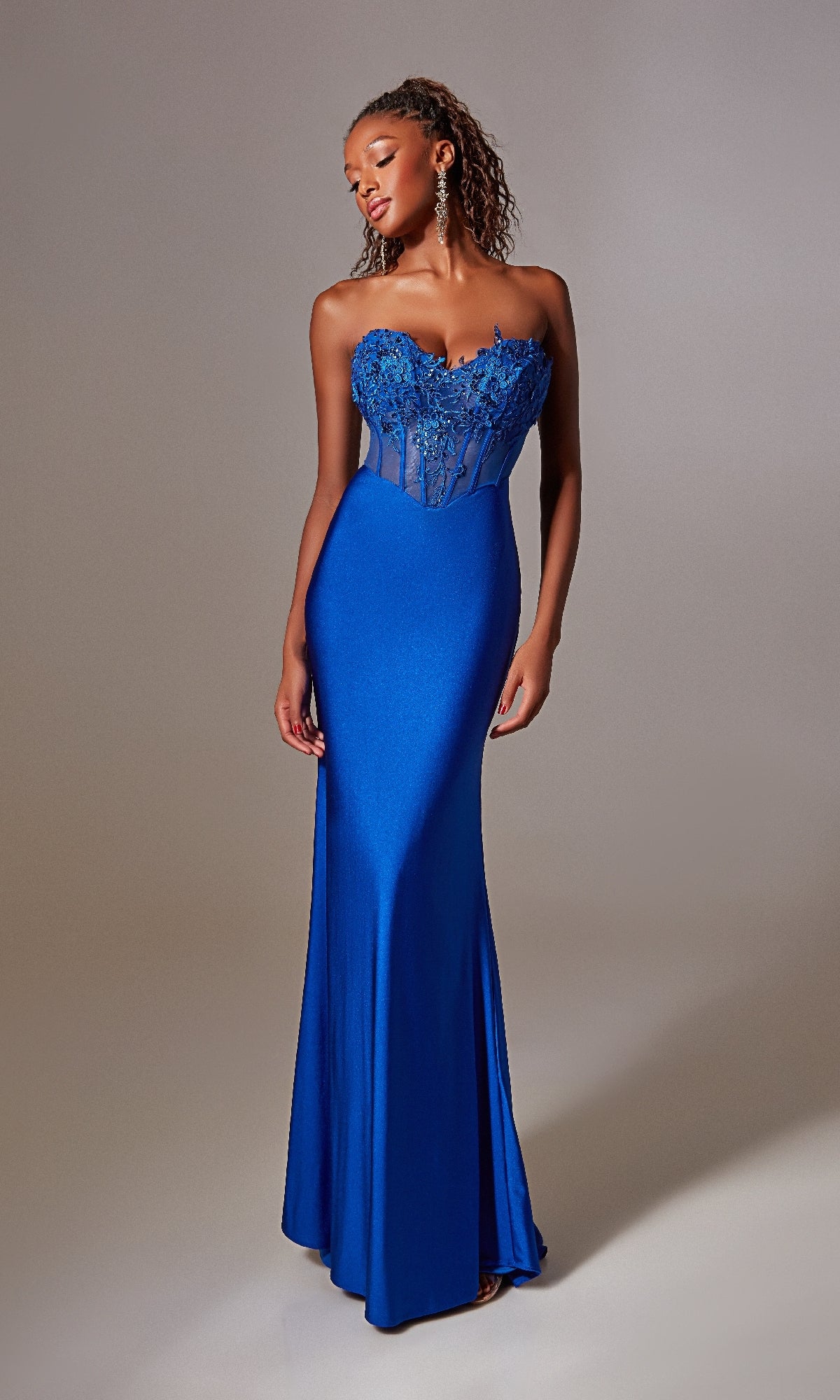
To understand elegance, we must first understand how it is perceived. The human brain is wired to seek patterns, symmetry, and coherence. This principle, rooted in Gestalt psychology, explains why we find certain compositions more pleasing. An elegant ensemble operates like a well-designed building: every element has a purpose, and the structure feels balanced and complete. Consider the words of the legendary fashion editor Diana Vreeland: “Elegance is innate. It has nothing to do with being well-dressed.” While her statement emphasizes an internal quality, its external manifestation aligns with these principles of visual harmony. A study from the University of Vienna on aesthetic appreciation in art and design confirms that complexity managed with unity is a key driver of perceived beauty. In fashion, this translates to an outfit where color, texture, silhouette, and detail work in concert rather than compete. A single, bold piece—like a stunning royal blue dress—can serve as the focal point, with all other elements acting as its supporting architecture, creating a powerful and cohesive statement.

Color as Your Silent Ambassador: The Case for Royal Blue
Color is the most immediate communicator of mood and intention. While black is the ubiquitous shorthand for chic, it is color that truly conveys personality with sophistication. Among the spectrum, royal blue dresses hold a unique position. This is not merely an opinion; color psychology, as documented by resources like the Pantone Color Institute and academic texts on visual communication, positions blue as the world’s most universally favored color. It evokes associations with stability, depth, intelligence, and trust. Historically, the specific pigment known as “royal blue” was created in the 18th century for a British queen, instantly linking it to notions of nobility, luxury, and authority. A royal blue dress, therefore, does more than adorn the body; it projects confidence, calm, and a regal self-assurance. It is a color that commands attention without shouting, making it a cornerstone for an elegant wardrobe. Whether in the deep, plush pile of velvet for winter or the sleek sheen of silk for summer, this hue adapts while maintaining its powerful presence.
The Third-Person Perspective: Crafting Your Public Persona
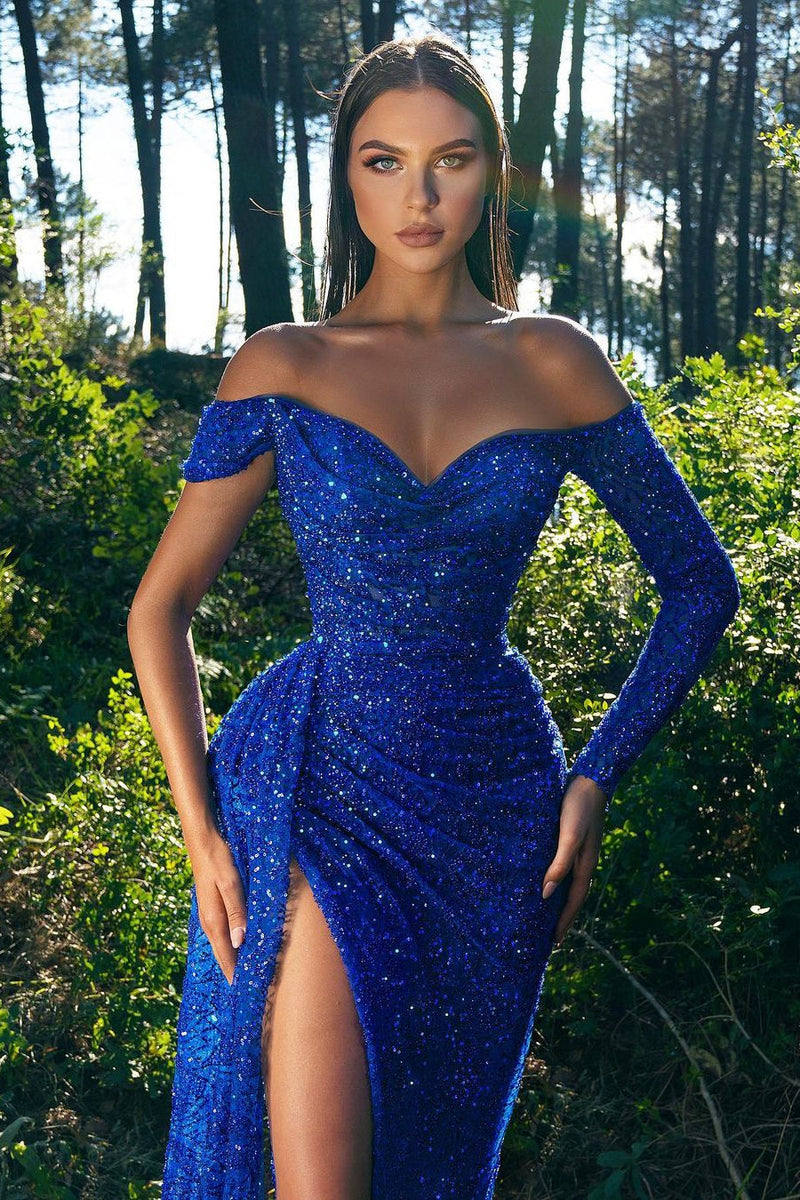
Elegance is often best understood from the outside looking in. Adopting a third-person perspective on your appearance—imagining how a thoughtful observer would perceive your totality—is a powerful tool. This isn’t about vanity, but about intentionality. As the writer and social observer Tom Wolfe noted, “A person’s style is a series of statements about themselves.” Every choice, from the drape of a fabric to the shine of a shoe, contributes to this narrative. Consider the impact of a well-chosen royal blue dress at a professional gala. To an observer, it signals that the wearer understands the formality of the occasion (the “royal” connotation), possesses a confident individuality (by moving beyond safe black), and has invested in a garment of likely quality (given the color’s historical cost). This external perception builds your personal brand. Resources from business schools like Harvard Business Review often discuss “impression management” not as manipulation, but as a professional and social skill. Your elegant presentation becomes a non-verbal credential, opening doors and setting the tone for interaction before a single word is spoken.
The Pillars of Effortless Style
Effortless elegance rests on four foundational pillars: Fit, Fabric, Function, and Focus. First, Fit is paramount. A garment that skims the body’s contours perfectly, whether tailored or flowing, looks expensive and intentional, even if it isn’t. Second, Fabric quality is non-negotiable. Natural fibers like wool, silk, linen, and high-quality cotton drape better, breathe, and age with grace. They are an investment in your silhouette. Third, Function refers to comfort and appropriateness. True elegance cannot exist with discomfort; fidgeting and adjusting break the spell of poise. Similarly, an outfit must suit its context—understanding dress codes is part of the elegance equation. Finally, Focus means having one clear visual anchor. This is where a statement piece, such as an exquisite royal blue dress, shines. When the dress is the star, accessories can be minimal and refined, preventing visual clutter and allowing the wearer’s own presence to complement the garment, not compete with it.
Intellectual Curation: Building a Mindful Wardrobe
Moving beyond fast fashion requires a shift from consumer to curator. This is an intellectual exercise in understanding what truly works for your life, body, and values. The “Capsule Wardrobe” concept, popularized by stylists like Susie Faux and echoed in publications from Vogue to minimalist lifestyle blogs, advocates for a limited collection of versatile, high-quality items that mix and match seamlessly. Building such a wardrobe demands an audit of what you own, an understanding of your personal color palette (where royal blue may be a cornerstone if it suits your complexion), and a commitment to mindful acquisition. This approach is not only aesthetically rewarding but economically and environmentally sound. It brings “discounted prices” in the long term through cost-per-wear economics; a single, well-made royal blue dress that can be styled for multiple events over years is far more valuable than a dozen trendy, disposable pieces. This is the essence of sustainable sophistication.
Voices of Authority: What the Masters Say
Throughout history, defining figures across disciplines have pondered elegance. Their insights provide a rich tapestry of perspective that grounds our modern interpretation.
“Elegance is refusal.” — Coco Chanel
This famous aphorism speaks to the power of editing, of knowing what to omit. It is the antithesis of excess.
“Simplicity is the ultimate sophistication.” — Leonardo da Vinci
A principle from the Renaissance master, applicable to art, design, and personal style, emphasizing clarity and purity of form. Furthermore, in film, the enduring elegance of characters like Grace Kelly’s in “Rear Window” or Audrey Hepburn’s in “Breakfast at Tiffany’s” isn’t just in their clothes (though the little black dress was cemented there) but in their posture, speech, and restrained demeanor. These cultural touchstones reinforce that elegance is a holistic performance of the self.
The Final Touch: Grace as the Invisible Accessory
The most perfectly curated outfit is merely a costume without the essential, invisible accessory: grace. This encompasses posture, movement, eye contact, and speech. Research in social psychology, such as that cited by Harvard Business School professor Amy Cuddy in her work on “power posing,” shows how our physical bearing affects both how others see us and how we feel about ourselves. Standing tall, moving deliberately, and offering a genuine smile are the final, critical layers of an elegant presentation. They animate the clothing. A woman in a magnificent royal blue dress who slouches or looks anxious undermines the garment’s power. Conversely, a simple outfit worn with radiant confidence and kindness can be profoundly elegant. This is the “effortless” part—it is the integration of inner state and outer presentation until they become indistinguishable.

Elegance, therefore, is a learned language of self-respect and respect for the world around you. It is built on the objective principles of design, informed by the psychology of perception, and animated by personal authenticity. It chooses a royal blue dress not because it is merely blue, but because its history, its psychological impact, and its visual strength align with the message the wearer wishes to broadcast. It understands that true value lies not in quantity but in the mindful quality of choices—from wardrobe staples to daily conduct. This is the path to a style that feels not like a disguise, but like the most authentic and polished version of yourself, ready to engage with the world with quiet, undeniable authority.