

5 Chic Ways to Style Short Dresses for Every Season
Short dresses for women are not merely a seasonal fling; they are a cornerstone of a versatile wardrobe, capable of transcending weather and trends with strategic styling. The perception that they belong solely to summer is a sartorial myth. With thoughtful layering, texture play, and accessory alchemy, a single short dress can be the protagonist of your style narrative all year round. This guide moves beyond basic advice, delving into five foundational styling philosophies. We’ll integrate objective insights from fashion theory, cultural observations, and practical wisdom to empower you to master your wardrobe. Let’s dismantle the calendar and reimagine the possibilities of the short dress for women.
1. The Art of Strategic Layering: A Structural Approach
The most powerful tool in adapting short dresses for women across seasons is layering. This is not about piling on clothes, but about creating intentional, functional silhouettes. From a scientific perspective, layering, or the “layering principle” in apparel design, is rooted in managing microclimates between the body and the environment. It allows for thermoregulation—a concept well-documented in textile and environmental physiology studies from institutions like the Cornell University Department of Fiber Science. In autumn, this translates to pairing your dress with a tailored blazer or a sleek leather jacket. The juxtaposition of the dress’s fluidity with structured outerwear creates a dynamic tension. For winter, the formula intensifies. Consider a turtleneck or a fine-gauge sweater underneath a slip dress, adding opaque tights and knee-high boots. This method, often showcased by style icons like Olivia Palermo, leverages insulation layers (the sweater) and a protective shell (a wool coat). The key is proportion: ensuring each layer is visible and contributes to a cohesive whole, rather than a bulky mass. It’s a practical application of system dressing, where each piece is a modular component.

Deconstructing Texture and Weight
Layering is also a tactile exercise. Combining a light, silky short dress with a chunky, cable-knit cardigan isn’t just warm; it’s texturally compelling. This interplay of “hard” and “soft” elements is a recurring theme in design philosophy, noted by authorities like the Parsons School of Design in analyses of tactile aesthetics in fashion. The weight of the layers should graduate, with the lightest closest to the body. Furthermore, the psychological impact of layering, as discussed on platforms like Quora by image consultants, relates to presenting a composed, complex persona—a narrative built piece by piece. It signals preparedness and stylistic intelligence. When you master layering, you transform the simple short dress for women from a single-note garment into a versatile canvas for personal expression, adaptable to the brisk winds of fall or the deep chill of winter without sacrificing an ounce of style.
2. Footwear as a Seasonal Anchor
Your choice of footwear is the definitive punctuation mark to any outfit, and it holds particular power in grounding a short dress in a specific season. This isn’t mere opinion; it’s a principle of visual weight and contextual coding. In fashion semiotics—the study of fashion as a language, as referenced in works by scholars like Roland Barthes—footwear communicates functionality and attitude. For spring, a delicate ankle strap sandal or a white sneaker reinforces a sense of lightness and renewal. The exposed skin and airy design align with the season’s ethos. Transition to fall, and the same dress finds new gravity with a pair of rugged ankle boots or sleek loafers. The closed toe and substantial sole literally and figuratively “ground” the look, making it appropriate for cooler, leaf-strewn days.
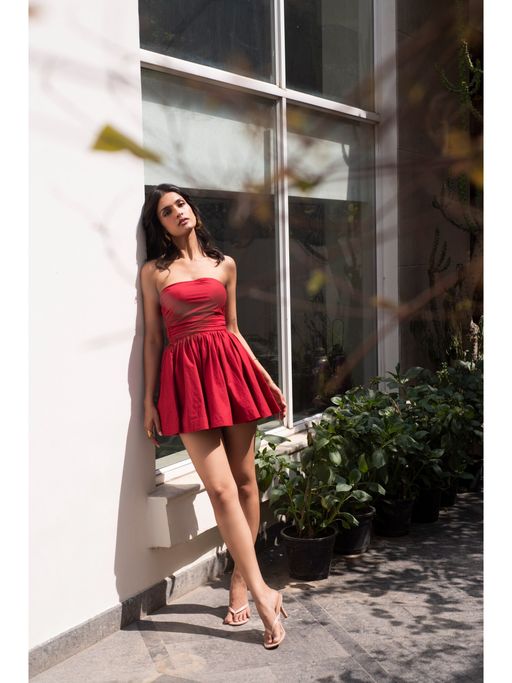
Winter demands a more robust solution. Knee-high or over-the-knee boots are not just a styling choice but a practical one, creating a continuous line that offers warmth and a dramatic silhouette. This style has been immortalized in everything from 1960s mod fashion to modern street style blogs, consistently symbolizing a bold, confident femininity. As fashion historian Valerie Steele has noted in her publications for the Fashion Institute of Technology, boots have long represented a fusion of utility and power. In summer, the equation simplifies to minimalist sandals or espadrilles, letting the dress itself shine. By viewing your footwear as a seasonal anchor, you consciously manipulate the perceived weight and occasion of your outfit. This strategic shift allows a single wardrobe staple—the short dress for women—to perform year-round, with each shoe choice effectively resetting its seasonal context.
3. The Transformative Power of Outerwear
Outerwear is the exoskeleton of your seasonal style; it defines the first and most lasting impression. Selecting the right coat or jacket over a short dress is akin to choosing a frame for a painting—it can enhance, contrast, or completely redefine the artwork within. In the crisp air of spring or fall, a trench coat is a timeless companion. Its origins in military wear, as detailed on Wikipedia, lend an air of utilitarian chic that perfectly offsets the femininity of a dress. A denim jacket, a staple born from workwear and popularized by cultural icons like James Dean, introduces a casual, rebellious edge. The contrast between the softness of a dress and the ruggedness of denim creates an appealing, balanced tension often celebrated in contemporary fashion editorials.

For winter, the stakes and the warmth factor rise. A long, tailored wool coat over a short dress creates a sophisticated, elongated line—a trick frequently employed by style figures like Meghan Markle to achieve elegant proportion. A faux shearling or puff jacket, on the other hand, offers a playful, modern contrast, playing with volume in a way that feels both cozy and fashionable. This principle of contrast is key. As Tim Gunn, the renowned fashion consultant, has often stated in his critiques, successful styling often involves an element of surprise or juxtaposition. The delicate nature of a short dress for women is suddenly given depth, context, and warmth when paired with a substantial outer layer. This approach doesn’t just fight the cold; it creates a compelling fashion statement where the outerwear and the dress engage in a dynamic dialogue, telling a more complete seasonal story.
4. Accessory Ecosystems: From Delicate to Substantial
Accessories are the ecosystem in which your outfit lives. They provide the details that signal seasonality, mood, and personal flair. To adapt a short dress, you must evolve this ecosystem. Summer calls for a minimalist approach: a straw hat, delicate gold jewelry, and a woven bag. These elements speak of light, air, and ease. As the temperature drops, your accessories should gain visual and tactile weight. This is a concept supported by the principles of “visual merchandising” and styling, where heavier, richer materials are associated with the fall and winter seasons in retail and media. Swap the straw hat for a felt fedora or a beanie. Replace dainty necklaces with a statement piece—a chunky pendant or layered chains.

Scarves become crucial, not just as warmth providers but as color-blocking tools. A silk scarf tied at the neck or on a bag adds a Parisian touch in fall, while a large, chunky knit scarf in winter is both pragmatic and stylish. Even your bag changes context—a sleek leather tote or a structured satchel replaces a raffia basket. This shift in accessory weight does something profound: it re-contextualizes the dress itself. The dress remains constant, but its environment changes. This method is cost-effective and creative, allowing for immense variety without a new wardrobe. As many sustainable fashion advocates on platforms like YouTube emphasize, “accessorizing the heck out of a basic outfit” is a cornerstone of a conscious closet. By curating these seasonal accessory ecosystems, you ensure your beloved short dresses for women never feel out of place or out of time.
5. Fabric Consciousness and Color Palette Rotation
The final, often overlooked, strategy involves an intrinsic understanding of fabric and color. Not all short dresses for women are created equal for year-round wear, but selecting the right ones expands your options exponentially. Scientifically, different textile fibers have distinct thermal properties. As outlined in resources from textile authorities, wool and its blends provide excellent insulation, making a short wool dress a winter staple. Cotton voile or linen are highly breathable, ideal for summer. Velvet, with its dense pile, traps heat and reflects light differently, making it perfect for fall and winter evenings.
Similarly, color psychology and seasonal color analysis, a system popularized by consultants like Carole Jackson in “Color Me Beautiful,” suggest that rotating your color palette can psychologically and visually align your outfit with the season. A bright floral short dress naturally belongs to spring and summer. However, that same silhouette in a deep jewel tone—emerald, burgundy, or navy—or a rich, dark print immediately feels autumnal or wintry. Pairing a summer dress in a light color with tights, boots, and a dark coat uses contrast to “cool down” the palette, making it seasonally appropriate. This conscious approach to material and hue is the mark of a sophisticated dresser. It’s about seeing the garment not just as a shape, but as a combination of tactile and visual properties that can be harmonized with the environment. When you choose a short dress with fabric and color in mind, you are investing in a piece with extended seasonal relevance, maximizing its cost-per-wear and its stylistic potential.
The journey through the seasons with a short dress for women is one of creativity and intelligent styling. It disproves the notion of a limited shelf-life and celebrates adaptability. By mastering strategic layering, anchoring with seasonal footwear, framing with transformative outerwear, curating accessory ecosystems, and practicing fabric and color consciousness, you unlock a boundless array of looks from a single garment. This is not just about following trends; it’s about building a personal style language that is resilient, expressive, and endlessly versatile. Let your short dress be the constant in an ever-changing style equation.