

A Guide to Cup and Bra Sizes
Finding the right bra is not merely a matter of comfort; it is a foundational aspect of personal well-being and confidence. The journey through the world of cup bras sizes is often shrouded in confusion, leading many to settle for ill-fitting garments. This guide aims to demystify the process, offering a clear, scientific, and practical pathway to understanding your true size. We will move beyond generic advice, providing you with the knowledge to make informed choices that bring both professional insight and the potential for smarter, value-driven purchases.
The Foundation: Understanding Band and Cup
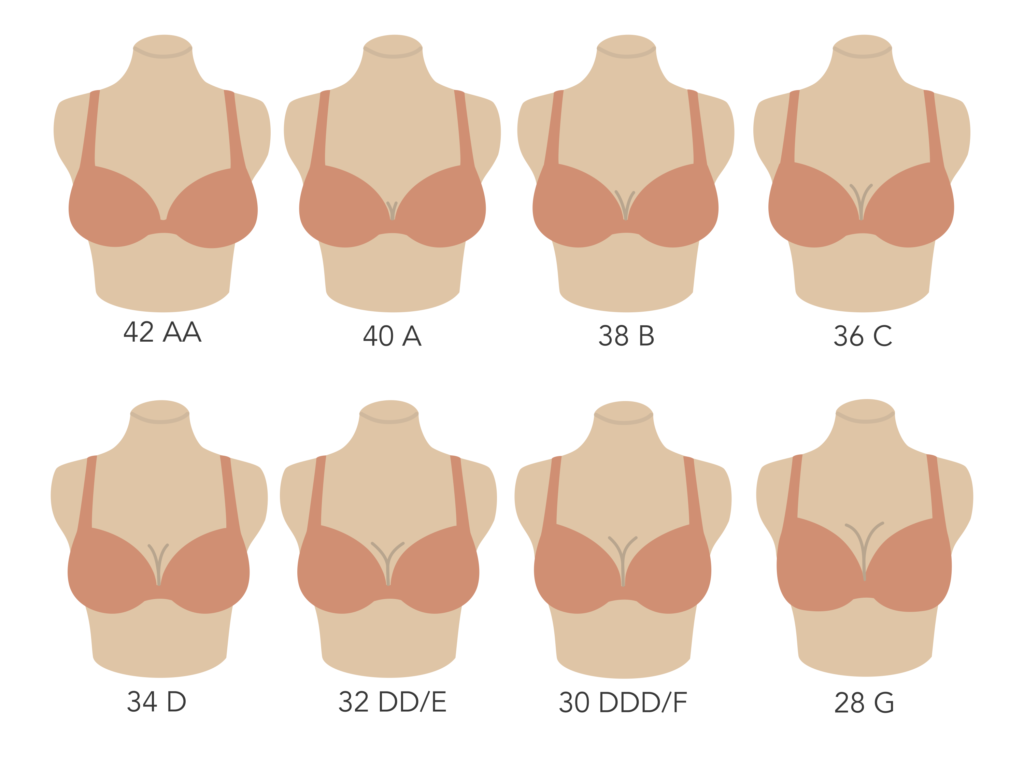
At its core, a bra size is a combination of two measurements: the band and the cup. The band number (e.g., 34, 36, 38) represents the measurement around your ribcage, directly under the bust. This is the support structure of the garment. The cup letter (e.g., A, B, C, D and beyond) indicates the volume difference between your bust circumference and your band measurement. A common and profound misconception, as noted in resources from Wikipedia and various lingerie engineering studies, is that a “D cup” has an absolute volume. It does not. A 30D holds a significantly smaller volume than a 38D. The cup is proportional to the band. This relative nature of cup bras sizes is the first critical piece of knowledge. When you hear a statement like, “I thought I was a 34B, but I’m actually a 32D,” it reflects this proportional reality. The total bust circumference might be similar, but the distribution of volume—supported by a tighter, more stable band—changes the cup letter. Embracing this concept is the first step toward liberation from poorly fitting bras.

The Fitting Ritual: Beyond the Tape Measure
While a soft tape measure provides a starting point, the true test is in the fit. You must assess the bra on your body. The center gore—the piece of fabric between the cups—should lie flat against your sternum. If it floats away, the cup is likely too small or shallow for your breast shape. The band should be snug and level around your body, providing the majority of the support (about 80%) without digging in. You should be able to slide only one or two fingers underneath comfortably. A band that rides up in the back is too large. The underwire, if present, should encase all your breast tissue at the sides and front, sitting directly in your inframammary fold without resting on any breast tissue itself. As acclaimed lingerie fitter and author Jene Luciani states in her work, The Bra Book, “The wires should follow the natural contour of your breast root, like a hug, not a constraint.” This process is deeply personal. What works for a person with widely spaced, shallow breasts will differ from the needs of someone with close-set, projected breasts. This is why understanding the variables within cup bras sizes is non-negotiable.

Shape: The Unspoken Dimension of Fit
Discussions of size are incomplete without addressing shape. Breast shape is a critical, yet often overlooked, factor. Terms like “full on top,” “full on bottom,” “shallow,” or “projected” describe how your breast tissue is distributed on your chest. A bra designed for a shallow shape has cups that are spread wider and are shallower in depth. A bra for a projected shape has cups that project forward more immediately from the wire. A mismatch between bra shape and breast shape can cause gaping, quadding, or discomfort, even if the cup bras sizes are technically correct. Resources from communities like Reddit’s r/ABraThatFits and expert blogs such as Bratabase have built extensive visual libraries and guidelines to help individuals diagnose their shape. This knowledge empowers you to select specific bra styles—like balconettes for full-on-bottom shapes or half-cups for full-on-top shapes—that complement your natural anatomy, transforming a good fit into a perfect one.
The Evidence and Expertise: Why This Knowledge Matters
The pursuit of a correct fit is supported by more than anecdote; it is grounded in research and professional consensus. Studies from institutions like the University of Portsmouth’s Research Group in Breast Health have highlighted the biomechanical benefits of a well-fitting bra, including potential reductions in back and shoulder pain. Furthermore, the psychological impact is significant. As fashion psychologist Dr. Dawnn Karen explores, clothing that fits well and aligns with our self-perception can enhance cognitive confidence and emotional well-being. When you wear a bra that fits, you are not just wearing an undergarment; you are wearing a tool for physical support and psychological assurance. The complexity of cup bras sizes and shapes means that a one-size-fits-all approach, often pushed by mainstream marketing, fails a vast majority of people. Turning to specialized retailers, fitters trained in a wide range of sizes and shapes, and the collective wisdom of online fitting communities provides a more reliable path than standard department store methods.
A Note from the Experts
“The most common fitting error I see is a band too large and cups too small. Women are often crammed into a limited matrix of sizes, ignoring the beautiful diversity of the female form. A proper fit can be life-changing, alleviating pain and improving posture almost instantly.” – This sentiment, echoed by professional fitters worldwide, mirrors the analysis found on platforms like Quora and in the literature from intimate apparel associations.
Navigating the Market: Knowledge as Power for Value
Armed with an understanding of your true size and shape, you can navigate the lingerie market with precision and purpose. This knowledge is your greatest asset for finding value. You can identify when a “sale” item is genuinely a good deal for your specific needs, rather than a generic discount on an ill-fitting size. You learn which brands consistently cater to your shape—whether that’s Polish brands known for narrow wires and deep projection, or UK brands renowned for their extensive size ranges in larger cup bras sizes. You become adept at reading size charts and customer reviews for fit information. This strategic approach prevents the all-too-common cycle of buying, wearing once, and discarding. Investing in two or three perfectly fitting bras is ultimately more economical and sustainable than a drawer full of uncomfortable ones. The confidence to seek out specialty retailers, both online and in person, opens up a world of options designed for real bodies, often with higher quality materials and construction that last longer, providing true cost-per-wear value.

Your relationship with your undergarments should be one of support and affirmation, not compromise and frustration. The alphabet of cup sizes and the spectrum of band measurements are not arbitrary labels but a language to describe unique anatomy. By learning this language—by truly comprehending the interplay of band, cup, and shape—you claim the right to comfort and confidence. This journey through the world of cup bras sizes ends not with a rigid conclusion, but with an invitation: to see your wardrobe foundation not as a mystery to be endured, but as a detail to be mastered, with all the comfort and assurance that mastery brings.