

Cross Your Heart Bras for Every Outfit
Your wardrobe is a collection of possibilities, but its true potential is unlocked not by the garments that hang in view, but by the foundation you choose to wear beneath them. The right undergarment is the silent architect of your silhouette, the unseen force that transforms fabric into flattery and clothing into confidence. Among the pantheon of foundational garments, one style has consistently promised and delivered a specific, powerful kind of support: the cross your heart bras. This isn’t merely about a bra; it’s about a design principle that aligns with anatomical reality to offer a blend of security, shape, and comfort that has made it a cornerstone in lingerie drawers for decades. From the structured sheath dress to the casual weekend tee, the engineering behind these bras provides a versatile solution that adapts to your life, not the other way around.
The Anatomy of Support: Why the Cross-Over Design Works
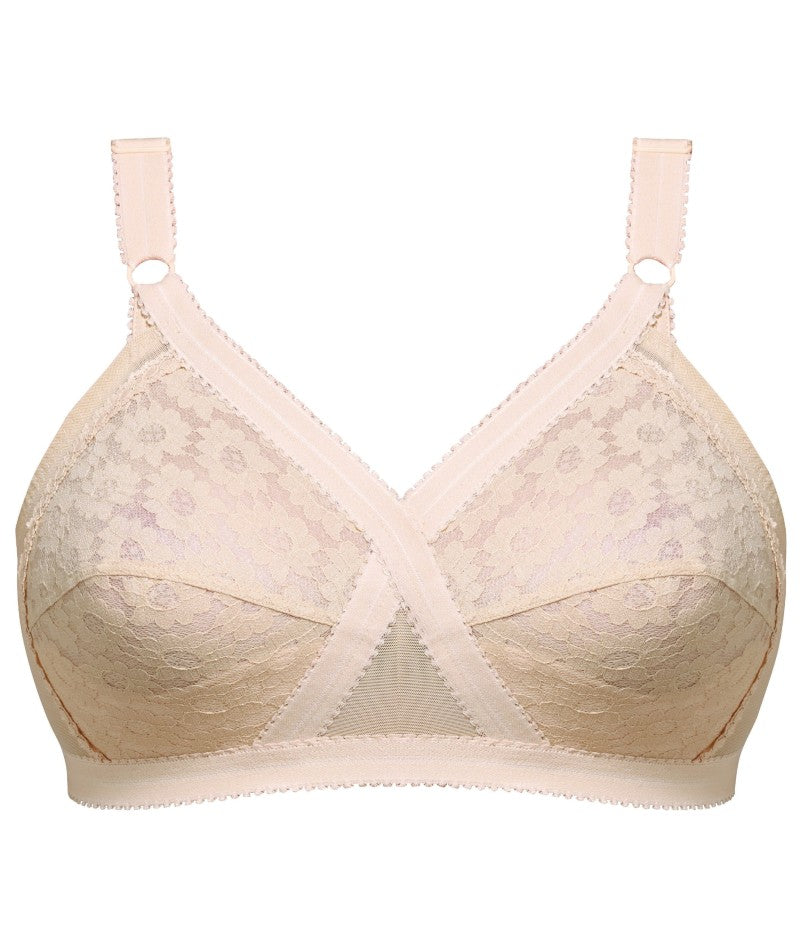
To understand the enduring appeal of cross your heart bras, one must first look at the science of breast support. Biomechanical research, such as studies cited in publications from institutions like the University of Portsmouth’s Research Group in Breast Health, emphasizes that effective support distributes weight across a larger area of the torso, reducing strain on the shoulders and back. The conventional vertical-lift model relies heavily on shoulder straps, which can lead to indentations, discomfort, and inadequate stabilization during movement. The cross-over design innovates by introducing a directional force. The cups, often connected by a central panel or designed with overlapping seams, create a gentle, inward and upward lift. This mimics the natural pectoral muscles’ role in supporting breast tissue. As noted by numerous fit experts on platforms like Quora and in fit guides from retailers like Bare Necessities, this cross-directional support helps maintain breast position laterally, minimizing “side spillage” and creating a naturally rounded, forward-projecting shape that is foundational to many clothing silhouettes. It’s a principle of physics applied to intimate apparel, using tension and counter-tension to achieve a stable, comfortable hold.
From Day to Night: A Single Foundation for Diverse Silhouettes
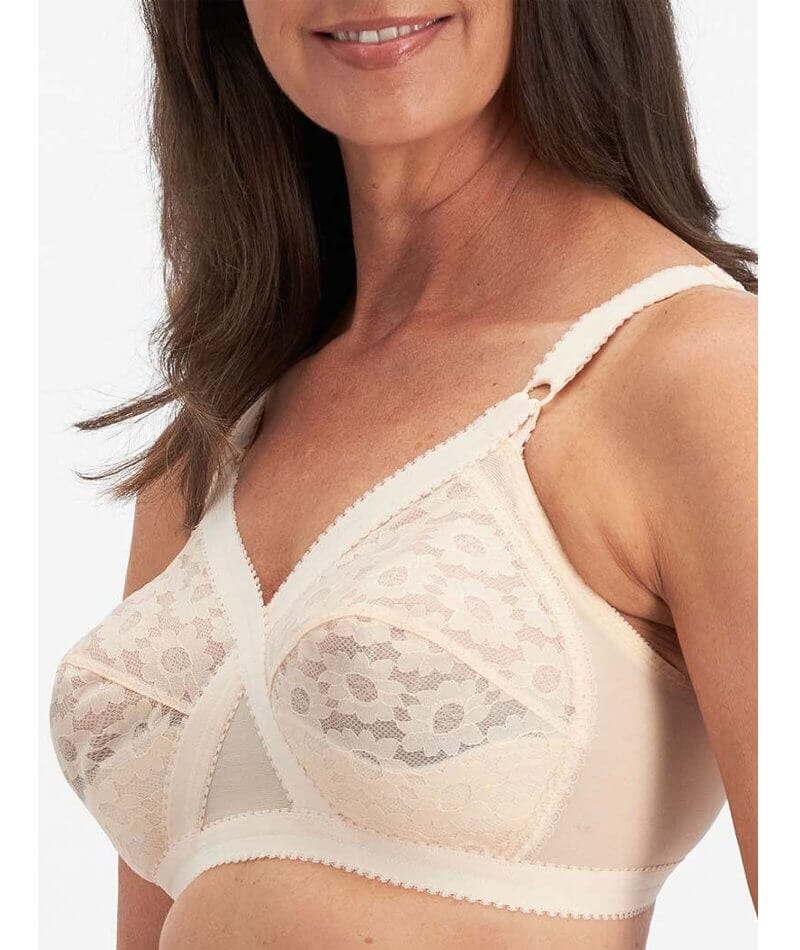
The true test of any foundational garment is its versatility. A cross your heart bras excels here because its primary function—creating a secure, centered, and lifted profile—is the exact requirement for a vast array of necklines and styles. Consider your professional attire: a tailored button-down shirt. Gaposis, the frustrating gap between button closures, is often caused by a bra that doesn’t provide a forward-enough profile. The cross-over design solves this by bringing tissue inward. For the classic crewneck tee, it eliminates the uniboob effect of some full-coverage bras, offering separation and definition under even the simplest cotton. Transitioning to evening wear, the plunge neckline—a staple of glamour—finds its perfect partner in many cross-your-heart styles, which are often designed with a low center gore to remain discreet. This adaptability is echoed in fashion literature; style guides from InStyle and Who What Wear frequently recommend seamless, shaping bras with side support (a hallmark of the cross-over structure) as the “invisible workhorse” for a capsule wardrobe. The bra becomes a chameleon, its effect visible only in the perfected drape of your clothing, from a crisp blazer to a flowing silk camisole.
Beyond the Myth: Comfort and Engineering in Harmony
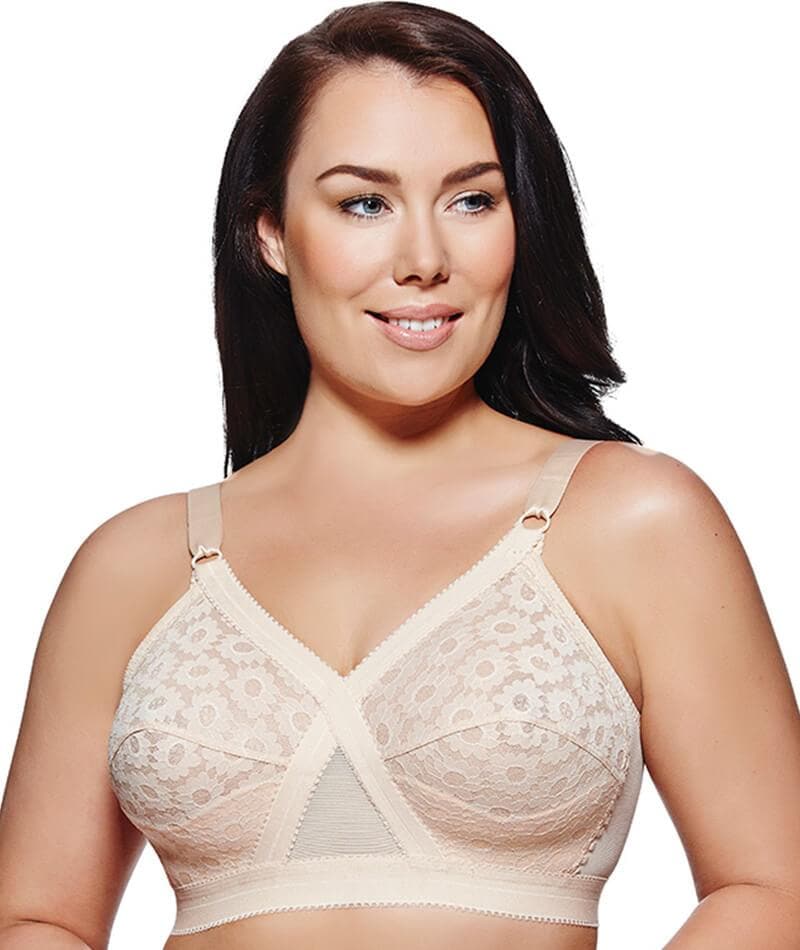
A persistent myth in lingerie is that significant support must come at the cost of comfort. The evolution of the cross your heart bras directly challenges this. Modern iterations incorporate advanced materials and ergonomic design that leverage the cross-over principle without rigidity. Memory foam cups, plush-lined underwires (or flexible alternatives in wire-free versions), and wide, cushioned side wings work in concert. The cross-front design often reduces pressure on the sternum by distributing it diagonally, a feature frequently praised in user reviews on sites like HerRoom and Bratabase. This isn’t anecdotal; textile engineering programs at universities like North Carolina State University study the interaction of fabric elasticity, garment geometry, and body morphology to enhance comfort. Furthermore, the psychological comfort of feeling securely held cannot be overstated. As lifestyle influencer and body positivity advocate Megan Jayne Crabbe (@bodyposipanda) has discussed on YouTube, “Finding a bra that actually holds you without digging in is a revolutionary act of self-care. It changes how you move through your day.” The cross-your-heart design, by aligning its structure with the body’s natural contours, achieves this synthesis of physical and psychological ease.
Investment in Form and Function: The Professional Perspective
When we discuss professional attire, the stakes for a flawless foundation are high. The opinion of image consultants and stylists for public figures consistently highlights the importance of a smooth, controlled silhouette. Stylist to celebrities, Kate Young, has been quoted in Vogue saying, “The right undergarments are non-negotiable. They are the secret to looking polished and confident.” A cross your heart bras is a strategic investment in this polished presentation. Its design tackles common professional wardrobe pitfalls: it smooths the back and side areas under fitted suits, provides the necessary uplift under sheath dresses to maintain their intended line, and ensures modesty and stability with movement during presentations or long workdays. The value proposition here is clear. By investing in one or two high-quality bras of this design, you effectively purchase peace of mind and a polished base for your entire work wardrobe. The cost per wear becomes negligible compared to the confidence gained and the potential wardrobe malfunctions avoided. It’s an investment in your professional persona, built on a foundation of intelligent design.
Curating Your Foundation: A Guide to Selection and Care
Understanding the “why” behind cross-your-heart bras leads to the practical “how” of selecting and maintaining them. First, fit is paramount. The cross-over should lie flat against the sternum without gaping or digging. The side wings should encapsulate tissue fully, sitting parallel to the ground at the back. Remember the words of renowned fit expert Jenette Goldstein, who has emphasized for decades that “the band provides 80% of the support, not the straps.” When trying on, perform a range of motion tests—reach upward, twist side to side. The bra should stay in place, with the center gore remaining tacked to your chest. As for care, longevity is key to maximizing your investment. Always fasten hooks before washing to prevent snagging, use a lingerie bag, and opt for cold water and air drying. Heat from dryers breaks down the elastic and memory materials that give these bras their shape and support. Treating them with care ensures the precise engineering of the cross your heart bras continues to perform, outfit after outfit, for years to come.
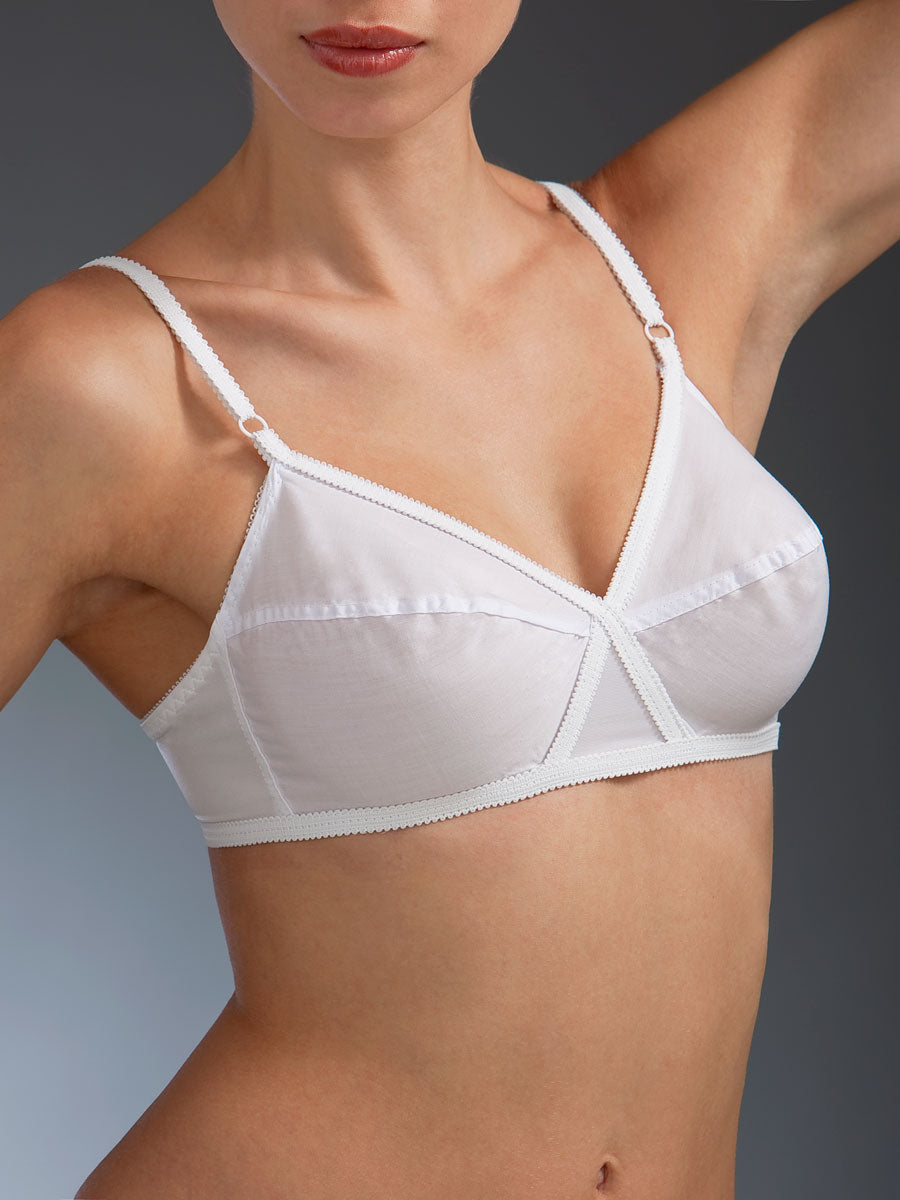
The pursuit of the perfect outfit is an external expression, but it begins with an internal decision—the choice of what lies beneath. The cross-your-heart bra represents more than a style; it is a solution born from an understanding of anatomy, a response to the demands of diverse lifestyles, and a commitment to harmonious comfort. It is the unsung hero that allows a wardrobe to function at its highest potential, providing the reliable, adaptable foundation upon which personal style is confidently built. When every garment in your closet is supported by such thoughtful design, getting dressed ceases to be a challenge and becomes a simple act of expression.