

Effortless Elegance: Mastering the Versatility of the Revolve Dress
In the lexicon of modern fashion, few garments promise and deliver as much as the perfect dress. It is a singular piece that can encapsulate mood, intention, and identity. Among the pantheon of contemporary designers and retailers, one style has risen to a position of particular reverence for its chameleonic ability to adapt: the revolve dress. This is not merely about a garment that spins; it is about a concept that evolves, a piece designed to revolve seamlessly around the clock and through the compartments of our lives. Its elegance lies not in ornate detail, but in intelligent design—a calculated simplicity that empowers the wearer. To master its versatility is to unlock a new dimension of personal style, one where a single item can be the cornerstone of countless narratives, from the boardroom to a gallery opening, from a casual brunch to an intimate dinner. This exploration is an invitation to understand the dress not as a purchase, but as an investment in a more fluid and confident self-expression.
The Anatomy of Versatility: Design Principles of a Wardrobe Workhorse
The magic of a truly versatile revolve dress is not accidental; it is engineered. The principles underpinning its design are rooted in both aesthetic theory and practical anthropology. From a scientific perspective, versatility in clothing relates to what psychologists term “enclothed cognition”—the systematic influence that clothes have on the wearer’s psychological processes. A study from Northwestern University demonstrated that the symbolic meaning of clothing and the physical experience of wearing it significantly alter the wearer’s attention and confidence. A well-designed versatile dress leverages this by offering a neutral yet sophisticated canvas. Key design elements include a silhouette that flatters multiple body types (often an A-line, sheath, or wrap design), a fabric with appropriate drape and recovery (like premium ponte knit, silk crepe, or a high-quality cotton blend), and a color and pattern that serve as a neutral base (navy, black, burgundy, or a subtle abstract print). As fashion historian Dr. Valerie Steele, director of The Museum at the Fashion Institute of Technology, has noted, “The most enduring items in fashion history are those that solve a problem elegantly.” The problem today is the demand for multifunctionality in a fast-paced world, and the revolve dress is a sartorial solution par excellence.
From Day to Night: The Alchemy of Accessory-Driven Transformation
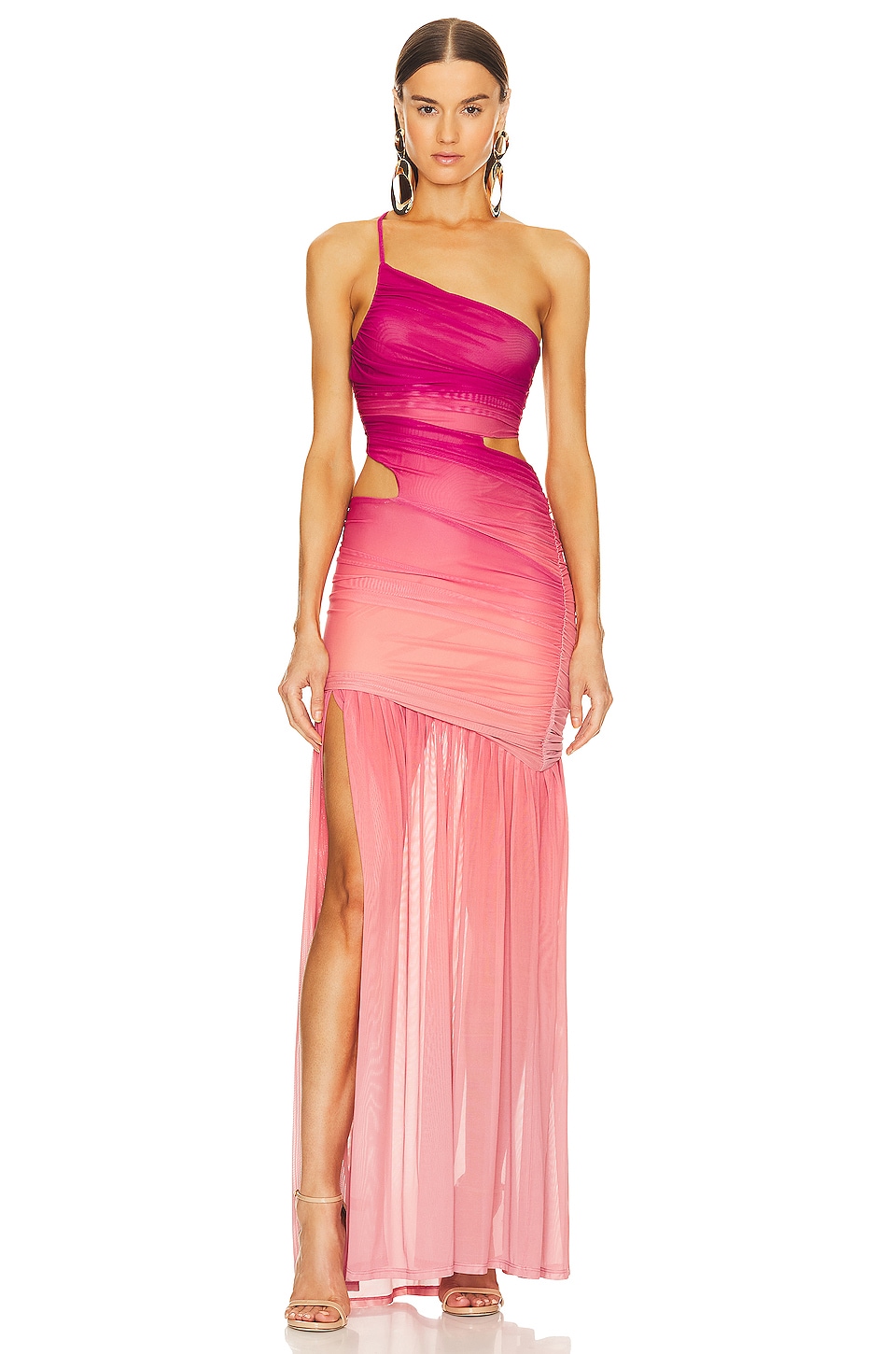
Your day begins with the clear, focused light of morning and the revolve dress you selected is your armor for professional conquest. Paired with a structured blazer, minimalist pointed-toe flats, and a leather tote, it communicates competence and clarity. The dress itself, perhaps in a solid hue, provides a flawless backdrop. This is where the concept of “costume” in the positive, theatrical sense comes into play. As Shakespeare penned, “All the world’s a stage,” and our clothing are our costumes for each act. The transformation for evening is an exercise in alchemy through accessories. The blazer is shed. The tote is replaced by a sleek clutch. The flats are swapped for strappy heels—a change that posture experts agree immediately alters gait and presence. Statement jewelry enters the scene: a cuff bracelet, chandelier earrings. A bold lip color completes the metamorphosis. This practice is championed by style authorities from Vogue to YouTube stylists like Ashley (BestDressed), who consistently demonstrate how foundational pieces multiplied by accessories equal exponential style possibilities. The revolve dress remains the constant, the stable variable in a stylish equation, proving its worth not once, but twice daily.
Seasonal Intelligence: A Year-Round Companion
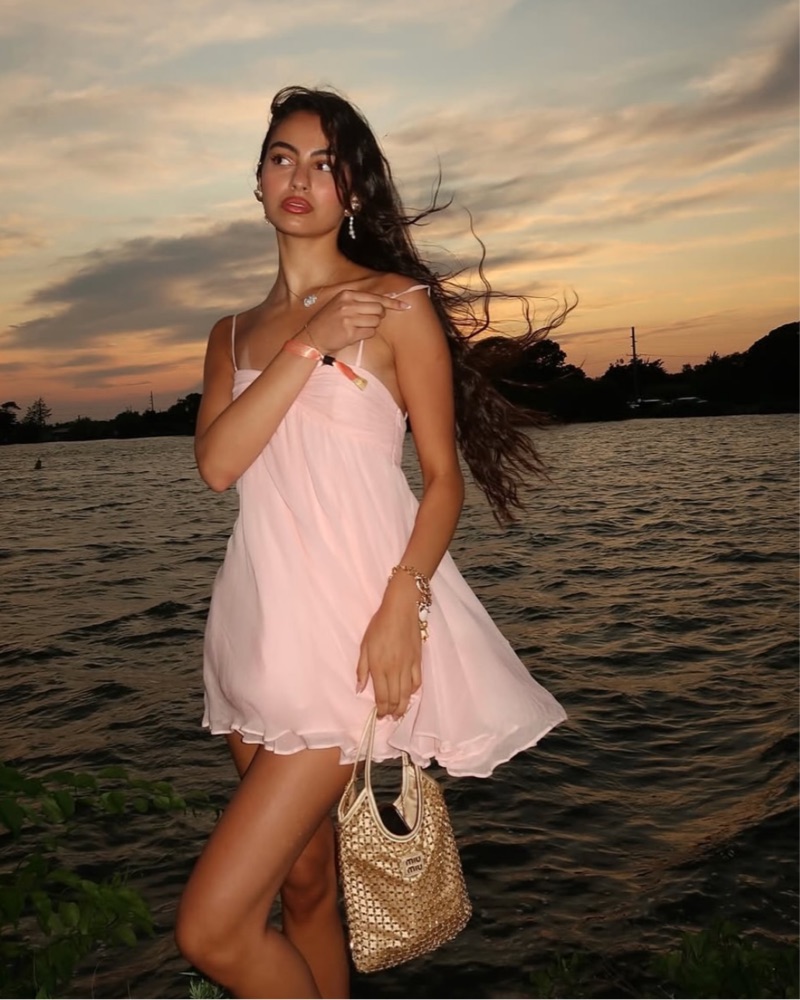
A common misconception is that a dress is a seasonal item. The mastery of the revolve dress lies in its defiance of this notion. Its year-round utility is a testament to intelligent layering, a concept deeply embedded in the fashion cultures of regions with volatile climates, like Scandinavia or Japan. In spring, the dress stands alone with a trench coat and ankle boots. Summer sees it with sandals and a wide-brimmed hat. Autumn calls for tights, knee-high boots, and a chunky knit cardigan. Winter demands a tailored wool coat, a scarf, and ankle boots. Each combination creates a distinct silhouette and feel, yet the core garment remains. This approach is not only stylish but economically and environmentally sound, aligning with the “capsule wardrobe” philosophy popularized by influencers and experts like Susie Faux in the 1970s and modernized by bloggers today. It reduces the need for excessive consumption, focusing instead on quality and utility. The dress becomes a trusted companion, its value appreciating with each season it gracefully weathers.
The Psychological Dividend: Confidence Through Calculated Simplicity
Beyond the physical and aesthetic utility, the profound power of a mastered versatile dress is psychological. Decision fatigue is a well-documented cognitive phenomenon where the quality of one’s decisions deteriorates after a long session of decision-making. As former U.S. President Barack Obama and tech visionary Steve Jobs famously understood, limiting trivial choices (like what to wear) conserves mental energy for more important matters. Having a go-to, reliably elegant option like a revolve dress eliminates morning ambiguity. You step into a known entity, a garment that has been vetted for comfort, fit, and flattery. This creates a foundation of confidence that permeates your day. Furthermore, the knowledge that you are prepared for any impromptu event—a client dinner, a post-work social—provides a sense of social readiness that alleviates anxiety. It is the sartorial equivalent of having a well-stocked pantry or a full tank of gas; it is preparedness translated into fabric. This confidence is the ultimate elegance, an effortless poise that comes not from the dress itself, but from the mastery of its potential.
Curating Your Core: A Practical Guide to Selection
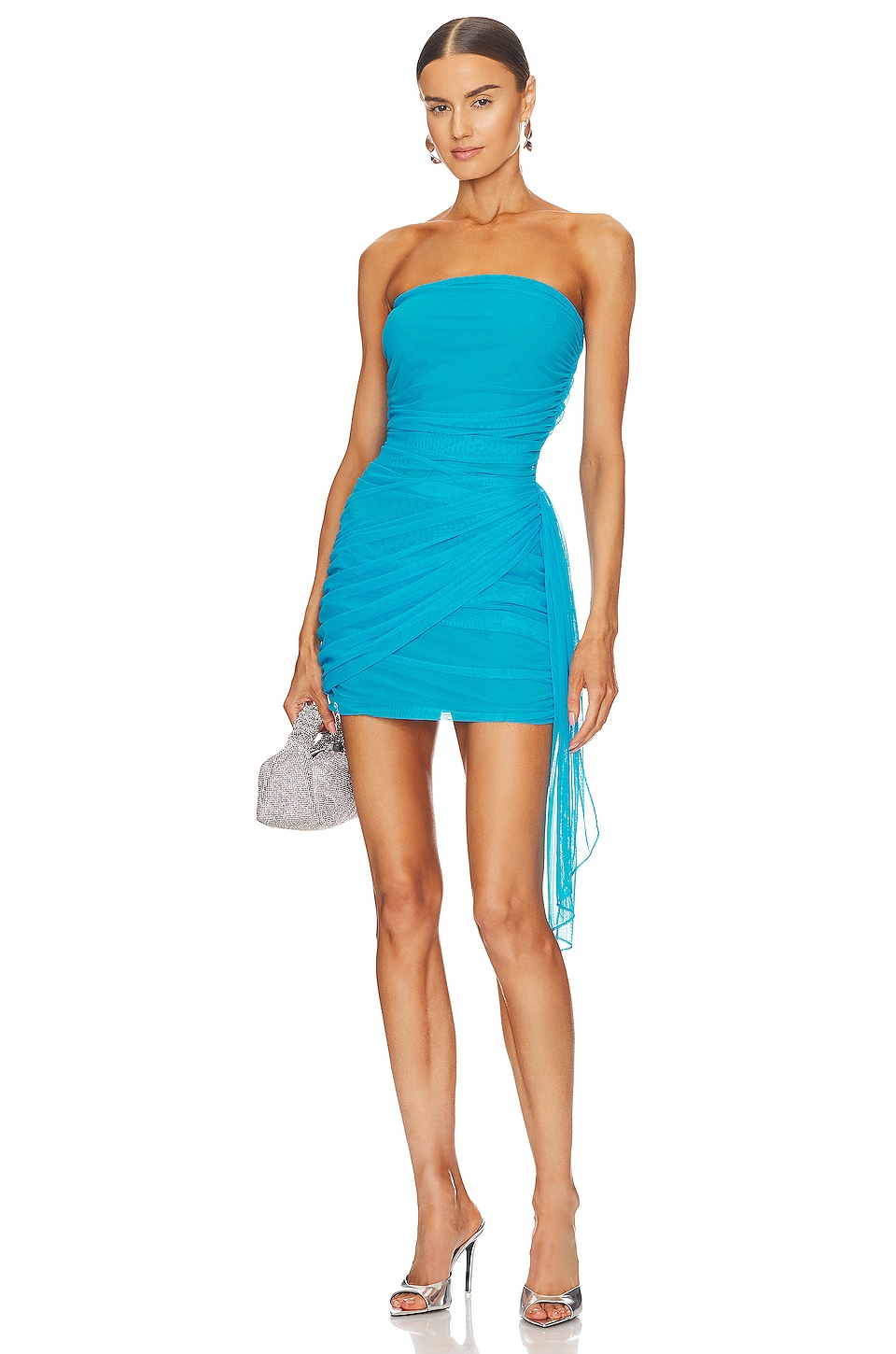
Mastery begins with selection. Not every dress labeled “versatile” will fulfill the promise of a true revolve dress. Your curation process must be personal and discerning. First, audit your lifestyle. What percentages of your time are spent in professional, casual, and formal settings? Your first revolve dress should cater to your dominant setting. Second, know your palette. Identify two to three neutral colors that complement your skin tone and form the backbone of your existing wardrobe. Third, prioritize fabric and construction. Feel the weight of the fabric; it should feel substantial, not flimsy. Examine the seams, the lining, the zipper. As Coco Chanel’s wisdom endures: “Luxury must be comfortable, otherwise it is not luxury.” Fourth, invest in fit, not just size. A tailor is your ally in transforming a good dress into a great one, ensuring the shoulders sit perfectly and the hem hits at the most flattering point on your leg. This initial, thoughtful investment pays infinite dividends in wear and satisfaction, forming the cornerstone of a intelligent wardrobe.
An Expert’s Endorsement: The Value of Authoritative Opinion
The pursuit of versatile elegance is not a solitary one. It is a path illuminated by the insights of those who have studied form, function, and style. Consider the perspective of Tim Gunn, renowned fashion consultant and co-host of Project Runway. He has long advocated for a “closet full of clothes you love,” emphasizing quality over quantity and the importance of “make it work” versatility. In his book, Gunn’s Golden Rules: Life’s Little Lessons for Making It Work, he stresses the power of a uniform-like approach for simplifying life without sacrificing style. Similarly, the minimalist aesthetic championed by designers like Jill Sander and brands like The Row is predicated on the transformative power of exquisite cut and fabric in neutral tones—the very essence of the revolve dress philosophy. These are not fleeting trends but enduring principles endorsed by the arbiters of taste, giving us the confidence to invest in pieces that transcend seasonal whims.
“Style is primarily a matter of instinct. But it can be cultivated. Start with one excellent piece you feel great in and build out from there. A great dress is the best possible foundation.” — A sentiment echoed by fashion editor and author Diana Vreeland.
The Confluence of Quality and Value: An Intelligent Investment
In an era of fast fashion, the true cost of a garment is often hidden. The revolve dress represents a different calculus: the intelligent investment. The initial price point of a well-made dress from a retailer like Revolve, which curates contemporary designer labels, may be higher than a disposable alternative. However, the cost-per-wear metric tells the true story. A $200 dress worn 50 times costs $4 per wear. A $50 dress worn twice before losing its shape or relevance costs $25 per wear. The economic advantage is clear. Furthermore, retailers frequently offer seasonal sales, promotional discounts, and loyalty programs, bringing these quality pieces within a more accessible range. This is not about mere consumption; it is about strategic acquisition. You are not buying a dress for one event; you are investing in a tool for self-expression that will yield returns in confidence, time saved, and consistent style for years. This is the essence of bringing professional knowledge of value and discounted access to the user—empowering them to make choices that are economically and stylistically sustainable.
The journey towards effortless elegance is not about accumulating more, but about understanding more deeply what you already possess. The revolve dress is a paradigm of this philosophy—a single, intelligent garment whose versatility is limited only by the imagination of the wearer. It is a canvas for your daily life, a psychological anchor, and a testament to the power of thoughtful design. By mastering its potential through strategic accessorizing, seasonal layering, and confident ownership, you unlock a wardrobe that is both minimalist and maximal in its possibilities. This is the modern elegance we seek: not a rigid, formal perfection, but a fluid, adaptable confidence that moves with grace through every turn of our revolving world.