

Effortless Elegance: Styling Your Corset and Skirt for Every Occasion
Elegance is not about being noticed; it’s about being remembered. This quiet power is perfectly encapsulated in the timeless pairing of a corset and skirt. Far from being a restrictive costume piece, the modern corset is a tool of empowerment and silhouette definition, while the skirt offers infinite versatility. Together, they form a foundation for a personal style that is both structured and fluid, capable of moving from a boardroom presentation to an evening gala with what appears to be effortless grace. The true artistry lies not in the garments themselves, but in understanding their history, construction, and the myriad ways they can converse with your personal narrative and the demands of any event on your calendar.
The Anatomy of Allure: Deconstructing the Corset
To style the corset and skirt with intelligence, one must first appreciate the engineering behind the corset. Objectively, a corset is a garment, historically made with a stiffened material like whalebone or steel, designed to shape the torso. Scientifically, its function is one of biomechanical support and redistribution of soft tissue, creating a specific hourglass silhouette by cinching the waist and supporting the bust. As fashion historian Valerie Steele notes in her seminal work, “The Corset: A Cultural History,” the garment’s purpose has oscillated between rigid moral symbolism and an instrument of erotic allure, but its core principle has always been transformation. Modern iterations, often called “fashion corsets” or “waist cinchers,” prioritize aesthetics over extreme waist reduction, using spiral steel bones for flexibility and comfort. This evolution is critical; today’s corset is less about constraint and more about choice—a choice to accentuate, to structure an outfit, or to connect with a historical aesthetic. When you lace one up, you are not squeezing into an old ideal; you are employing a design object with a rich, complex legacy to define your own shape on your own terms.
Foundation and Form: The Corset as Your Style Keystone
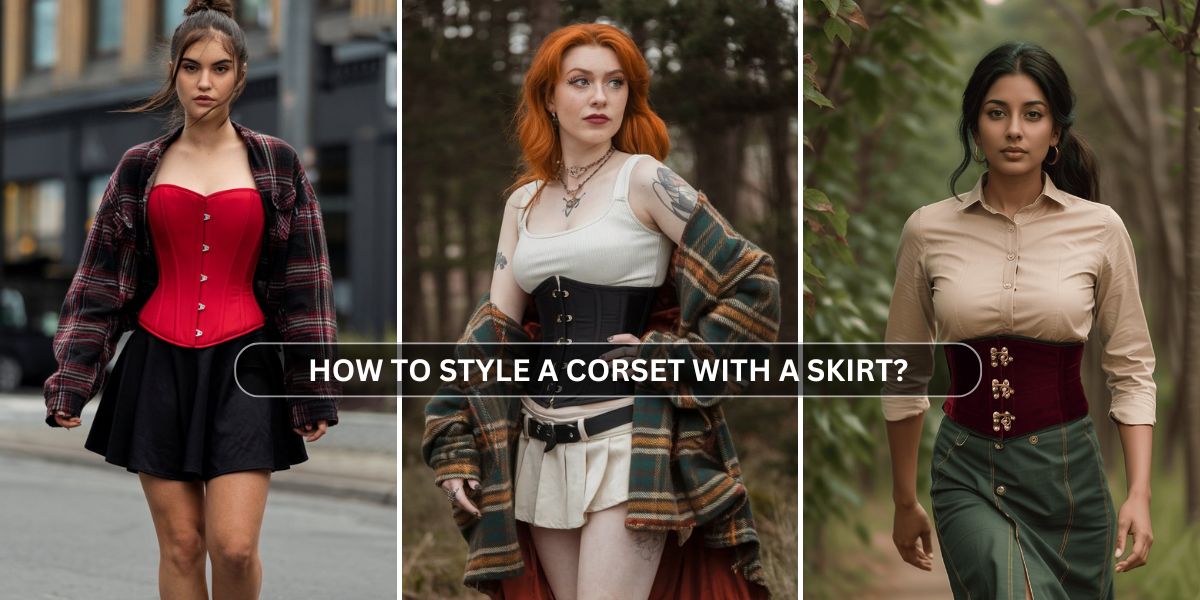
Think of your corset not as a top, but as the architectural keystone of your ensemble. Its primary role is to create a focal point—your waist—and provide a structured base from which the rest of your look flows. For a professional setting, pair a sleek, satin underbust corset over a crisp, tailored button-down shirt. Tuck the shirt into a high-waisted, pencil skirt. The corset here acts like a sophisticated vest, adding sharp definition without revealing skin, projecting an image of composed authority. Contrast this with a weekend look: a soft, cotton corset top laced loosely over a flowing, floral maxi skirt. Here, the corset introduces just enough structure to prevent the outfit from becoming formless, achieving a balanced, bohemian elegance. The key is proportion. As stylists often cite from the principles taught at institutions like the Fashion Institute of Technology, balancing volume is paramount. A voluminous skirt demands a fitted bodice, and nothing provides that fit more deliberately than a corset. It’s a dialogue between control and freedom, where the corset and skirt partnership allows you to dictate the terms.
The Skirt’s Symphony: Volume, Length, and Texture
If the corset is the keystone, the skirt is the canvas. Its variables—volume, length, and texture—directly determine the occasion and mood of your outfit. A leather pencil skirt paired with a matching bustier corset channels a powerful, modern-gothic vibe suitable for a concert or avant-garde event. The texture is sleek and imposing. Conversely, a tulle midi skirt with a delicate, lace-edged corset creates a romantic, ethereal look perfect for a garden party or engagement shoot. The volume of the tulle is balanced by the fitted corset, a principle visible in the costuming of films like Marie Antoinette (2006), which juxtaposed extreme corsetry with lavish, expansive skirts to dramatic effect. For the office, a wool-blend A-line skirt in a neutral hue provides a professional silhouette that pairs impeccably with a structured, understated corset worn as a layering piece. The scientific consideration here is one of geometry and visual weight. A-line shapes create a stable, triangular form that conveys reliability, while asymmetrical or bias-cut skirts introduce movement and dynamism. Your choice of skirt in the corset and skirt duo sets the emotional tone.
Occasion Alchemy: Transforming Your Silhouette from Day to Night
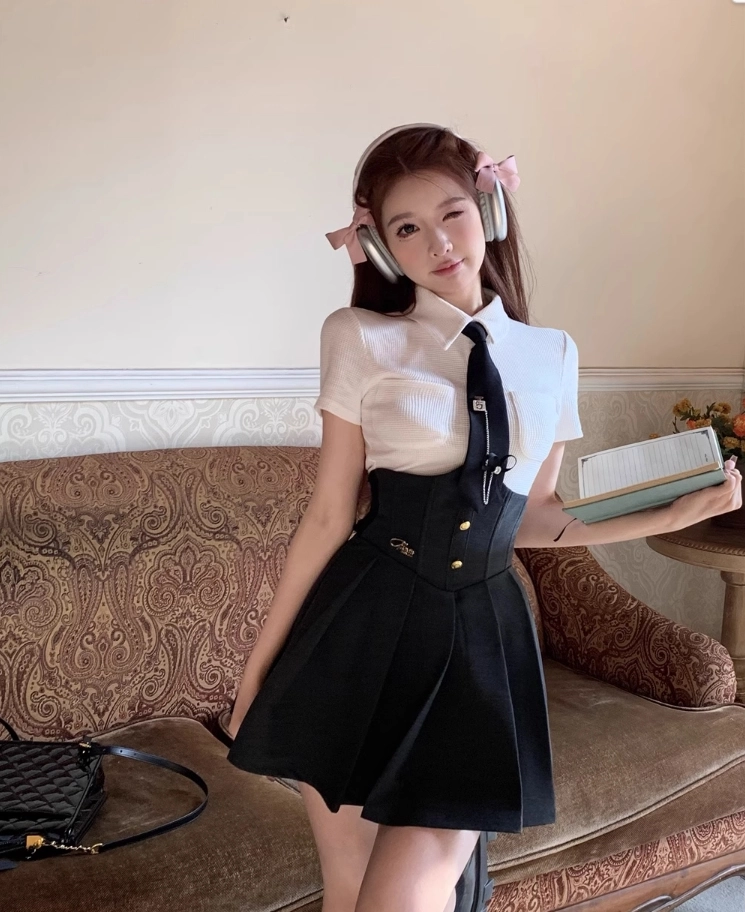
The magic of this combination is its chameleonic ability to adapt. Let’s follow a single corset through a day. In the morning, you wear it over a high-neck knit dress, instantly defining your waist for a series of client meetings. For lunch, you remove the dress, revealing the corset as a top, paired with a pre-pleated, knee-length tennis skirt—a look championed by style icons on platforms like YouTube for its “coquette” aesthetic, blending vintage inspiration with contemporary sportiness. As evening approaches, you switch to a dramatic, floor-length satin skirt with a thigh-high slit. The same corset, now accessorized with statement jewelry and a sleek updo, transforms into the centerpiece of a confident, red-carpet-ready ensemble. This versatility is not accidental. It stems from the corset’s fundamental role as a foundational shapewear piece that has been externalized. As fashion psychologist Dr. Dawnn Karen explores in her analyses, clothing impacts cognitive perception—a process called “enclothed cognition.” The deliberate structure of a corset can psychologically bolster feelings of confidence and preparedness, making it a powerful tool for navigating diverse social arenas, all while maintaining a cohesive thread of personal style through your chosen skirt variations.

Investment and Intelligence: Building a Quality Wardrobe
Embracing the corset and skirt aesthetic is an investment in versatile, long-lasting pieces. A well-made corset, constructed with spiral steel bones, a sturdy cotton twill outer layer, and a strong lacing system, is a garment that will last for years, not seasons. Brands that specialize in historical reproduction or modern waist training often provide the highest quality, as their designs are rooted in functional patterning rather than fast fashion trends. Similarly, investing in skirts made from natural fibers like wool, silk, or high-quality cotton ensures they drape beautifully and endure frequent wear. The professional knowledge here is in the cost-per-wear calculation. A $200 corset worn 50 times a year over four years has a cost-per-wear of just $1. To bring this knowledge to you, many reputable corsetieres offer seasonal sales, sample sales, or loyalty discounts. For instance, signing up for newsletters from specialty retailers can often unlock a 10-15% introductory discount, making these investment pieces more accessible. The goal is to build a capsule where one exquisite corset can be the anchor for multiple skirts, each serving different functions, thus maximizing your style budget and minimizing closet clutter.
A Note from the Icons: Corsetry in Cultural Perspective
“The corset is the most controversial garment in the entire history of fashion. To its detractors, it is an instrument of torture, a symbol of oppression. To its admirers, it is a thing of beauty, an emblem of romance.” — This summation by Valerie Steele, often quoted in academic literature, frames the debate perfectly. Meanwhile, contemporary celebrities have reclaimed the narrative. Pop superstar Rihanna has frequently incorporated corsets into her stage costumes and street style, treating them as symbols of powerful, unapologetic femininity. On Twitter, fashion commentators often highlight how figures like Zendaya use corset-inspired tops on the red carpet to blend old-world glamour with modern minimalism. These perspectives validate the corset and skirt as a combination rich with personal and cultural meaning, allowing you to participate in a historical dialogue through your style choices.

Ultimately, the journey with a corset and skirt is one of personal definition. It begins with understanding the garments not as fleeting trends, but as design elements with depth and function. It flourishes through experimenting with textures, volumes, and contexts, allowing the structured elegance of the corset to converse with the expressive freedom of the skirt. This pairing offers a unique sartorial language—one of contrast, balance, and intention. It empowers you to craft a silhouette that is distinctly yours, ready for any occasion with a quiet, undeniable confidence that speaks not of effort, but of inherent elegance.