

Effortless Elegance: The Versatile Revolve Dress for Every Occasion
In the ever-evolving landscape of fashion, where trends flicker and fade with the seasons, the pursuit of a singular garment that embodies both timeless style and adaptable function remains a constant. This pursuit finds a compelling answer in the concept of the revolve dress. More than just a piece of clothing, it represents a philosophy of dressing centered on intelligent design, quality construction, and versatile aesthetics. It is the sartorial equivalent of a keystone, holding together an entire wardrobe with grace and efficiency. The modern individual, navigating a spectrum of daily demands from professional meetings to casual brunches and evening soirees, requires apparel that can transition seamlessly without sacrificing personal style. The revolve dress, particularly as curated by forward-thinking retailers, is engineered to meet this exact need, offering a solution that is as pragmatic as it is polished.
The Anatomy of Versatility: Defining the Core Principles
To understand the power of the revolve dress, one must first dissect the principles that elevate it from a simple dress to a wardrobe cornerstone. Versatility in fashion is not accidental; it is a product of deliberate design choices. According to research from the Fashion Institute of Technology, versatile garments often share key characteristics: a silhouette that flatters multiple body types, a fabrication that drapes well and resists wrinkling, and a color or pattern that serves as a neutral canvas or a tasteful statement. A study published in the International Journal of Fashion Design, Technology and Education emphasizes the role of “transformational design” in sustainable fashion, where single garments are designed for multiple uses and contexts, thereby reducing consumption. The revolve dress epitomizes this. Its design likely avoids overly trendy extremes, favoring instead a midi length, a wrap or A-line silhouette, and fabrics like premium ponte knit, silk crepe, or a high-quality cotton blend. These choices are not arbitrary; they are scientifically informed. For instance, a wrap dress, popularized by Diane von Furstenberg in the 1970s, is celebrated for its universally flattering fit, a fact often cited on platforms like Quora by fashion historians who note its ability to cinch the waist and accommodate various figures. This objective, almost scientific approach to flattery is a hallmark of a true versatile piece.
From Day to Night: The Seamless Transition
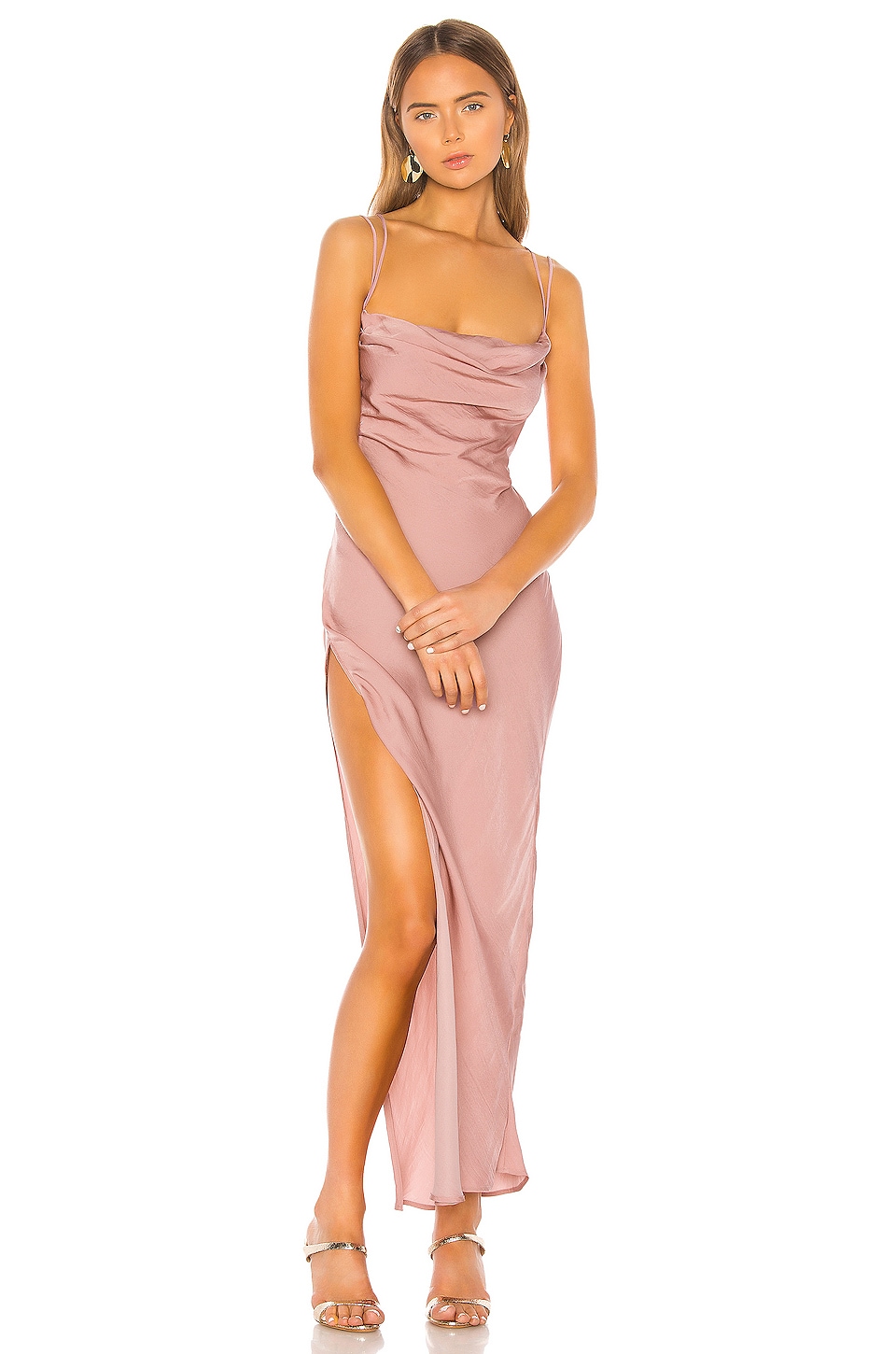
The most rigorous test for any versatile garment is its ability to traverse the boundary between day and night. A revolve dress passes this test with what can only be described as effortless elegance. The mechanism for this transformation lies in the details. Consider a simple sheath dress in a solid hue like navy, black, or burgundy. During the day, its authority is established when paired with a structured blazer, low-block heels, and a minimalist tote. This ensemble communicates professionalism and competence, aligning with the non-verbal communication theories explored in fields like organizational psychology. As noted by image consultants often referenced on LinkedIn, color and fit significantly impact perceived authority in professional settings. When the workday concludes, the transformation begins. Shedding the blazer, swapping the tote for a sleek clutch, and replacing the daytime heels with strappy sandals or statement jewelry instantly recalibrates the dress’s energy. The same foundational piece now exudes sophistication for a dinner date or a gallery opening. This duality is not magic; it’s intelligent design. The dress itself provides a clean, sophisticated base—a “blank slate” upon which different accessories project different narratives. As fashion influencer and author Brittany Bathgate once articulated on her platform, “The goal is to have pieces that feel like you, regardless of the time on the clock.” The revolve dress is precisely that: an extension of personal style that is context-aware.
Fabric and Form: The Scientific Underpinnings of Comfort and Style
Long-lasting comfort and enduring style are inextricably linked to the material science of textiles. A dress that looks beautiful but feels restrictive, or that wrinkles beyond repair after an hour of sitting, fails the versatility test. The ideal revolve dress leverages fabric technology. Ponte knit, a double-knit fabric often comprising rayon, nylon, and spandex, is a frequent star in versatile collections. As explained in textile resources from universities like North Carolina State University, its structure provides excellent recovery (resistance to bagging), moderate stretch for comfort, and a neat, polished appearance that masks minor wrinkles. Similarly, Tencel™ lyocell, derived from sustainable wood pulp, is praised on eco-fashion sites like Good On You for its silky drape, breathability, and moisture-wicking properties. The choice of fabric is a scientific decision that directly impacts the wearer’s experience. Furthermore, the form or cut of the dress must follow principles of ergonomics and aesthetics. Darts, seams, and shaping are placed not only to create a visual silhouette but to allow for movement. A well-designed dress accommodates the dynamic nature of daily life—reaching, sitting, walking—without pulling, gaping, or losing its shape. This marriage of fabric and form is where objective quality meets subjective beauty. It’s the reason a premium dress feels like a second skin, a point often made by costume designers in film commentary, who note that actors perform best when their clothing is unobtrusively comfortable and character-appropriate.
The Cultural and Economic Logic of a Wardrobe Workhorse
Investing in a versatile revolve dress is as much an economic and cultural decision as it is a sartorial one. In an era increasingly conscious of consumption, the “cost per wear” model becomes a vital metric. A dress purchased at a moderate price point but worn only once carries a high cost per wear and a significant environmental footprint, as highlighted by the Ellen MacArthur Foundation’s work on circular fashion. Conversely, a slightly higher initial investment in a meticulously designed, multi-occasion dress that is worn thirty times over several seasons dramatically lowers its cost per wear and aligns with more sustainable consumption patterns. This is the professional knowledge we bring to users: understanding value as a function of utility and longevity, not just price tags. Furthermore, culturally, such a dress empowers the wearer. It eliminates the “I have nothing to wear” paradox—a phenomenon humorously explored in countless sitcoms and novels, from Sex and the City to The Devil Wears Prada—by providing a reliable, always-appropriate option. It builds confidence through consistency. As Michelle Obama wrote in her memoir Becoming, her choice of often simple, elegant dresses was a deliberate strategy to present a consistent, approachable image, allowing her message to remain the focus. A versatile dress operates on the same principle, becoming a trusted tool for self-presentation across varied stages of life.
Curating Your Occasions: Practical Applications
Let us move from theory to practice. How does one deploy this wardrobe workhorse across a real-world week? Imagine a dress in a classic animal print, subtle enough to be professional yet bold enough to be interesting. On Monday, for a client presentation, layer it under a solid-colored, long-line cardigan with pointed-toe flats. The ensemble is authoritative yet modern. For Wednesday’s after-work networking cocktail, remove the cardigan, add a thin belt to accentuate the waist, and switch to ankle-strap heels. The dress now speaks a language of confident sociability. Come Saturday, for a casual weekend outing, the same dress pairs effortlessly with a denim jacket, white sneakers, and a crossbody bag, transforming into a look of relaxed, off-duty chic. This chameleon-like ability is the core promise of the revolve dress. It responds to the wearer’s intent and context. Each combination feels distinct, yet the central piece—the dress—provides a coherent thread of personal style. This approach demystifies dressing and liberates time and mental energy, a benefit any professional will appreciate. It is the application of a minimalist ethos to a maximalist life, ensuring you are always appropriately dressed, always feeling like yourself.
Beyond the Little Black Dress: Expanding the Color Palette
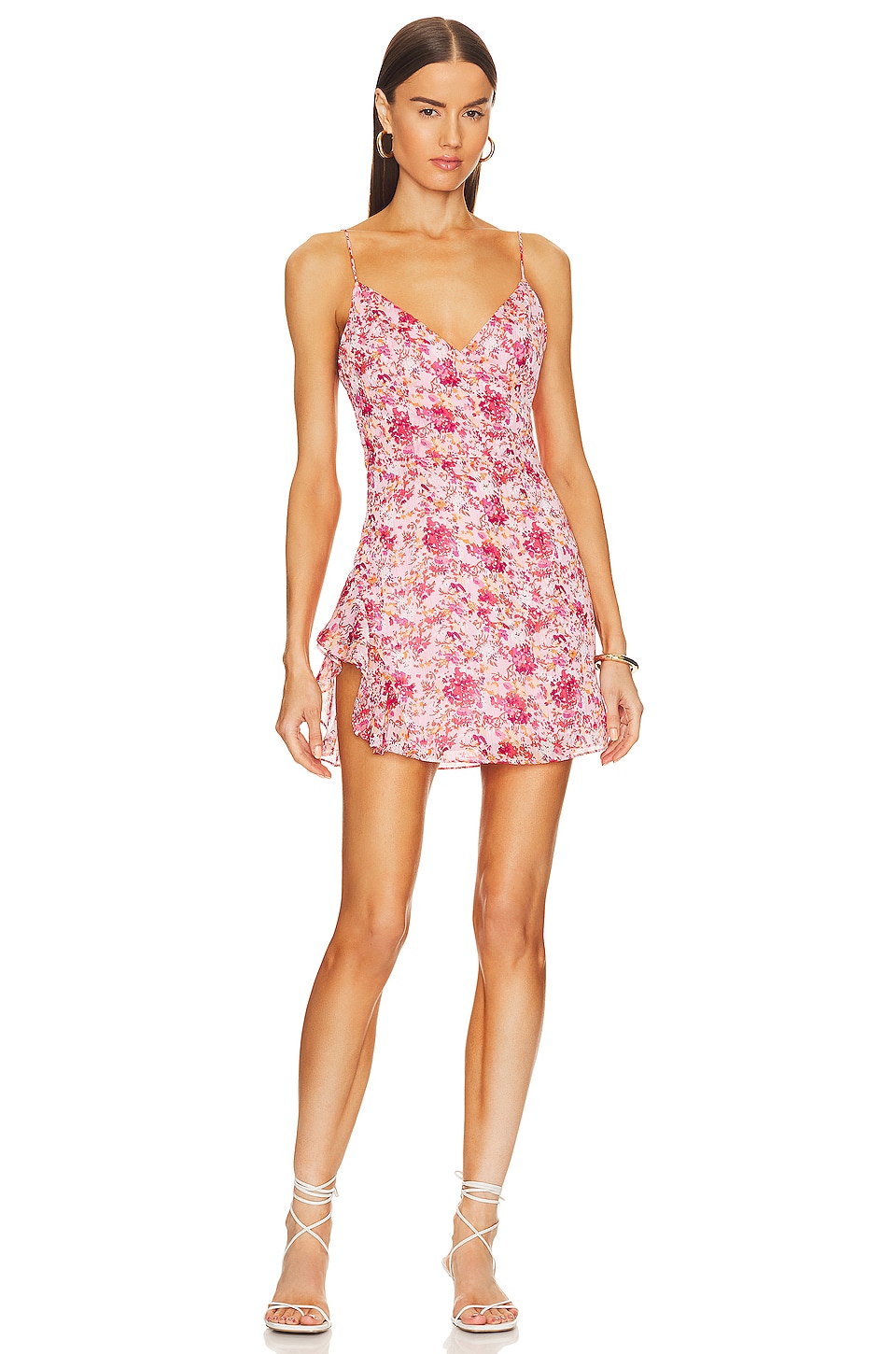
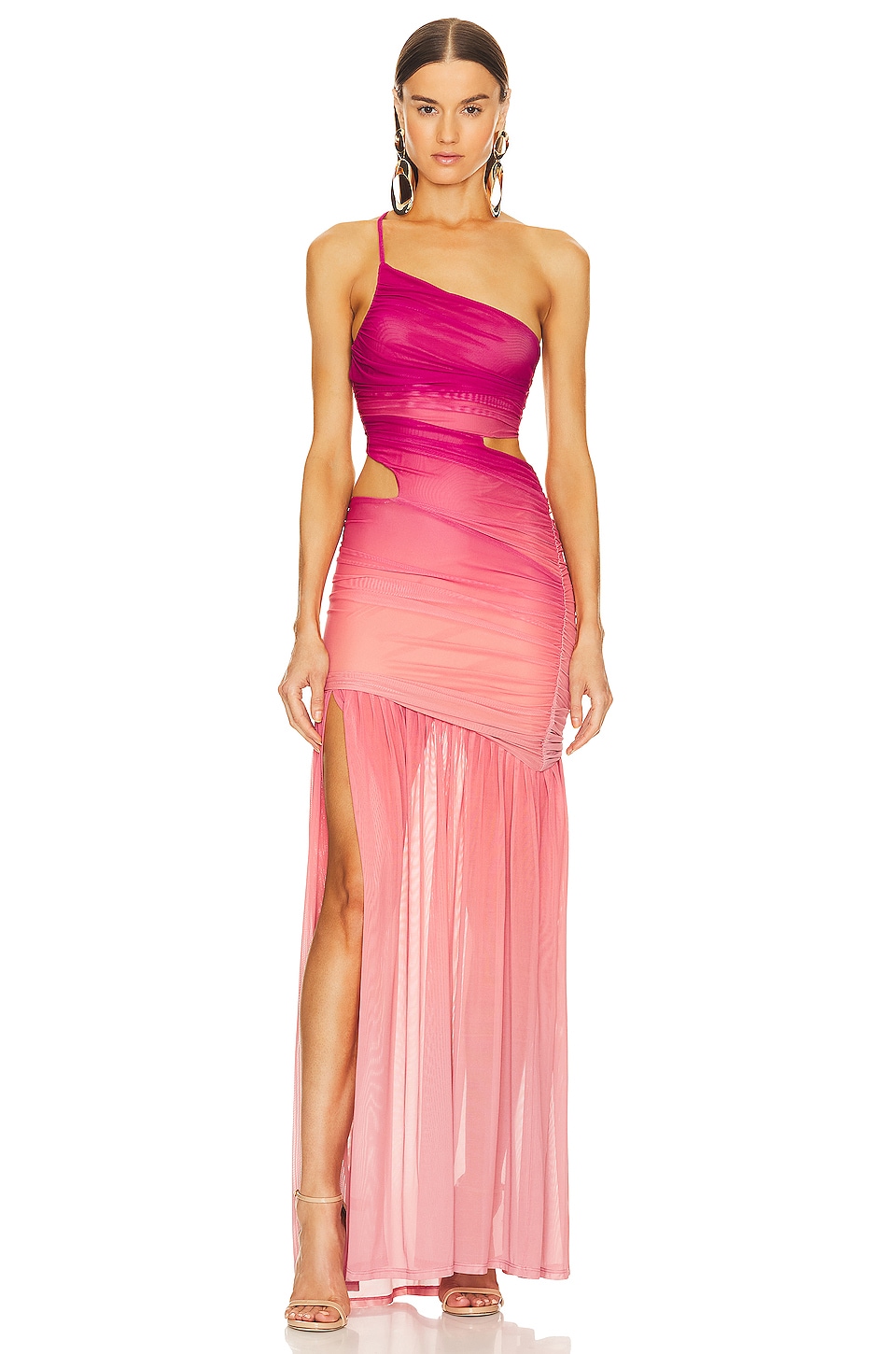
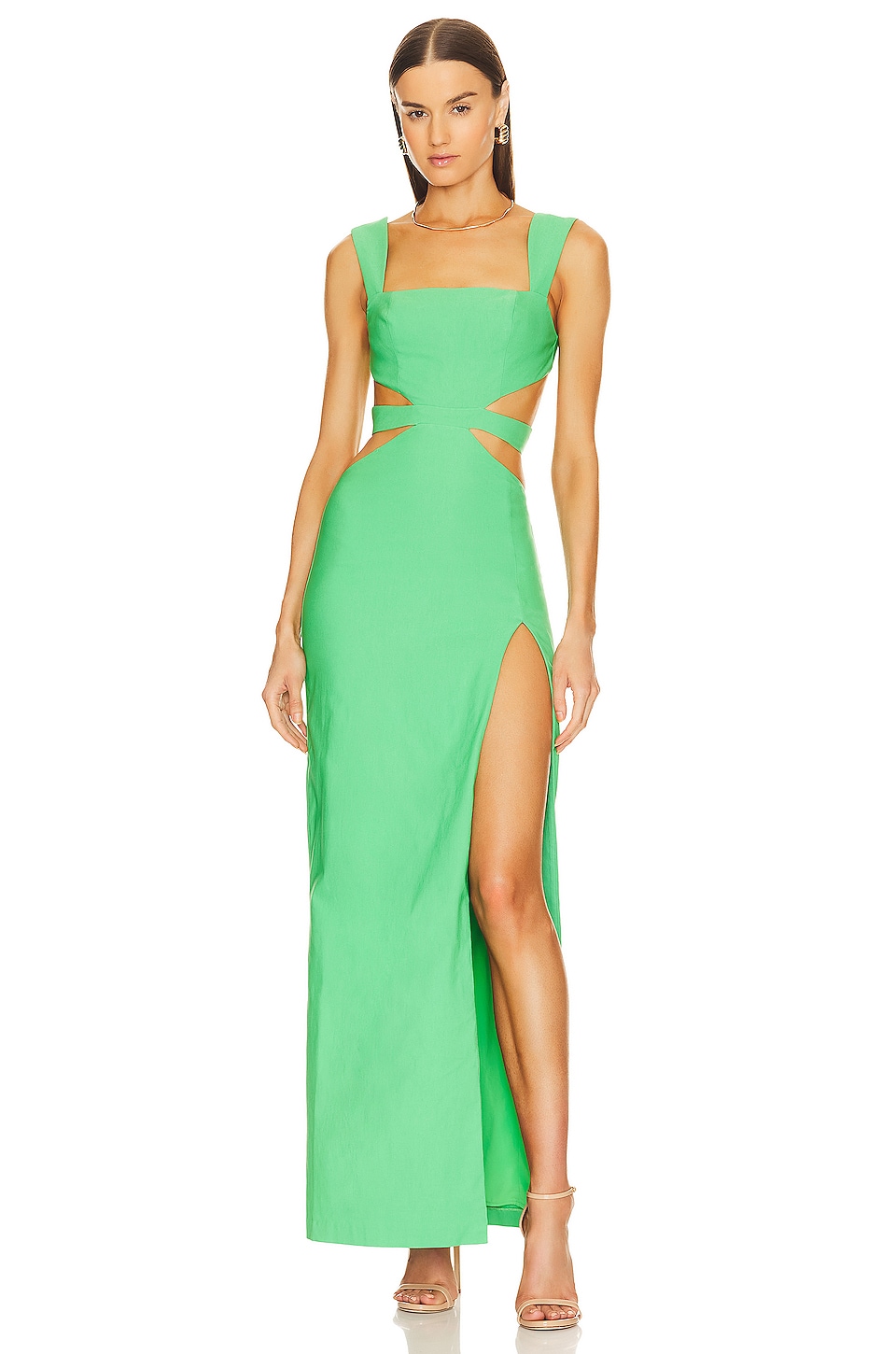
While the Little Black Dress (LBD) is the archetype of versatility, the modern revolve dress concept expands this palette. Rich jewel tones like emerald green or sapphire blue offer the same neutrality as black for many but can add a flattering dimension of color to the complexion. Deep, earthy tones like terracotta or olive green provide a contemporary, grounded alternative. Even a vibrant floral print, if the scale is moderate and the background is dark, can serve as a neutral when you consider the dress as the statement piece itself. The key, as often discussed by stylists on platforms like YouTube, is in knowing how to anchor the look. A brightly colored or printed dress often requires more subdued accessories to let it shine. This expansion of options allows for greater personal expression while adhering to the principle of versatility. It acknowledges that elegance is not monolithic but can be painted in a spectrum of hues, all while maintaining the garment’s core function as a reliable, multi-use item.
The journey through the concept of the versatile dress reveals it to be far more than a trend. It is a thoughtful response to the complexities of modern living. It combines objective design principles—from textile science to ergonomic cut—with a deep understanding of social and professional contexts. It represents an intelligent investment in one’s wardrobe and, by extension, in one’s own confidence and capability. By choosing pieces designed with this level of intentionality, you are not merely buying a dress; you are acquiring a tool for effortless elegance, a companion for your daily revolutions. The true value lies in its silent reliability, its ability to make you look and feel impeccably composed, no matter what the occasion demands, allowing you to focus on what truly matters—the life you’re living in it.