

Finding Support, Comfort, and Style
For many, the quest for the perfect bra is a journey fraught with compromise. We are told to choose between structure and softness, between uplift and ease, between aesthetic appeal and practical function. This narrative of sacrifice is particularly pervasive for those requiring fuller cup sizes, where the market often implies that adequate support must come at the cost of comfort and style. I am here to dismantle that notion entirely. The harmonious convergence of support, comfort, and style is not a mythical ideal; it is an achievable standard, a right, and the foundation of both physical ease and personal confidence. This article is a manifesto against compromise, a guide rooted in biomechanics, design philosophy, and the lived experience of finding garments that truly serve the body they adorn.
The Non-Negotiable Triad: Defining Our Core Pursuits
Before we can find this trifecta, we must understand its components with a degree of objectivity often missing from fashion discourse. Support, in an engineering sense, refers to a structure’s ability to bear weight and maintain shape under load. Translated to lingerie, it is the bra’s capacity to counteract gravitational pull, distribute breast tissue weight across a wider area (like the band and shoulders), and minimize strain on the Cooper’s ligaments—the delicate connective tissues within the breast. A 2013 study from the University of Portsmouth’s Research Group in Breast Health emphasized that inadequate support during physical activity can lead to breast pain and potential long-term tissue damage, underscoring that support is a health consideration, not merely an aesthetic one. Comfort is a multisensory experience. It is the absence of pinching wires, digging straps, and abrasive fabrics. It is thermodynamic, allowing breathability. It is psychological, stemming from a feeling of security and forgettability—the best bra is one you don’t constantly feel the need to adjust. Style, far from being superficial, is the expression of personal identity. It is the lace detail that makes you feel elegant, the bold color that boosts your mood, or the seamless silhouette that empowers your outfit choice. As fashion psychologist Dr. Dawnn Karen posits, what we wear influences our cognitive processes—a phenomenon known as “enclothed cognition.” A bra that aligns with your style isn’t just pretty; it actively contributes to a empowered mindset.
Engineering Elegance: The Science Behind the E Cup Bras
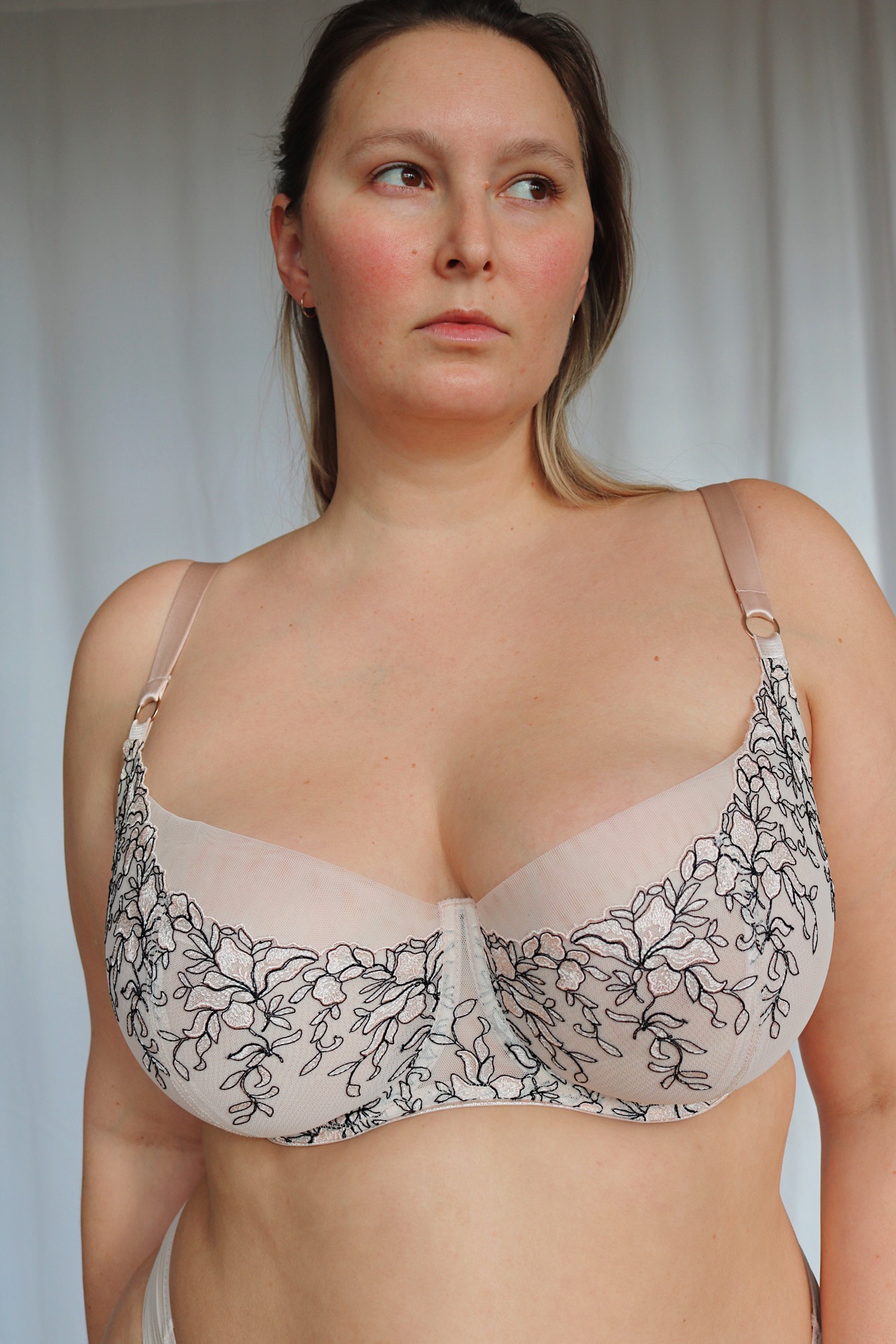
To achieve this triad, especially in fuller bust ranges, requires intelligent design. This is where the specialized world of E cup bras becomes a case study in biomechanical artistry. The letter ‘E’ indicates a specific proportional relationship between bust and underbust measurements, not an absolute volume, which is why fit is paramount. The core engineering principles in a well-constructed E cup bra are distributive and structural. First, the band. It must provide at least 80% of the support, a fact championed by lingerie experts worldwide. A firm, snug band (parallel to the ground) creates a stable foundation, transferring weight from the shoulders to the torso. Second, the underwire. When correctly fitted, it should fully encase all breast tissue at the sides and front, sitting flat against the sternum. It acts as a load-bearing frame, much like the foundation of a bridge. Third, the cup construction. Seamed, multi-part cups are the unsung heroes for E cup bras and beyond. Each panel can be cut and sewn to direct tissue forward and upward, creating a natural, supported shape that molded, seamless cups often cannot achieve for larger volumes. Brands like Panache, Freya, and Elomi have built their reputations on mastering this architecture, proving that a E cup bra can be both a feat of engineering and an object of beauty.
Beyond the Basics: Style as a Function of Self
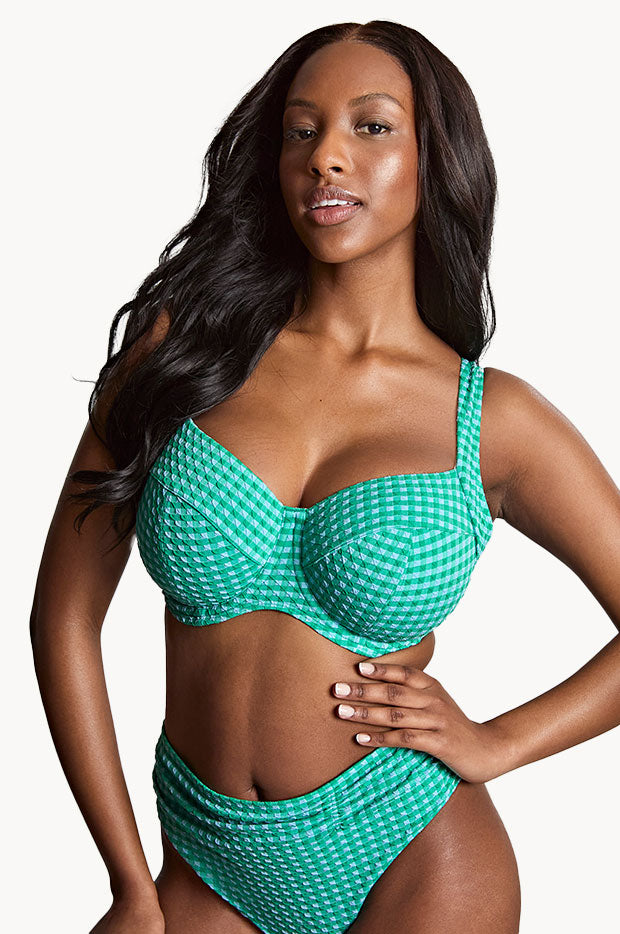
The historical lament that larger cup sizes only come in “beige and boring” is, thankfully, an outdated trope. The lingerie industry has undergone a quiet revolution, driven by consumer demand for inclusivity. Style for the full-busted woman is now a vibrant landscape. It encompasses everything from the classic sophistication of black lace balcony styles to the playful whimsy of printed plunge bras. Consider the aesthetic philosophy of brands like Curvy Kate, which states its mission is to make women “feel sensational,” leveraging bold patterns and contemporary designs. This aligns with the view of author and body image activist Jes Baker, who argues that claiming style in all sizes is a radical act of self-acceptance. Whether your style leans toward the romantic (think delicate embroidered tulle), the minimalist (sleek microfiber contours), or the daring (vibrant colors and geometric seams), the options exist. The key is to recognize that style is not an add-on; it is integral to the garment’s purpose. A beautifully designed E cup bra does not merely sit in your drawer; it invites you to wear it, transforming a daily necessity into a personal ritual.
The Personal Fit Journey: A Narrative in First and Second Person
Let me speak to you directly for a moment. You may have spent years feeling like your body is a problem to be solved by lingerie. I invite you to flip that script. The problem has never been your body—it has been the ill-fitting garments. Your journey begins with a tape measure and a willingness to let go of preconceived size labels. When I first learned my true size, it was a revelation that had nothing to do with numbers and everything to do with sensation. The center lay flat. The wire embraced my ribcage without digging. The straps stayed put without bearing the burden. This is the feeling you deserve. It is a process of becoming an expert on your own form. Online communities like r/ABraThatFits on Reddit provide crowdsourced wisdom and fitting guides that demystify the process. Remember, the goal is not just to “fit into” a bra, but for the bra to fit you—to become an almost-invisible extension of your body that provides a pillar of confidence from which you can move through your day.
Curated Choices and Accessible Luxury
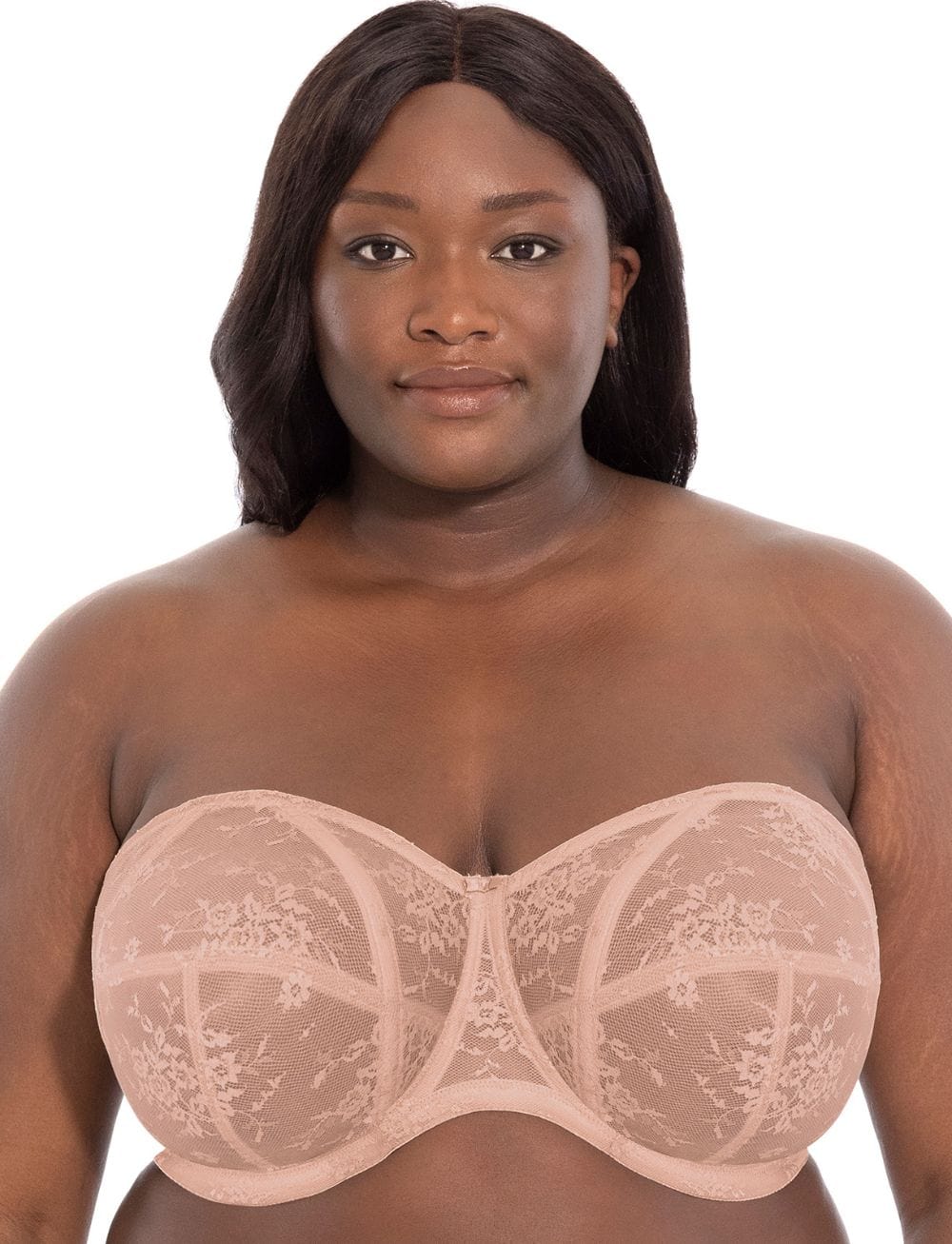
Knowledge is power, but access is key. Understanding the “why” behind a good bra must be paired with the “where” and the “how much.” Investing in quality construction—featuring stronger elastics, durable fabrics, and reinforced stitching—often means a higher upfront cost but a lower cost-per-wear over time. However, the landscape is rich with opportunities for savvy shopping. Direct-to-consumer brands frequently offer superior value by cutting out middlemen. Seasonal sales on reputable lingerie retailer websites, flash sales, and outlet sections are excellent ways to acquire premium brands like Fantasie or Goddess at a fraction of the retail price. The goal is to bring professional knowledge and discounted prices to your fingertips. Consider subscribing to newsletters from specialized retailers for early sale access. The mantra here is intentionality: buying fewer, better-fitting, more beautiful pieces that serve multiple roles in your wardrobe is a more sustainable and satisfying approach than accumulating drawers of uncomfortable compromises.

A Foundation, Not a Finish Line
The pursuit of the perfect bra is less about reaching a destination and more about adopting a new philosophy towards how you dress your body. It is a shift from enduring your underwear to celebrating it. When you secure a bra that masterfully blends support, comfort, and style—a true E cup bra hero in your collection—the effects radiate outward. Your posture may improve from the balanced support. Your clothing drapes more elegantly. There is a subtle, yet profound, liberation in not having to think about constant adjustments. This journey redefines the relationship with your own form, framing it not as a challenge for designers, but as a canvas worthy of the finest craftsmanship and most thoughtful design. It proves that in the intimate architecture of our daily lives, we should—and can—refuse to choose between feeling held and feeling free, between being supported and being utterly ourselves.