

How to Style a Retrofete Dress for Effortless Vintage Glamour
In a world where fashion cycles spin faster than ever, the allure of vintage glamour remains a constant, a siren call to an era of meticulous craftsmanship and unabashed femininity. Yet, navigating this aesthetic doesn’t require a time machine or a vintage boutique fortune. It’s about capturing a feeling, a silhouette, an attitude. This is where the modern marvel of the retrofete dress becomes your most powerful sartorial tool. A retrofete dress is not merely a reproduction; it is a contemporary interpretation, designed with a deliberate nod to the past—be it the sleek 1920s, the nipped-waist 1950s, or the disco-infused 1970s—while utilizing modern fabrics, fits, and sensibilities. It offers the drama and elegance of vintage without the fragility or impracticality, allowing you to embody that coveted “effortless” glamour. This guide will deconstruct the elements of vintage style and provide a practical, step-by-step approach to integrating a retrofete dress into your modern wardrobe, transforming you from a spectator of the past into a curator of timeless style.
Decoding the DNA of Vintage Glamour
Before we style, we must understand. “Vintage glamour” is a broad term, but its core is anchored in specific, identifiable principles. Objectively, glamour, as explored in cultural studies, is often defined as an attractive or exciting quality that makes certain people or things seem appealing or special, frequently associated with luxury, charm, and a hint of mystery. In fashion, this translates to a focus on silhouette, detail, and fabric. The Harvard University-based “Dress, Body, Culture” scholarship emphasizes how post-war 1950s fashion, for instance, was explicitly engineered to create a “feminine ideal” through structured undergarments and tailored clothing, projecting an image of poised prosperity. Similarly, the flapper dresses of the 1920s, as documented on platforms like Wikipedia, weren’t just about shorter hemlines; they were a radical rejection of pre-war corsetry, embracing a boyish yet bejeweled silhouette that symbolized newfound freedom. A retrofete dress cleverly isolates these defining elements—the bias cut of the 30s, the sweetheart neckline of the 50s, the psychedelic print of the 60s—and recontextualizes them. It’s a scientific approach to aesthetics: identifying the independent variable (the vintage design element) and observing its effect in a modern environment (your contemporary life). When you choose a dress with these intentional historical references, you are not wearing a costume; you are wearing a thesis on the enduring power of certain shapes and embellishments.
Silhouette First: The Architecture of Allure
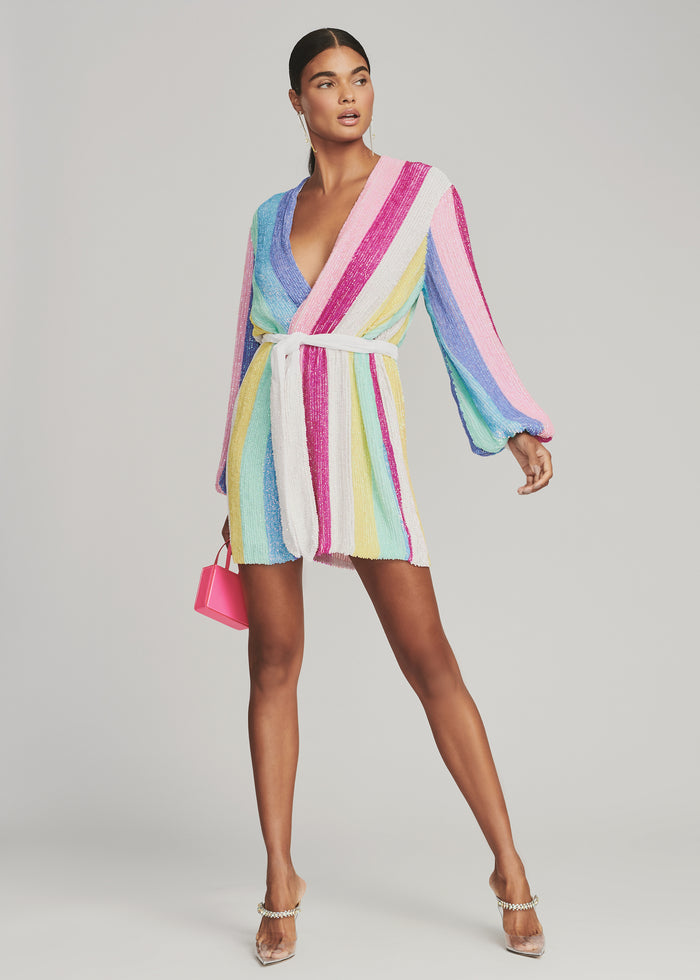
The single most critical factor in achieving vintage-inspired glamour is the silhouette. This is the architecture of your look. A modern bodycon dress, while stylish, communicates a different message than a dress with a defined vintage shape. Your first step is to identify which era’s architecture resonates with you and your body. Are you drawn to the columnar, drop-waist elegance of the 1920s? The wasp-waisted, full-skirted drama of the 1950s? Or the flowing, ethereal lines of the 1970s? A retrofete dress will often exaggerate these features for effect. The key to making it feel “effortless” rather than “theatrical” lies in balance. If the dress itself has a strong, voluminous silhouette—think a tulle ball skirt—keep the top half more refined and your accessories minimal. Conversely, a sleek, bias-cut slip dress (a homage to the 1990s interpretation of 1930s glamour) demands attention through luxurious textures and statement jewelry. As the iconic designer Coco Chanel purportedly advised, “Before you leave the house, look in the mirror and take one thing off.” This isn’t about minimalism for its own sake, but about ensuring the silhouette remains the star. The scientific principle here is visual weight distribution; your outfit should have a clear focal point, and in vintage styling, that focal point is most successfully the engineered shape of the garment itself.
The Alchemy of Accessories: Period-Correct vs. Modern Edge
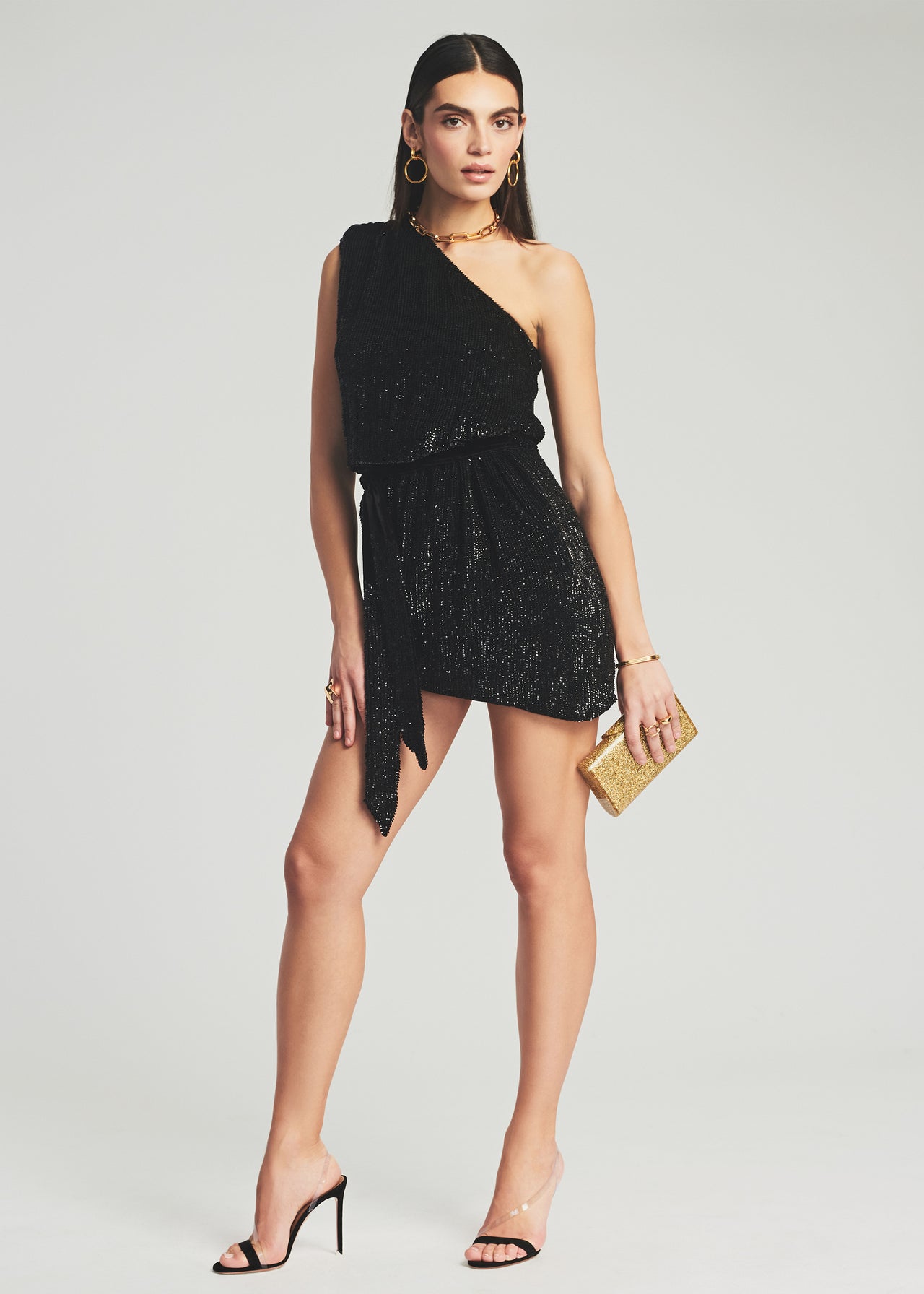
Accessories are the alchemists of your vintage glamour look; they have the power to perfectly transmute a dress from one era to a hybrid of past and present. This is where you personalize the “effortless” part. A strictly period-correct approach—like pairing a 50s-style swing dress with vintage cat-eye glasses, pearls, and T-strap heels—can feel curated and costumey. For a truly modern, effortless vibe, introduce deliberate anachronisms. Style that same 50s dress with sleek, minimalist sandals, a contemporary leather moto jacket slung over your shoulders, and a structured modern handbag. The contrast is what creates dynamism and wearability. Consider the viewpoint of fashion historian and YouTube content creator Karolina Żebrowska, who often discusses “historical fashion” versus “historical-inspired fashion.” She highlights how modern fabrics and styling choices make historical silhouettes accessible. Your accessories should tell a story about you, not just about the dress. A chunky, modern boot under a delicate lace dress, or a sleek tech-friendly watch alongside art deco bangles, creates a fascinating tension. It signals that you understand and respect the reference but live firmly in the now. This method follows a principle from art and design: intentional juxtaposition often creates more interest than pure harmony.
Fabric and Embellishment: The Textures of Time
The tactile quality of your retrofete dress is paramount. Vintage glamour is deeply tied to specific fabrics and embellishments that signal luxury and care. Satin, silk, velvet, lace, taffeta, and tulle are the hallmarks. These are not passive materials; they interact with light and movement in a way that polyester often cannot. When light catches the grain of a silk satin or the pile of a velvet, it creates a luminous quality that is inherently glamorous. Embellishments like beading, sequins, embroidery, or lace appliqués are not mere decoration; they are craftsmanship made visible. In her book “The Psychology of Fashion,” Professor Carolyn Mair notes that clothing made with attention to detail and quality materials can significantly impact the wearer’s confidence and perceived authenticity. This isn’t about price alone, but about the objective quality and character of the material. A dress with intricate beading follows in the tradition of early 20th-century couture, where such work was a sign of hours of labor and artistry. When you choose a dress with these elements, you are investing in a piece that has a narrative of craftsmanship. To keep it effortless, let the fabric be the hero. If your dress is heavily embellished or made of a rich texture like velvet, you might forgo necklaces altogether and opt for simple earrings, allowing the dress itself to command attention.

From Day to Night: The Versatility of a Single Dress
The true test of a garment’s value in a modern wardrobe is its versatility. A well-chosen retrofete dress should not be a one-event wonder. The key to effortless glamour is making it look like a natural, adaptable part of your life. For daytime, leverage the power of layering and casualizing. A delicate, floral-print 70s-inspired midi dress can be paired with a denim jacket, white sneakers, and a woven tote bag. Suddenly, the vintage element becomes a charming detail rather than the full theme. A sleek 60s mod-style shift dress can be worn with a tailored blazer, opaque tights, and ankle boots for a sophisticated office look. The transformation to evening is then a matter of subtraction and amplification. Remove the jacket, swap sneakers for strappy heels or embellished flats, exchange the tote for a metallic clutch, and add bold earrings or a cuff bracelet. This approach is not only stylish but economically and environmentally sound. It embodies the “cost per wear” philosophy championed by sustainable fashion advocates, maximizing the utility and joy you get from a single, special piece. You are building a wardrobe of meaning, not just occasions.
Beauty and Grooming: The Finishing Symphony
Your hair, makeup, and posture are the final, non-negotiable movements in the symphony of vintage glamour. They must be in harmony with, not fighting against, your dress. This doesn’t mean you need victory rolls to match your 40s-style shirtwaist dress. Instead, think in terms of “essence.” A sleek, low bun or polished waves can echo the groomed elegance of many mid-century styles without feeling dated. For makeup, the iconic advice from beauty pioneer Bobbi Brown in her masterclasses is to focus on one feature. A bold red lip with otherwise clean skin and mascara instantly channels old Hollywood glamour and pairs perfectly with a sophisticated LBD (Little Black Dress) of any vintage inspiration. A soft, smoky eye with a nude lip complements the romance of a lace or tulle dress. Posture is the silent accessory. The silhouettes of many vintage-inspired dresses—defined waists, open necklines, structured shoulders—are shown to their best advantage with confident, upright posture. It’s the difference between wearing the dress and the dress wearing you. This holistic approach ensures every element, from your shoes to your smile, is working towards the same goal of cohesive, effortless allure.

Curating Your Glamour: A Practical Conclusion
Effortless vintage glamour is not an inherited trait; it is a curated skill. It begins with the intentional selection of a garment that speaks the language of the past through a modern dialect—the retrofete dress. By understanding the scientific principles of silhouette, mastering the alchemy of accessory juxtaposition, respecting the narrative of fabric, and embracing versatile styling, you transform historical reference into personal expression. This approach brings profound professional knowledge to your wardrobe: an understanding of fashion history, design principles, and personal branding. And while the focus is on style, the savvy shopper knows value. Investing in a beautifully made dress from a brand like Retrofete, especially during seasonal sales or through authorized retailers, means acquiring a piece of design with a high cost-per-wear ratio, a cornerstone of intelligent fashion consumption. Ultimately, styling a retrofete dress is about claiming a piece of timeless beauty and making it undeniably, confidently yours. It is the art of looking like you didn’t try too hard, while knowing, with satisfying certainty, that you absolutely did.