

How to Style Sexy Cocktail Dresses for Effortless Glamour
The allure of a cocktail event lies in its promise of sophistication, social sparkle, and a sanctioned opportunity for sartorial drama. At the heart of this lies the sexy cocktail dress—a garment that commands attention not through sheer exposure, but through a masterful balance of design, fit, and personal expression. Achieving “effortless glamour” is less about following rigid rules and more about understanding the principles of silhouette, fabric, and styling that make you feel both confident and captivating. It’s the art of looking impeccably put-together while radiating a sense of ease, as if the glamour is an innate part of you, not a costume hastily donned. This guide delves into the objective science and subjective art behind styling these dresses, transforming you from someone who simply wears a dress into someone who owns the room.
The Foundation: Understanding the Silhouette and Your Form
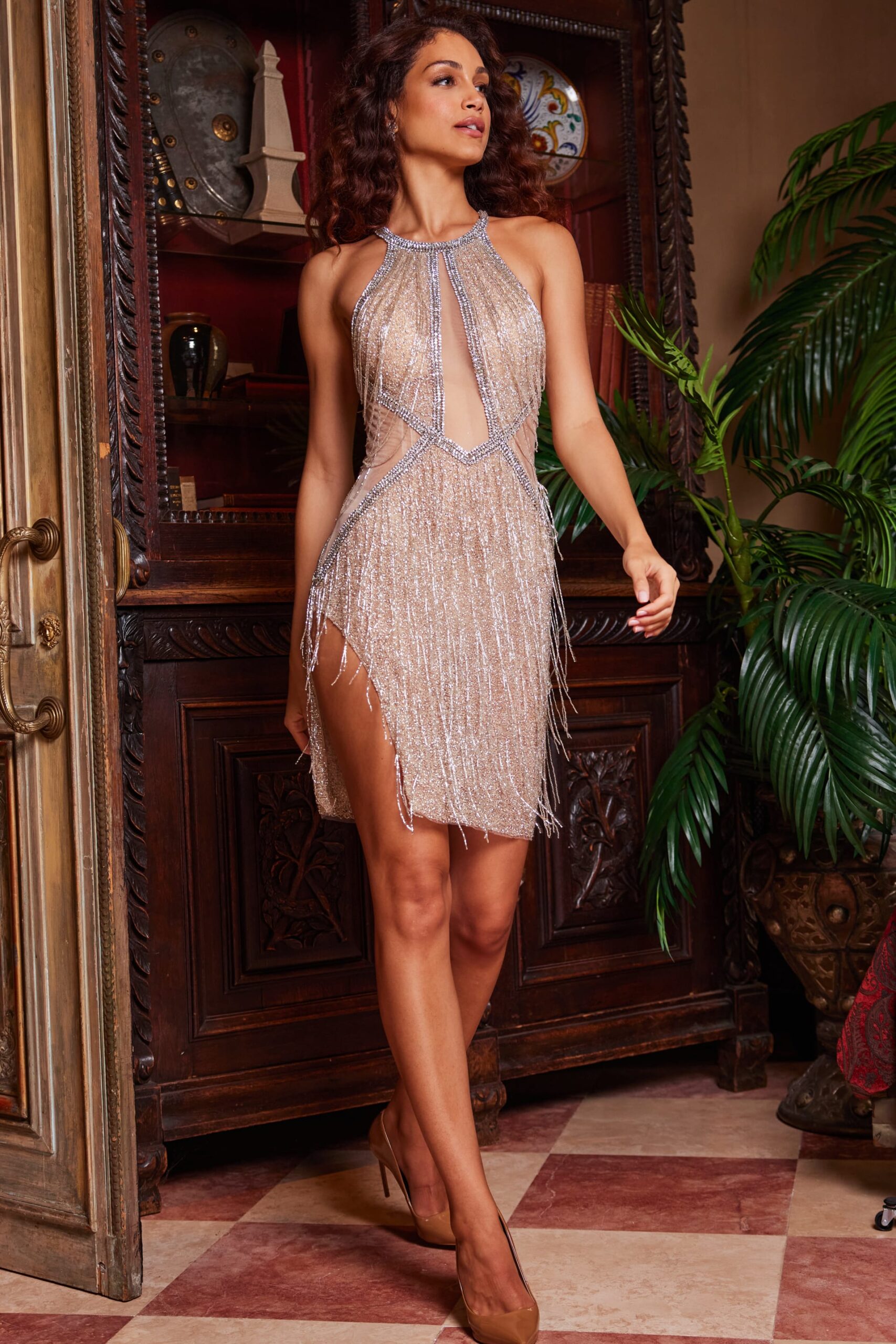
Before a single accessory is chosen, the journey begins with the dress itself and its relationship to your body. The term “sexy” is often misconstrued as synonymous with “revealing.” In fashion theory, however, sexiness in evening wear is frequently linked to the concept of sartorial intelligence—the intelligent use of cut and fabric to highlight assets in a way that feels intentional and powerful. A well-chosen sexy cocktail dress operates on principles of geometry and anatomy. Consider the A-line dress, a design famously championed by Christian Dior in his 1955 “A-Line” collection. Its shape, wider at the hem than at the shoulders, creates a clean, feminine triangle that cinches the waist and skims over the hips, offering a universally flattering silhouette that suggests elegance rather than overt provocation. Conversely, the bodycon dress, popularized in the late 20th century, utilizes materials like scuba knit or heavy jersey that mold to the body’s topography. Its appeal lies in its celebration of curves, a concept supported by evolutionary aesthetics research which often cites the hourglass figure as a cross-cultural signal of health and fertility. The key is proportion. As legendary costume designer Edith Head once stated, “Your dress should be tight enough to show you’re a woman and loose enough to show you’re a lady.” This isn’t a quaint maxim but a guideline for balance. A dress that is too tight restricts movement and creates unflattering lines, while one that is too loose obscures form. The goal is to select a silhouette that mirrors or artfully contrasts your natural lines, creating a harmonious and confident visual statement.
Fabric as the Language of Glamour
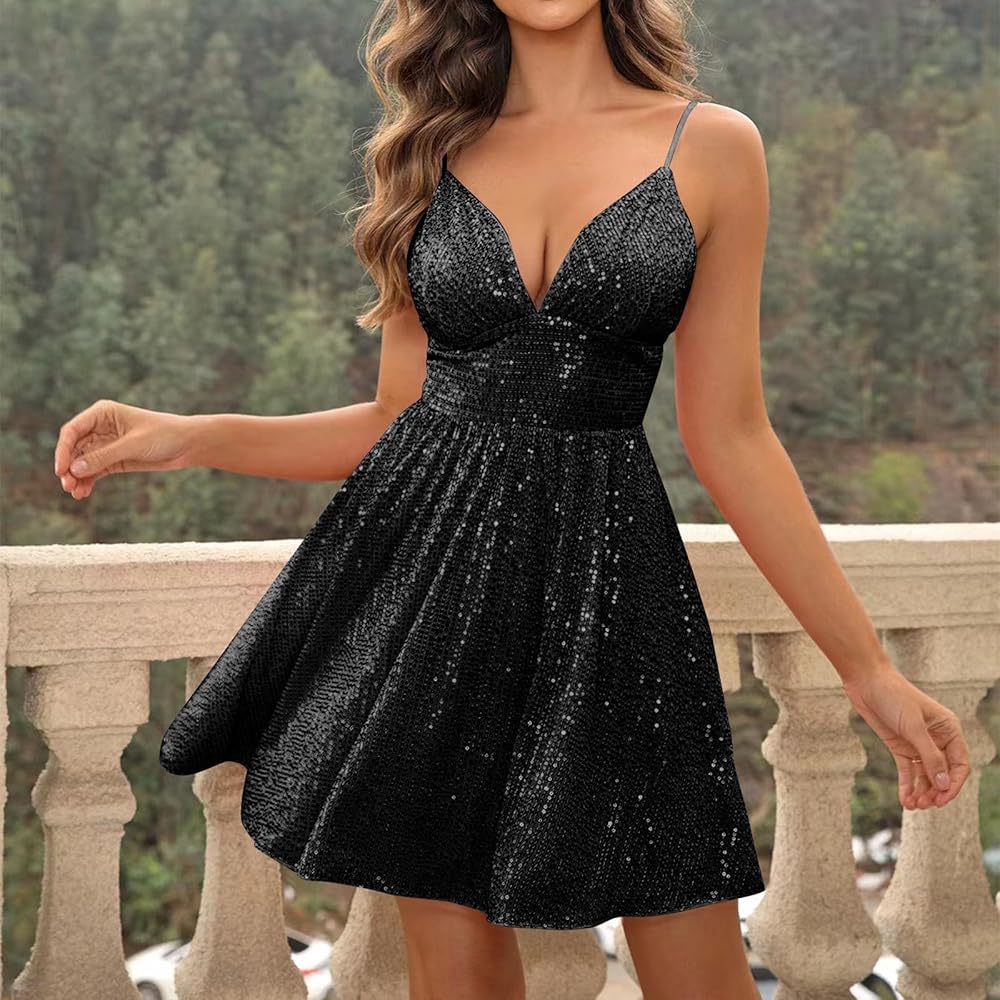
If the silhouette is the sentence, the fabric is the tone of voice. The material of your sexy cocktail dress communicates volumes before you utter a word. Scientifically, fabrics interact with light in distinct ways, which directly impacts perception. Satin, with its high-gloss finish created by a specific weaving technique called the “satin weave,” reflects light uniformly, creating a luminous, liquid effect that highlights the body’s contours with a soft, continuous sheen. This makes it a perennial favorite for a reason—it looks luxurious and feels sensual against the skin. Velvet, historically a fabric of nobility due to its complex manufacturing process, absorbs light, creating deep, rich shadows and a plush texture that conveys opulence and depth. Its pile (the raised surface) can make colors appear more intense and adds a tactile dimension to glamour. Lace, particularly Chantilly or Guipure lace, introduces a play of opacity and transparency. This interplay, rooted in centuries of textile artistry, creates a visual texture that is intricate and alluring, suggesting rather than stating. A study from the Fashion Institute of Technology notes that fabrics with texture or sheen are consistently rated as more “formal” and “special occasion” by focus groups, as they deviate from the mundane matte finishes of daywear. When selecting your dress, consider the fabric’s “hand”—how it feels and drapes. A heavy silk duchess will hold a structured shape, offering architectural glamour, while a lightweight crepe will flow and move with you, offering dynamic, effortless glamour. The right fabric doesn’t just cover the body; it enhances the narrative the silhouette begins.
The Alchemy of Accessories: Curated, Not Cluttered
Accessories are the punctuation marks of an outfit. The principle of “effortless” glamour demands curation, not accumulation. The goal is to complement, not compete with, your sexy cocktail dress. This approach aligns with the minimalist design philosophy of “less is more,” often attributed to architect Mies van der Rohe, which in fashion translates to intentional editing. Start with footwear. A sleek stiletto pump elongates the leg line, creating a continuous, streamlined silhouette from hip to toe—a classic trick used by style icons from Audrey Hepburn to Blake Lively. The height and thinness of the heel alter posture and gait, lending an inherent poise. However, modern glamour also embraces alternatives: a sophisticated block heel or even a embellished flat can offer striking style without sacrifice, proving glamour is not solely tethered to discomfort. Jewelry requires strategic placement. If your dress features a detailed neckline (a halter, a sweetheart, a dramatic V), forgo a necklace and instead focus on statement earrings. This draws attention to the face and collarbone, framing them as focal points. As fashion historian Valerie Steele has noted in her publications, the concentration of adornment near the face has been a persistent trend across cultures, signifying importance and attracting the gaze during conversation. A delicate bracelet or a bold ring can anchor the look without overwhelming it. The clutch is non-negotiable—a structured, small handbag in a metallic finish, velvet, or a color that picks up a secondary hue in your dress completes the ensemble functionally and aesthetically. Remember, each accessory should have a raison d’être. If you can remove an item and the outfit still feels complete, you are likely on the right track to achieving that coveted effortless effect.

Beauty and Grooming: The Finishing Canvas
Your beauty look is the final, crucial layer that harmonizes with your styled sexy cocktail dress. This is where “effortless” truly meets “glamour.” The objective is a look that appears polished yet natural, enhancing your features rather than masking them. From a cosmetic chemistry perspective, long-wearing, blendable formulas are key. A flawless, medium-coverage foundation that matches your skin’s undertone (be it cool, warm, or neutral) creates an even canvas, a principle consistently emphasized by makeup artists like Lisa Eldridge in her tutorials. The focus should then shift to one or two features. A classic, universally flattering approach is the “bold lip and neutral eye” combination. A matte or satin-finish red lipstick, a shade that has been analyzed by color theorists for its attention-commanding properties, instantly elevates a look and requires minimal eye makeup—just well-defined lashes and groomed brows. Conversely, a smoky eye in neutral browns or greys paired with a nude lip allows the eyes to mesmerize. Hairstyling should consider the dress’s neckline. An updo—be it a chic chignon, messy bun, or sleek ponytail—beautifully showcases elaborate necklines, earrings, and the décolletage. Soft, loose waves or a polished blowout offer a more relaxed counterpoint to a structured dress. The through-line is intentionality. Every element, from the longevity of your makeup to the placement of a hair strand, should feel deliberate, creating a cohesive whole where the dress, the accessories, and you are in perfect sync.
Confidence: The Invisible, Essential Accessory
All the technical knowledge of silhouettes, fabrics, and styling coalesces into one final, intangible element: confidence. This is not mere pop psychology; social science research, such as studies on “enclothed cognition” from Northwestern University, demonstrates that the clothes we wear can significantly impact our psychological processes. Wearing an outfit we perceive as attractive and appropriate can increase feelings of self-assurance and competence. When you step out in a perfectly styled sexy cocktail dress, you are not just wearing fabric—you are embodying a role, a version of yourself that is poised and powerful. This confidence alters your posture, your smile, the way you move through a space. It makes the glamour seem effortless because it originates from within. It’s the difference between checking your reflection anxiously and owning your presence in the room. Cultivate this by ensuring your dress fits impeccably (invest in tailoring if needed), by practicing your walk in your chosen shoes at home, and by focusing on the enjoyment of the event rather than on being perceived. As actress and style icon Diane Keaton once reflected, “Style is about self-expression and, above all, attitude.” The attitude she references is the quiet assurance that completes the transformation from being dressed up to being truly, dazzlingly glamorous.
Mastering the art of the cocktail dress is an exercise in informed self-expression. It begins with the scientific selection of a silhouette and fabric that honor your form, proceeds through the curated application of accessories and beauty, and is ultimately realized through the authentic confidence it inspires. This is the blueprint for effortless glamour—a glamour that feels as natural as it looks extraordinary, ensuring you are not just attending an event, but undoubtedly becoming a part of its allure.