Mastering Semi-Formal Dresses for Every Occasion
Navigating the world of event attire often feels like deciphering an ancient code. “Cocktail,” “business casual,” “smart casual,” and the ever-puzzling “semi-formal dresses“—these terms populate invitations, leaving many in a state of sartorial confusion. Yet, mastering the semi-formal dress is less about rigid rules and more about understanding a versatile language of style. It represents a beautiful equilibrium, a midpoint between the relaxed ease of casual wear and the structured grandeur of full formal attire. This article aims to demystify this dress code, transforming it from a source of anxiety into your most powerful tool for self-expression across a myriad of events. We will dissect its components, explore its application, and arm you with the knowledge to select, style, and own this category with confidence and flair.
Decoding the Semi-Formal Lexicon: More Than Just a “Fancy” Label
The term “semi-formal” or “dressy casual” often serves as a catch-all, but its roots and definitions provide clarity. Historically, as social structures evolved in the 20th century, so did dress codes. The strict formality of white-tie events gave way to more accessible black-tie, and subsequently, to the even more flexible semi-formal. According to style authorities and resources like The Emily Post Institute, semi-formal for women typically means a cocktail dress or an elegant separates ensemble. It’s attire suitable for events that commence after 6 p.m. but do not demand full-length gowns. The core principle is polished sophistication without overt opulence. A semi-formal dress should look intentional and refined—think fabrics with substance like silk, chiffon, lace, or high-quality knits, and cuts that flatter without being overly revealing. The length is a key differentiator: hemlines typically range from just above the knee to midi-length, though a tasteful tea-length can also be appropriate. This is not the domain for casual cotton sundresses or sequined floor-sweeping ballgowns. Understanding this lexicon is the first step toward making informed choices that align with the event’s unspoken expectations.

The Anatomy of a Perfect Semi-Formal Dress: Fabric, Fit, and Silhouette
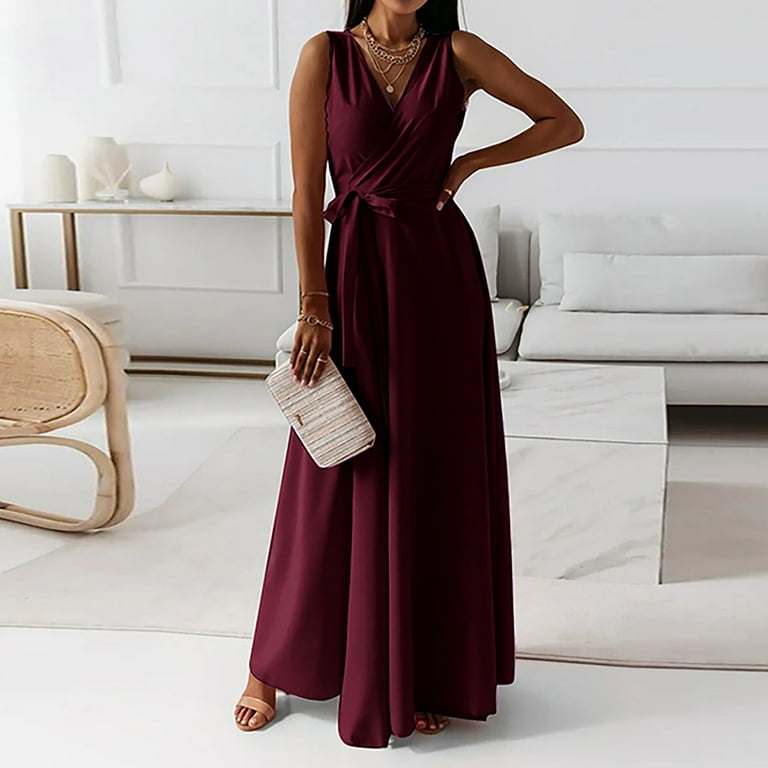
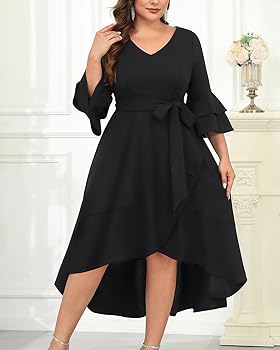
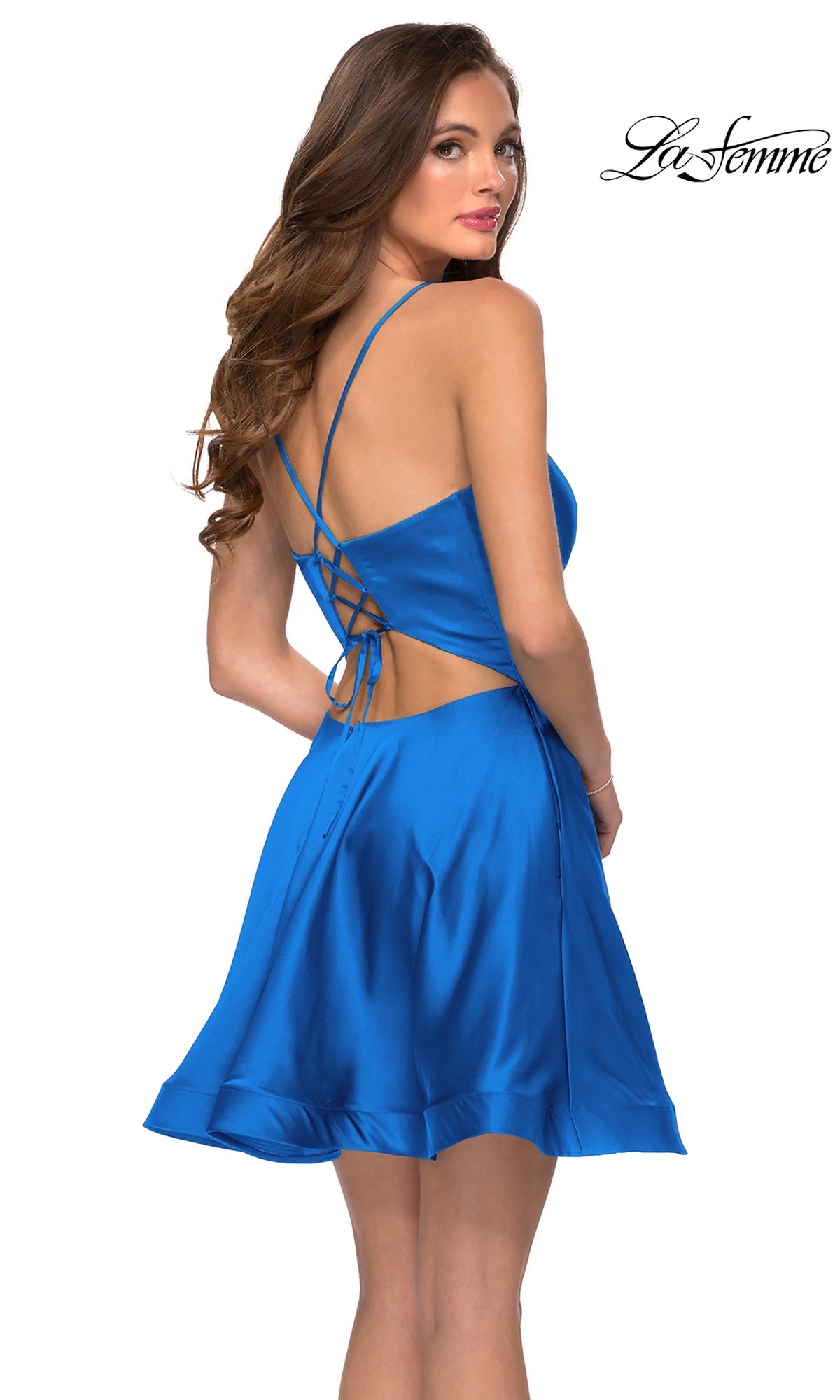
Selecting the right semi-formal dresses hinges on a trinity of elements: fabric, fit, and silhouette. Let’s begin with fabric. The tactile quality of your dress communicates volume. Opt for materials that drape well and hold their shape. Crepe, a textured fabric often made from silk or polyester, is a semi-formal staple for its elegant, flowing drape and minimal wrinkling. Jersey, when of substantial weight, can offer a surprisingly chic and comfortable option. Velvet, especially in cooler months, adds a touch of luxurious depth. Satin, with its characteristic sheen, walks a fine line; a matte satin or a dress with satin accents is often safer than a full glossy ensemble, which can veer into formal territory. The fit is paramount. A semi-formal dress should skim your body, not constrict it. Tailoring is your secret weapon; a dress taken in at the waist or hemmed to the perfect length elevates an off-the-rack find into a custom piece. As for silhouette, versatility reigns. The classic sheath dress is a universally flattering choice, offering clean lines. Fit-and-flare styles provide a playful, feminine shape, while a wrap dress creates a flattering V-neckline and adjustable fit. The goal is to find a silhouette that makes you feel both comfortable and commanding, a dress that feels like an extension of your confidence.
Occasion-Specific Mastery: From Garden Parties to Evening Galas
The true test of mastering semi-formal dresses lies in contextual application. A one-size-fits-all approach fails here; nuance is key. For a daytime wedding or a garden party, lean into lighter fabrics and colors. A floral-print midi dress in chiffon or a linen-blend shift dress paired with elegant sandals and a wide-brimmed hat strikes the perfect note. The atmosphere is joyful and light, and your attire should reflect that. Conversely, an evening event like a cocktail party, an awards ceremony, or a dinner at an upscale restaurant calls for darker hues or richer jewel tones. A little black dress (LBD) is the quintessential hero here, but don’t be afraid of emerald green, navy, or burgundy. Accessories can pivot the formality; statement jewelry and metallic heels dress up a simpler sheath, while understated pieces can temper a more elaborate design. For corporate events or holiday parties, balance professionalism with festivity. A sophisticated knee-length dress in a solid color, perhaps with subtle textural interest like lace sleeves or a velvet bodice, demonstrates respect for the setting while allowing your personal style to shine. Remember, the occasion provides the framework, but you supply the artistry.
The Alchemy of Accessories: Completing the Narrative
A semi-formal dress is a canvas, and accessories are the brushstrokes that complete the masterpiece. The wrong accessories can undermine a perfect dress, while the right ones can elevate it to iconic status. Footwear is foundational. A sleek pump, a strappy sandal, or a sophisticated block heel are all excellent choices. Consider the venue: stilettos may falter on grass, while a closed-toe pump might be ideal for a more conservative setting. Your handbag should be compact and elegant—a clutch or a small structured bag is ideal, leaving your hands free and maintaining a streamlined silhouette. Jewelry requires a measured hand. As fashion icon Coco Chanel famously advised, “Before you leave the house, look in the mirror and take one thing off.” This philosophy of edited elegance is crucial for semi-formal wear. Choose one focal point: a pair of striking earrings, a bold necklace, or a stack of delicate bracelets. If your dress is ornate, opt for minimalist jewelry. Outerwear, too, must be considered. A tailored blazer, a chic leather jacket (for edgier events), or a elegant pashmina or wrap can provide warmth without sacrificing style. Each accessory should feel like a deliberate choice, contributing to a cohesive and polished whole.
Building a Curated Wardrobe: Investment Pieces and Strategic Acquisitions
Cultivating a wardrobe that effortlessly meets semi-formal demands is an exercise in strategic curation, not endless accumulation. The goal is to own a few exemplary pieces that offer maximum versatility through styling. Start with the cornerstone: a perfectly fitted little black dress. As renowned designer Diane von Fürstenberg stated, “The little black dress is the hardest thing in the world to get right because it should be serious and funny at the same time.” Find yours. Next, invest in a high-quality midi dress in a neutral tone like navy, charcoal, or a deep wine—this becomes your go-to for events requiring a touch more gravitas. A third pillar could be a dress with a versatile print or a distinctive neckline that feels uniquely “you.” Beyond dresses, consider elegant separates: a silk blouse paired with a tailored skirt or wide-leg trousers can achieve the same level of polish. When acquiring new pieces, prioritize quality over quantity. Look for sturdy stitching, well-finished seams, and resilient fabrics. This approach is not only more sustainable but also more economical in the long run. A well-made dress, cared for properly, will outlast a dozen trendy, poorly constructed alternatives, ensuring you are always event-ready.
Expert Insights and Enduring Style Principles
To truly internalize the philosophy of semi-formal dressing, it is instructive to look to the experts and timeless style principles. The concept of “dress codes” has been analyzed by sociologists like Georg Simmel, who explored fashion as a mechanism of social imitation and differentiation. In a modern context, stylists like Stacy London emphasize fit and proportion above all else. She often notes that understanding your body shape is more important than slavishly following trends. Furthermore, resources from institutions like the Fashion Institute of Technology (FIT) provide scientific analysis of textiles, helping consumers understand why certain fabrics perform better for specific occasions. The rise of sustainable fashion advocates, such as those featured on platforms like The Good Trade, encourages a mindful approach to building a semi-formal capsule wardrobe, focusing on timeless designs and ethical production. These perspectives converge on a central idea: mastering semi-formal attire is an act of empowered self-presentation. It’s about using the established “grammar” of dress to write your own stylish “sentence,” one that communicates confidence, respect for the occasion, and personal authenticity.
The journey through the landscape of semi-formal dresses reveals it not as a restrictive set of rules, but as a dynamic and expressive category of dress. It is the sartorial sweet spot for modern life, accommodating everything from celebratory daytime gatherings to sophisticated evening affairs. By understanding its foundational elements—the fabric, the fit, the context—and learning to artfully combine them with thoughtful accessories, you transform the “semi-formal” directive from a puzzle into an opportunity. It becomes a chance to showcase your discernment, your understanding of social nuance, and your unique aesthetic. So the next time that invitation arrives, view it not with trepidation, but with anticipation. Your perfect semi-formal dress awaits, ready to be the foundation for an unforgettable presence.