

Mastering Semi-Formal Dresses for Every Occasion
Navigating the world of dress codes can often feel like deciphering an ancient language. Between the stark formality of black-tie and the relaxed vibe of casual, there exists a versatile and often misunderstood middle ground: the semi-formal attire. For women, this frequently translates to the elegant and adaptable semi-formal dress. This isn’t about rigid rules or stifling conformity; it’s about unlocking a sartorial key that opens doors to weddings, cocktail parties, sophisticated dinners, and professional galas with confidence and style. A well-chosen semi-formal dress is an investment in your personal arsenal, a single garment that can be the foundation for countless memorable appearances. Let’s demystify this dress code, moving beyond vague definitions to a practical, empowering guide that blends objective style principles with actionable advice.
The Anatomy of a Semi-Formal Dress: Beyond the Dictionary Definition
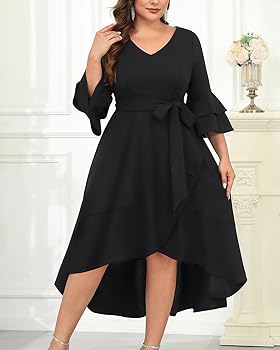
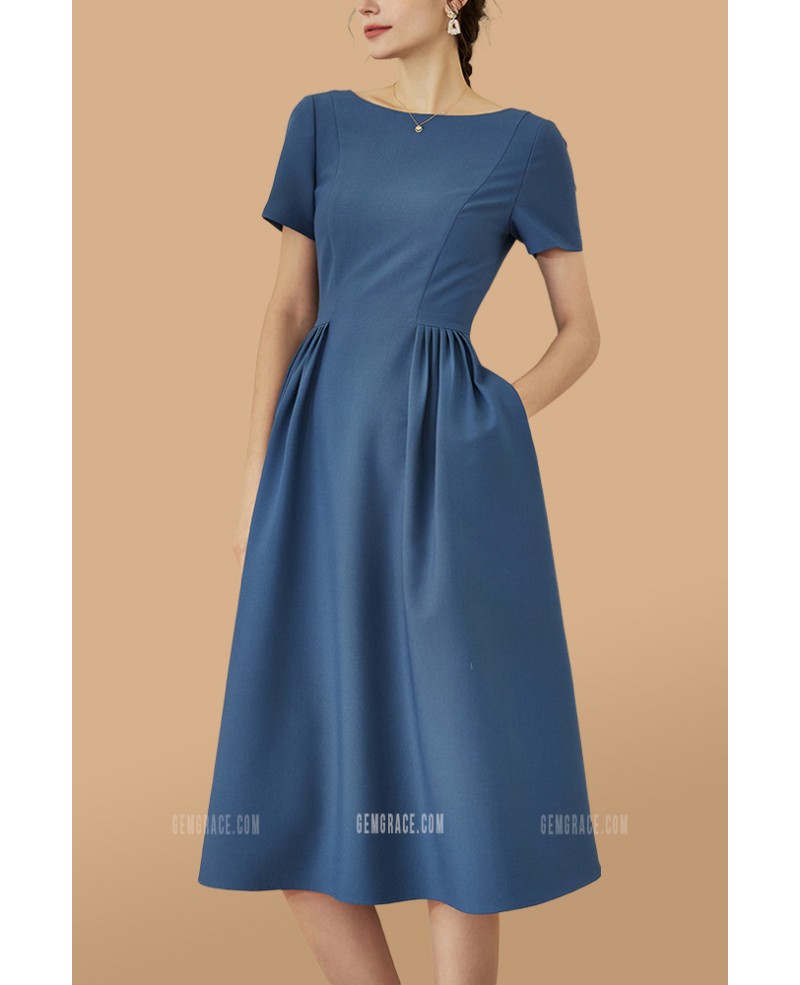
To master something, one must first understand its core components. The term “semi-formal” itself denotes a level of formality that is neither strictly formal nor casual. According to style authorities and historical fashion literature from institutions like the Fashion Institute of Technology, the semi-formal dress code for women, often synonymous with “cocktail attire,” emerged in the post-war mid-20th century as social events became more varied. It calls for elegance that is polished yet not overly ornate. The quintessential semi-formal dress typically falls at or just above the knee, though tea-length (mid-calf) options are equally acceptable and can be more versatile for certain occasions. Fabrics lean towards the refined: think silk, chiffon, lace, high-quality jersey, satin, or velvet for cooler months. The silhouette offers a spectrum—from the timeless fit-and-flare and the sleek sheath to the graceful A-line. Embellishments like subtle beading, lace overlays, or strategic cut-outs are welcome, but they should enhance, not overwhelm. The key scientific principle here is one of balanced contrast: it’s about striking an equilibrium between structured elegance and relative comfort, between festive detail and everyday wearability. As fashion historian and author Valerie Steele has noted in her lectures, “Cocktail dressing represents a sweet spot in fashion—it allows for personal expression within a framework of agreed-upon sophistication.”

Decoding the Occasion: From Garden Party to Evening Gala
The true power of a semi-formal dress lies in its contextual intelligence. A dress perfect for a daytime wedding may not suit a nighttime corporate event. Therefore, your first step is always to deconstruct the invitation. A “garden party” semi-formal suggests lighter fabrics like cotton voile or linen blends, floral prints, and softer colors. A “cocktail party” implies a more urban, sleek vibe—perhaps a little black dress in crepe or a jewel-toned sheath. An “evening gala” or “dinner dance” allows for richer fabrics like velvet or heavy silk and darker, more dramatic hues. This isn’t mere guesswork; it’s an application of environmental and social context to fashion choice. Websites like The Knot and Brides.com provide vast data on wedding guest attire, consistently showing that understanding the venue and time of day is the most critical factor in selecting the right semi-formal dress. For a brunch wedding, a knee-length dress in a pastel shade is scientifically more appropriate—it aligns with the higher ambient light and generally more relaxed mood—while a downtown loft evening event calls for something with more architectural interest or metallic accents to complement artificial lighting and a more energetic atmosphere.
The Investment Perspective: Quality, Versatility, and Cost-Per-Wear
Let’s speak frankly about value. A common mistake is purchasing a fast-fashion dress for every event, leading to a closet full of forgettable pieces and a recurring expense. The smarter strategy is to view a semi-formal dress as a strategic investment. This is where the economic concept of “cost-per-wear” becomes your best friend. A $300 dress worn ten times has a cost-per-wear of $30. A $80 dress worn once is, in reality, far more expensive. Investing in a well-constructed dress from quality materials means it will drape better, resist wear, and remain stylish across seasons. Look for reinforced seams, lined interiors, and natural fibers that breathe. Versatility is your multiplier effect. A simple, elegant sheath in navy or burgundy can be transformed with accessories: a statement necklace and heels for a wedding, a blazer and pumps for a business conference dinner, or delicate jewelry and sandals for a summer soirée. This approach is championed by style experts from Vogue to YouTube stylists like Audrey Coyne, who emphasizes building a “capsule wardrobe” where key pieces, including a perfect semi-formal dress, do heavy lifting. The professional knowledge here is in textile science and garment construction; understanding these allows you to identify pieces that offer longevity, ensuring your investment pays dividends in confidence and style for years.
Accessorizing the Narrative: Shoes, Bags, and the Final Flourish
The dress is the canvas, but accessories paint the full picture. This stage is where personal narrative shines. The objective rule is harmony. For a sleek, modern dress, consider architectural jewelry or a metallic clutch. For a romantic lace dress, delicate pearls or vintage-inspired pieces work beautifully. Footwear sets the tone: classic pumps are universally flattering and elevate the silhouette, while elegant sandals or block heels can offer comfort for outdoor events. Consider the psychology of color coordination—analogous colors (next to each other on the color wheel) create serene, sophisticated looks, while a complementary color pop (like a red bag with an emerald green dress) can be daring and memorable. As the iconic fashion editor Diana Vreeland once proclaimed, “The eye has to travel.” Your accessories guide that journey. Don’t underestimate the power of undergarments; seamless shapewear or a well-fitted bra is not about correction but about creating a smooth foundation, allowing the dress to hang as intended by its designer. This attention to detail is what separates a good outfit from a great one.
Navigating the Digital Marketplace: Finding Value Without Sacrificing Style
In today’s world, your most powerful shopping tool is knowledge. The internet provides unparalleled access, but it requires a discerning eye. Start by identifying reputable retailers known for quality occasion wear. Use filters meticulously: select your size, preferred length (knee-length, tea-length), and fabric type. Read reviews obsessively, paying special attention to comments on fit, fabric weight, and color accuracy. Photos uploaded by customers are often more revealing than professional studio shots. To bring you discounted prices without compromising on the professional knowledge we’ve discussed, consider these tactics: sign up for newsletters for first-purchase discounts, shop end-of-season sales for classic styles that transcend trends, and explore reputable outlet sections of premium brands. Remember, a “sale” on a poorly made garment is no saving at all. The goal is to acquire a dress that embodies the principles we’ve outlined—appropriate formality, quality construction, and versatile design—at the most intelligent price point. This is strategic consumption, aligning your financial resources with your style ambitions.
Ultimately, mastering the semi-formal dress is an exercise in empowered self-presentation. It moves you from asking “What should I wear?” to confidently declaring “This is what I’ll wear.” It’s about understanding the unspoken language of social events and choosing to speak in a dialect of elegant assurance. By focusing on the anatomy of the dress, decoding the occasion, making intelligent investments, accessorizing with purpose, and shopping with savvy, you transform a dress code from a source of anxiety into a platform for personal style. Your wardrobe should work for you, liberating you to engage fully with the people and moments that matter. So, the next time an invitation arrives, see it not as a test, but as an opportunity to showcase the polished, adaptable, and undeniably stylish individual you are.