

Mastering Semi-Formal Dresses for Every Occasion
Navigating the world of event attire can often feel like deciphering a complex code. “Cocktail attire,” “business casual,” “smart casual”—these terms blur together, leaving many unsure of what to wear. The sweet spot, the versatile hero of many wardrobes, is the semi-formal dress. It’s the sartorial solution that bridges the gap between day-to-day casual and full-on black-tie glamour. This guide isn’t about rigid rules, but about unlocking the principles that allow you to select, style, and own the semi-formal dress for any event on your calendar, empowering you with both confidence and significant savings.
Decoding the “Semi-Formal” Lexicon: More Than Just a Dress Code
To master semi-formal dresses, we must first demystify the term itself. Unlike the precise measurements of a baking recipe, fashion terminology is often contextual. According to authoritative resources like the Emily Post Institute, a cornerstone of etiquette literature, semi-formal attire—traditionally referred to as “black tie optional” for evening—sits between formal and casual. For women, this has historically meant a cocktail dress. However, contemporary interpretation, as echoed across platforms from Wikipedia to fashion editorials on Vogue.com, has expanded this to include elegant separates, sophisticated jumpsuits, and a broader range of dress lengths. The core scientific principle here is contextual appropriateness. A study from the University of Hertfordshire’s Psychology of Fashion unit suggests that clothing directly impacts perceived credibility and approachability in social and professional settings. Therefore, a semi-formal dress is not merely a garment; it’s a tool for non-verbal communication, signaling respect for the event, the hosts, and your own role within that space. It says, “I have made an effort, I understand the occasion, and I am here to participate fully.”
The Architecture of a Perfect Semi-Formal Dress: Fabric, Fit, and Silhouette
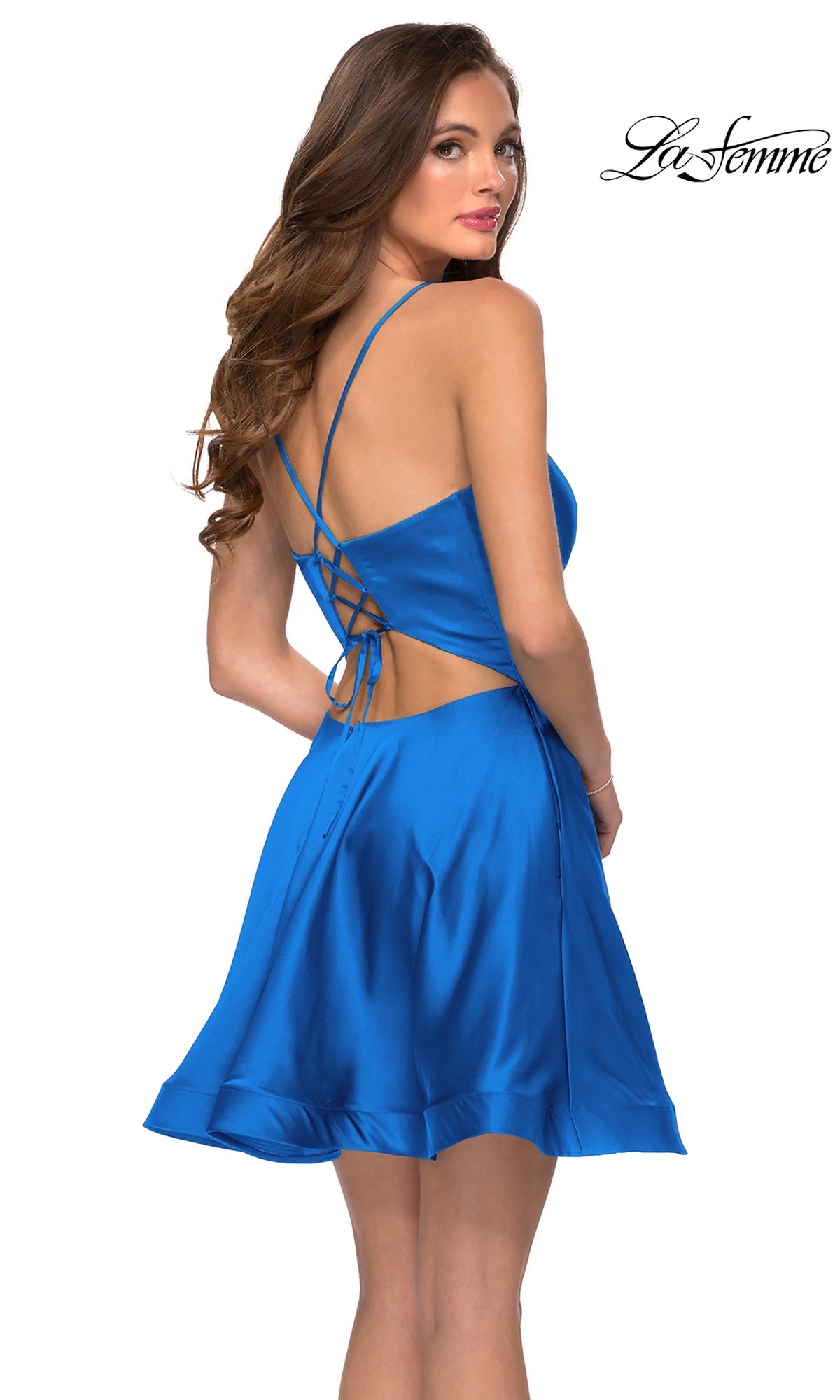
The foundation of any great semi-formal dress lies in three interlocking pillars: fabric, fit, and silhouette. Let’s dissect these objectively. First, fabric dictates formality. Materials like silk, chiffon, crepe, velvet (for cooler months), and high-quality lace convey elegance and structure. As noted by designer Diane von Fürstenberg in her iconic book The Woman I Wanted to Be, “Fabric is everything. It has to feel good, it has to fall well.” Conversely, casual fabrics like jersey, denim, or flannel are typically unsuitable. Second, fit is paramount. A dress need not be skin-tight, but it should skim the body’s contours gracefully. Tailoring, as any style expert from GQ to Harper’s Bazaar will affirm, is the secret weapon. A $100 dress that has been expertly altered will always outperform a $500 dress that fits poorly. The investment in alterations is non-negotiable for a polished look. Finally, silhouette offers personal expression within boundaries. The Little Black Dress, popularized by Coco Chanel and later immortalized in films like Breakfast at Tiffany’s, remains the quintessential silhouette due to its simplicity and adaptability. Other winning silhouettes include the wrap dress (a von Fürstenberg masterpiece that flatters nearly every body type), the elegant A-line, and the sophisticated sheath.

Occasion-Specific Mastery: From Garden Parties to Evening Galas
The true test of mastering semi-formal dresses is applying the principles to specific scenarios. Imagine your calendar: a daytime garden wedding, an evening cocktail fundraiser, a sophisticated work holiday party, and a dinner at a high-end restaurant. Each requires a nuanced approach. For the garden wedding, opt for lighter fabrics like chiffon or linen blends in floral prints or soft pastels. The hemline can be tea-length or midi, paired with block heels to navigate grass. As event planner Preston Bailey often highlights on his social media, respecting the venue is key. The evening cocktail event calls for darker hues, richer fabrics like satin or velvet, and more refined accessories. Think of the ambiance in films like Crazy Rich Asians—the attire is opulent yet not quite ballgown. For the work event, you must balance professionalism with festivity. A tailored sheath dress in a jewel tone or a sophisticated black jumpsuit strikes the right note, as recommended by career platforms like LinkedIn’s professional advice columns. It communicates you’re there to celebrate but also to network.
The Strategic Wardrobe: Building a Capsule for Cost-Per-Wear Efficiency
Now, let’s translate this knowledge into strategic, budget-friendly action. The goal is to build a small capsule of semi-formal dresses that maximize cost-per-wear, a fundamental concept in sustainable and intelligent fashion consumption. Instead of buying a new dress for every event, invest in three foundational pieces. First, the immutable Little Black Dress. Second, a high-quality dress in a bold, universally flattering color like emerald green, cobalt blue, or burgundy. Third, a dress with a distinctive but versatile pattern or texture, such as a subtle jacquard or a tasteful floral. From these three, you can create myriad looks by changing accessories, outerwear, and shoes. This approach is championed by financial and style experts alike, from the “Project 333” minimalist fashion challenge to the investment principles found in literature from Harvard Business School, which emphasize value over volume. By focusing on versatility, you not only save money but also reduce decision fatigue and closet clutter.
Accessorizing the Narrative: Shoes, Bags, and Jewelry as Punctuation
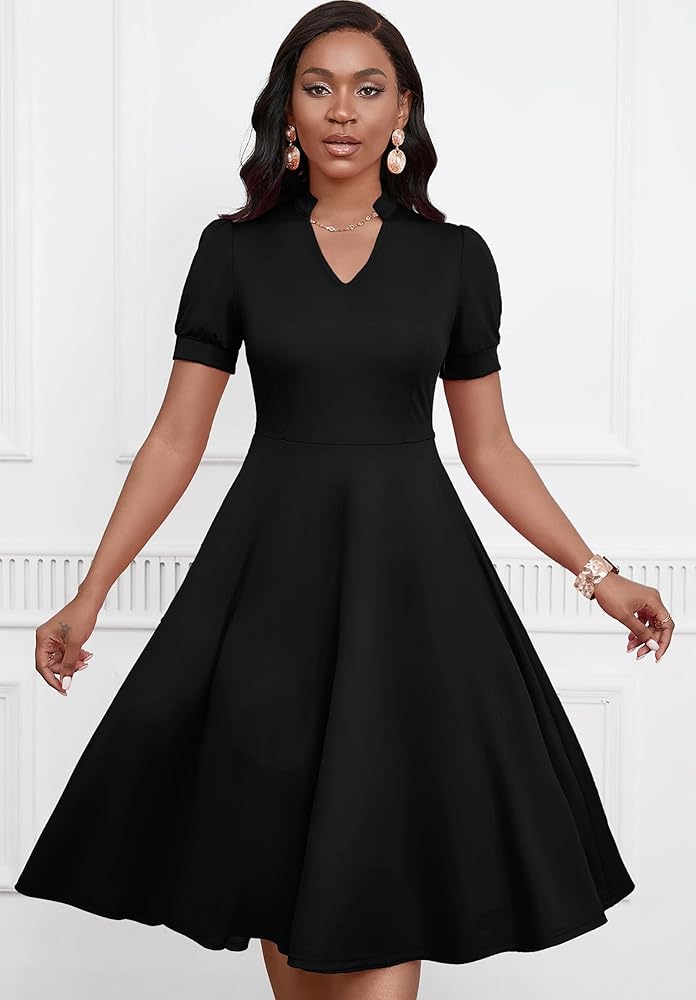
A semi-formal dress is a sentence; accessories are the punctuation that defines its tone. The wrong accessories can undermine a perfect dress. Scientifically, this relates to the Gestalt principle of perception—the whole is different from the sum of its parts. A simple sheath dress becomes powerfully professional with a structured blazer and pointed-toe pumps. The same dress transforms into evening glamour with statement earrings, a clutch, and strappy sandals. Take inspiration from iconic style moments: Audrey Hepburn’s pearls in Breakfast at Tiffany’s added timeless elegance, while Lady Gaga’s bold choices at premieres showcase how accessories can become the focal point. A practical tip from celebrity stylists on YouTube channels like “What Not to Wear” is to choose one area to highlight—either neckline, ears, or wrists—to avoid visual clutter. A metallic heel, a sleek clutch, and a single bold ring can be more impactful than an abundance of pieces.

Your Curated Journey: From Knowledge to Confident Selection
You now possess the framework—the etymology of the dress code, the architectural elements of the dress itself, the occasion-based logic, the strategic capsule methodology, and the art of accessorizing. This knowledge liberates you from guesswork and impulsive purchases. When you shop, you’ll assess fabric content labels, envision alterations, and consider how a new piece integrates with your existing capsule. You’ll know that a well-chosen semi-formal dress is an investment in your social and professional persona. Remember the words of the late, great fashion editor Nina Garcia: “Style is a deeply personal expression of who you are, and every time you dress, you are asserting a part of yourself.” Let your choices in semi-formal wear assert a self that is confident, appropriate, and authentically stylish. The next invitation you receive should bring excitement, not anxiety, because you have mastered the art of dressing for the moment.