

Mastering Semi-Formal Dresses for Every Occasion
Navigating the world of event attire often feels like deciphering an ancient code. “Semi-formal” stands as one of the most frequent, yet most misunderstood, directives on an invitation. It occupies the elegant middle ground between the strictness of black-tie and the casualness of everyday wear, offering a canvas for personal style within a framework of refined expectation. This guide is designed to demystify the semi-formal dress, transforming it from a source of anxiety into an opportunity for sartorial confidence. We will move beyond vague definitions, grounding our understanding in cultural context, objective style principles, and practical advice that brings both professional knowledge and accessible style to your wardrobe.
Decoding the Semi-Formal Lexicon: More Than Just a Dress Code
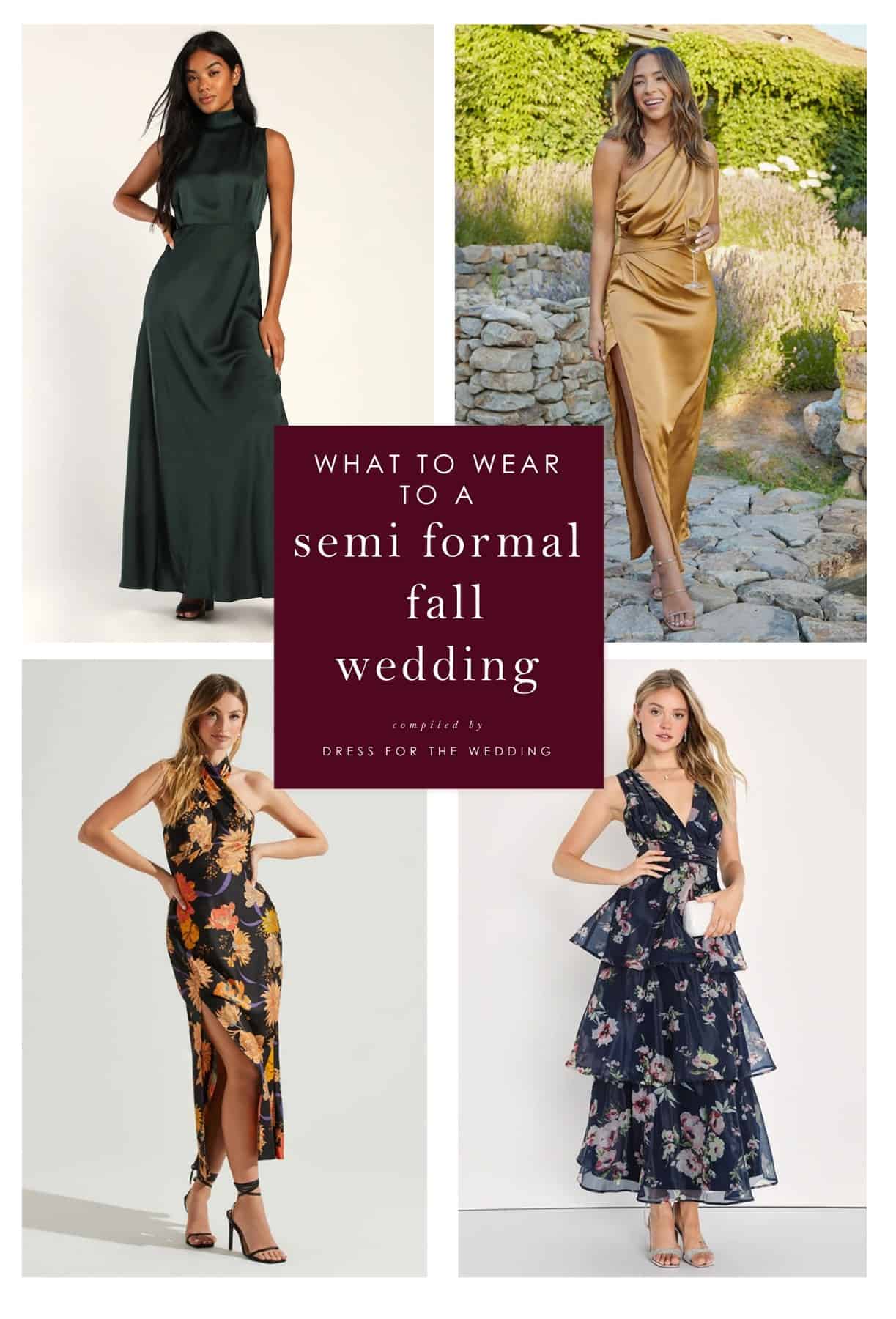
The term “semi-formal” or “dressy casual” evokes a specific social and sartorial register. To define it merely as “not too fancy, not too plain” is insufficient. Historically, as social structures evolved in the 20th century, so did dress codes. The black-tie affair remained for the most formal evenings, while business and daytime events demanded a tailored yet less rigid approach. Semi-formal dresses emerged as the solution for events like afternoon weddings, sophisticated cocktail parties, gallery openings, and upscale dinners. The key lies in balance. According to style authorities from publications like Vogue and Harper’s Bazaar, the semi-formal ethos prioritizes intentional polish. Fabrics matter—think luxe cottons, silks, jerseys, velvets, or refined synthetics that hold their shape. The silhouette should be considered: knee-length to midi lengths are quintessential, though a tasteful floor-length gown in a simple fabric can also qualify for evening. It’s attire that shows you’ve made an effort to honor the host and the event’s significance, without presuming the grandeur of a state dinner.
The Architectural Elements of a Perfect Semi-Formal Dress
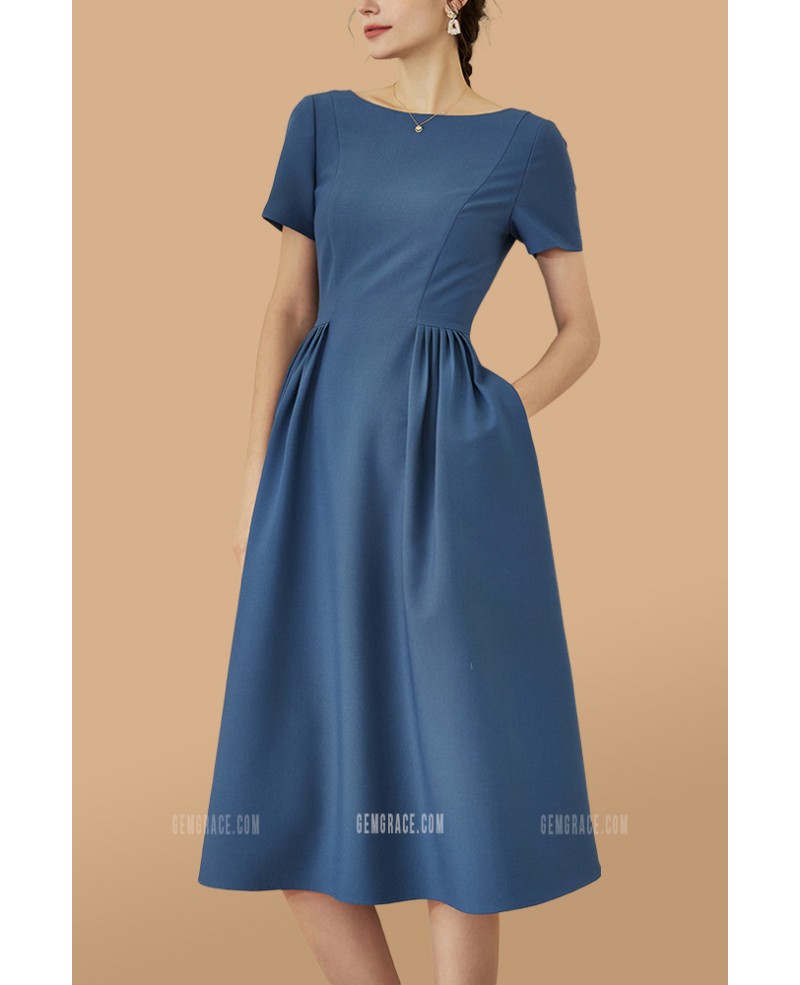
Building a flawless semi-formal dress ensemble is akin to architecture; it requires a solid foundation, thoughtful design, and finishing details. Let’s deconstruct the elements. First, the silhouette. The A-line dress, with its fitted bodice and skirt that flares gently from the waist, is a universally flattering and occasion-appropriate choice. It offers ease of movement and a classic, feminine line. The sheath dress, which follows the body’s contours without being tight, exudes modern sophistication. For those seeking drama, a fit-and-flare style provides a defined waist and a fuller skirt, perfect for dancing. Second, consider neckline and sleeve. A V-neck or scoop neck elongates the torso, while a boatneck or jewel neckline offers timeless polish. Sleeves can range from delicate cap sleeves to elegant three-quarter length, adding versatility across seasons. Third, fabric is the textural language of your dress. A heavy satin or taffeta might lean too formal, while a simple cotton poplin might be too casual. Crepe, chiffon, lace overlays, or high-quality knit jersey strike the ideal semi-formal balance. As the iconic designer Coco Chanel once articulated, “Luxury must be comfortable, otherwise it is not luxury.” This principle is paramount for semi-formal wear; the dress should feel as good as it looks, allowing you to engage fully in the event’s pleasures.
Context is King: Occasion-Specific Mastery
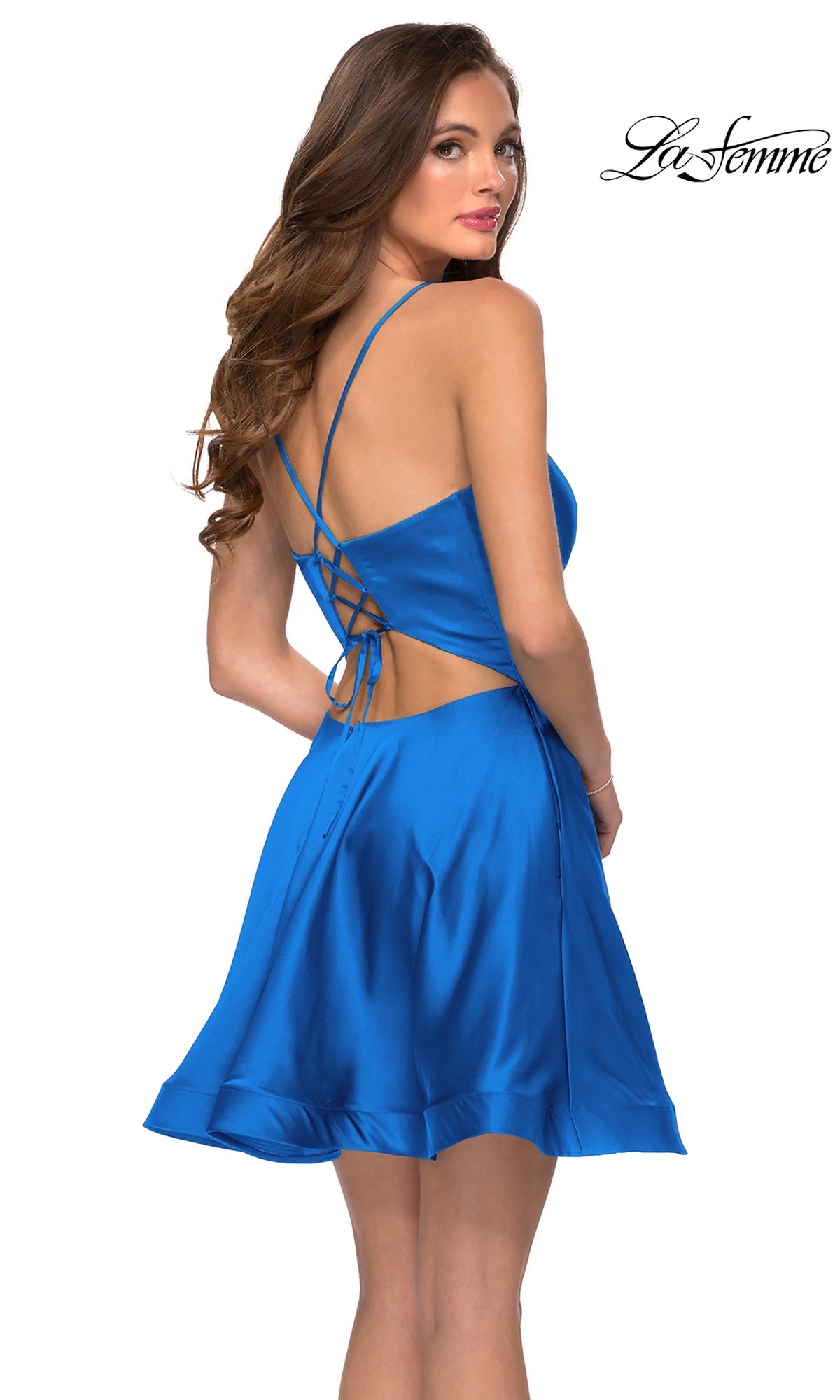
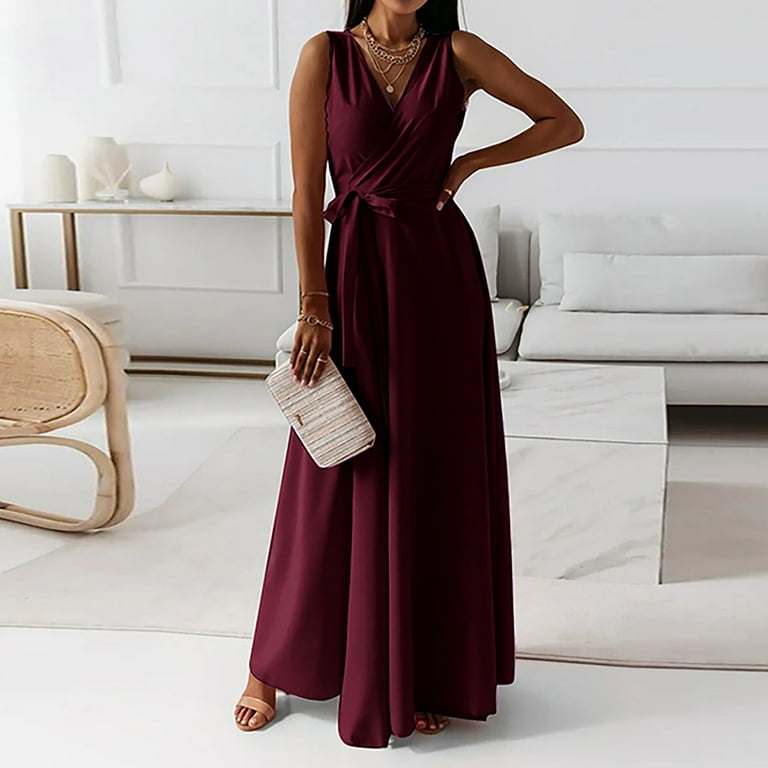
A semi-formal dress is not a one-style-fits-all garment; its success is deeply contextual. Your choice must converse with the event’s time, location, and cultural undertones. For the ubiquitous semi-formal wedding, especially a daytime or afternoon ceremony, a knee-length or tea-length dress in floral prints, soft pastels, or vibrant jewel tones is impeccable. As the event transitions to evening, darker hues and richer fabrics like velvet or sequined details become appropriate. A garden party calls for lighter fabrics—lawn cotton, linen blends—and playful patterns, but hemlines should remain modest. For a corporate gala or awards dinner, opt for sleek, solid colors like navy, burgundy, or emerald green in a sheath or tailored A-line silhouette; it projects professionalism and chic. The “cocktail attire” specification is often used interchangeably with semi-formal, typically implying a shorter, spirited dress. Remember the wisdom often cited by stylists on platforms like Who What Wear: “When in doubt, it is always better to be slightly overdressed than underdressed.” A well-chosen semi-formal dress is your armor of appropriateness, giving you the confidence to be present, not preoccupied with your attire.
The Synergy of Style: Accessories, Footwear, and Outerwear
A dress alone does not make an outfit; it is the harmonious synergy with accessories that completes the semi-formal narrative. The goal is complementary enhancement, not competition. Statement jewelry should be singular: a pair of chandelier earrings or a bold cuff bracelet, but rarely both. A delicate necklace can elevate a simple neckline. Your handbag should be compact and elegant—a clutch or a small structured bag is ideal. Footwear is a critical pillar. Strappy heels, elegant pumps, or dressy block heels are standard. However, the modern fashion landscape, as noted by influencers on YouTube and Instagram, has embraced the sophistication of a clean, pointed-toe flat or a luxe loafer for semi-formal events, prioritizing comfort without sacrificing style. Finally, consider outerwear. A tailored blazer, a chic wool coat, or a dressy shawl is essential for transitioning from car to venue. This layered approach not only provides practicality but also adds a dimension of personal style, allowing you to adapt the core semi-formal dress to your individuality and the climate.
Cultivating a Versatile Semi-Formal Wardrobe on a Budget
Building a collection of go-to semi-formal pieces need not be a prohibitive investment. The strategy is to prioritize versatility and timelessness over fleeting trends. Start with a Little Black Dress, but in a semi-formal context: choose one in a interesting texture like lace or crepe, or with a distinctive sleeve or neckline detail. Next, add a dress in a neutral tone like navy, charcoal, or burgundy, which can be accessorized in countless ways. A third piece could be a patterned dress—a tasteful floral or geometric print—that works for daytime events. The key is to shop with an eye for fabric quality and construction; a well-made dress from a high-street brand on sale often outperforms a poorly made designer imitation. Retailers frequently offer significant discounts at end-of-season sales, making it an ideal time to invest in classic silhouettes. Remember, cost-per-wear is a more valuable metric than the price tag alone. A single, versatile semi-formal dress that you wear to multiple events over years is a far wiser purchase than several inexpensive, occasion-specific dresses that feel disposable.
Mastering the art of the semi-formal dress is ultimately about mastering a form of social and personal expression. It is the understanding that what we wear communicates respect for our hosts, engagement with the event, and confidence in ourselves. By internalizing the principles of context, construction, and complementary styling, you move from passively following a dress code to actively defining your presence within it. The perfect semi-formal dress is out there, waiting to become the trusted companion for your next celebration, milestone, or memorable night out. Your journey towards sartorial confidence begins with this knowledge, empowering you to step into any semi-formal occasion with unmistakable grace and assurance.