

Mastering Semi-Formal Dresses for Every Occasion
Navigating the world of event attire often feels like walking a sartorial tightrope. The invitation says “semi-formal,” and suddenly, you’re caught between the grandeur of a ball gown and the casualness of daywear. This ambiguity, however, is not a constraint but a canvas for immense personal style. The semi-formal dress is the versatile hero of modern wardrobes, a category defined by its elegant adaptability. It is the sartorial solution for events that demand respect and style without the strictness of white-tie protocol. Understanding this category is less about memorizing rules and more about grasping a philosophy of dressing—one that balances polish with personality, structure with comfort, and tradition with contemporary flair. From garden parties to evening receptions, a well-chosen semi-formal dress is your passport to confidence.
Decoding the Semi-Formal Lexicon: Beyond the Dress Code
The term “semi-formal” or “half-dress” occupies a specific niche in the hierarchy of Western dress codes. Historically, it evolved as a less rigid alternative to “formal” or “full dress” events. According to analyses of social etiquette, a semi-formal event typically implies an evening gathering but can extend to sophisticated daytime affairs. The core principle is refined elegance without overt opulence. For women, this has traditionally translated to a cocktail-length dress—one that falls at or just above the knee—though tea-length (mid-calf) and some elegant, simpler floor-length styles are now widely accepted. The key differentiator from a formal gown is often the fabric, cut, and overall attitude; a semi-formal dress might use luxurious materials like silk or lace but in a more understated or modern silhouette compared to the full-skirted, heavily embellished formal gown. As fashion historian Valerie Steele notes in her work for The Museum at the Fashion Institute of Technology, “20th-century fashion democratized elegance, making codes like semi-formal more about looking appropriately polished for the social context than about adhering to aristocratic decrees.” This shift empowers you to interpret the code through a personal lens.
The Architectural Elements of a Perfect Semi-Formal Dress
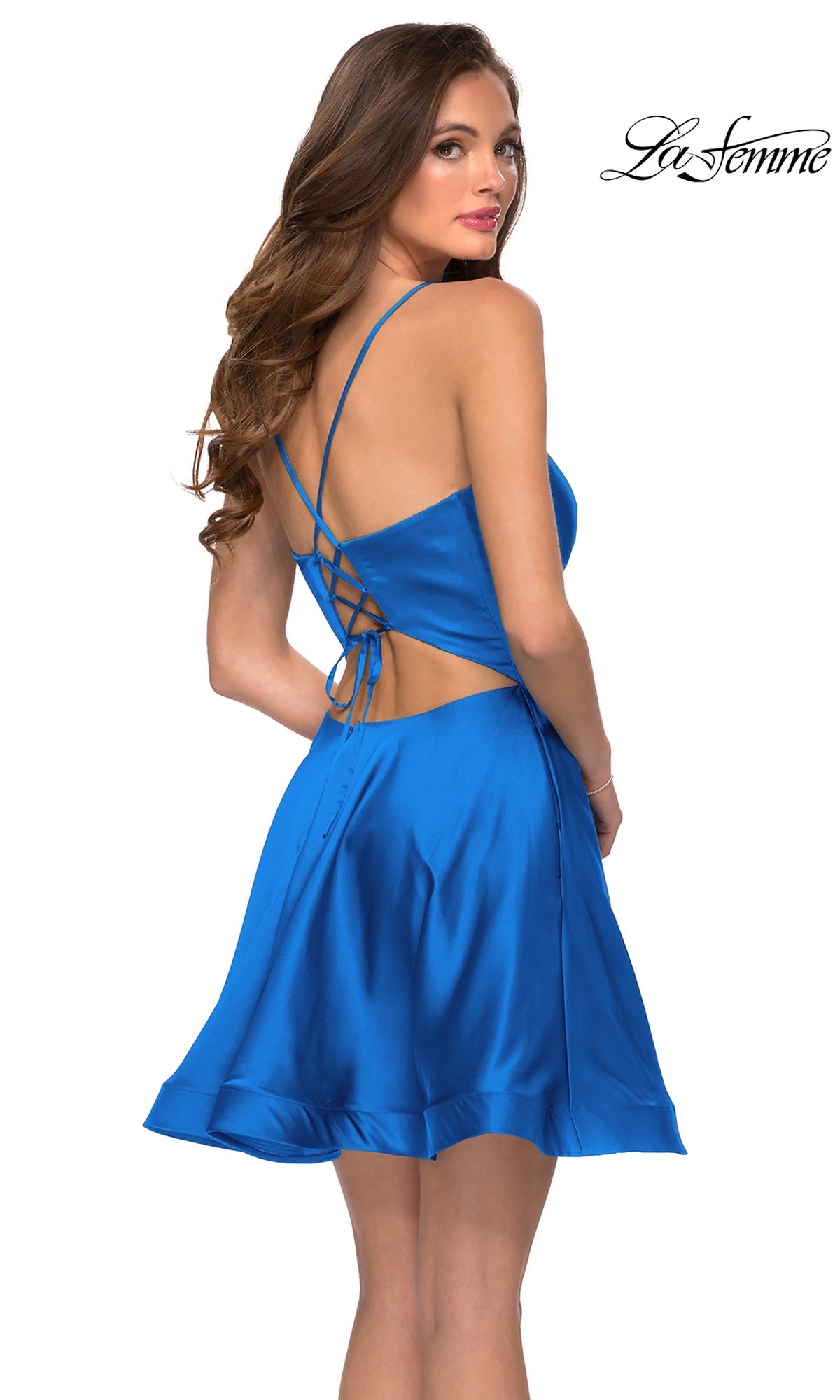
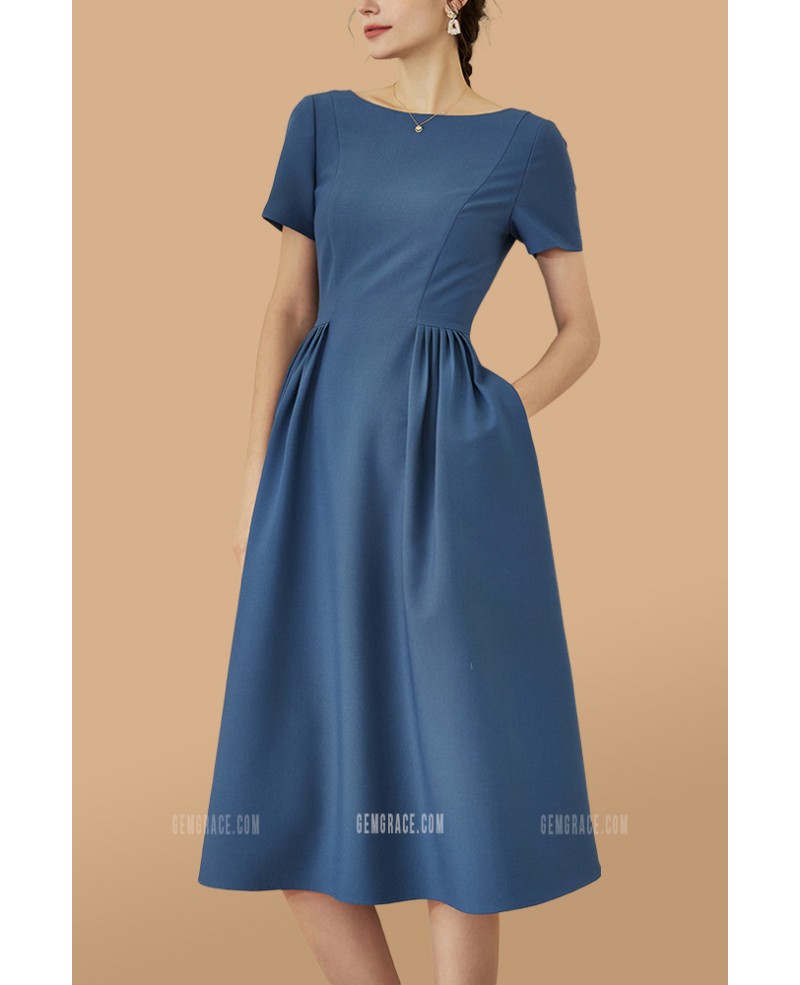
Choosing the right semi-formal dress is an exercise in understanding architectural principles applied to fabric. It begins with silhouette, the foundational shape your dress creates. The shift dress, with its clean, vertical lines, offers minimalist chic. The fit-and-flare, celebrating the waist before releasing into a skirt, provides timeless, feminine structure. The sheath dress hugs the body’s contours for a sophisticated, streamlined look. Each silhouette communicates a different aesthetic; your choice should harmonize with your body’s proportions and the event’s vibe. Next, consider fabric drape and weight. A heavy brocade might be too formal for a summer wedding, while a light chiffon may lack the necessary structure for a winter cocktail party. Fabrics like crepe, matte jersey, and medium-weight satin are semi-formal stalwarts—they hold their shape, move gracefully, and look inherently luxurious. Finally, detail is where personality shines. Strategic seaming, a tasteful slit, an interesting neckline (like a halter, portrait, or keyhole), or subtle textural details (such as pleating or lace insets) can elevate a simple dress into a standout semi-formal dress. The goal is to achieve a cohesive whole where no single element shouts for attention, but the combined effect is one of undeniable polish.
Color Psychology and Context: Choosing Your Palette
Color is not merely decorative; it is a non-verbal communicator. In the realm of semi-formal attire, your color choice can align with tradition, season, venue, and your desired impact. Classic black remains a powerhouse for evening events, offering slimming elegance and a blank canvas for accessories. However, the modern approach to semi-formal dressing embraces a full spectrum. Jewel tones—emerald, sapphire, ruby—convey richness and are perfect for fall and winter events. Pastels and floral prints are quintessential for daytime garden parties or spring weddings. For corporate or networking semi-formal events, sophisticated neutrals like navy, charcoal, or burgundy project authority and taste. It’s crucial to consider the event’s setting. A bright, colorful dress might be ideal for a modern art gallery opening but could feel out of place at a somber evening fundraiser. Furthermore, cultural context matters. In some cultures, white is reserved for brides, while red may signify celebration or luck. By thoughtfully selecting your palette, you ensure your semi-formal dress doesn’t just fit your body, but fits seamlessly into the event’s atmosphere.
The Strategic Accessory Arsenal: Completing the Narrative
A semi-formal dress is the foundation, but accessories author the complete story. This is where you inject individuality and finesse. The principle of balance is paramount. A dress with high drama—a bold neckline, intricate beading—calls for minimalist accessories. A simple sheath dress becomes a canvas for statement jewelry, a sculptural clutch, or elegant layered necklaces. Footwear must bridge style and practicality; a sleek block heel or elegant wedge can often provide more comfort and stability on grass or uneven floors than a stiletto, without sacrificing style. Your handbag should be proportionate and considerate of the event’s needs—a small clutch is standard for evening, while a slightly larger structured bag may work for daytime. Ultimately, accessories should feel like a curated extension of your dress, not an afterthought. They are the punctuation marks that give your sartorial sentence its final tone and meaning.
From Invitation to Occasion: A Practical Guide
Theoretical knowledge finds its true test when a specific invitation arrives. Let’s translate the principles into practice for common scenarios. For a daytime wedding, particularly in a garden or beach setting, opt for lighter fabrics, shorter hemlines (knee to tea-length), and airy colors or prints. A lace fit-and-flare or a flowing chiffon midi dress would be impeccable. For an evening wedding, cocktail party, or gala, lean into darker or richer colors, more luxurious fabrics like velvet or silk, and consider more refined details. This is the domain of the classic little black dress, reimagined perhaps with metallic thread or an interesting back detail. For a corporate holiday party, you must balance professionalism with festivity. A tailored sheath dress in a festive color like deep green or silver, or a sophisticated wrap dress, strikes the perfect note. Remember, when in doubt, it is always better to be slightly overdressed than underdressed. A semi-formal dress chosen with the venue, time of day, and implied formality in mind guarantees you will be an appropriately stylish guest.
Investing Wisely: Building a Versatile and Economical Wardrobe
Building a collection of go-to semi-formal dresses need not bankrupt you. The key is strategic investment in versatile pieces. Start with a foundational dress in a neutral color with a classic silhouette—a black sheath or a navy fit-and-flare. This dress can be worn to numerous events and transformed with different accessories. Next, consider a dress in a seasonal color or print that brings you joy. Look for quality construction: secure stitching, lined fabrics, and durable zippers. These details ensure longevity. To bring professional knowledge on discounted prices to users, it’s wise to subscribe to newsletters from your favorite retailers, shop end-of-season sales for the next year’s events, and consider reputable consignment or rental services for high-end designer pieces you might only wear once. A well-made semi-formal dress is an investment in your social confidence, and acquiring it smartly is part of the mastery.
The art of the semi-formal dress is, ultimately, the art of contextual elegance. It is about reading an invitation, understanding an environment, and presenting a version of yourself that is both respectful and authentic. It rejects the uniform in favor of informed individuality. By mastering its principles—silhouette, fabric, color, and context—you unlock not just a wardrobe, but a sense of assured readiness for whatever invitation life sends your way. You move from deciphering a dress code to defining your presence within it.
