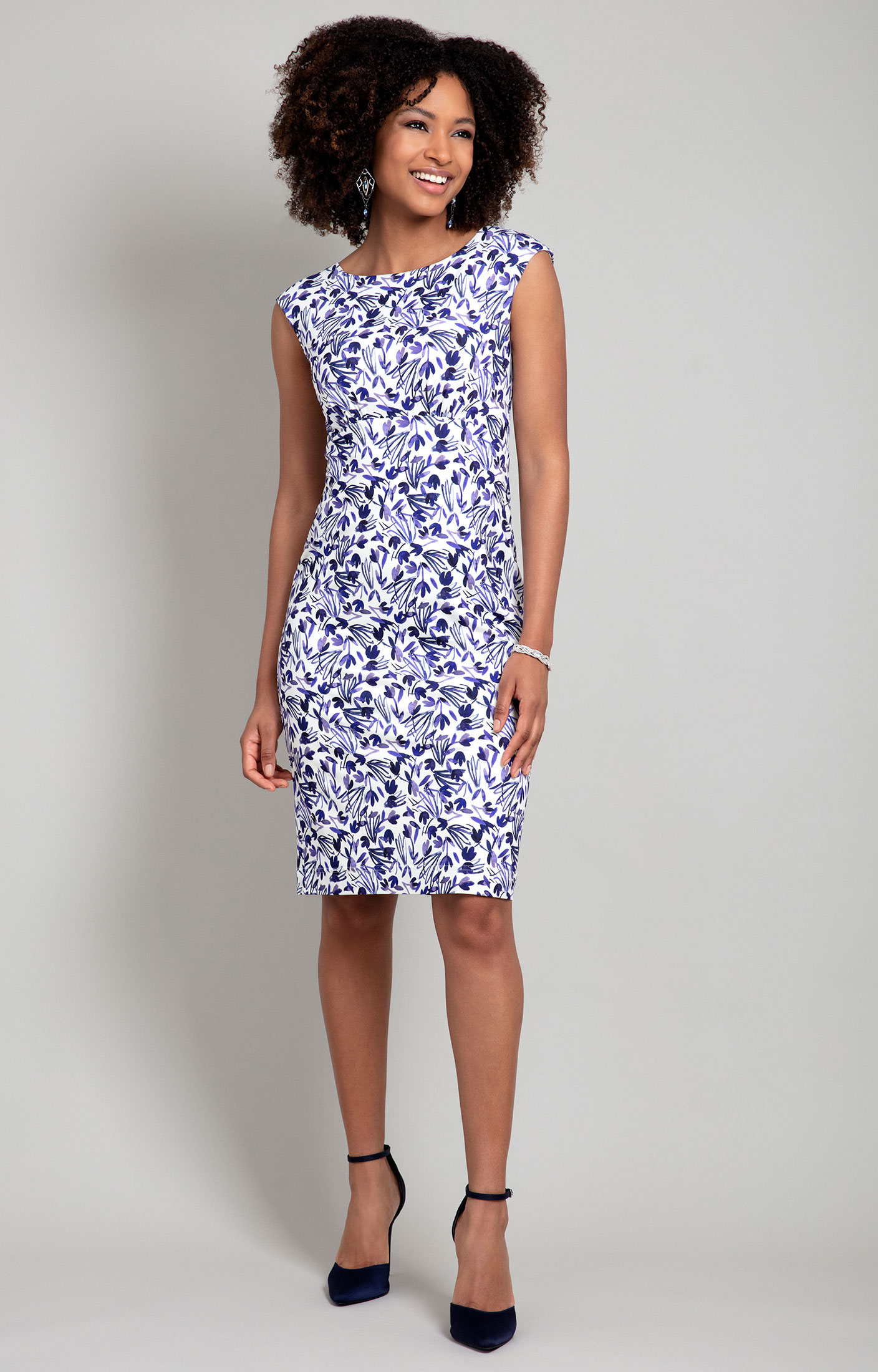
Mastering the Versatility of Shift Dresses
In the lexicon of fashion, few garments promise and deliver liberation quite like the shift dress. Its silhouette, a straight cut falling from the shoulders, is a study in elegant simplicity—a canvas upon which personal style, occasion, and attitude are painted. This is not merely a piece of clothing; it is a sartorial philosophy. It champions ease without sacrificing polish, offers a blank slate for creativity, and stands as a democratic icon in a world of fleeting trends. To master the shift dress is to unlock a wardrobe of infinite possibilities, where a single line can translate from the boardroom to a gallery opening with nothing more than a change of accessories. Let us explore how this deceptively simple garment became a cornerstone of modern dressing and how you can harness its full potential.
The Architectural Foundation: Defining the Silhouette
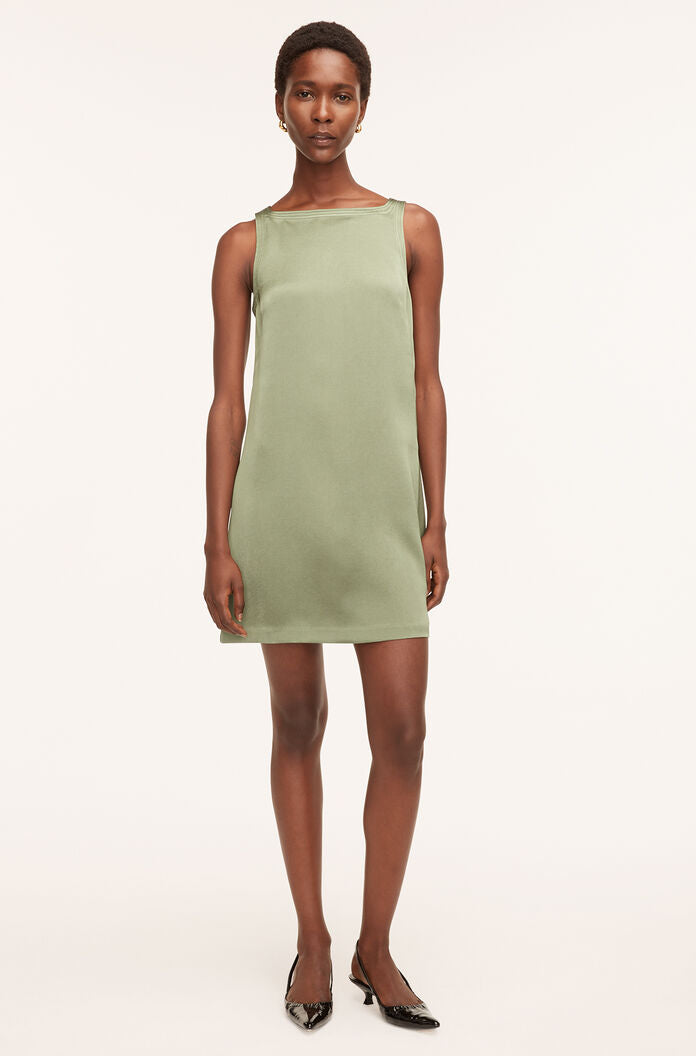
To appreciate its versatility, one must first understand its architecture. The shift dress is defined by its lack of definition. Unlike the form-fitting sheath or the cinched-waist fit-and-flare, the shift is characterized by a straight, often boxy, line that skims the body rather than clinging to it. Its origins are frequently traced to the 1920s “flapper” dresses, a radical departure from the restrictive corsetry of the previous era. As fashion historian Valerie Steele notes in her work for The Museum at the Fashion Institute of Technology, this was a visual manifestation of newfound social freedoms for women. The silhouette was later refined and popularized in the 1960s by designers like Mary Quant and Cristóbal Balenciaga, becoming a symbol of modernist chic. From a scientific perspective, its appeal lies in its optical neutrality. The straight line creates a clean, vertical axis that can visually elongate the frame, a principle supported by the Gestalt laws of perception in visual psychology. It doesn’t fight the body’s natural shape; it provides a new, streamlined context for it. This foundational neutrality is the very source of its power—it is a garment that imposes nothing, thus allowing for everything.
Material World: Fabric as the Dictator of Demeanor
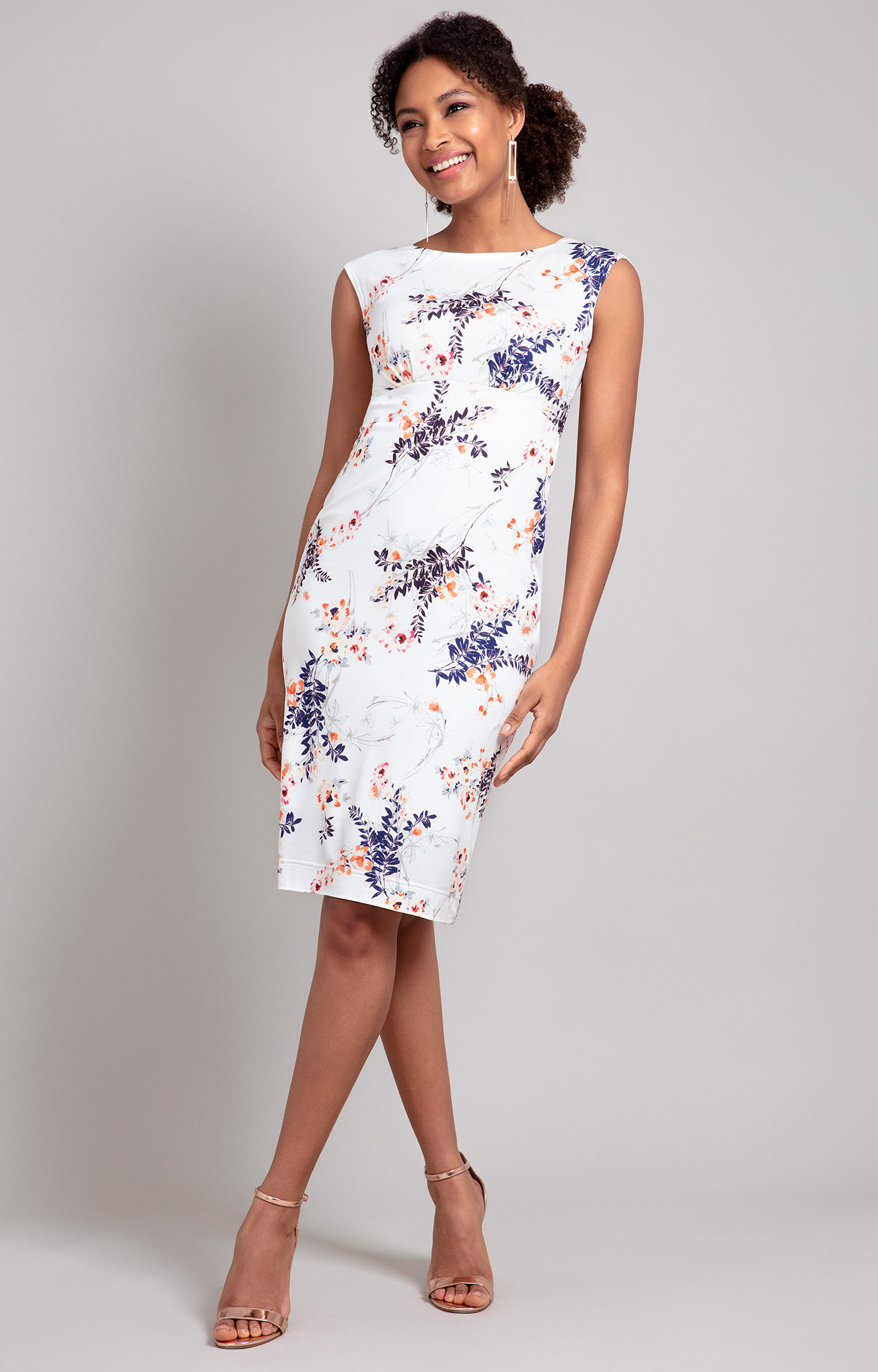
The soul of a shift dress is determined by its fabric. This is where objective choices create subjective experiences. A heavyweight, structured wool crepe, for instance, lends the dress architectural gravitas. It holds its shape with authority, making it a peerless choice for professional environments. This aligns with the concept of “enclothed cognition” studied by researchers like Hajo Adam and Adam D. Galinsky at Northwestern University, which suggests that the symbolic meaning and physical experience of clothing can systematically influence the wearer’s psychological processes. A crisp cotton poplin shift, on the other hand, projects a fresh, academic air—think of the iconic look of Jacqueline Kennedy Onassis. For evening, a shift in silk charmeuse or duchesse satin reflects light with a luxurious whisper, transforming simplicity into high glamour. The choice of fabric directly dictates the dress’s interaction with light, movement, and environment. A linen shift embraces wrinkles, speaking of casual, artful ease, while a technical ponte knit offers stretch and recovery for dynamic, all-day comfort. Understanding this material lexicon is the first step in curating a collection of shifts that can cover the spectrum of your life.
The Alchemy of Accessorizing: Transforming the Core
Here lies the true magic: the shift dress is the ultimate accessory foil. Its clean lines provide a perfect stage for personal expression. Consider the transformative power of layering. A stark, black wool shift can be the foundation for a bold statement necklace, instantly creating a focal point. As stylist and TV host Rachel Zoe once famously opined, “Style is a way to say who you are without having to speak.” Throwing a tailored blazer over a sleeveless shift morphs it into sophisticated suiting. Conversely, a chunky, oversized knit sweater worn over a shorter shift creates a contemporary, textural look perfect for cooler months. Footwear acts as a decisive pivot point. Pair a geometric-print shift with minimalist white sneakers for an off-duty, fashion-editor vibe. The same dress with sleek ankle-strap heels immediately becomes cocktail-ready. A leather belt cinched at the waist introduces a hint of shape, offering a hybrid silhouette for those who desire a touch of definition. The shift dress does not dictate; it collaborates.
Context is King: The Situational Chameleon
Versatility is meaningless without context. The mastery of the shift is proven in its seamless adaptation to diverse scenarios. For the professional sphere, a shift in a neutral hue—navy, grey, or camel—made from a non-creasing fabric is a power move. It conveys competence and polish, a uniform for the modern thinker. This echoes the principles found in professional dress codes analyzed by institutions like Harvard Business School, which emphasize clarity, confidence, and minimal distraction. Transition to a weekend brunch, and a shift in a bright floral print or a soft, washed chambray signals relaxed creativity. Its ease of wear allows you to focus on conversation, not clothing. For travel, the shift is a champion. It packs without fuss, resists wrinkles (choose wisely!), and can be dressed up or down based on the evening’s plans, making it a cornerstone of the “capsule wardrobe” philosophy touted by experts from Vogue to minimalist lifestyle blogs. In each setting, the dress itself may be conceptually similar, but its execution—through fabric, color, and accessory partnership—makes it uniquely suited to the moment.
An Investment in Style and Value
Embracing the shift dress is also an exercise in intelligent wardrobe economics. Its timeless cut transcends seasonal micro-trends, making it a perennial piece. This longevity offers a superior cost-per-wear ratio, a key metric in sustainable and thoughtful consumption. By investing in well-constructed shifts in quality fabrics, you build a reliable core collection. The beauty of this approach is that it allows for strategic splurging on the foundational item itself, while enabling playful, seasonal updates through more affordable accessories. A single, exquisite silk shift can be the star of your wardrobe for years, while new belts, shoes, and jewelry refresh its look annually. This model brings profound professional knowledge to your closet strategy: focus investment on versatile, high-quality anchors, and supplement with trend-driven accents. It’s a philosophy that marries timeless style with practical value, ensuring your wardrobe works as hard as you do.
The Cultural Canvas: More Than Just a Dress
To view the shift dress solely as a garment is to miss its cultural resonance. It has been a uniform for revolutionaries and artists alike. From the minimalist shifts worn by figures like artist Georgia O’Keeffe, reflecting a life dedicated to form and essence, to the iconic Givenchy little black dress worn by Audrey Hepburn in Breakfast at Tiffany’s, which cemented the shift as a symbol of sophisticated urbanity. In film and literature, it often denotes a character of pragmatic intelligence or modernist sensibility. Its simplicity makes it a powerful visual tool, a blank slate upon which character is projected. This cultural baggage—of freedom, modernity, and intellectual chic—is woven into every shift. When you wear one, you are subtly tapping into this rich history. You are not just putting on a dress; you are adopting a posture towards the world that values clarity, freedom of movement, and confident understatement.
The journey through the world of shift dresses reveals a garment of profound capability. It is a lesson in less, a testament to the power of line, and a tool for unparalleled self-expression. It asks for nothing but offers everything: structure and flow, tradition and modernity, simplicity and depth. By understanding its architecture, respecting the language of fabric, and mastering the alchemy of accessories, you transform a simple shift from a item in your closet into the most reliable and creative partner in your style journey. This is the ultimate mastery—making one perfect line speak in a thousand different voices.