

Styling Semi-Formal Dresses for Every Occasion
The world of event dressing is often a minefield of ambiguous terminology, but few terms cause as much sartorial confusion as “semi-formal.” It exists in that elegant, yet accessible space between the strictness of black-tie and the casualness of business casual. Mastering the semi-formal dress is not merely about following a rule; it’s about understanding a language of context, fabric, and silhouette that allows for personal expression within a defined framework. This guide moves beyond simple definitions to explore the philosophy, science, and art of the semi-formal wardrobe, equipping you to navigate any invitation with confidence and style, all while being mindful of value.
Decoding the “Semi-Formal” Lexicon: More Than Just a Dress Code
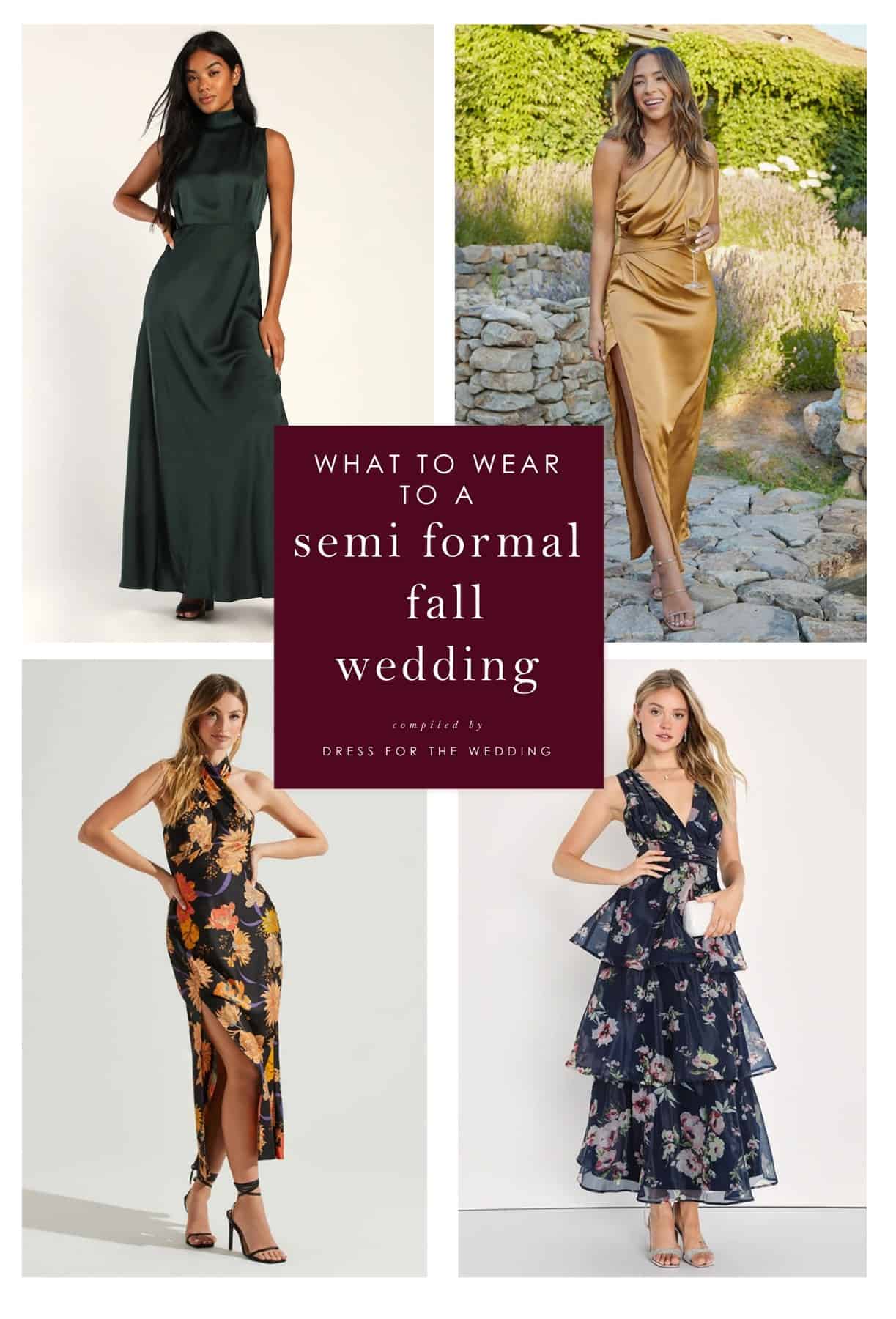
The term “semi-formal” or “cocktail attire” for women typically calls for a knee-length or midi dress, though sophisticated jumpsuits or elegant separates are now widely accepted. The key differentiator from formal wear lies in fabric weight, ornamentation, and overall attitude. As fashion historian Valerie Steele of the Fashion Institute of Technology has noted, dress codes are sociological signals, reflecting the time of day, the formality of the venue, and the nature of the event. A semi-formal dress acts as a versatile tool for events that commence after 6 p.m. but aren’t white-tie affairs—think gallery openings, sophisticated dinner parties, weddings, or holiday gatherings. The objective is polished refinement without ostentation. This aligns with the concept of “context-appropriate dressing” discussed on platforms like Quora, where users emphasize that getting it right shows respect for the host and fellow guests. It’s a non-verbal communication of your understanding of the social contract of the event.
The Fabric Science: How Material Dictates Formality
Objectively, the formality of a garment is heavily influenced by its material composition. This isn’t arbitrary; it’s rooted in the history of textile production, cost, and drape. Authoritative resources from universities like Cornell’s Department of Fiber Science explain that fabrics like raw silk, chiffon, crepe, velvet, and high-quality lace have a inherent structure and sheen that convey luxury and are suited for after-dark events. These materials interact with light differently than everyday cottons or jerseys, creating a more refined visual effect. Conversely, a simple cotton sundress, while beautiful, lacks the requisite “dressiness” for most semi-formal settings. The scientific principle of “drape”—how a fabric falls under its own weight—is crucial. A well-draped semi-formal dress skims the body elegantly, a quality achieved by specific weaves and fiber contents. When evaluating a dress, ask yourself about its hand-feel and movement. Does it puddle nicely at your ankles or does it cling stiffly? This tactile assessment is your first scientific step in identifying an appropriate piece.
Silhouette and Psychology: The Power of Shape
Beyond fabric, the silhouette of your semi-formal dress communicates volumes. Psychological studies, such as those referenced in literature from Stanford’s Department of Psychology, suggest that clothing affects both the wearer’s and the observer’s perceptions through enclothed cognition. An A-line dress, with its classic, flaring shape, projects timelessness and approachability. A sheath dress communicates sleek, confident modernity. A fit-and-flare silhouette offers a playful, feminine balance. There is no single “correct” shape; the goal is to select a silhouette that aligns with the event’s tone and your personal comfort, thereby boosting your confidence. For a creative industry event, a architectural asymmetrical hem might be perfect, while for a traditional wedding, a more conservative cut may be preferable. The viewpoint echoed by many style experts on YouTube, such as Alexa Chung, is that the best silhouette is one that makes you forget you’re wearing it, allowing your personality to take center stage.

Occasion-Specific Navigation: From Weddings to Corporate Galas
Applying the principles of fabric and silhouette to real-world scenarios demystifies the process. Let’s navigate common occasions. For a semi-formal wedding, especially a daytime or garden event, your palette can expand. Florals, pastels, and vibrant jewel tones are often welcome. A midi dress in satin-back crepe or a chiffon wrap style is impeccable. Remember the words of iconic designer Oscar de la Renta: “A woman’s dress should be like a barbed-wire fence: serving its purpose without obstructing the view.” Your outfit should celebrate the couple without overshadowing them. For a corporate holiday party, lean towards sophistication over overt glamour. A tailored slip dress in velvet or a sophisticated jumpsuit in wide-leg palazzo style strikes the right note. It says “professional” while acknowledging the celebratory mood. Websites like Harper’s Bazaar often cite the “elevated workwear” concept for such events. An evening cocktail party with friends grants the most freedom. This is your chance to experiment with trend-driven pieces—perhaps a dress with statement sleeves or a metallic finish—while still adhering to the refined fabric principle.
The Accessory Equation: Completing the Narrative
A semi-formal dress is a canvas, and accessories are your signature. The science here is one of balance and focal points. According to principles taught in fashion merchandising programs, accessories should complement, not compete. If your dress is heavily embellished, opt for minimalist jewelry. A simple sheath dress becomes a statement with bold, architectural earrings and a clutch. Footwear is critical; a classic pump or elegant block heel almost always works, while strappy sandals elevate the look further. Consider the practical anthropology of the event: a garden wedding calls for wedges or block heels that won’t sink into grass, while a museum gala allows for delicate stilettos. A pashmina or structured blazer is not just a style point but a functional layer for climate control. As fashion influencer Chriselle Lim often notes on her platforms, the right accessory doesn’t just add to an outfit; it completes a story.
Building a Value-Conscious, Timeless Wardrobe
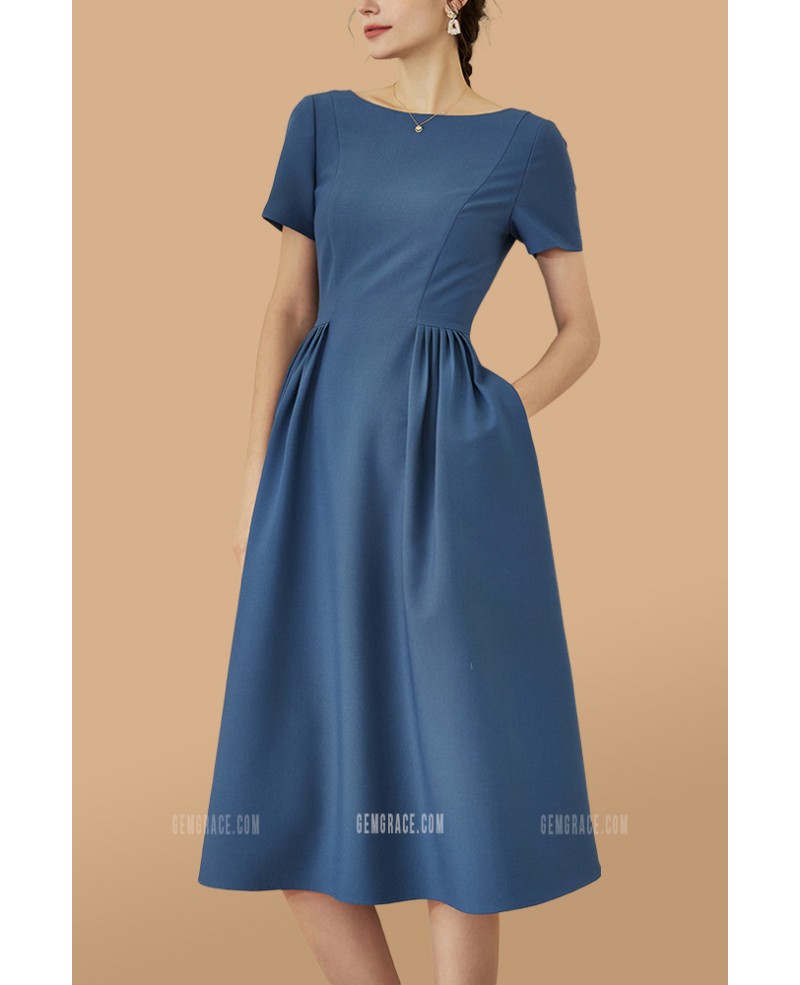
Investing in semi-formal wear need not break the bank. The most sustainable and budget-friendly approach is to build a capsule of versatile, high-quality pieces. Focus on foundational colors like black, navy, emerald green, or a rich burgundy—colors that can be re-accessorized for multiple events. Look for dresses with clean lines and excellent construction; these are the pieces that will last for seasons. To bring professional knowledge on discounted prices to you, savvy shopping is key. Utilize price-tracking tools on retail websites, shop end-of-season sales for classic items, and consider reputable consignment or rental platforms for one-off events. A well-made little black dress from a brand like Reformation or Aritzia, purchased on sale, offers a cost-per-wear that is infinitely better than a fast-fashion alternative worn once. The goal is intelligent curation over impulsive buying.
A Final Note on Personal Authenticity
Ultimately, the most powerful element you wear is your own confidence. The rules and guidelines are a framework, not a prison. The evolution of the semi-formal dress code, as seen in modern interpretations on red carpets and street style, shows a move towards individuality. Whether you choose a dress, a sleek tuxedo suit, or a elegant separates combo, ensure it feels authentically you. As the late, great fashion editor Diana Vreeland famously quipped, “The eye has to travel.” Your outfit should invite that journey, telling a story of where you are going and who you are. So, the next time that invitation arrives, see it not as a stressor, but as an opportunity to articulate a part of your identity through the elegant, versatile language of semi-formal dressing.