

Styling Semi-Formal Dresses for Every Occasion
Navigating the world of event attire often leads us to the versatile and sometimes ambiguous category of the semi-formal dress. It’s a sartorial sweet spot that bridges the gap between casual daywear and opulent evening gowns, offering a canvas for personal expression while adhering to a framework of refined elegance. This guide isn’t about rigid rules, but about unlocking the principles that make a semi-formal dress the perfect choice for a multitude of events. We’ll dissect the term with objective clarity, draw from a wealth of style philosophies, and provide you with the knowledge to build a confident and stunning wardrobe for any invitation that lands on your doorstep.
Decoding “Semi-Formal”: A Scientific Approach to Dress Codes
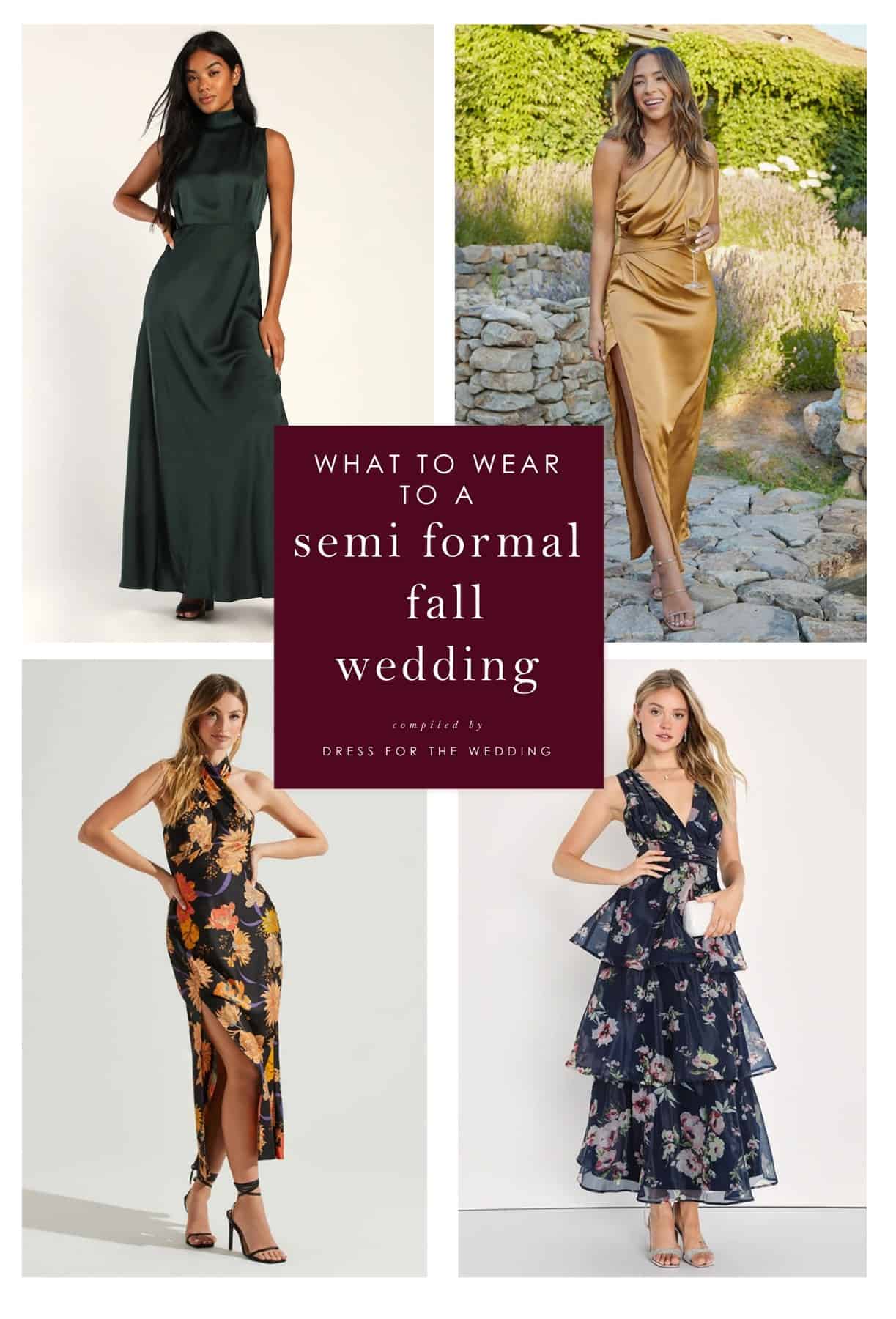
The term “semi-formal” or “half-dress” finds its roots in Western sartorial history, evolving from the strict hierarchies of day and evening wear in the 19th century. As social structures changed, so did clothing, giving rise to a more flexible category. From a sociological perspective, as noted by fashion historian James Laver in his “Law of Fashion,” clothing shifts in meaning over time, and semi-formal dresses represent a modern adaptation to less rigid, yet still significant, social gatherings. Objectively, a semi-formal dress code occupies the space between business formal and casual. For women, it typically implies a knee-length to midi dress, though sophisticated tea-length or certain ankle-length styles are perfectly acceptable. Fabrics lean towards elegance—think silk, chiffon, lace, satin, or high-quality jersey—while avoiding the overt sparkle or structure of a full ballgown. The key scientific principle here is contextual appropriateness. A study from the University of Hertfordshire’s Psychology of Fashion department suggests that wearing attire perceived as “correct” for a situation significantly boosts confidence and social perception. Therefore, understanding the semi-formal dress is not just about aesthetics; it’s about equipping yourself with a tool for social and psychological comfort.
The Foundation: Building Your Core Semi-Formal Wardrobe
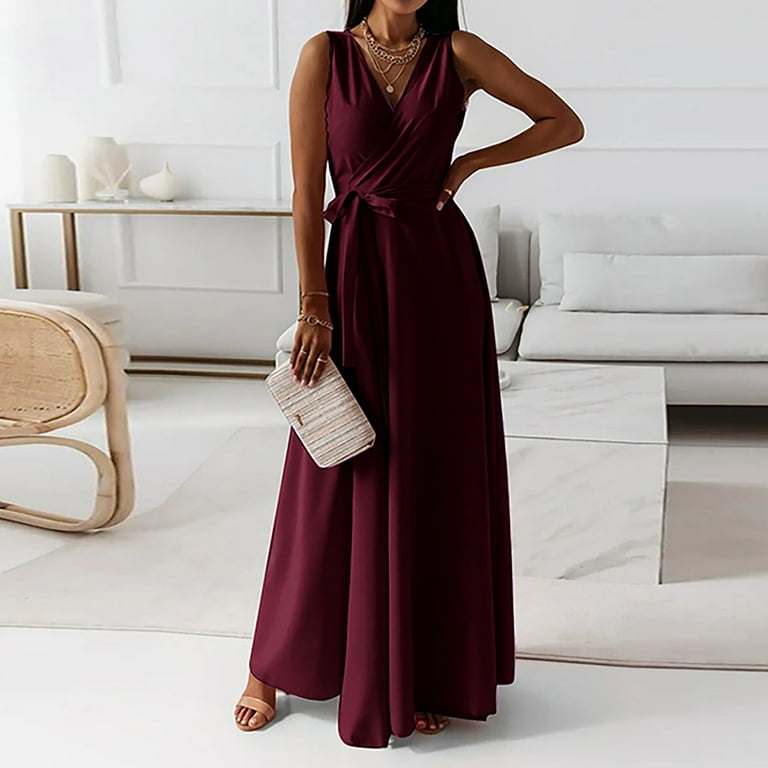
Investing in a few foundational pieces is more strategic and economical than owning a closet full of one-time wears. The first cornerstone is the Little Black Dress (LBD), but elevated. As Coco Chanel famously presented the simple black dress in the 1920s, she revolutionized women’s fashion by offering an emblem of chic simplicity. For a semi-formal context, your LBD should have distinctive details—perhaps an interesting neckline, strategic cut-outs, or luxurious fabric. The second essential is a structured sheath dress. This style, championed by designers like Cristóbal Balenciaga for its architectural purity, offers a clean silhouette that flatters most body types and serves as a perfect base for statement accessories. The third pillar is a flowing A-line or wrap dress. Diane von Fürstenberg’s iconic wrap dress, introduced in the 1970s, is a testament to timeless, forgiving, and effortlessly stylish design. A version in a rich, solid color or subtle print is infinitely versatile for daytime weddings, gallery openings, or sophisticated dinners. By anchoring your collection with these three archetypes, you create a mix-and-match system that can be transformed with accessories, making each semi-formal dress work harder for you.

Occasion-Specific Mastery: From Daytime Soirées to Evening Galas
The true test of a semi-formal dress is its adaptability. Let’s apply our foundational knowledge to specific scenarios. For a daytime or garden wedding, light and breathable fabrics like cotton voile, linen blends, or chiffon are ideal. Opt for softer pastels, floral prints, or earthy tones. As recommended by popular wedding site The Knot, avoiding colors too close to white is a standard courtesy. A midi dress with a defined waist and a playful sleeve detail would be perfect. Transitioning to a cocktail party or evening wedding, the palette deepens. Think emerald green, navy, burgundy, or metallics. Fabrics gain more luster: silk charmeuse, velvet (in cooler months), or sequined accents are appropriate. Here, a slip dress or a dress with a tasteful high slit, as often seen on red carpets at events like the Cannes Film Festival, strikes the right balance between glamour and semi-formal restraint. For a cultural or religious ceremony, modesty is often key. A dress with a higher neckline, three-quarter sleeves, and a hemline below the knee, perhaps in a rich jewel tone, shows respect while maintaining elegance. The common thread is intentionality—each choice should feel like a deliberate and respectful response to the event’s environment.
The Power of Details: Accessories, Fit, and Fabric
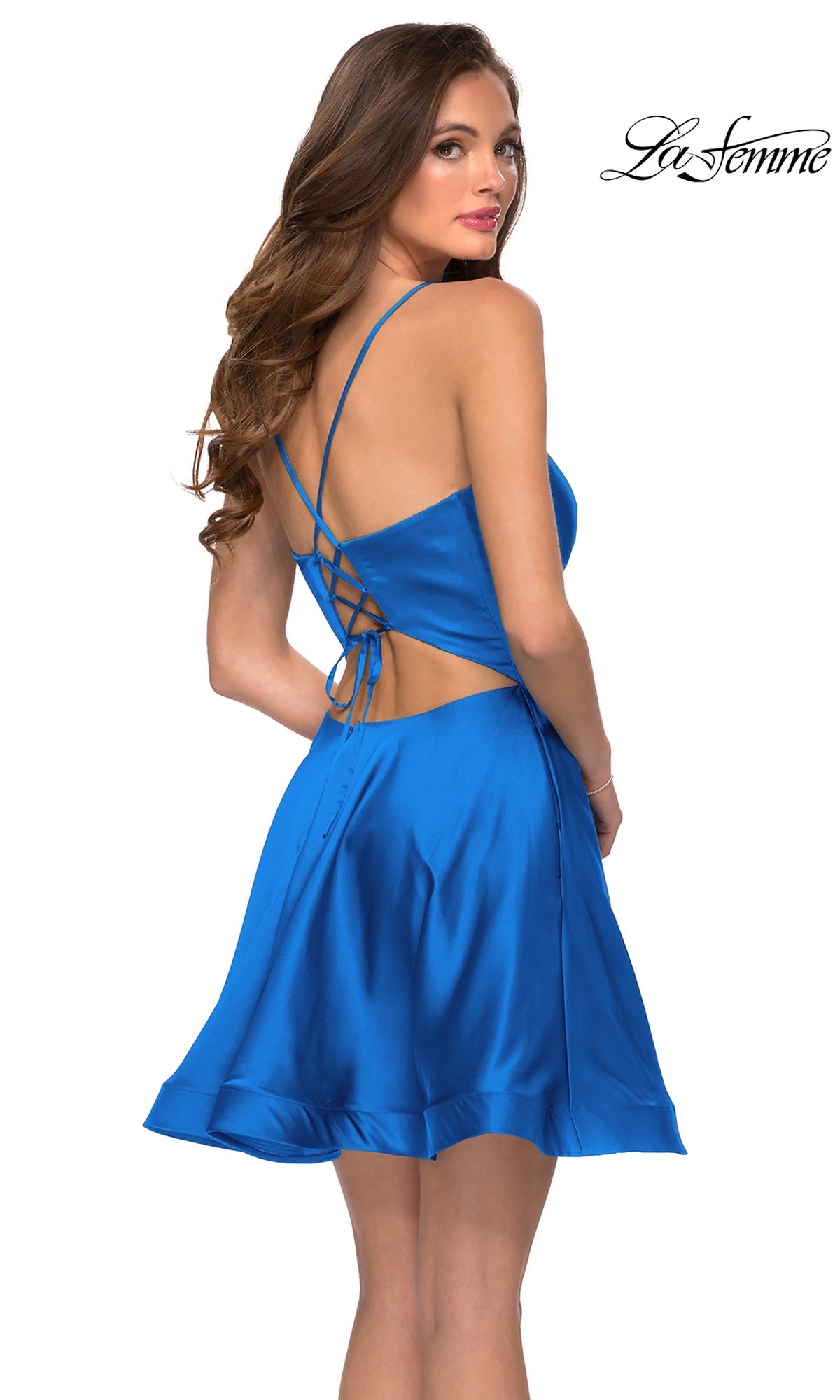
A semi-formal dress is a foundation, but its final expression is in the details. Accessories are your punctuation marks. A statement necklace can transform a simple sheath, while delicate jewelry complements a busy print. The “rule of removing one piece before you leave,” often attributed to style icon Coco Chanel, is a useful checkpoint to avoid over-accessorizing. Footwear shifts with the setting: elegant block heels or wedges for outdoor events, classic pumps for indoor venues. The fit is non-negotiable. A well-tailored dress in a size 10 will always look more expensive and polished than an ill-fitting size 6. As Tim Gunn, former co-host of Project Runway, consistently emphasized, “Make it work” starts with impeccable fit and proportion. Finally, fabric knowledge is power. Natural fibers like silk and wool breathe better but may wrinkle; high-quality synthetics like polyester blends offer durability and wrinkle resistance. Understanding these properties allows you to choose a dress that not only looks beautiful but also feels comfortable throughout the event, which is the ultimate goal of personal style.
Shopping with Savvy: Professional Insights and Finding Value
Building a sophisticated wardrobe need not decimate your budget. The key is informed shopping. First, know your fabrics and construction. Look for finished seams (like French seams), lined bodices, and secure zippers. These are hallmarks of quality that extend a garment’s life. Second, shop off-season. Retailers like Nordstrom, Saks Off 5th, and even premium brands on Amazon frequently offer deep discounts on formal and semi-formal wear after major holiday seasons. Third, consider rental services like Rent the Runway or Nuuly for one-off events. This is a sustainable and cost-effective way to wear designer labels. Fourth, don’t underestimate the power of alteration. A $100 dress with $50 of tailoring will outperform a $300 dress that doesn’t fit perfectly. As style authority and author of “The Curated Closet,” Anuschka Rees, argues, a focused wardrobe of fewer, better-fitting items is more valuable than a crowded closet of mediocre pieces. By applying these professional strategies, you gain access to higher quality and better design, often at a discounted price, making the pursuit of the perfect semi-formal dress both an intelligent and rewarding endeavor.
Ultimately, mastering the semi-formal dress is an exercise in personal empowerment. It moves beyond following a dress code to understanding the language of clothing itself—how fabric, cut, color, and detail communicate who you are within a given social framework. It’s about having the confidence to walk into any room, from a sun-drenched garden ceremony to a candlelit dinner, knowing your attire is both appropriate and a authentic reflection of your style. With this knowledge as your guide, you are no longer just getting dressed; you are crafting your presence for every occasion that matters.