

Styling Your Revolve Dress for Every Occasion
Your wardrobe holds a secret weapon: the revolve dress. This isn’t just another garment; it’s a chameleon, a foundational piece capable of shape-shifting to match the rhythm of your life. From the quiet focus of a boardroom to the vibrant pulse of a gallery opening, the right dress doesn’t just fit the occasion—it defines your presence within it. The art lies not in owning countless outfits, but in mastering the transformative power of a single, versatile piece. Let’s move beyond basic outfit assembly and delve into the strategic styling of your revolve dress, turning it into the cornerstone of a dynamic and expressive wardrobe.
The Foundation: Understanding Your Dress’s Architecture
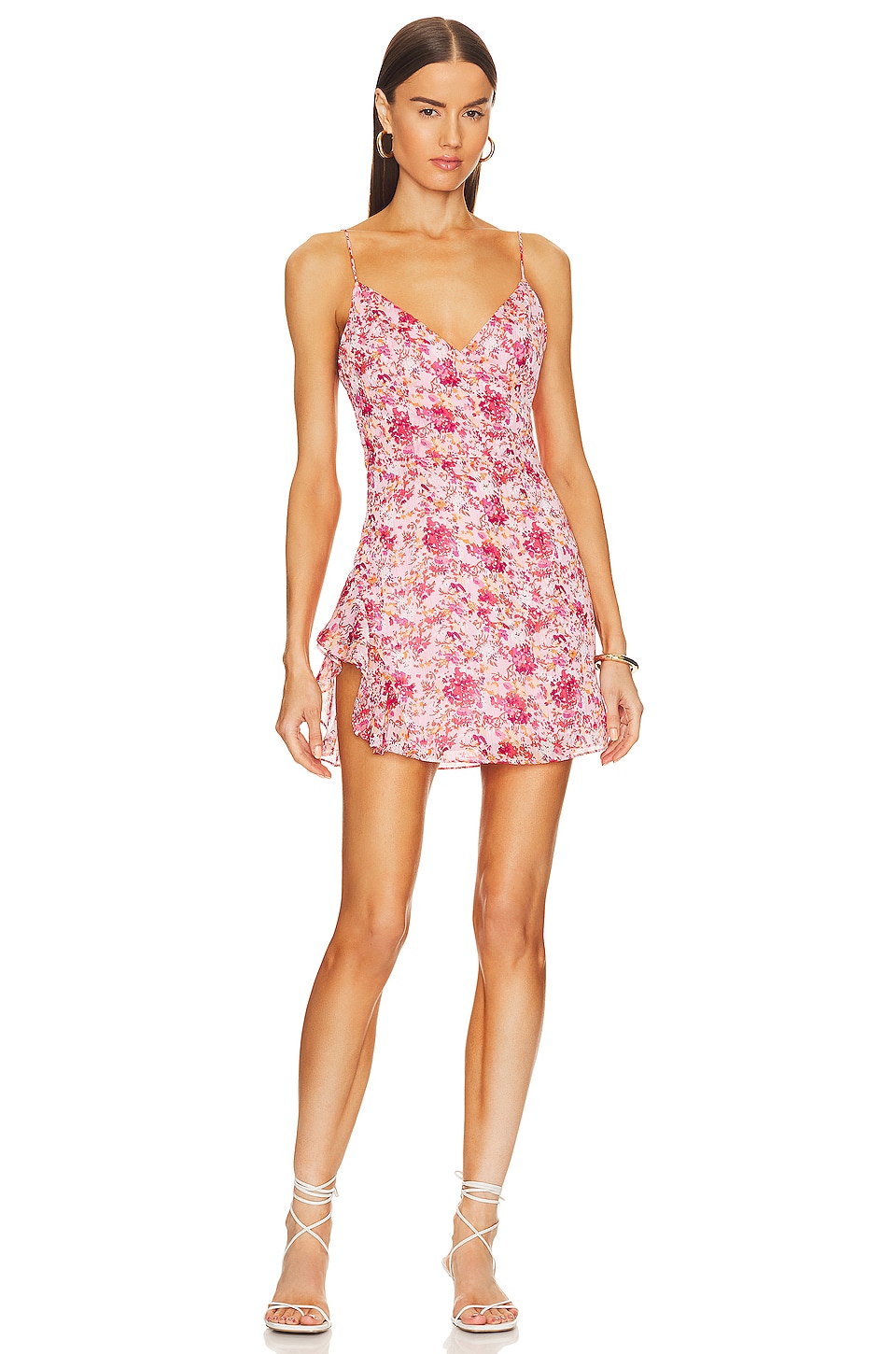
Before we accessorize, we must appreciate the canvas. The term “revolve dress” often refers to styles available from retailers like Revolve, but it has evolved to signify a category of dresses designed with versatility and contemporary flair in mind. These dresses typically feature clean lines, quality fabrics, and silhouettes that balance trendiness with timelessness. From a scientific perspective, the impact of clothing is rooted in environmental psychology and nonverbal communication. As noted by Dr. Carolyn Mair, a behavioral psychologist and author of “The Psychology of Fashion,” what we wear significantly affects our cognitive processes, known as “enclothed cognition.” The cut, color, and texture of your dress send silent signals before you speak. A structured sheath dress communicates authority and precision, principles supported by research into professional attire’s effect on perceived competence. A flowing, floral revolve dress taps into biophilic design principles, connecting the wearer to natural patterns and often evoking approachability and creativity. Understanding this sartorial language is the first step in intentional styling. The fabric itself holds power: a heavy silk crepe drapes with solemn elegance for formal events, while a technical knit might offer sleek comfort for travel or day-to-night transitions. By reading the inherent message of your dress’s architecture—its silhouette, neckline, hemline, and material—you lay the groundwork for all subsequent styling choices.
Scenario 1: The Professional Arena
Navigating professional environments requires a uniform of respect and capability. Your revolve dress can be the perfect base for this. Opt for styles in neutral palettes—black, navy, charcoal, or camel—with defined waists and hemlines at or just above the knee. The goal is polished authority. Here, tailoring is your greatest ally. As fashion icon Coco Chanel famously advocated, “In order to be irreplaceable, one must always be different.” In a professional context, this difference comes from impeccable fit. Consider a tailored blazer in a complementary but not perfectly matching tone; a navy blazer over a charcoal dress adds depth. Footwear shifts the balance: pointed-toe flats or low-block heels offer all-day power without sacrificing comfort. Accessories should be deliberate and minimal. A single statement watch, subtle stud earrings, or a structured leather tote speak volumes. Draw inspiration from characters like Miranda Priestly in “The Devil Wears Prada” or real-world figures like Christine Lagarde, whose tailored dresses project formidable competence. The psychology here is clear: as studies cited in the “Journal of Experimental Social Psychology” have shown, formal attire increases abstract thinking and feelings of power. Your professional styling of the revolve dress isn’t about conformity; it’s about crafting an armor of confidence that allows your expertise to take center stage.
Scenario 2: Casual Ingenuity and Weekend Ease
The magic of a great dress is its ability to look effortlessly chic when the agenda calls for relaxation. This is where personal style truly shines. A simple slip-style or shirt revolve dress becomes a weekend canvas. The key is juxtaposition. Layer a crisp, white t-shirt underneath a sleeveless slip dress, instantly transforming it into a casual pinafore. Throw an oversized denim jacket or a slouchy cardigan over your shoulders. Footwear becomes playful: classic white sneakers, rugged ankle boots, or flat leather sandals ground the look in ease. Accessorize with a crossbody bag for hands-free convenience and layered necklaces for a personal touch. This approach echoes the “effortless” aesthetic popularized by French style philosophies, as documented on platforms like Quora and in books like “Parisian Chic.” The viewpoint isn’t about looking like you didn’t try; it’s about looking intuitively put-together. As fashion influencer and author Camille Charrière often demonstrates, it’s the mix of high (the dress) and low (the sneakers) that creates modern appeal. This styling philosophy brings professional knowledge to the user: understanding balance and texture to achieve a look that is both comfortable and considered, proving that style need not be sacrificed for comfort.
Scenario 3: Evening Glamour and Social Events
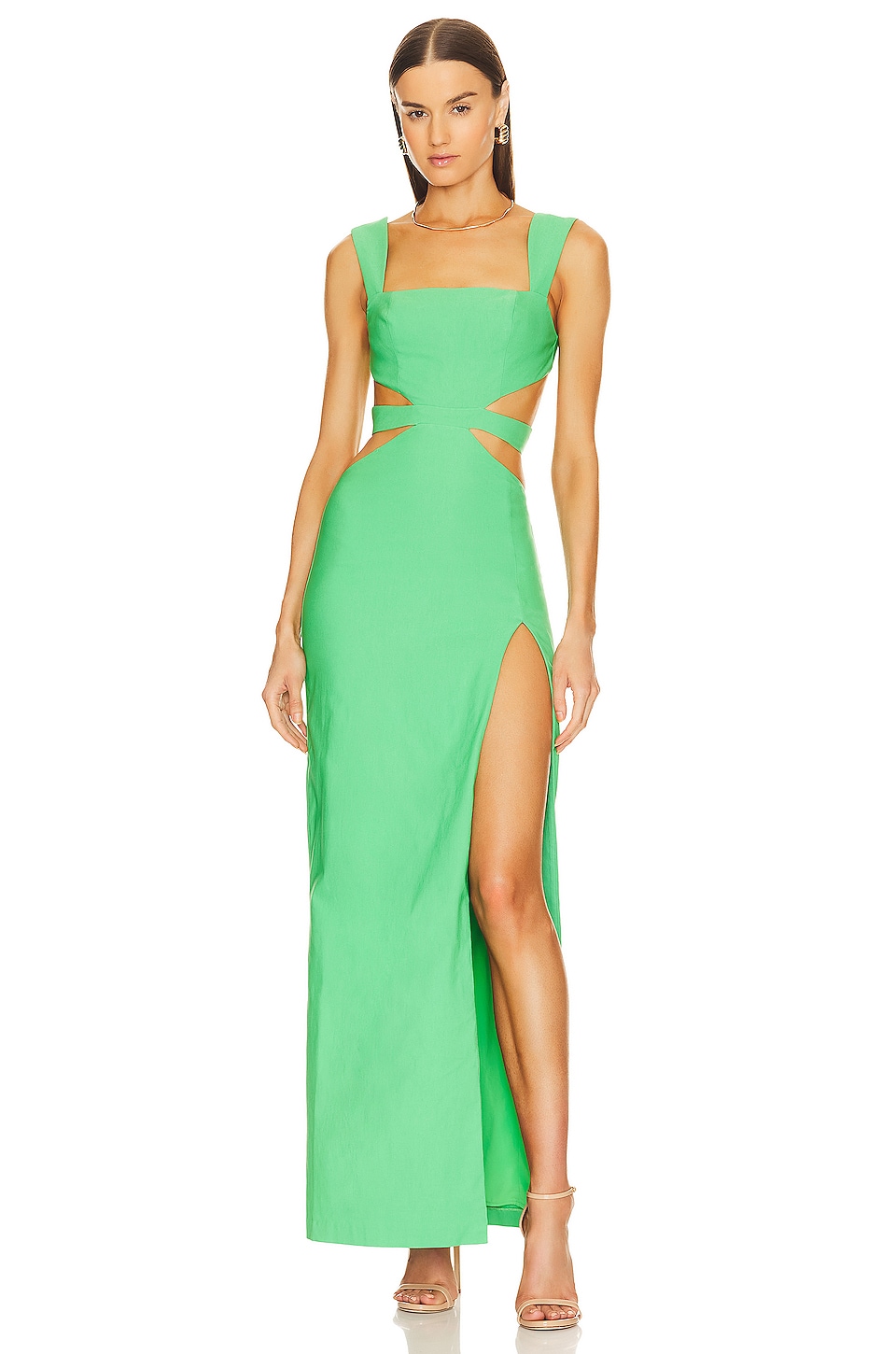
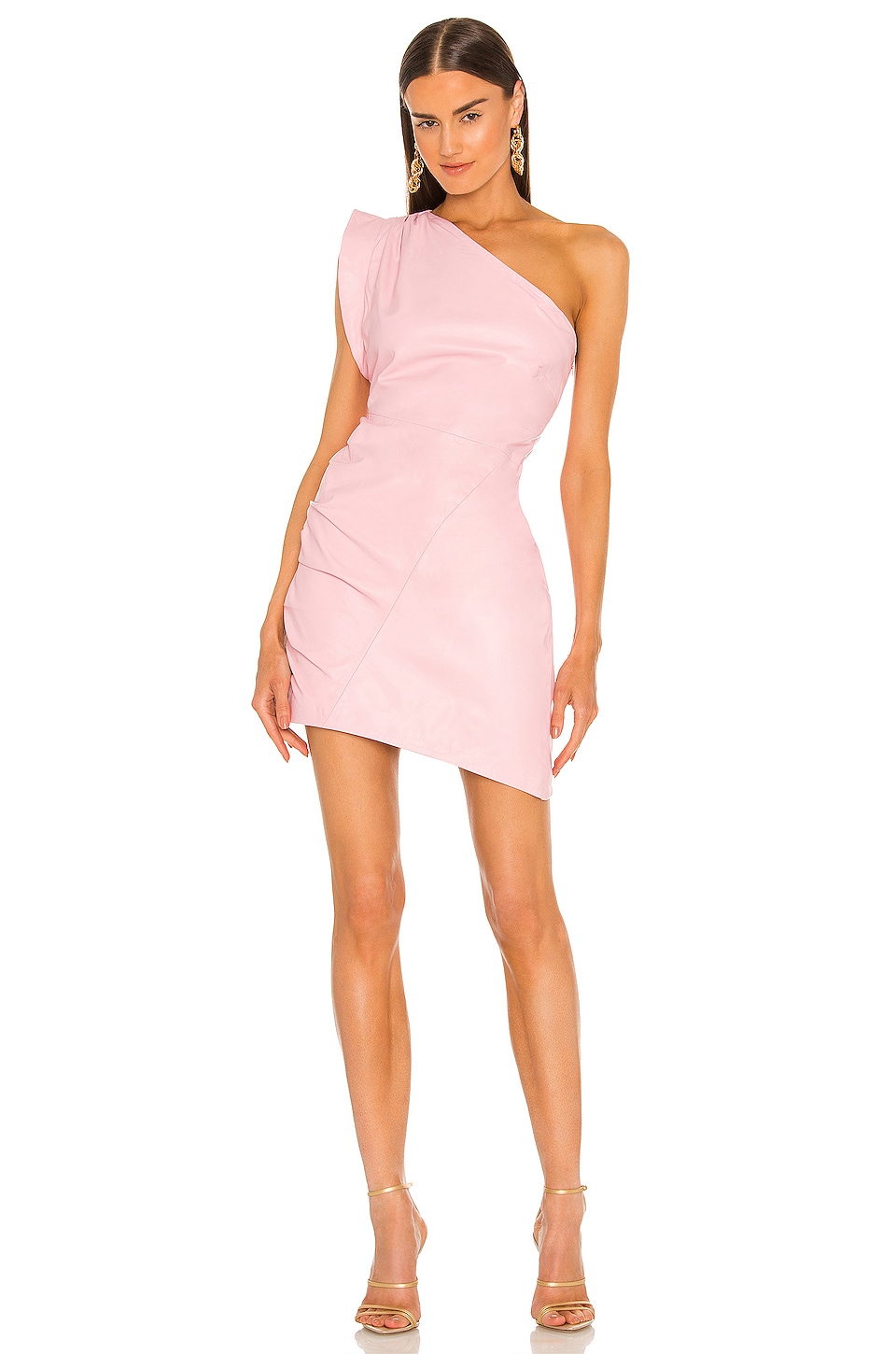
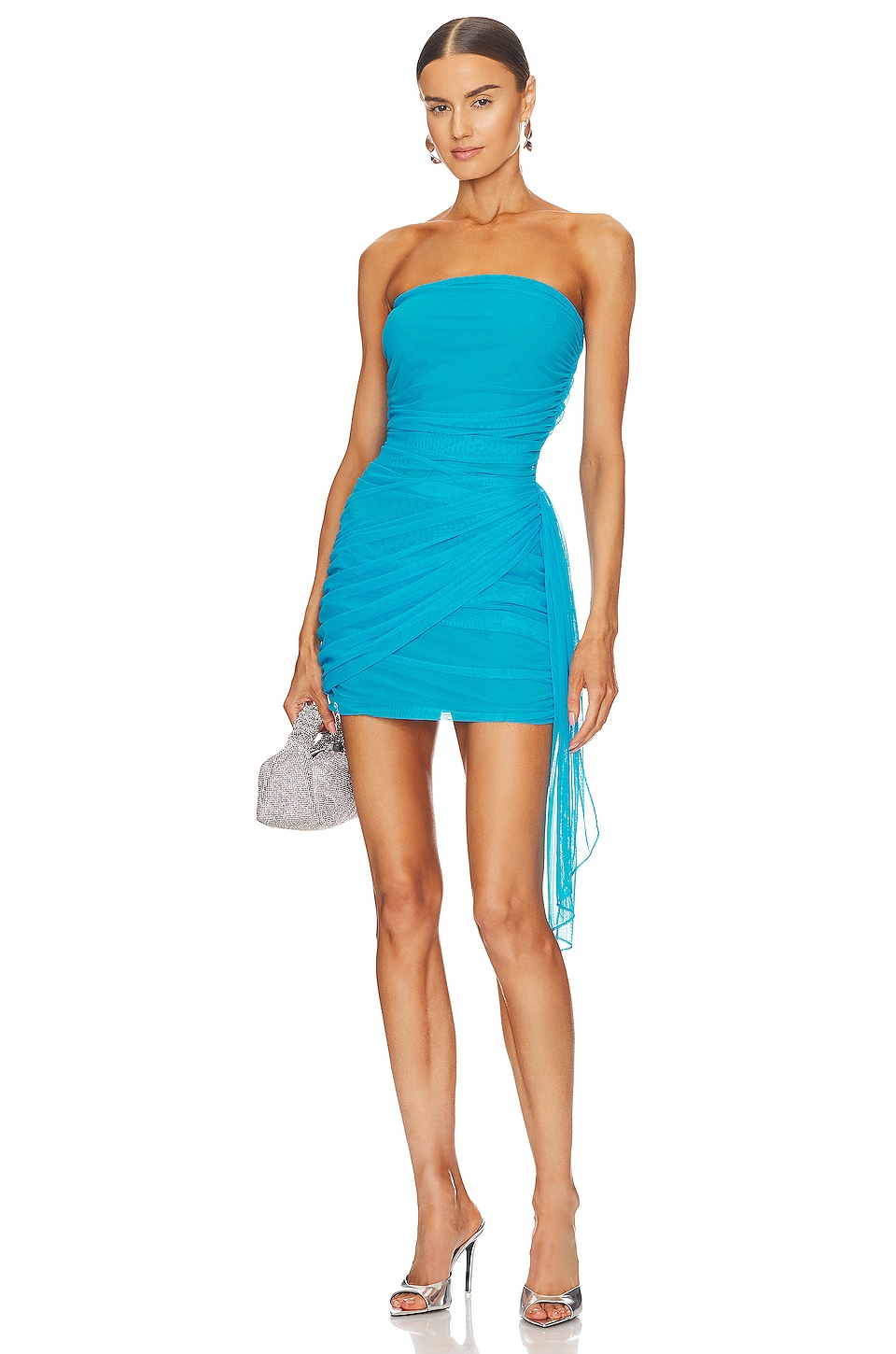
When the sun sets and the event calls for celebration, your revolve dress is ready for its metamorphosis. This is the moment for boldness and shine. Sequins, silk, velvet, or bold prints take center stage. The styling rule shifts from subtraction to strategic addition. Elevate a simple black dress with masterful accessories: statement earrings that catch the light, a metallic clutch, and strappy high heels. A luxurious faux fur stole or a sleek leather moto jacket can add an edge to a delicate dress. Consider your beauty look an integral part of the outfit—a bold lip or a smoky eye can complete the transformation. This practice aligns with the principles of Hollywood glamour, where stylists like Law Roach (known for Zendaya’s iconic looks) use clothing as narrative tools. As he stated in an interview with Vogue, “It’s about creating a character for the moment.” Your evening look should feel like a performance of your most confident self. The scientific angle here involves color psychology and perception. Metallics and jewel tones are known to attract light and attention, directly influencing how you are perceived in a dimly lit social setting. This styling brings not just knowledge, but the feeling of a discounted price on a premium experience—one versatile dress delivers multiple high-impact looks.
The Strategic Accessory: Beyond the Obvious
Accessories are the punctuation marks of your outfit; they can turn a simple statement into a compelling story. Moving beyond belts and bags, consider the transformative power of outerwear, footwear, and even technology. A tailored trench coat belted over your dress creates an instantly sophisticated silhouette suitable for travel or transitional weather. A chunky knit sweater tied around your shoulders offers preppy polish for a daytime look. Footwear, as mentioned, is a powerful lever: swapping boots for heels can take a dress from a daytime market to a dinner reservation. Even your choice of hosiery—sheer tights, textured fishnets, or bold patterned socks peeking over boots—can redefine a look. This knowledge is echoed by costume designers in film. For instance, the meticulous styling in “Phantom Thread” showcases how accessories, from gloves to hats, complete a character’s social identity. On platforms like YouTube, stylists like Ashley Weston provide certified professional tutorials on this very topic, demonstrating how a single dress can tell five different stories with accessory changes. This approach is deeply practical, offering users a form of sartorial “discount”—maximizing the value of their core wardrobe pieces through intelligent, low-cost additions rather than constant new purchases.
A Note on Sustainability and Personal Expression
Mastering the art of styling a single revolve dress for multiple occasions is not merely a fashion exercise; it is a step toward mindful consumption. In an era increasingly aware of fast fashion’s environmental impact, as documented by institutions like the Ellen MacArthur Foundation, building a versatile, long-lasting wardrobe is both a stylish and an ethical choice. Each time you re-style your dress, you challenge the need for newness. Furthermore, this practice deepens your personal style. As fashion theorist and professor at Central Saint Martins, Caroline Evans, writes in her literature, fashion is a form of self-creation and communication. By constantly re-interpreting one piece, you engage in a deeper dialogue with your own aesthetic preferences, moving beyond trends to discover what truly resonates with you. It empowers you to be the author of your style narrative, rather than a passive consumer.
Your journey with your favorite dress is just beginning. See it not as a single-use item, but as a partner in your daily life. Experiment with the layers, the shoes, the jewelry. Observe how a different belt changes your silhouette, how a new jacket alters the mood. The true value of a remarkable revolve dress lies in its potential—a potential unlocked not by your wallet, but by your creativity. Embrace its versatility, and you’ll find that for every occasion life presents, you are already impeccably dressed.