

Styling Your Shift Dress for Every Season
The shift dress stands as a sartorial chameleon, a garment whose deceptive simplicity belies its immense versatility. Its clean lines and unstructured silhouette offer a blank canvas upon which we can project the mood of any season. This isn’t merely about layering for warmth or opting for lighter fabrics; it’s a holistic approach to adapting a timeless piece to the rhythmic changes of the year. From the crisp air of autumn to the vibrant bloom of spring, the shift dress can be the cornerstone of a dynamic, intelligent wardrobe that respects both personal style and environmental context. Let’s explore how to master this art, moving beyond basic advice into a realm of thoughtful styling, supported by insights from fashion history, textile science, and cultural commentary.
The Architectural Foundation: Understanding the Shift Dress
Before we embark on seasonal transformations, we must appreciate the foundation. The shift dress emerged as a sartorial revolution in the 1960s, championed by designers like Mary Quant and André Courrèges. It was a direct departure from the cinched waists and full skirts of the previous decade. As the Victoria and Albert Museum notes, this style symbolized a new freedom and modernity for women, mirroring societal shifts. Architecturally, it is defined by its straight cut—falling from the shoulders with little to no shaping at the waist. This silhouette is key to its versatility. From a materials science perspective, the drape, weight, and thermal properties of the fabric chosen for a shift dress fundamentally dictate its seasonal suitability. A heavy wool crepe will interact with your body and the environment differently than a lightweight linen or a technical synthetic blend. Understanding this interplay between form, fabric, and function is the first step in conscious styling. It’s not just a dress; it’s a modular system for self-expression.
Spring: A Canvas for Renewal and Pattern
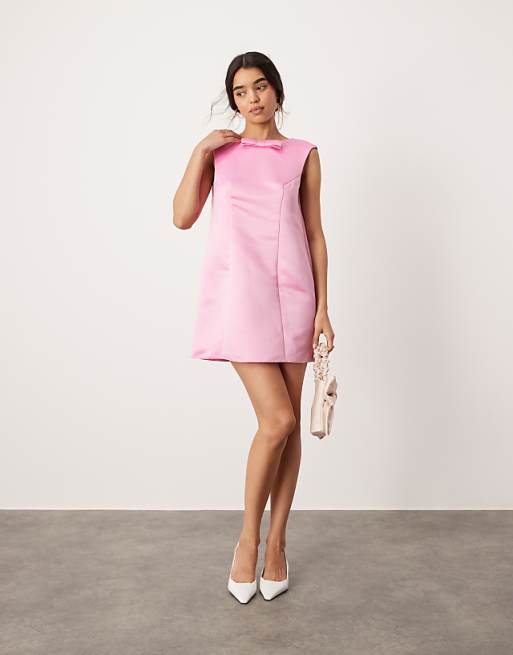
Spring styling is an exercise in optimism and transition. The goal is to capture the season’s energy while navigating its capricious temperatures. Here, the fabric of your shift dress becomes paramount. Opt for mid-weight cottons, soft jerseys, or blends with a slight texture. These materials offer enough substance for a cool morning breeze but remain breathable as the day warms. This is the season to embrace pattern and color psychology. As Pantone’s seasonal color reports often influence fashion, consider hues like muted greens, sky blues, or soft yellows—colors linked in color theory to growth, clarity, and energy. A floral-printed shift dress directly taps into the season’s essence. The styling magic happens with layers. A denim jacket or a tailored blazer in a complementary neutral adds structure and warmth. Footwear shifts from heavy boots to sleek ankle boots or classic sneakers. Accessorize with pieces that feel renewed: a woven tote bag, minimalist gold jewelry, or a silk scarf tied in your hair. The spring shift is about layering not just garments, but ideas—lightness, pattern, and the joyful anticipation of warmer days.

Summer: Mastering Breathability and Minimalist Drama
Summer demands a strategy centered on comfort and coolness without sacrificing style. The fabric selection narrows to champions of breathability: pure linen, lightweight cotton voile, rayon, or Tencel™. These natural and lyocell fibers are celebrated for their moisture-wicking and air-circulating properties, a fact often highlighted in textile sustainability forums. The silhouette can afford to be more playful—think shorter hemlines or sleeveless designs. Color moves into high gear: vibrant solids, bold geometric prints, or classic stripes become your allies. Styling in summer is often about subtraction, but strategic addition creates impact. For evening, as fashion commentator Tim Gunn often advised, “Make it work” with one statement piece. Pair a simple linen shift with dramatic, oversized earrings and strappy sandals. A wide-brimmed hat and sunglasses are non-negotiable functional accessories that double as style elevators. The key is to let the dress breathe, keeping lines clean and uncluttered. Your summer shift dress should feel like a second skin—cool, effortless, and radiantly confident.
Autumn: The Art of Textural Layering
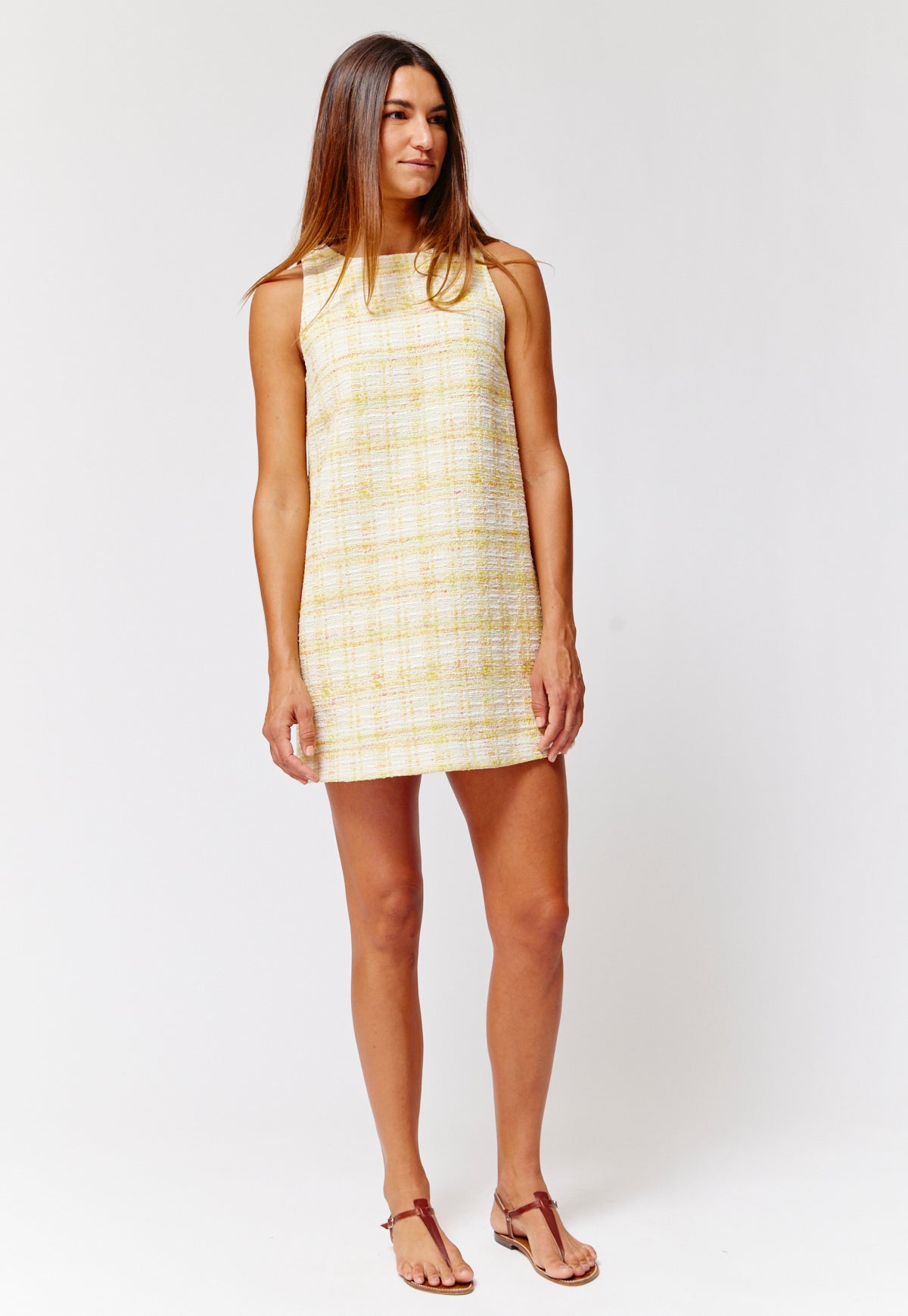
Autumn is the shift dress’s true moment to shine, transforming through the sophisticated art of layering. This is where we engage deeply with texture and weight. Begin with a shift dress in a seasonally appropriate fabric: wool jersey, heavy cotton twill, corduroy, or a fine-gauge knit. These materials provide a warm, tactile base. Layering becomes an architectural pursuit. A turtleneck sweater worn underneath creates a chic, cozy column of color. Tights or leggings in opaque black or a complementary hue add warmth and a sleek line. The outer layer is crucial. A tailored wool coat, a leather moto jacket, or an oversized cardigan each creates a distinct aesthetic—polished, edgy, or relaxed. Footwear transitions to boots: ankle boots, knee-highs, or even sleek combat styles. Accessories lean towards the substantial: a felt fedora, a leather crossbody bag, or chunky metal jewelry. As the leaves turn, so does your outfit, building depth and interest. The autumn approach to the shift dress is intellectual and sensual, playing with proportions and touchable materials to create a look that is as substantial as the season itself.
Winter: Strategic Insulation and Luxe Touches
Conquering winter in a shift dress is a testament to strategic dressing and a rejection of the notion that style must hibernate. It requires a focus on insulation and luxe details. Start with the warmest base: a shift dress in a thick wool blend, velour, or even a fine merino knit. The concept of “thermal layering,” often discussed in outdoor apparel reviews, applies here. Consider thin, heat-retaining underlayers beneath your dress. The outer layer is non-negotiable: a long, structured wool coat or a padded parka for extreme climates. Tights become thermal or sheer wool. Footwear is practical yet polished—knee-high or over-the-knee boots, perhaps with a low block heel for stability. This is the season for luxe accessories that serve a purpose. A cashmere wrap, leather gloves, and a wool berry add layers of warmth and sophistication. As designer Diane von Furstenberg famously said about her own wrap dress, which shares the shift’s versatile ethos, “Feel like a woman, wear a dress!” Winter is no exception. It’s about embracing the dress as a core element and building a protective, elegant capsule around it, proving that the shift dress is a truly year-round companion.
Beyond the Seasons: The Shift Dress as Wardrobe Philosophy
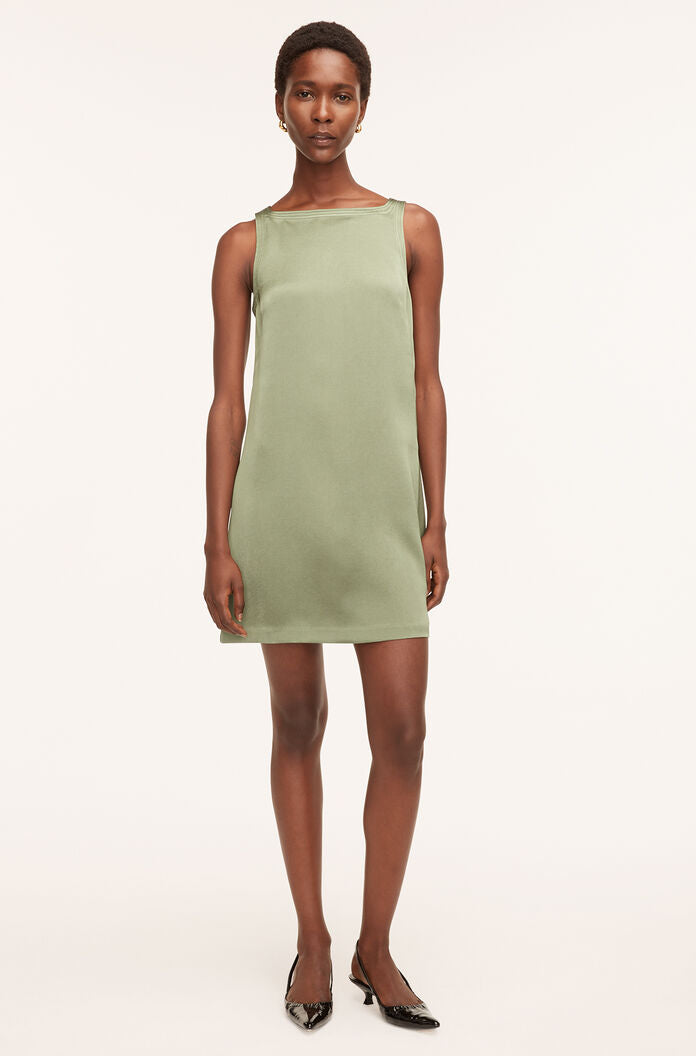
The journey through the seasons reveals a deeper truth: the shift dress is more than a garment; it’s a philosophy of dressing. It champions versatility, intelligence, and personal agency. It aligns with the slow fashion movement by being a high-quality, adaptable piece that reduces the need for constant consumption. By mastering its seasonal transformations, you build a more mindful and creative relationship with your wardrobe. You learn to see a single item as multiple possibilities, driven by fabric knowledge, color awareness, and layering ingenuity. This approach brings professional knowledge to your daily choices, empowering you to look impeccably styled regardless of the weather. And from a practical standpoint, investing in one excellent, fabric-appropriate shift dress for each season is ultimately more economical than chasing fleeting trends—a true discount in the long run. It is the ultimate canvas, waiting for your personal signature in every breeze, under every sun, and against every frost.