

5 Chic Semi-Formal Dresses for Effortless Style
Navigating the world of dress codes can often feel like deciphering an ancient language. “Business casual,” “cocktail attire,” “smart casual”—each comes with its own unspoken rules and sartorial expectations. Yet, one category consistently emerges as the most versatile and universally flattering: the semi-formal dress. It’s the sartorial sweet spot, a realm where elegance meets ease, allowing for personal expression without the strictures of black-tie formality or the potential pitfalls of casual wear. This article isn’t about rigid rules; it’s a curated exploration of five distinct styles of semi-formal dresses that promise to deliver effortless style. We’ll dissect their design principles, explore their psychological impact, and ground our discussion in objective perspectives from fashion theory, cultural commentary, and the lived experiences of style icons. The goal is to arm you with knowledge, transforming the act of choosing a dress from a chore into a confident, informed decision that brings both professional polish and personal delight, often at surprisingly accessible price points.
The Midi Dress: Mastery of Proportion and Timelessness
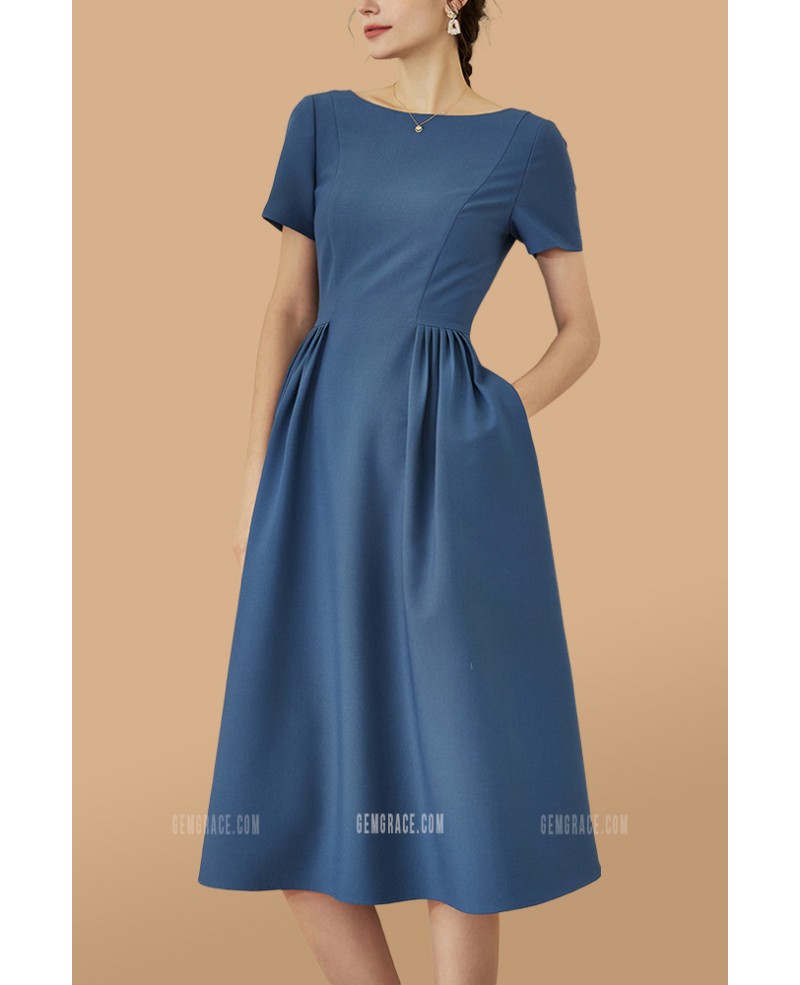
The midi dress, with its hemline falling gracefully between the knee and ankle, is a cornerstone of the semi-formal dress wardrobe. Its power lies in its mastery of proportion. Unlike the potentially restrictive mini or the formally demanding maxi, the midi offers a balanced silhouette that is inherently sophisticated. This isn’t a fleeting trend; its endurance is rooted in design principles that align with classical aesthetics. As noted in analyses from institutions like the Fashion Institute of Technology, the midi length often corresponds with the “golden ratio” or dynamic symmetry, proportions naturally pleasing to the human eye. It creates a vertical line that elongates the frame without overwhelming it. From a sociological perspective, the midi communicates a nuanced message. As author and style observer Vanessa Friedman has pointed out in her critiques, clothing that covers a moderate amount of skin often conveys authority and thoughtful curation rather than overt display. A sleek, solid-color midi sheath dress in a fabric like ponte knit or crepe is a masterclass in this principle. It provides enough structure to look polished for a daytime conference or a client lunch, yet its simplicity allows for dramatic accessories or a statement blazer to transition it to an evening dinner. The versatility is unmatched, offering a high style return on investment, especially when found through savvy shopping during seasonal sales or on dedicated contemporary brand platforms where quality meets value.
The Wrap Dress: Engineered Flattery and Psychological Comfort
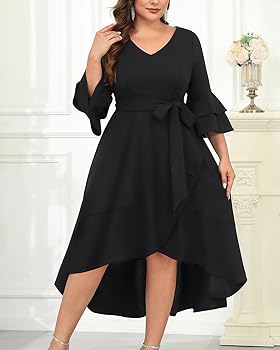
Few garments are as universally hailed for their flattering nature as the wrap dress. Its genius is one of engineering: the diagonal crossover closure creates a V-neckline that draws the eye vertically, while the tied waist defines the smallest part of the torso, and the skirt flows over the hips. This design doesn’t just fit a body; it sculpts a silhouette. The objective science behind this is often linked to the concept of “motion drape” in textile design, where fabric is cut and arranged to follow and flatter the body’s natural movements. The wrap dress’s creator, Diane von Fürstenberg, famously encapsulated its ethos: “Feel like a woman, wear a dress.” This statement transcends mere marketing; it touches on the psychology of enclothed cognition—the systematic influence that clothes have on the wearer’s psychological processes. A well-fitting wrap dress, often in a fluid jersey or silk-like fabric, makes one feel put-together and confident with minimal effort. It is the quintessential “throw-on-and-go” semi-formal dress that works for a wide range of body types, a fact consistently echoed on platforms like Quora and Reddit’s female fashion advice communities where real-world testing is paramount. Its inherent comfort and adjustable fit remove the anxiety of restrictive clothing, allowing the wearer to focus on the event, not her outfit. This psychological comfort, paired with its timeless design, makes it a perennial favorite, and its prevalence means excellent versions can be found across a wide spectrum of budgets, from high-street retailers to premium contemporary labels offering significant discounts during end-of-season events.
The Shirt Dress: Borrowed Authority and Modern Androgyny
Emerging from the masculine wardrobe, the shirt dress is a powerful study in borrowed authority and modern androgyny. It takes the structured, confident language of a men’s dress shirt—the collar, the placket, the cuffs—and translates it into a feminine, dress form. This fusion creates a semi-formal dress that exudes competence and crispness. The appeal is deeply cultural. In her seminal book The Psychology of Fashion, professor Carolyn Mair discusses how garments associated with traditionally male-dominated spheres can imbue the female wearer with perceived traits of authority, logic, and professionalism. A tailored shirt dress in cotton poplin or lightweight wool is a direct application of this theory. It is impeccably appropriate for office environments, networking events, or gallery openings where a sharp, intellectual aesthetic is valued. It can be worn strictly belted for a defined waist, or left open over trousers for a layered look, showcasing its versatile DNA. The style has been championed by figures known for their intellectual and sleek style, from actress turned designer Sofia Coppola to former French Minister of Justice Rachida Dati, reinforcing its association with cultivated power. The beauty of the shirt dress lies in its transformative potential: with sleek heels and statement jewelry, it is polished; with sandals and a tote, it is relaxed yet refined. This chameleon-like quality ensures its place as a workhorse in a sophisticated wardrobe, and its simple construction often means well-made versions are available at very reasonable price points, particularly from brands specializing in workwear and minimalist design.

The Fit-and-Flare: Architectural Joy and Movement
If architecture had a direct counterpart in fashion, the fit-and-flare dress would be a strong contender. Characterized by a fitted bodice that cinches at the waist and a skirt that “flares” out, this silhouette is pure, unadulterated joy in form. It creates an hourglass shape, a silhouette historically and cross-culturally often associated with vitality and femininity. The design’s success is not merely cultural but also kinetic; it allows for remarkable freedom of movement. The flared skirt, depending on its fullness, can incorporate pleats, gathers, or circular cutting techniques—methods studied in pattern-making courses at authoritative institutions like Central Saint Martins for their ability to manipulate fabric volume and behavior. This makes it an exceptional choice for events where you might be standing, dancing, or moving with gusto. A fit-and-flare in a luxe fabric like brocade or velvet becomes a standout party semi-formal dress, while the same silhouette in a printed cotton or chiffon is perfect for a garden party or a summer wedding. It’s a silhouette celebrated in popular culture, from the iconic dresses of the 1950s worn by Audrey Hepburn to the modern red-carpet choices of celebrities like Taylor Swift, who often uses it to project a classic, romantic image. The fit-and-flare is inherently celebratory and photogenic, offering a guaranteed confidence boost. While couture versions exist, the fundamental pattern is so beloved that it is mass-produced with great success, allowing shoppers to find stunning, high-quality examples at department store sales or through online outlets specializing in occasion wear, bringing a touch of glamour within practical reach.
The Slip Dress: Minimalist Elegance and Layered Potential
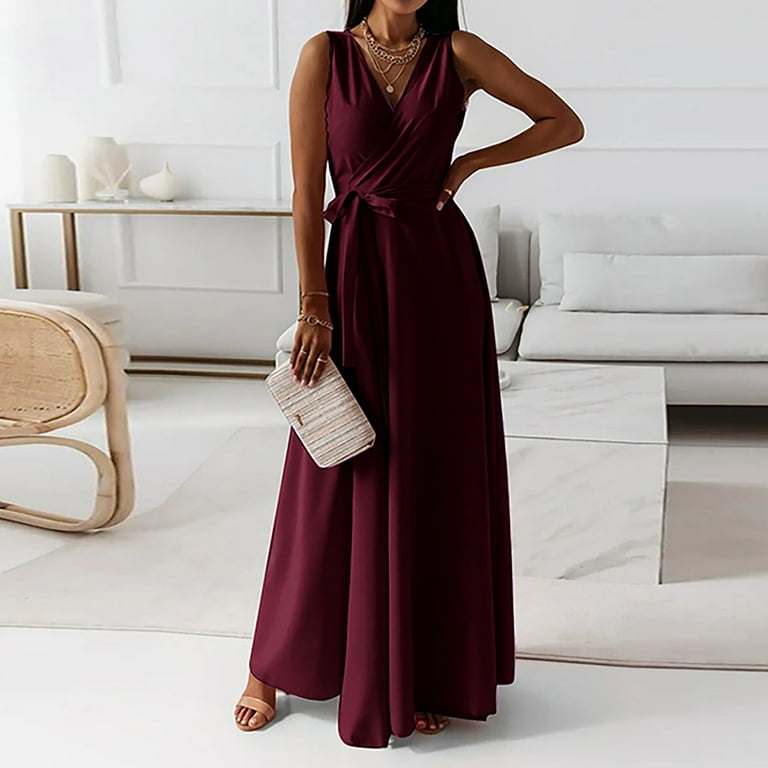
At the opposite end of the spectrum from the architectural fit-and-flare lies the slip dress: a study in minimalist elegance and sensual line. Inspired by the intimate undergarments of the early 20th century, its transformation into outerwear in the 1990s, championed by designers like Calvin Klein and Helmut Lang, marked a shift towards a new kind of cool, effortless luxury. Its power is in its simplicity and its reliance on the body’s own form. Typically cut on the bias from fluid fabrics like satin, silk, or charmeuse, a slip dress drapes and moves with the wearer, highlighting the natural silhouette. This aligns with the minimalist philosophy in art and design, which holds that beauty and function are found in purity of form and reduction to essentials. As fashion historian Valerie Steele has noted in her work, the slip dress’s appeal is its “calculated vulnerability” and its rejection of overt structure. However, its genius for the semi-formal dress code is unlocked through layering. Worn alone with fine jewelry and heels, it is undeniably evening-appropriate. But its true versatility shines when styled for semi-formal day or cooler weather: layered over a fine-gauge turtleneck, under a tailored blazer, or even with a simple white T-shirt peeking from underneath. This transformative ability is endlessly documented by style influencers on platforms like YouTube, where the “layered slip dress” is a perennial tutorial topic. It is a garment that rewards creativity and personalization. While luxury versions in pure silk are coveted, the rise of excellent synthetic satins means this look is profoundly accessible, with high-street brands offering convincing and chic iterations at a fraction of the cost, especially during promotional cycles focused on eveningwear or foundational pieces.

The pursuit of effortless style is not about a single, perfect garment, but about understanding the tools at your disposal. These five archetypes—the proportional Midi, the flattering Wrap, the authoritative Shirt, the joyful Fit-and-Flare, and the minimalist Slip—represent more than just dresses; they are frameworks for expression. Each is backed by principles of design, cultural history, and psychological effect that transcend passing fads. By choosing a semi-formal dress from this informed perspective, you move beyond following trends to cultivating a personal style that feels both authentic and impeccably appropriate. The best part? This knowledge empowers you to shop smarter, identifying quality construction and timeless design even at discounted prices, building a wardrobe that offers not just clothing, but confidence for every semi-formal occasion life presents.