

5 Chic Ways to Style Short Dresses for Every Season
Short dresses for women are not merely a seasonal fling; they are a cornerstone of a versatile wardrobe, capable of transcending weather and trends with strategic styling. The misconception that these garments are reserved for summer evenings is a sartorial myth we are about to dismantle. From the crisp air of autumn to the blooming freshness of spring, a well-chosen short dress serves as a blank canvas. The key lies not in the dress itself, but in the art of layering, accessorizing, and understanding fabric and silhouette in relation to climate. This guide moves beyond subjective opinion, anchoring its advice in principles of design, textile science, and the cyclical nature of fashion as documented by style institutions and icons. We will explore five definitive, chic methodologies to ensure your collection of short dresses for women earns its place year-round, delivering both professional polish and personal expression without compromising on comfort or practicality.
1. The Architectural Layer: Mastering Proportions with Outerwear
The first and most transformative technique involves using outerwear not just for warmth, but as an architectural element that redefines the dress’s silhouette. This is where objective style principles come into play. The Fashion Institute of Technology (FIT) often discusses the importance of proportion and balance in visual composition. A mini dress, by nature, exposes a significant amount of leg. To balance this vertically and add sophistication, one introduces a longer line. A tailored, knee-length or mid-calf trench coat, a sleek duster cardigan, or a structured blazer worn unbuttoned creates a compelling contrast. This juxtaposition—short against long—is a classic principle drawn from art and design, creating dynamic visual interest. For colder months, the fabric weight is crucial. A wool-blend coat over a jersey knit dress provides insulation, with the dress acting as a comfortable base layer. The scientific principle here is layering for thermal regulation, trapping air between garments. As style authority and former Vogue editor-in-chief Diana Vreeland once quipped, “Fashion is part of the daily air and it changes all the time, with all the events. You can even see the approaching of a revolution in clothes.” This revolution in your wardrobe is about defying single-season use. A simple floral short dresses for women from spring, when paired with a serious taupe trench and ankle boots, is instantly autumnal. The outerwear frames the dress, making it appropriate for a wider range of settings, from casual weekends to smart-casual office environments, proving versatility is engineered, not accidental.

2. The Textural Dialogue: Fabric Weight and Seasonal Harmony
Moving beyond silhouette, we engage with texture—a tactile dimension that speaks directly to seasonal appropriateness. This argument is rooted in material science and historical fashion context. Not all short dresses for women are created equal; a silk slip dress and a corduroy pinafore occupy opposite ends of the seasonal spectrum. The objective is to select or style your dress based on its inherent fabric properties. Wikipedia defines textiles by their “drape, durability, comfort, retention, and insulation.” A summer dress typically prioritizes drape and comfort (think linen, cotton voile, chambray), offering breathability. To extend its life into fall, you initiate a textural dialogue. Pair a light cotton shirtdress with opaque tights, a substantial knit sweater tied over the shoulders, and suede ankle boots. The combination of light (dress) and heavy (sweater, boots) fabrics creates a rich, layered look that is physically warmer and visually cohesive for cooler days. Conversely, a winter-appropriate dress made of wool jersey, velvet, or heavy knit can be lightened for spring by removing layers and choosing sheer hosiery or bare legs with minimalist sandals. This approach is echoed by designers like Gabriela Hearst, who champions “conscious consumption,” advocating for fewer, better pieces used intelligently across seasons. By understanding fabric, you make informed purchases. Investing in a high-quality merino wool short dress may have a higher initial cost, but its cost-per-wear plummets as you wear it from late autumn through early spring with simple accessory changes, bringing true value and professional knowledge to your closet economics.
3. The Footwear Axis: Anchoring the Look from Ground Up
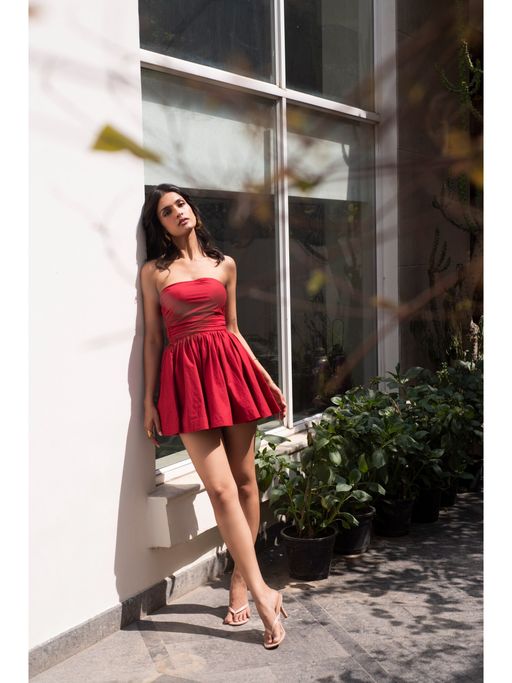
Footwear is the axis upon which a styled look rotates; it is the definitive element that can seasonally contextualize any short dresses for women in an instant. This is less about subjective trend and more about functional archetypes and their psychological associations, a topic explored in resources like Quora’s style forums and analyses from platforms like Business of Fashion. Consider the transformation: the same black A-line mini dress takes on entirely different energies based on what supports it. Summer is signaled by flat leather sandals or minimalist sneakers, conveying ease. Autumn demands a grounding element—think chunky-soled loafers, combat boots, or sleek knee-high boots. The boot, in particular, modifies the proportion, covering the leg and creating a continuous line that feels inherently cooler-weather appropriate. Winter calls for practical yet stylish options like waterproof leather ankle boots or shearling-lined options, perhaps with textured tights underneath. Spring welcomes the return of open-toe elements, perhaps with a block-heel mule. This method is powerfully simple and effective. As noted by countless style influencers on YouTube, such as Alexa Chung, the switch from a sandal to a boot is the single fastest way to autumn-ize a wardrobe. It’s a low-commitment, high-impact strategy. You are not buying a new dress; you are leveraging your existing footwear collection to redefine the garment you already own. This axis of styling empowers you to see your closet not as a set of fixed outfits, but as a modular system where the short dresses for women are the core module, and shoes are the interchangeable adapters for every seasonal condition.

4. The Strategic Accessory: Functional Adornment as Climate Response
Accessories in this context are recast from mere decoration to strategic, functional tools for climate adaptation and style definition. This viewpoint is supported by the historical use of accessories in costume history and their psychological impact as detailed in publications from university fashion departments. A summer dress is inherently unburdened. To prepare it for a breezy fall day or a climate-controlled office, you add purposeful layers. A substantial scarf—in cashmere, wool, or a thick silk—does double duty: it provides neck warmth and adds a focal point of color or pattern. Tights or leggings, in denier weights ranging from sheer to opaque, directly address the practicality of cooler temperatures while allowing the dress to remain the visual centerpiece. Belts are another powerful tool; cinching a loose-fit shirtdress or sweater dress with a wide leather belt not only defines the waist but also adds a textural element that feels more structured and suited for fall or winter. Headwear, like a felt fedora or a beret, completes the transformation, signaling a deliberate, seasonally-aware ensemble. This approach aligns with the philosophy of sustainable fashion advocates like Venetia La Manna, who emphasize “wearing what you own, in new ways.” The goal is to use these strategic additions to build a narrative around your short dresses for women. You are not hiding the dress; you are framing it within a new seasonal context. The dress remains constant, but the story it tells—from beachy and carefree to scholarly and crisp—changes entirely with these deliberate, functional choices.
5. The Silhouette Shift: Volume, Sleeves, and Layered Dressing
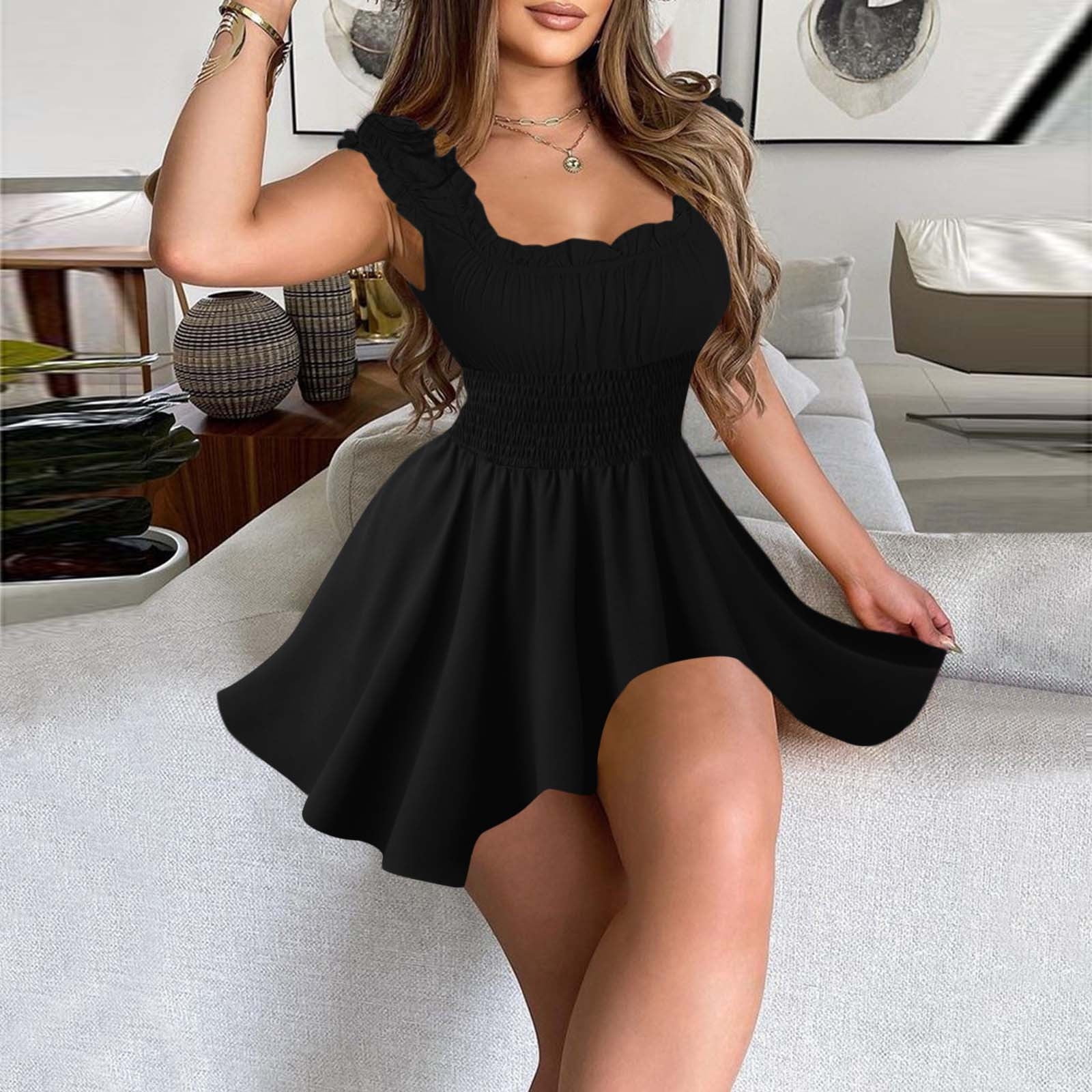
The final technique involves a more direct manipulation of the dress’s form through layering underneath and over, effectively creating a new hybrid silhouette. This is advanced styling, rooted in the avant-garde and street style documented in sources like Vogue Runway and Highsnobiety. The concept is simple: a summer slip or tank dress becomes merely the middle layer in a more complex composition. For winter, layer a thin, high-neck knit top and leggings underneath the dress. The dress now functions as a pinafore or an apron skirt, its straps and neckline framing the layered top beneath. This is not only incredibly warm but also deeply fashionable, echoing the “layering” aesthetics seen in fashion capitals during colder months. Alternatively, for a spring-ready look, layer a lightweight, long-sleeve tee or a ruffled blouse underneath a sleeveless shift dress, adding both coverage and a playful contrast at the cuffs and collar. The silhouette shifts from a simple shape to a more interesting, dimensional one. This method champions creativity and personalization. It directly responds to the challenge of seasonal dressing by fundamentally altering the garment’s function and appearance. A $50 sundress, through this method, can perform the sartorial duty of a $200 winter ensemble. It brings a discounted price mentality to high fashion—achieving a complex, designer-inspired look through intelligent combination rather than costly acquisition. Your wardrobe of short dresses for women becomes a toolkit for infinite outfit creation, limited only by your willingness to experiment with volume, sleeve length, and the foundational pieces already hanging in your closet.

The journey through these five styling avenues reveals a fundamental truth: the versatility of short dresses for women is constrained only by a lack of imagination, not by the calendar. By applying principles of architecture (proportion), material science (texture), functional archetypes (footwear), strategic tooling (accessories), and silhouette innovation (layering), you unlock a four-season utility from a single garment category. This is not about following fleeting trends, but about building a resilient, adaptable, and deeply personal style language. The short dress ceases to be a fair-weather friend and becomes a reliable, year-round companion, ready to meet the day—whether it dawns with winter frost or summer sun—with effortless chic and intelligent flair.