

5 Stunning Ways to Style Your Sherri Hill Dress for Any Occasion
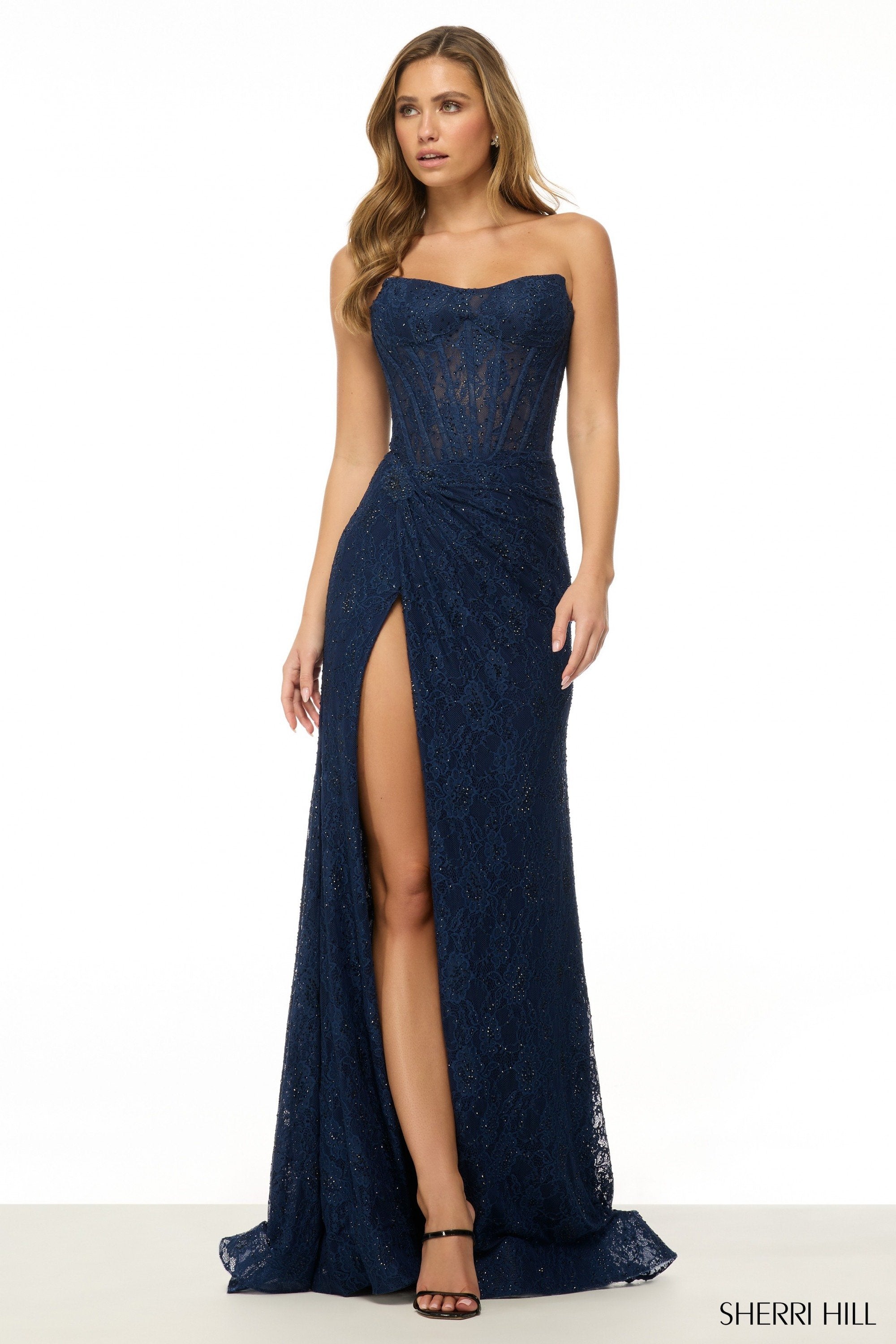
Owning a Sherri Hill dress is like possessing a canvas of elegance; its inherent design is a masterpiece, yet its true magic unfolds through your personal styling alchemy. This isn’t about following rigid rules, but about understanding the principles of silhouette, texture, and context to transform a single gown into a versatile expression of your identity for events ranging from gala evenings to sophisticated garden parties. Let’s move beyond the mannequin and explore how to make that dress unequivocally yours.
1. The Architectural Shift: Mastering Silhouette with Strategic Outerwear
The first dimension of transformation lies in architecture. A Sherri Hill dress, often celebrated for its fitted bodices and dramatic skirts, presents a defined silhouette. The scientific principle of visual perception, particularly the Gestalt laws of organization, explains how we perceive shapes as whole forms. By introducing outerwear, you actively alter that perceived whole. Consider a structured, cropped tuxedo blazer over a sleek column gown. This doesn’t just add warmth; it creates a powerful, geometric contrast. The sharp, horizontal line of the blazer’s hem intersects the vertical flow of the dress, crafting an authoritative, fashion-forward look suitable for a cocktail event or a modern black-tie affair. Conversely, draping a soft, faux fur stole or a delicate cashmere wrap over a strapless ball gown introduces a tactile, organic counterpoint. This softens the grandeur, adding a touch of romantic vintage glamour, perfect for winter galas. The key is intentional contrast—using the outerwear’s line and texture to converse with, not cloak, the dress’s inherent structure. This approach is championed by stylists like Law Roach, who famously uses bold outer pieces to create iconic “moments” for his clients, demonstrating that a dress is the foundation, not the finale, of an ensemble.

The Power of the Cinch: Defining Your Waistline
Within this architectural play, the waistline is your focal point. Many Sherri Hill designs already emphasize the waist, but you can amplify or redefine it. A wide, embellished belt over a fit-and-flare dress can further accentuate an hourglass figure, a silhouette historically tied to ideals of femininity and glamour, as seen in the Golden Age of Hollywood with stars like Marilyn Monroe. For a sleeper sheath dress, a thin, metallic belt can create a waist where the dress flows, effectively segmenting the body into pleasing proportions according to the classic rules of aesthetic ratio. This isn’t mere decoration; it’s a tool of visual engineering. As Tim Gunn often emphasized on Project Runway, “Silhouette is the first point of communication in fashion.” By manipulating the waist, you dictate the dress’s conversation with your body’s form.
2. The Alchemy of Texture: Layering Beyond Fabric
Texture engages the senses beyond the visual, suggesting weight, temperature, and movement. A Sherri Hill dress often features one dominant texture—be it smooth satin, intricate beading, or airy tulle. Styling alchemy involves introducing a secondary, contrasting texture to create depth. Pair a heavily sequined cocktail dress with a smooth, matte leather moto jacket. The juxtaposition of hard versus soft, shiny versus matte, creates an edge that transcends the dress’s initial glamour, making it apt for a trendy awards after-party. Similarly, a lace-detailed gown can be grounded with a thick, woven shawl or a velvet blazer, adding a rustic or regal texture that prevents the lace from feeling overly delicate. This principle finds its roots in interior and art design, where contrast in texture is fundamental to creating a dynamic and engaging composition. It’s the tactile equivalent of a chord in music—multiple notes creating a richer sound than a single tone.

Jewelry as Textural Element
Do not overlook jewelry as a source of texture. A dress with a simple silk charmeuse skirt becomes a backdrop for a bold, chunky stone necklace or a cuff of rough-hewn gold. Conversely, a dress already exploding with beading demands minimalist, smooth-textured jewelry—think a single, high-polish metallic bangle or sleek drop earrings. The authoritative voice of Vogue’s former editor-in-chief, Diana Vreeland, echoes here: “The eye has to travel.” By guiding the eye across contrasting textures, you create a journey of visual interest that makes your entire presentation unforgettable.
3. The Footwear Foundation: Elevating Vibe from the Ground Up
Footwear is the literal and metaphorical foundation of your look; it sets the altitude and attitude. The choice between a stiletto, a block heel, a sleek boot, or even a fashion-forward sneaker can completely redirect the narrative of your Sherri Hill dress. For a classic evening gown, the expected pairing is a delicate strappy sandal. However, swapping it for a pointed-toe ankle boot, as seen on modern red carpets, injects a dose of contemporary toughness. This subversion of expectation is a core tenet of postmodern fashion, challenging traditional codes of formality. For a daytime formal event like a garden wedding, consider a wedge or an embellished flat. This not only offers practical comfort on grass but also communicates a more relaxed, bohemian-infused elegance. The height and style of the heel also alter your posture and gait, which in turn changes how you interact with the dress’s movement. A platform sandal allows for a more stable, confident stride in a voluminous gown, while a classic pump with a shorter dress encourages a different kind of poise.
4. The Dialogue of Details: Bags, Hosiery, and the Unexpected
It is in the meticulous details that personal style shouts its loudest. Your clutch, hosiery, and even your choice of undergarments engage in a silent dialogue with your gown. A bejeweled minaudière complements a glittering dress for a cohesive, high-glamour statement. But a contrasting clutch—perhaps a soft, fabric pouch or a structured, minimalist box clutch—can introduce an element of surprise. Hosiery, often overlooked, is a powerful tool. Sheer, black tights with a seam back can add a vintage, polished edge to a shorter dress for a fall event. Textured fishnets or a bold, patterned tight can transform a simple black sheath into a punk-rock or avant-garde ensemble. This attention to detail mirrors the philosophy of haute couture, where the interior of a garment is as considered as the exterior. It’s the fashion equivalent of a well-furnished room where every object has been chosen with care. As the iconic designer Coco Chanel purportedly stated, “Luxury must be comfortable, otherwise it is not luxury.” This extends to the feel of silk against your skin from the right slip, or the perfect strap of a bag that doesn’t fight your dress’s lines—these are the comforts of considered styling.

5. The Confidence Catalyst: Styling as Self-Expression
Ultimately, the most stunning accessory you can pair with any Sherri Hill dress is unshakeable confidence. Styling is not a mask but an amplification of self. Psychology supports this: the theory of enclothed cognition suggests that the clothes we wear can influence our psychological processes. When you actively style a dress to reflect your personality—whether that’s romantic, edgy, minimalist, or eclectic—you are not just wearing an outfit; you are embodying a chosen aspect of your identity. This transforms the experience from one of passive wearing to active expression. A dress styled with pieces that have personal meaning—your grandmother’s brooch, a belt from a favorite trip—carries an energy that no off-the-rack look can replicate. It moves the garment from the realm of mere fashion into the domain of personal narrative and art.
Building a Versatile Wardrobe Around Your Centerpiece
View your Sherri Hill dress as the centerpiece of a capsule wardrobe for special occasions. Investing in a few high-quality, neutral outerwear pieces, versatile footwear, and statement accessories means you can create multiple distinct looks with a single gown. This is not only economically savvy—allowing you to maximize your investment—but also environmentally conscious, aligning with the principles of a slow fashion mindset. You learn the professional knowledge of what works for your body and your life, and in doing so, you build a wardrobe of possibilities, not just garments.
Therefore, styling your Sherri Hill dress is an exercise in creative authority. It begins with understanding the dress’s intrinsic properties—its silhouette, texture, and color—and then fearlessly introducing elements that converse with, challenge, or complement them. From the architectural statement of a blazer to the whispered detail of a seam, each choice is a brushstroke on your canvas. Forget looking like you stepped from a showroom; aim to look like you stepped from a vision, uniquely and brilliantly your own.