

5 Ways to Style a Revolve Dress for Every Season
Fashion transcends mere clothing; it is a dynamic language of self-expression that adapts to the rhythms of nature. A single, versatile piece can become the cornerstone of a year-round wardrobe, morphing to meet the demands of sun, wind, rain, and snow. The revolve dress, with its inherent design intelligence and stylistic flexibility, stands as a prime candidate for this role. This article dismantles the notion of seasonal dressing as a compartmentalized endeavor, presenting instead a holistic guide to leveraging one exquisite revolve dress across all four seasons. We will navigate through practical styling architectures, underpinned by objective principles of color theory, textile science, and layering mechanics, transforming a singular garment into a perennial style statement.
The Architectural Foundation: Understanding the Versatile Revolve Dress
Before embarking on seasonal transformations, one must appreciate the architectural merits of the ideal candidate. A revolve dress suitable for year-round mastery typically possesses certain non-negotiable characteristics: a classic silhouette (think shirt-dress, slip, or wrap styles), a mid-weight fabric with natural fibers like cotton, silk, or wool blends for breathability and insulation, and a neutral or universally flattering color palette. The concept of a “capsule wardrobe,” popularized by fashion experts like Susie Faux in the 1970s and later championed by Donna Karan in her iconic “Seven Easy Pieces” collection, hinges on this very idea of versatile, interchangeable core items. As Tim Gunn, the esteemed fashion consultant and former co-host of Project Runway, often emphasizes, “Style is about self-expression and, above all, attitude.” The attitude here is one of strategic curation. Scientific literature on consumer behavior, such as studies from the Journal of Consumer Psychology, indicates that individuals derive greater satisfaction from multi-use, high-quality items that reduce decision fatigue and promote sustainable consumption. Thus, investing in a well-constructed revolve dress is not merely a purchase; it is an adoption of a more intentional and efficient sartorial philosophy.
Spring Reawakening: Layered Lightness and Botanical Hues
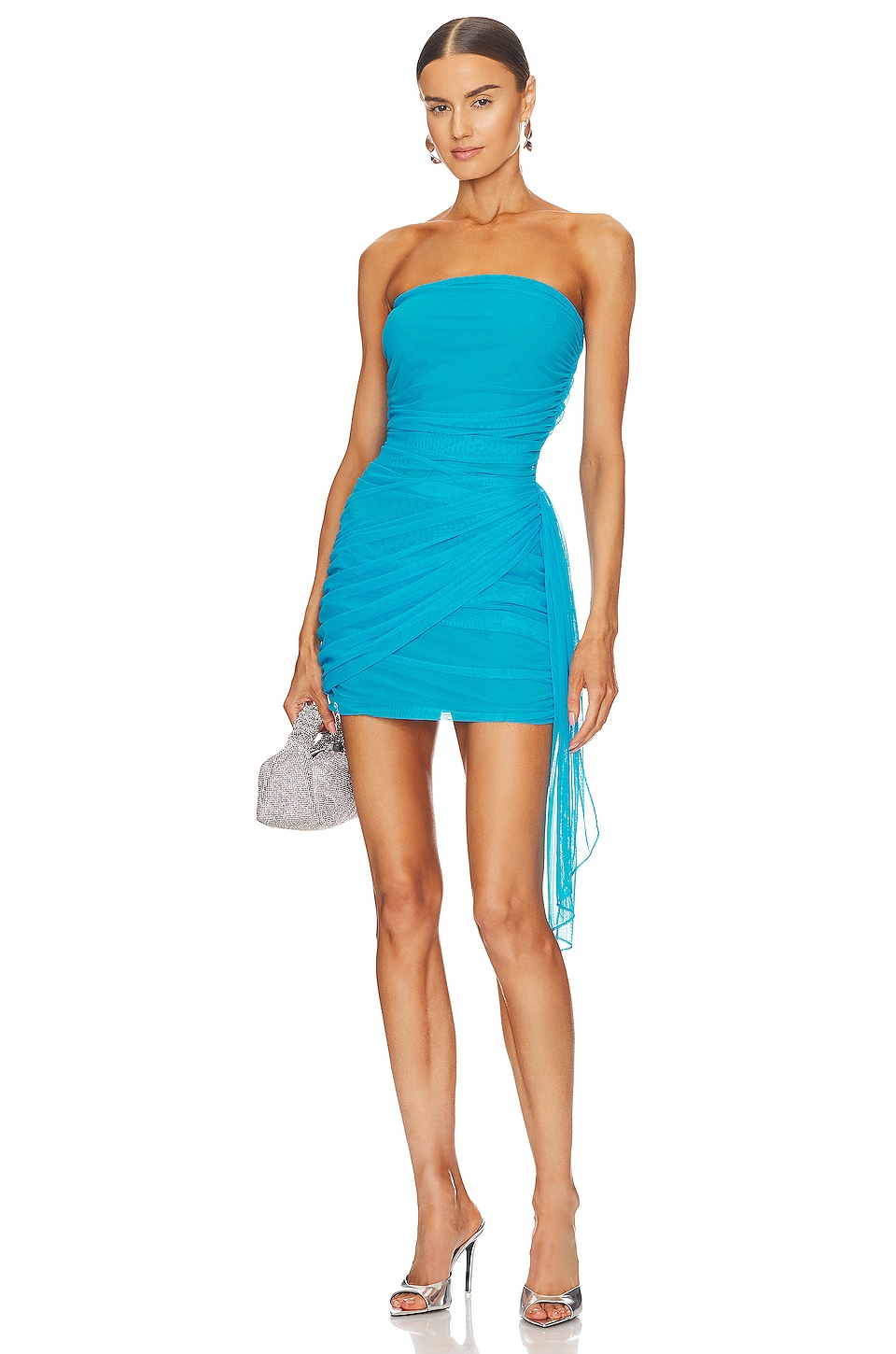
Spring is a season of transition, where the air carries a crisp freshness punctuated by burgeoning warmth. Styling a revolve dress for spring is an exercise in adaptable layering. Begin with the dress as your canvas—a sleek midi slip dress in ivory or sage green works perfectly. Over this, drape a lightweight, unstructured blazer in a complementary pastel or a classic denim jacket. The key is to avoid bulk; layers should be easily shed as the day progresses. Footwear shifts from sealed boots to ankle boots or sleek loafers. Accessorize with motifs that echo nature’s revival: a scarf with floral patterns, a woven tote bag, or jewelry featuring organic shapes. This approach aligns with the principles of color analysis, a system with roots in the artistic color theories of Johannes Itten and later commercialized for fashion. Pairing your dress with spring’s characteristic clear, light hues (like sky blue, blush pink, or lavender) creates harmony with the environment. As the renowned designer Diane von Fürstenberg, creator of the iconic wrap dress—a close relative in spirit to many revolve dress styles—once stated, “Style is something each of us already has; all we need to do is find it.” Finding your spring style involves letting the dress breathe while providing it with just enough structured companionship for the unpredictable weather.

Summer Radiance: Minimalist Cool and Textural Play
Summer styling celebrates the dress in its purest form. This is where fabric choice becomes paramount. A linen-blend or lightweight cotton revolve dress offers breathability, a property scientifically defined by a fabric’s ability to allow moisture vapor and air to pass through its structure. Wear it solo, relying on its cut and drape to command attention. Elevate the look through textural contrast: pair a smooth silk dress with a rugged raffia bag, or a crisp poplin shirt-dress with leather sandals. Sun protection becomes a stylish accessory—a wide-brimmed hat and oversized sunglasses are non-negotiable, functioning as both health-conscious and aesthetic elements. The color palette can expand to include brighter tones or remain in sophisticated neutrals. The “less is more” ethos of modernist architect Ludwig Mies van der Rohe finds perfect application here. Your styling should subtract, not add. A single statement piece of jewelry, like a bold cuff or long pendant necklace, suffices. This season is about embracing the dress’s inherent design and understanding the thermodynamics of comfort; light-colored fabrics reflect radiant heat, while loose weaves facilitate convective cooling, principles well-documented in textile science resources from institutions like the University of Leeds’ School of Design.
Autumn Atmosphere: Tactile Layering and Rich Palette Integration
Autumn invites a deeper, more tactile conversation with fashion. The revolve dress now becomes a foundational layer in a rich sartorial composition. Imagine a long-sleeved jersey or fine-gauge knit dress. Over it, layer a chunky cardigan, a tailored wool blazer, or even a sleek leather jacket. The art lies in playing with proportions and textures—a fluid dress under a structured outer piece creates dynamic visual interest. Tights or knee-high boots in autumnal shades (ochre, burgundy, charcoal) become essential for warmth and style. Scarves transform from light silks to wool or cashmere wraps. This methodology reflects the “layering” techniques often discussed in Japanese fashion culture, particularly in the influential street style of Tokyo, where disparate textures and weights are combined with meticulous precision to create depth and personality. As the author and style observer Scott Schuman of The Sartorialist blog captures through his photography, autumn style is often about “the subtle dialogue between classic pieces and personal eccentricity.” Your dress is the classic; your layers and accessories voice the personal narrative. Incorporating the seasonal palette—inspired by changing foliage—follows standard color theory, where analogous colors (those next to each other on the color wheel, like red, orange, and yellow) create serene and comfortable designs.
Winter Elegance: Insulative Strategy and Luxe Accentuation
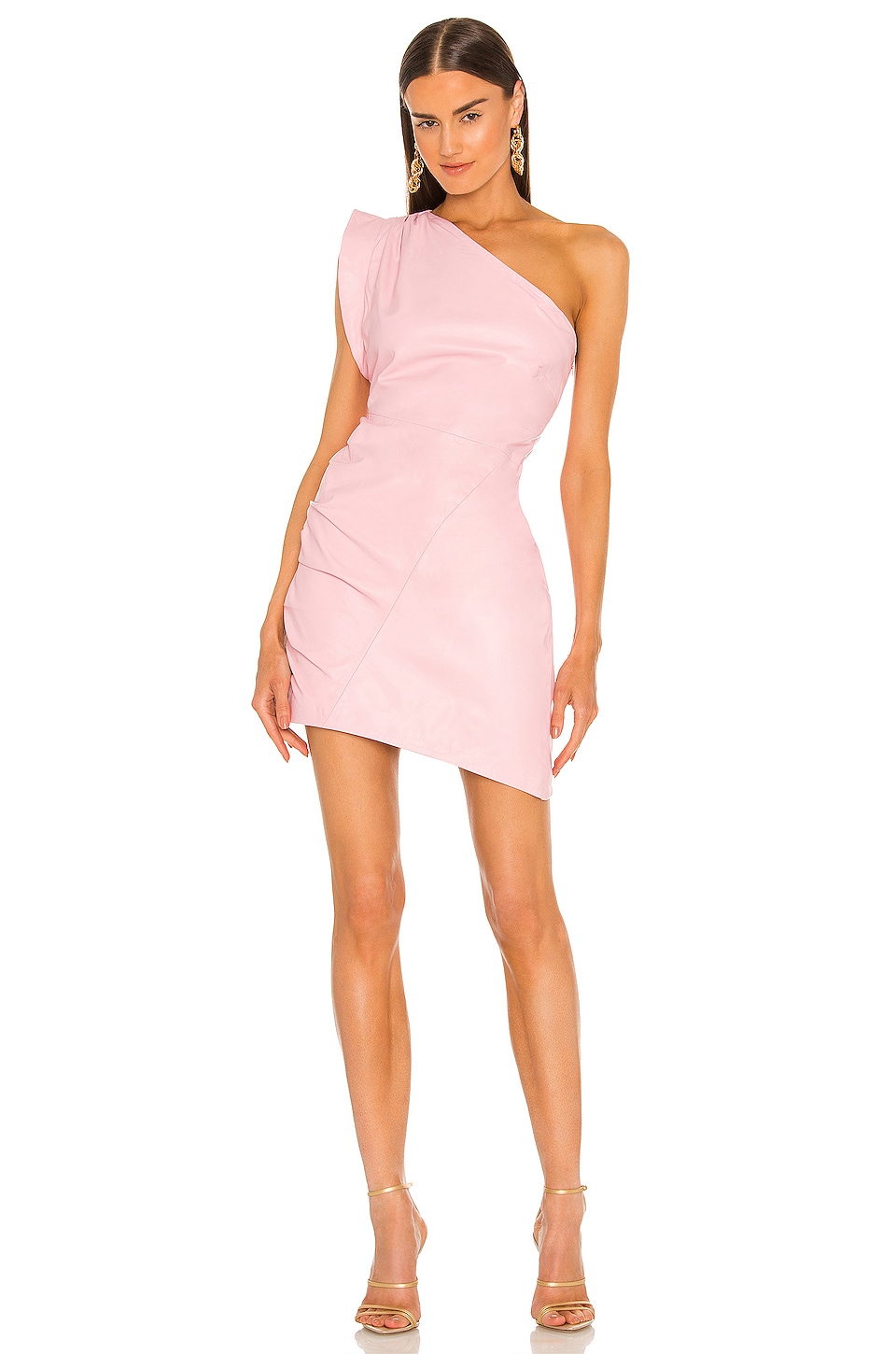
Conquering winter with a dress is the ultimate test of styling prowess. It requires a strategic, almost architectural approach to insulation. Start with a revolve dress in a warmer fabrication like merino wool, velour, or a substantial ponte knit. The first layer is crucial: opt for thermal or silk underlayers that provide warmth without adding visible bulk. The dress itself is then layered under a substantial coat—a wool trench, a padded coat, or a faux-fur option. The hemline and sleeve length of the coat in relation to the dress create intentional peeks of fabric, adding complexity. Footwear must be practical yet polished: knee-high or over-the-knee boots, potentially with a low block heel for stability. Accessories become functional armor: insulated gloves, a substantial beanie or beret, and a voluminous scarf. This approach is less about fashion frivolity and more about applied material science. The principle of layering for cold weather, as outlined by outdoor apparel experts and resources like Wikipedia’s article on “Thermal insulation,” relies on trapping air between layers to create a barrier against heat loss. A cashmere-blend dress acts as an excellent mid-layer, providing superior warmth-to-weight ratio. The final look should emanate a sense of curated resilience, proving that elegance and warmth are not mutually exclusive.
Beyond the Seasons: The Professional and Economic Advantage
The true power of mastering a single revolve dress extends beyond weather adaptation into the realms of professional readiness and economic intelligence. In a professional setting, the dress provides a consistent, polished silhouette that can be modulated for different corporate cultures—softer with a cardigan for creative fields, sharper with a blazer for finance. This reduces morning decision-making, a concept backed by psychological research on “ego depletion,” which suggests that willpower is a finite resource depleted by numerous small decisions. Furthermore, from an economic standpoint, the cost-per-wear of a single, versatile high-quality item plummets with each use. While the initial investment in a premium revolve dress might be significant, amortizing that cost over dozens of wears across all seasons presents a far more rational model than purchasing numerous season-specific, trend-driven pieces of lower quality. Many savvy shoppers leverage seasonal sales on platforms like Revolve to acquire these cornerstone pieces at discounted prices, applying strategic patience to build a superior wardrobe. This mindful consumption aligns with the growing “slow fashion” movement, which advocates for quality, longevity, and timeless design over fast, disposable trends.
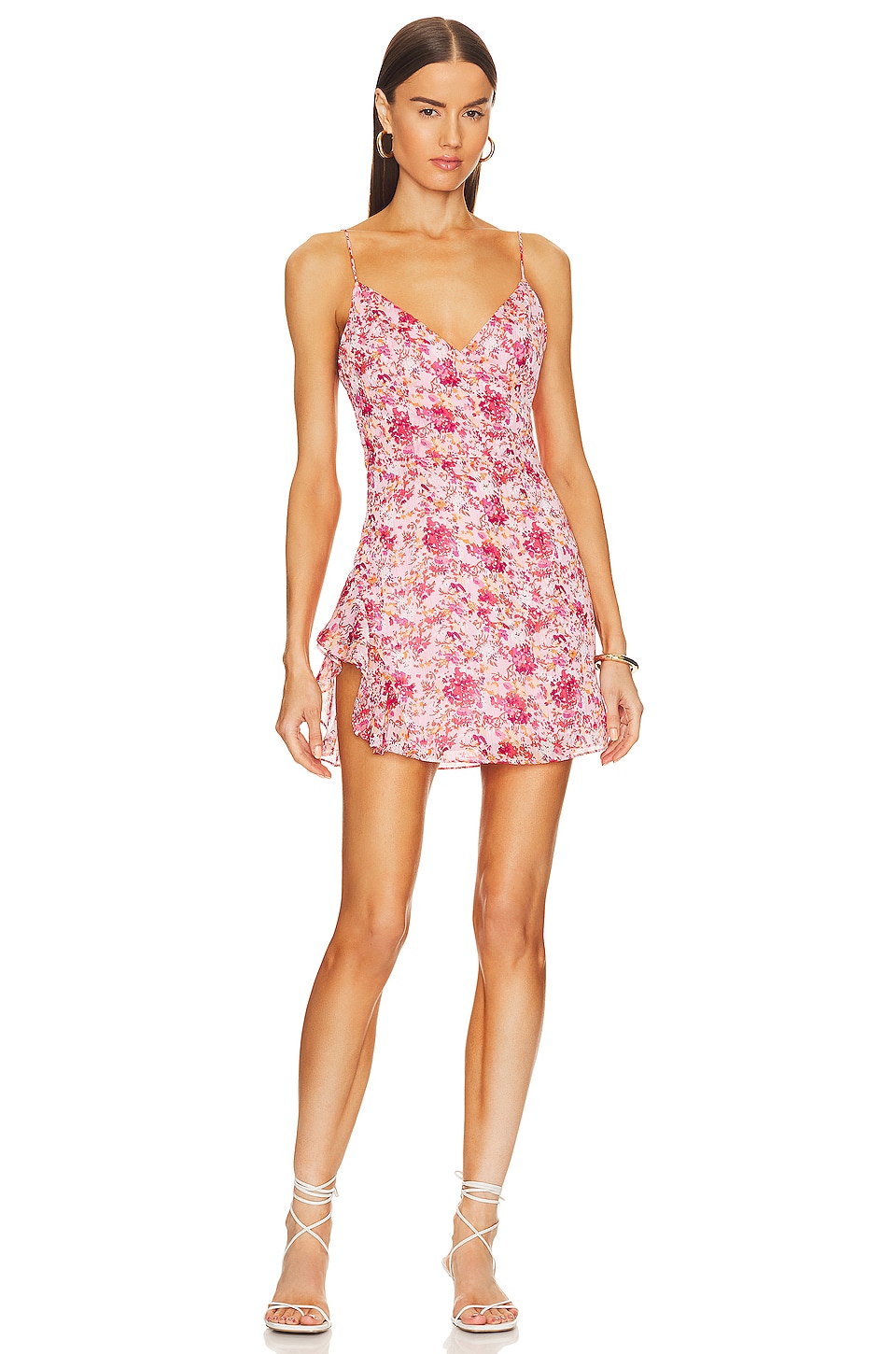
Ultimately, fashion is not about an endless closet but about an endless imagination. A single, well-considered dress is not a limitation but a liberation. It challenges you to explore the vast landscape of accessories, outerwear, and layering techniques, making you an active participant in the creation of your style narrative across the entire calendar. By applying these five seasonal frameworks, you empower that dress—and by extension, yourself—to meet every sunrise, from the first buds of spring to the deepest chill of winter, with unwavering confidence and distinctive elegance.