

5 Ways to Style Sexy Cocktail Dresses for Effortless Glamour
The allure of a cocktail event lies in its promise of sophistication, social sparkle, and a defined yet playful dress code. At the heart of this sartorial challenge is the sexy cocktail dress—a garment that balances allure with elegance, intention with ease. The goal is not to look as if you’ve tried too hard, but to embody a sense of effortless glamour. This concept, often cited by style icons from Audrey Hepburn to modern influencers, refers to a polished appearance that seems innate and unforced. Achieving this requires more than just the dress itself; it hinges on the alchemy of styling. Here, we explore five foundational approaches to styling your sexy cocktail dress, transforming it from a single item into a complete, captivating statement. We’ll delve into the objective principles of color, silhouette, and accessory psychology, supported by diverse viewpoints, to equip you with strategies that are both scientifically sound and viscerally effective.
1. Mastering Monochrome: The Power of a Single Hue
The monochromatic approach is a masterclass in creating a streamlined, elongated, and intensely sophisticated silhouette. From a color theory perspective, as outlined in resources from authoritative institutions like the Pantone Color Institute, using varying shades, tones, and tints of a single color family creates a visual path for the eye that is uninterrupted by contrasting color breaks. This results in a perceived lengthening of the body’s line, an effect famously utilized by designers like Donna Karan in her iconic “seven easy pieces” philosophy, which championed head-to-toe tonal dressing for powerful simplicity. When applied to a sexy cocktail dress, this method amplifies its inherent lines. A sleek, emerald green sheath dress, for instance, becomes a monument of cool glamour when paired with shoes in a deeper forest green and a clutch in a lighter sage. The “sexiness” here is derived from confidence and the clean, uninterrupted flow of the form, rather than overt exposure. As fashion historian Valerie Steele notes in her work for The Museum at the Fashion Institute of Technology, glamour often operates on suggestion and mystery, and a monochromatic ensemble commands attention through its cohesive authority. It’s a look that whispers rather than shouts, yet is heard perfectly clearly across any room.

The Science of Silhouette and Perception
Understanding why this works requires a brief dive into visual perception. The principle of “grouping” in Gestalt psychology, explained in foundational texts used in university design courses, states that the human brain naturally perceives elements that are similar (in color, in this case) as belonging together. A monochrome outfit forms a single, coherent visual group, making the wearer appear as a unified, and therefore more formidable, elegant whole. This is not merely an aesthetic preference but a cognitive reality. When you choose a monochromatic scheme for your sexy cocktail dress ensemble, you are strategically leveraging this hardwired perceptual bias to project poise and intention. It’s a technique seen on red carpets and in boardrooms alike, proving its versatility. For the consumer, this also simplifies shopping; investing in accessories within a versatile color palette (like navy, black, or burgundy) means you can mix and match with multiple dresses, achieving high-impact looks without a constant need for new purchases—a professional tip for building a cost-effective yet luxurious wardrobe.
2. The Strategic Reveal: Balancing Coverage and Allure
Sexiness in formal wear is most potent when it is a calculated revelation, not a blanket statement. This philosophy is echoed in the famous quote attributed to legendary designer Coco Chanel: “Dress shabbily and they remember the dress; dress impeccably and they remember the woman.” The “strategic reveal” focuses on highlighting one, and only one, of your most confident assets. This could be a decolletage via a tasteful plunge neckline, the line of a leg through a high slit, or the curve of the back with a low-back design. The key is singular focus. A dress that combines a deep V-neck, a thigh-high slit, and a cut-out midsection can veer into overwhelming territory, diluting the power of each element. Cognitive load theory, a concept from educational psychology that has parallels in design, suggests that too many points of interest can cause confusion rather than admiration. By choosing a sexy cocktail dress that excels in one area of design, you control the narrative of your appearance. This approach aligns with the views of many contemporary stylists featured on platforms like YouTube, who advise clients to “pick a favorite feature and frame it.”
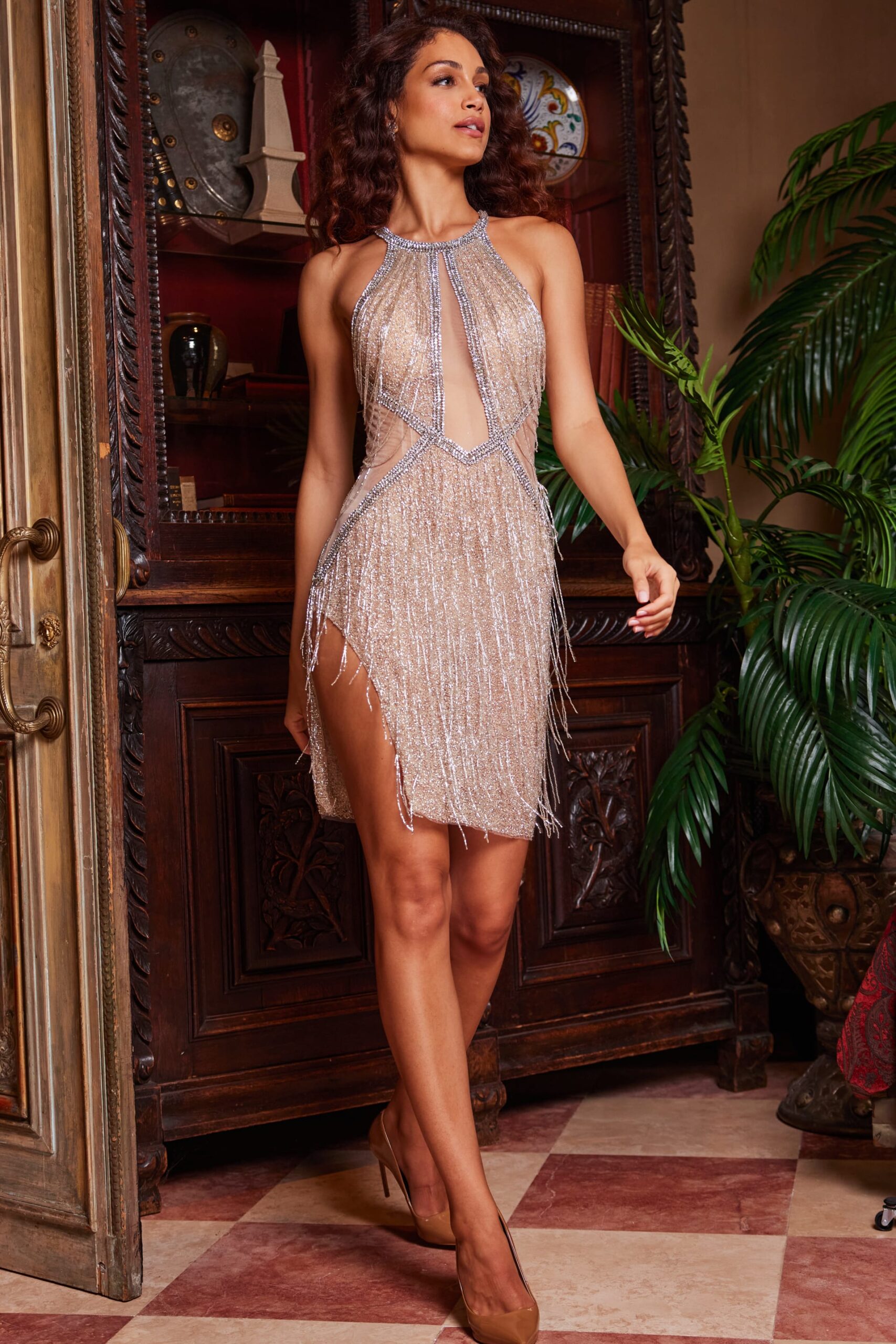
This principle finds its roots in classic Hollywood glamour. Consider the iconic image of Rita Hayworth in a strapless, floor-length gown—the allure was in the shoulders and collarbone, presented with statuesque grace. Or the modern example of Angelina Jolie’s legendary leg-reveal at the Oscars, which was impactful precisely because the rest of her gown was modest and structured. The science here intersects with social psychology: a single, deliberate reveal creates intrigue and engages the viewer’s imagination, which is a far more powerful tool than full exposition. When styling, if your dress has a bold neckline, keep jewelry minimal—perhaps just statement earrings—and avoid a bracelet that will draw the eye away. Let the dress’s designed feature be the star. This method also provides practical value; it allows you to select a dress that makes you feel supremely confident in a specific way, reducing the anxiety of “overdoing it” and ensuring your comfort matches your glamour.
3. Texture as a Tactile Narrative
While color and cut are the first elements perceived, texture is the dimension that invites closer inspection and adds depth to your glamour. It is the unsung hero of effortless sophistication. Incorporating varied textures creates a rich, multi-sensory experience that elevates a simple dress into a curated look. Think of the contrast between the smooth, liquid drape of a silk satin sexy cocktail dress and the sharp, structured gleam of metallic heels. Or the interplay of delicate lace overlaying a sleek slip dress paired with the rough, organic sparkle of a raw diamond necklace. This practice of textural juxtaposition is a cornerstone of high fashion, frequently discussed in design literature from schools like Central Saint Martins, where students are taught to consider the “hand feel” and visual weight of fabrics. As author and style consultant Nancy Nix-Rice emphasizes in her principles of dressing, contrasting textures add interest without adding color, maintaining sophistication while preventing a look from falling flat.
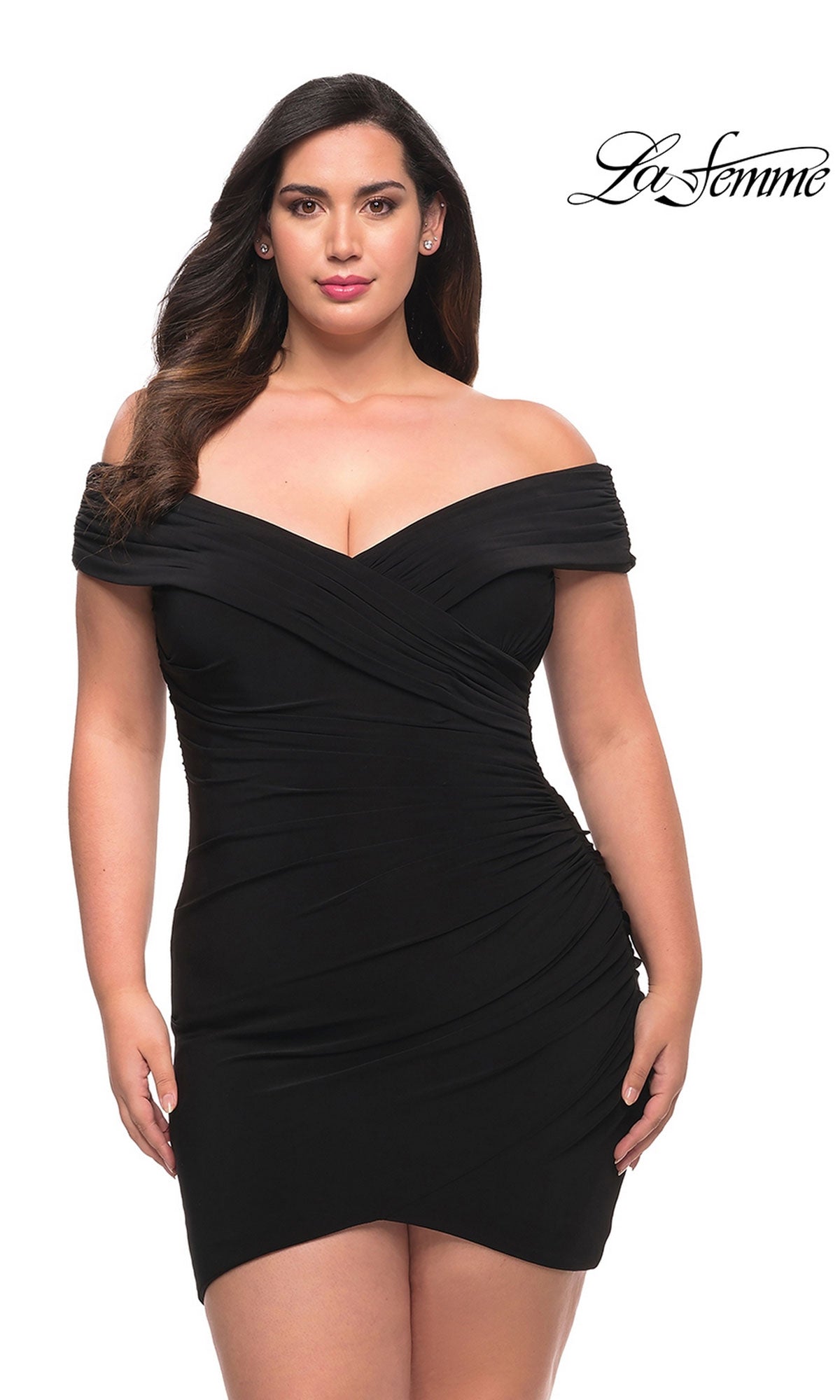
The psychological impact of texture is profound. Materials like velvet and silk are historically associated with luxury and royalty, triggering subconscious associations with opulence and status. A study published in the journal Perception has even suggested that our brains process tactile-associated visuals (like seeing a fluffy fabric) with a mild emotional response. By consciously layering textures, you are crafting a story. A sequined cocktail dress, for example, can be instantly grounded and made more wearable with a soft, matte cashmere wrap or a sleek leather moto jacket thrown over the shoulders—a trick often seen on fashion icons like Kate Moss. This approach also has immense practical benefit for the consumer. Investing in texturally interesting separates—a beaded clutch, suede boots, a velvet blazer—means you can transform the same basic black sexy cocktail dress for multiple events, simply by changing its textural companions. It’s a sustainable and economically savvy path to a versatile wardrobe.
4. Architectural Accessories: Defining Your Silhouette
Accessories should not be afterthoughts; they are the architectural elements that can redefine the silhouette of your dress and anchor your entire look. The concept of using accessories as structural tools is championed by stylists like Rachel Zoe, who famously said, “Style is a way to say who you are without having to speak.” An architectural accessory—think a broad, sculptural belt cinching the waist of a flowy dress, a structured box clutch with sharp lines, or geometric statement earrings—creates points of visual interest that guide the eye and sculpt the body. This is particularly effective with simpler sheath or slip-style sexy cocktail dresses, which provide a clean canvas. A wide belt can transform a column dress into an hourglass figure, directly referencing the iconic Dior “New Look” silhouette that celebrated defined waists. This isn’t just styling; it’s a form of non-verbal communication about proportion and power.
From a design perspective, this relates to the principle of “points of focus” in composition. By adding a strong accessory, you create a new focal point that can balance or emphasize your proportions. For instance, a pair of substantial, angular earrings can draw attention upward, balancing the volume of a full-skirted cocktail dress. The science of attraction, as discussed in various social psychology texts, indicates that balanced, harmonious proportions are universally perceived as more attractive. Architectural accessories allow you to create that balance artificially and artistically. For the savvy shopper, this is where strategic investment pays off. A single, well-chosen, timeless architectural piece—like a signature cuff or a designer belt—can be used repeatedly to reinvent numerous dresses in your closet. It’s a more impactful and financially prudent strategy than constantly buying new dresses, offering a high return on investment in terms of style permutations. Look for end-of-season sales on high-quality accessory lines from contemporary designers to build this toolkit.
5. The Alchemy of Confidence: Your Intangible Accessory
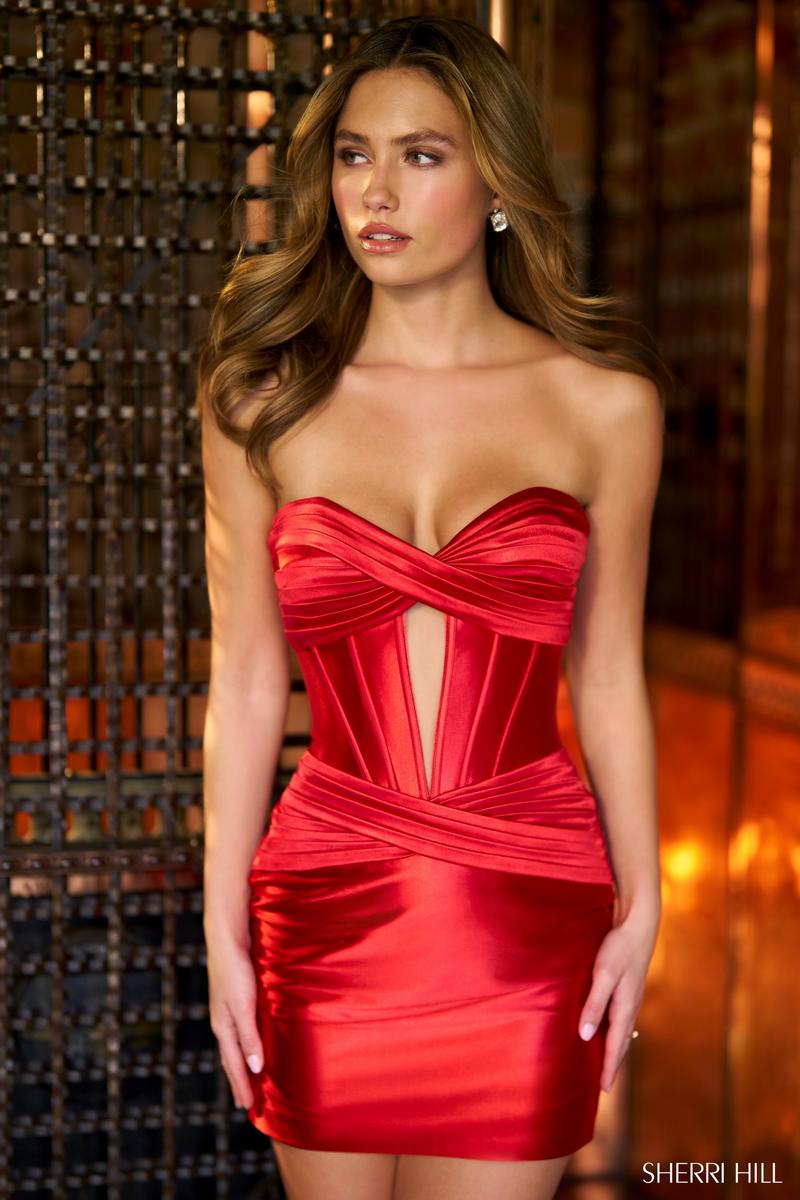
Ultimately, the most critical element of styling any sexy cocktail dress is an element you cannot purchase but must cultivate: authentic confidence. This is the true catalyst for effortless glamour. A woman who wears her dress, rather than letting the dress wear her, commands a room regardless of the specific trends or price tags involved. This viewpoint is supported by countless sources, from the empowering speeches of public figures like Michelle Obama, who speaks about the “armor” of feeling put-together, to the findings in psychological research on “enclothed cognition”—the systematic influence that clothes have on the wearer’s psychological processes. A study from Northwestern University demonstrated that the symbolic meaning of clothing and the physical experience of wearing it can significantly alter the wearer’s attention and confidence. Therefore, the most important styling step is choosing a dress that aligns with your personal comfort and self-image, making you feel powerful and authentic.
This confidence transforms how you move, interact, and carry the ensemble. It turns a beautiful dress into a compelling presence. Styling for confidence means prioritizing fit above all else—tailoring is non-negotiable. It means choosing a color that resonates with your energy, whether that’s a powerful red or a serene navy. It means practicing your posture and owning your space. As the iconic actress and style symbol Sophia Loren once put it: “Nothing makes a woman more beautiful than the belief that she is beautiful.” This intangible accessory outshines any jewel. When you pair a perfectly styled sexy cocktail dress with this profound self-assurance, the result is not just glamour, but a magnetism that is both effortless and unforgettable. It is the final, essential layer that completes the masterpiece.
Effortless glamour is not an absence of effort, but the presence of intelligent, strategic choices that harmonize to create a seamless and powerful impression. By mastering monochrome, employing the strategic reveal, weaving a tactile narrative with texture, utilizing architectural accessories, and, above all, infusing your look with cultivated confidence, you transform the sexy cocktail dress from a garment into an expression of personal artistry. These five pathways offer a blueprint, grounded in design theory and psychological insight, for navigating the world of cocktail attire with authority and ease. The goal is to step into the light of the event not as someone following rules, but as someone who understands them well enough to craft a signature that is uniquely, captivatingly your own.