

Cross Your Heart Bras for All-Day Comfort and Confidence
In the realm of intimate apparel, few designs have achieved the iconic status and enduring promise of the cross your heart bras. This isn’t merely about a style of stitching or a particular cut; it’s a foundational principle of engineering that translates directly to how we feel in our skin from dawn until dusk. The pursuit of all-day comfort and unwavering confidence is not a luxury but a necessity, and it begins with the support system closest to us. The cross-your-heart design, by its very architecture, offers a unique synthesis of lift, separation, and contour that many find unparalleled. This article delves into the objective science behind this design, explores its impact on posture and self-perception, and ultimately frames it as a cornerstone of personal well-being. We will navigate through anatomical support, material innovation, and the psychological interplay between garment and wearer, grounding our discussion in authoritative perspectives and evidence.
The Anatomical Engineering of Support: More Than Just a Criss-Cross
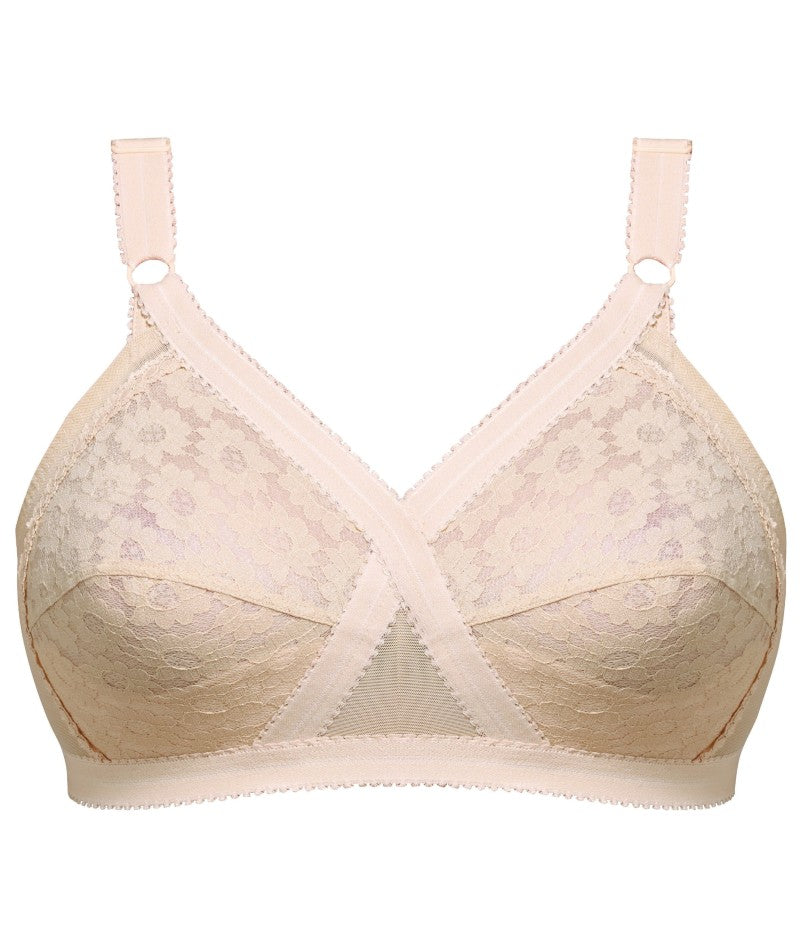
At its core, the cross your heart bras design is an exercise in applied biomechanics. The defining feature—the straps or fabric panels that cross over the center front—is not a decorative whim. This configuration fundamentally redirects the vector of force. In a standard parallel-strap bra, the weight of the breasts is primarily borne by the shoulders and the band under the bust. According to principles of physics and anatomy, this can lead to shoulder grooving, upper back tension, and inadequate lift from below. The cross-over design introduces a lateral component to the support. It creates a gentle, yet firm, inward and upward lift from the sides, effectively “cradling” the breast tissue. This distributes the load more evenly across the upper back and, crucially, engages the stronger skeletal structure of the rib cage. A study from the Journal of Orthopaedic & Sports Physical Therapy on postural influences notes that improper breast support can contribute to thoracic kyphosis (rounding of the upper back). The cross-your-heart mechanism counteracts this by encouraging a subtle retraction of the scapulae, promoting a more open and aligned thoracic posture. It’s a design that understands the body is a dynamic system, not a static mannequin.
Material Science and Sensory Comfort: The Unseen Foundation
Engineering means little without the right materials. The modern iteration of the cross your heart bra is a testament to textile innovation. The quest for all-day comfort demands fabrics that are both structurally resilient and sensuously gentle. Memory foam cups, pioneered by brands like Playtex in their 18-Hour collection, adapt to the unique contours of the body, eliminating gaps and pressure points. Moisture-wicking microfibers, often derived from advanced polyester or nylon blends, pull perspiration away from the skin—a feature highlighted in sportswear literature from institutions like MIT’s Department of Materials Science and Engineering as critical for maintaining thermal regulation and skin health. The underwire, when present, is now frequently sheathed in a soft polymer or silicone channel, preventing direct metal-to-skin contact. This focus on material harmony is paramount. As noted by lingerie historian and author Jill Fields in her book An Intimate Affair: Women, Lingerie, and Sexuality, the 20th century’s revolution in intimate apparel was as much about new synthetics like Lycra as it was about changing silhouettes. The cross-your-heart design leverages these materials to execute its function without announcing its presence, allowing you to move through your day with a forgotten ease, a silent assurance that the foundation is secure and kind.
The Psychology of Encasement: From Comfort to Confidence
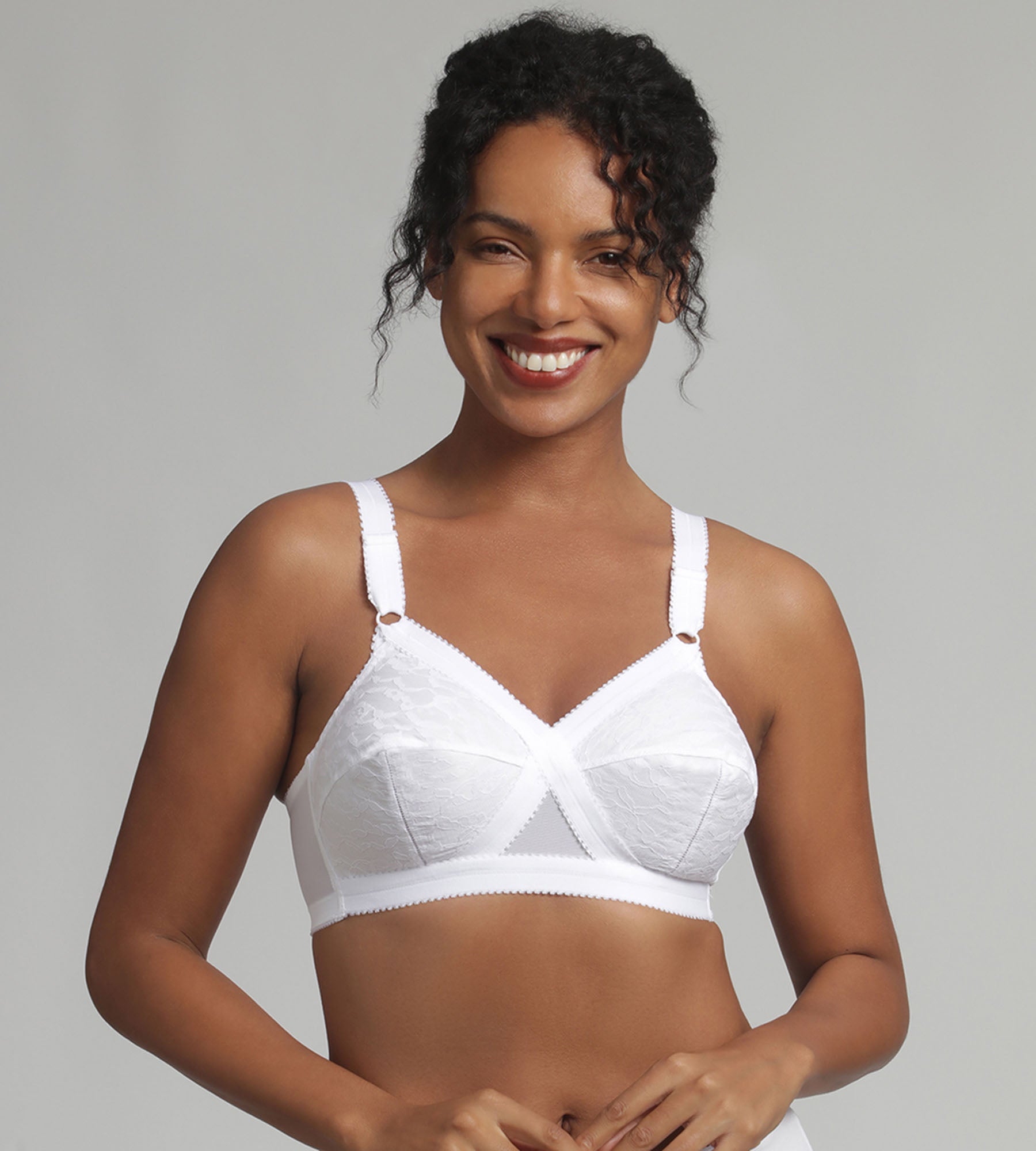
This is where objective design meets subjective experience. Confidence is not an abstract concept; it is often built on a foundation of physical assurance. When you are not mentally preoccupied with adjusting straps, feeling restricted, or worrying about your silhouette, cognitive resources are freed. The reliable support of a well-fitted cross your heart bras provides a form of somatic security. Dr. Carolyn Mair, a behavioral psychologist and author of The Psychology of Fashion, argues that clothing acts as a “second skin” and directly influences our emotional state and performance. A garment that fits well and performs its function can enhance self-efficacy—the belief in one’s ability to execute tasks. The cross-your-heart design, with its renowned shaping, creates a smooth, defined bust line that becomes a non-issue. You don the outfit, not the anxiety. This sentiment is echoed in countless user testimonials on platforms like Quora and Reddit’s r/ABraThatFits, where individuals describe the transition from uncomfortable, ill-fitting bras to a cross-your-heart style as “liberating” and “a game-changer for my posture and how I carry myself.” The confidence is in the forgetting; it’s in the ability to engage fully with the world because your undergarments are not a source of distraction or discomfort.
Evolution and Adaptation: A Design for Every Body
The iconic “cross your heart” phrase was famously coined by the brand Playtex in the 1960s, immortalized in advertisements that promised “lift and separation.” However, the design principle has evolved far beyond its initial incarnation. Today, it is not a one-size-fits-all slogan but a versatile category. You will find it in seamless T-shirt bras for invisible wear under knits, in luxurious lace balconettes for aesthetic appeal, and in high-impact sports bras where stability is paramount. Brands like Berlei, with their focus on biomechanics, and Curvy Couture, specializing in fuller busts, have adapted the cross-over concept to address specific needs. This evolution is critical. As body positivity and size inclusivity movements, widely discussed on social media platforms by influencers and advocates, rightly emphasize, comfort and confidence must be accessible to all. The modern market for cross your heart bras reflects this, offering a spectrum from petite to plus-size, with varying levels of coverage and adornment. The core engineering remains—the strategic criss-cross for support—but the execution honors the beautiful diversity of the human form.
Making the Investment in Yourself: Professional Fitting and Value
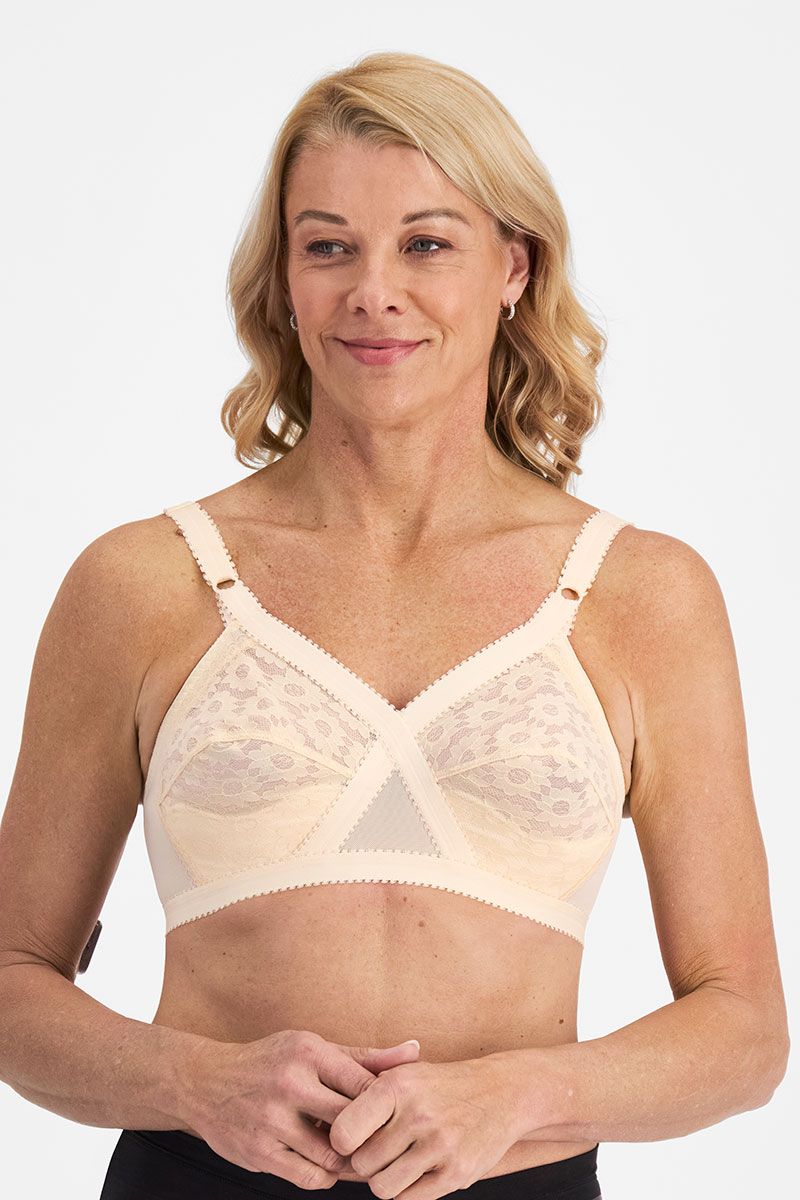
Understanding the “why” behind the cross-your-heart bra is the first step; the next is the practical “how.” The most scientifically designed garment fails if it is the wrong size. Industry estimates, often cited by lingerie retailers and fitters, suggest that a significant majority of people wear an incorrectly sized bra. This is where professional knowledge becomes your greatest ally. A certified bra fitter does more than take measurements; they assess your shape, breast root, and posture. They understand that a bra’s fit is three-dimensional. Investing in a professional fitting—often a free service in specialty stores—transforms the purchase from a guess into a precise solution. With this knowledge, you can then seek value. While premium brands offer advanced materials and durability, many retailers provide the core benefits of the cross-your-heart design at accessible price points, especially during seasonal sales or through online promotions. The discounted price isn’t for a lesser product; it’s an opportunity to acquire a tool for daily well-being. Think of it not as buying a bra, but as investing in a piece of personal infrastructure that pays dividends in comfort, posture, and poise every single day.
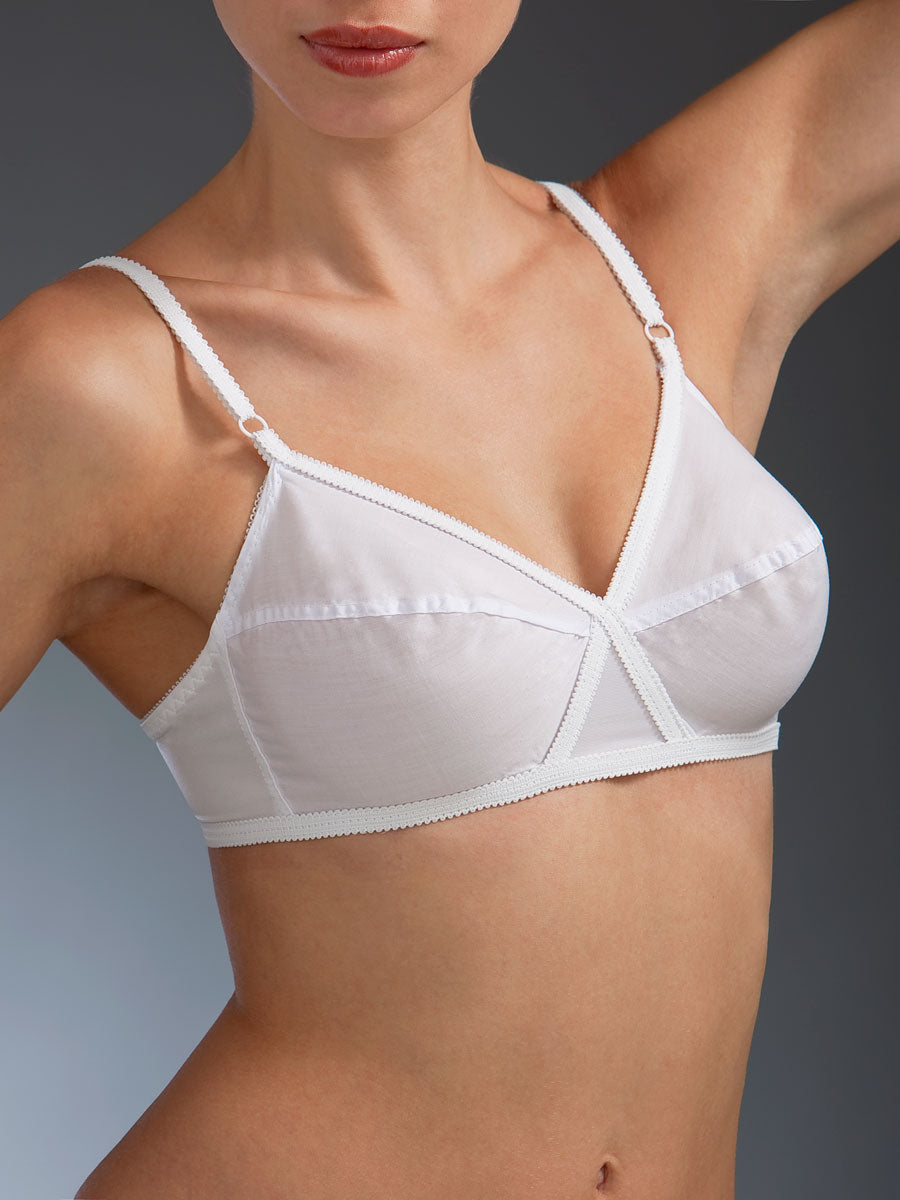
The journey toward all-day comfort and confidence is profoundly personal, yet it is guided by universal principles of design, material science, and human psychology. The cross your heart bras stand as a proven archetype within this journey, a design that has earned its place not through marketing alone, but through consistent, verifiable performance. It addresses the physical reality of weight and movement, embraces the innovation of modern textiles, and ultimately respects the psychological need for unselfconscious assurance. When you choose a bra built on this principle, you are choosing to support your body in a way that lets you stand taller, breathe easier, and move through the complexities of your day with one less concern. It is a quiet, powerful affirmation that how you feel fundamentally shapes what you can do.