

Effortless Elegance: Mastering the Art of Shift Dresses for Every Season
Elegance is not about being noticed; it’s about being remembered. In the realm of fashion, few garments encapsulate this philosophy as perfectly as the shift dress. Its clean lines, unstructured silhouette, and deceptive simplicity offer a canvas for personal expression that transcends fleeting trends. This is not merely a piece of clothing; it is a sartorial tool for crafting an image of intelligent, confident ease. Mastering its art means unlocking a wardrobe cornerstone that functions seamlessly from the frosty mornings of January to the balmy evenings of August. It is the uniform for the woman who values both aesthetics and pragmatism, who understands that true style lies in the marriage of form and function. Let us explore how this iconic shape can become your most reliable ally, season after season.
The Architectural Foundation: Deconstructing the Shift Silhouette
To wield the power of the shift dress effectively, one must first understand its architectural DNA. Unlike the body-conforming sheath or the flared fit-and-flare, the shift is defined by its straight, vertical lines that fall from the shoulders without cinching at the waist. This is not an oversight but a deliberate design principle rooted in liberation. Its origins are often traced to the 1920s flapper era, a time of seismic social change for women. Designers like Coco Chanel moved away from restrictive corsetry, promoting garments that allowed for freedom of movement. As the Victoria and Albert Museum notes, this reflected a new, active lifestyle for modern women. The silhouette was later perfected and popularized in the 1960s by designers such as Hubert de Givenchy for Audrey Hepburn and, most iconically, by the likes of Mary Quant and André Courrèges. It became a symbol of youthful rebellion and modernist minimalism. Scientifically, its appeal can be explained through principles of visual perception. The uninterrupted vertical line creates an illusion of height and slenderness, while the lack of constriction aligns with ergonomic principles of comfort. It is a garment that respects the body’s form without dictating to it. This foundational understanding is crucial; the shift dress is a geometric statement. Its elegance is mathematical, its ease is physiological, and its history is a testament to cultural evolution. When you slip one on, you are not just wearing a dress; you are inhabiting a legacy of design that prioritizes the wearer’s autonomy and comfort.
Spring: The Canvas of Renewal and Print
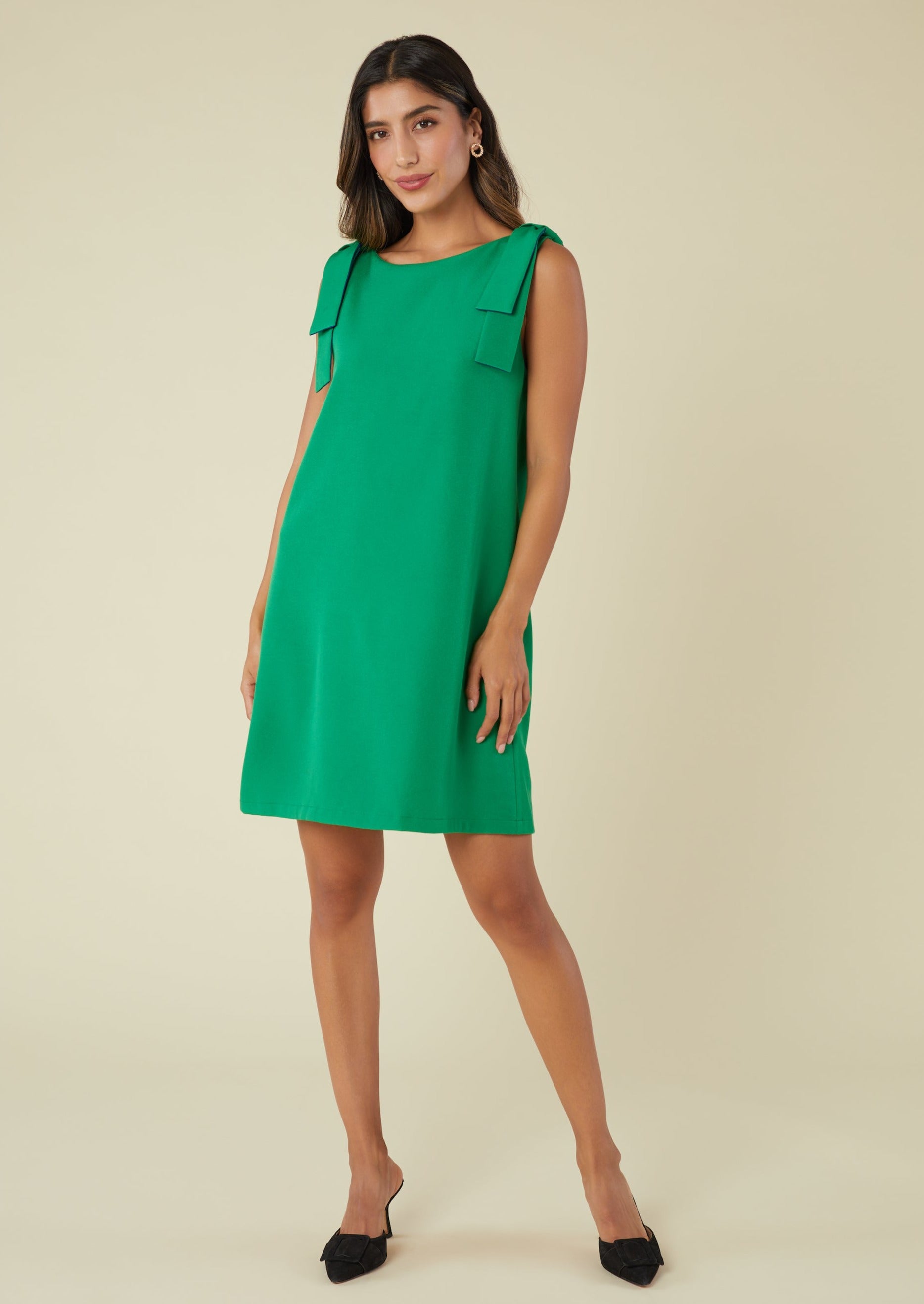
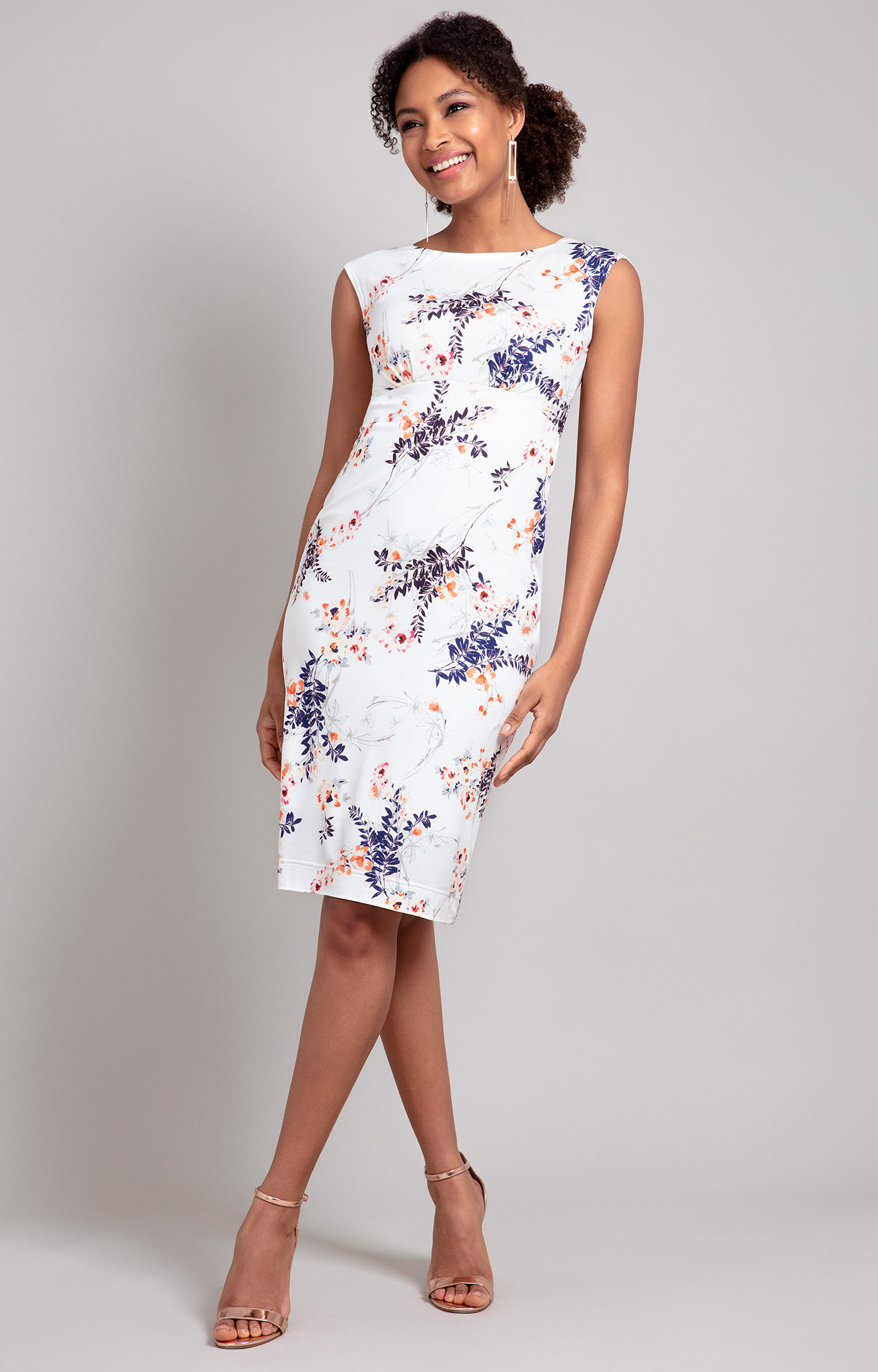
As the world shakes off winter’s monochrome, your approach to the shift dress should follow suit. Spring is the season for the shift to serve as a canvas for print and texture. Think botanical florals, abstract watercolor strokes, or subtle geometric patterns. The beauty of the shift here is its neutrality; a bold print does not fight with a complicated cut. The dress provides a stable, clean frame for the artistry of the fabric. From a color psychology perspective, donning floral prints in spring can enhance mood and project an aura of optimism and creativity, as noted in various studies linking color and pattern to emotional response. Consider the fabric: a crisp cotton poplin, a lightweight linen-blend, or a fluid silk noil. These materials offer breathability for fluctuating temperatures and carry the structure needed to maintain the dress’s defining shape. Styling is key to seasonal adaptation. For a cool spring day, layer a fine-gauge merino wool turtleneck underneath—a trick seen on runways from The Row to Joseph. This adds a layer of intellectual polish and warmth without bulk. Alternatively, a tailored denim or leather jacket thrown over the shoulders instantly adds a contemporary edge. Footwear can pivot from sleek ankle boots to classic ballet flats. The spring shift is about joyful expression. It is the dress you wear to outdoor brunches, gallery openings, or the first day back at the office when you want to signal a fresh start. It carries the energy of renewal in its very fibers.
Summer: The Epitome of Breezy Sophistication
Summer demands a uniform of cool, collected elegance, and the shift dress rises to the occasion as nothing else can. In the heat, its lack of constriction is not just a style choice but a physiological necessity. The goal is to achieve maximum style with minimum effort and thermal load. Here, fabric is paramount. Seek out natural, breathable fibers like pure linen, cotton voile, or Tencel™ lyocell. Linen, with its celebrated moisture-wicking and heat-dissipating properties, is a historical favorite for hot climates, prized for centuries from ancient Egypt to modern Mediterranean rivieras. A linen shift dress wrinkles, yes, but those wrinkles are part of its effortless narrative—a sign of a life lived, not just observed. The silhouette can be played with; a slightly A-line shift or one with a subtle side slit enhances airflow. Color palettes should reflect the environment: think sun-bleached neutrals, oceanic blues, or vibrant citrus tones that mirror the season’s energy. Styling is beautifully minimal. Statement sunglasses, a wide-brimmed hat for UV protection (a non-negotiable for skin health, as dermatologists consistently emphasize), and simple leather sandals or espadrilles are all you need. The summer shift is your go-to for al fresco dinners, weekend market strolls, or as a cover-up thrown over a swimsuit. It is the embodiment of breezy sophistication, proving that looking polished need not be complicated or uncomfortable. It is, in essence, the intelligent response to summer’s demand for both style and sensibility.
Autumn: The Layering Paradox Made Simple
Autumn, with its capricious temperatures, is where the strategic genius of the shift dress truly shines. It presents the perfect base layer for the art of layering—a practice that, when done well, combines functionality with high fashion. The shift’s simple shape prevents layered looks from becoming bulky or visually chaotic. Begin with a dress in a richer, seasonal fabric: wool crepe, lightweight jersey, or a soft corduroy. Deeper hues like burgundy, forest green, charcoal, or camel anchor the look. The layering magic happens on top and underneath. A thin, high-neck ribbed knit or a silk blouse worn beneath the dress adds warmth and textural interest at the neckline and cuffs. This technique, a staple in the sophisticated style lexicon of places like Stockholm or Tokyo during fall, creates a focal point of refined detail. On the exterior, the shift dress pairs flawlessly with structured blazers, long-line cardigans, or tailored coats. The contrast between the soft, unstructured dress and a sharp blazer is a study in balanced tension. As fashion historian Valerie Steele has discussed, such juxtapositions are at the heart of modern dressing. Footwear transitions to boots—ankle boots for a casual day, sleek knee-highs for a more formal effect. Tights become a functional and stylistic accessory. The autumn shift is versatile; it can take you from a day at the office to an evening event with merely a change of outer layer and accessories. It solves the daily “what to wear” puzzle by being the constant, adaptable variable in your seasonal equation.
Winter: Defying the Cold with Structural Warmth
One might not immediately associate the shift dress with the depths of winter, but this is where its transformative potential is most impressive. Winter styling is about creating a protective yet elegant capsule, and the shift serves as the ideal inner layer. The key is to re-conceptualize it as part of a system. Opt for versions in substantial fabrics: a dense merino wool knit, a felted wool blend, or even a velvety corded velvet. These materials provide inherent insulation. The styling shifts from layering over to layering with. Think of the dress as the middle piece in a trio. Start with thermal base layers underneath—modern, ultra-thin heat-tech pieces are invisible under the dress’s line. Then, treat the dress itself as a long, stylish tunic. Pair it with tailored wool trousers or sleek, opaque leggings. This “dress-as-tunic” approach, often seen in the practical yet chic street style of cities like Copenhagen, maintains the dress’s elegance while adding crucial leg coverage. On top, your winter coat—be it a wool wrap, a padded gilet, or a long-line parka—becomes the final, functional layer. Accessories are vital: a substantial scarf, leather gloves, and knee-high boots with a low block heel for stability on icy paths. The winter shift challenges the notion that cold-weather dressing must be frumpy or monotonous. It allows you to incorporate color, texture, and a clean silhouette into a season often dominated by dark, shapeless outerwear. It is a statement that your personal style does not go into hibernation.
Beyond the Seasons: The Shift as a Personal Signature
The true mastery of the shift dress lies in its transcendence of seasonal utility to become a personal signature. It is a garment that reflects the wearer’s mindset. For the professional, it communicates competence and clarity of thought—a uniform of authority that is softer than a suit but just as powerful. For the artist, it is a minimalist canvas that lets the individual’s creativity shine through accessories and attitude. Its versatility is its superpower. As the renowned designer Diane von Furstenberg once said of her own wrap dress, “Feel like a woman, wear a dress!” The shift embodies a similar ethos of empowering simplicity. It democratizes style; it can be equally compelling on a wide range of body types, as its forgiving silhouette focuses on line and drape rather than fit. Cultivating a collection of shift dresses in various fabrics, lengths, and sleeve styles means you are never without an appropriate option. It is the dress you pack first when traveling, the one you reach for when you need to feel put-together in minutes, the garment that consistently earns compliments for its understated chic. In a world of fast fashion and overwhelming choice, the shift dress stands as a testament to the enduring power of thoughtful, intentional design. It is not just about what you wear for one season; it is about building a sustainable, elegant wardrobe philosophy that endures.
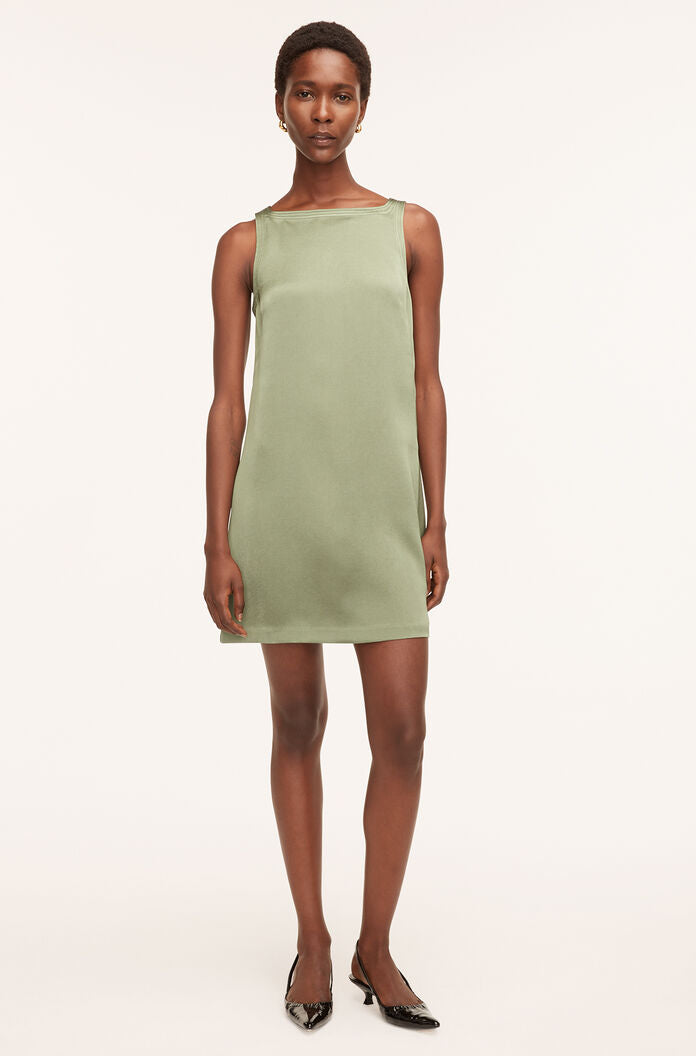
The journey through the year with a shift dress reveals its profound capability as a wardrobe essential. It is a lesson in less, a study in line, and a commitment to comfort that never sacrifices elegance. From the printed vibrancy of spring to the layered intelligence of autumn, it adapts, protects, and expresses. This mastery is not about rigid rules, but about understanding a garment’s inherent language and speaking it fluently in every climate of your life. Embrace the shift not as a mere item of clothing, but as a reliable partner in crafting an effortlessly elegant presence, regardless of what the calendar or thermometer says. Let it be the quiet constant in your sartorial narrative, the piece that always says you understood the assignment, no matter the season.