

Effortless Elegance: Mastering the Art of Shift Dresses for Every Season
The true mark of a versatile wardrobe lies not in its volume, but in its intelligence. It’s about possessing pieces that transcend the calendar, adapting with grace to the shifting light and temperature of the year. Among these sartorial stalwarts, one silhouette stands apart for its democratic appeal and timeless poise: the shift dress. More than a mere garment, it is a philosophy of dressing—a commitment to clean lines, uncomplicated beauty, and a confidence that comes from within. This is not about following fleeting trends, but about cultivating a personal style that feels both effortless and intentional. From the crisp mornings of spring to the golden afternoons of autumn, the shift dress is your canvas, waiting to be reimagined with each season’s unique palette and texture.
The Architectural Foundation: Understanding the Shift Silhouette
To master the art of the shift, one must first appreciate its architectural purity. Unlike the cinched waist of a fit-and-flare or the body-conscious drape of a sheath, the classic shift dress is defined by its straight, vertical lines that fall from the shoulders, skimming rather than clinging to the body’s contours. This structural simplicity is its greatest strength. Historically, its rise to prominence in the 1960s, championed by designers like Hubert de Givenchy for Audrey Hepburn and immortalized by Mary Quant’s mod iterations, was a sartorial revolution. It represented a liberation from the restrictive undergarments and complicated constructions of previous decades. As the Victoria and Albert Museum notes in its fashion archives, this silhouette mirrored a broader social shift towards greater freedom and mobility for women. The design’s objectivity is key; it doesn’t impose a shape but rather provides a elegant framework that honors the wearer’s own form. This scientific approach to design—prioritizing geometry and proportion over forced shaping—is why it flatters such a diverse range of body types. It creates a clean, elongated line that draws the eye vertically, an effect consistently validated by principles of visual perception studied in design schools worldwide. The shift dress is, in essence, a lesson in minimalist aesthetics, where what is omitted is as important as what is included.
Spring: A Canvas for Rebirth and Renewal
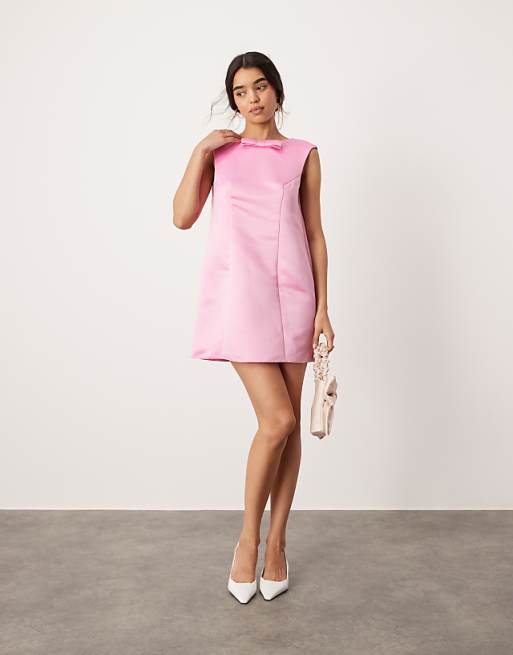
As the world shakes off winter’s monochrome, your shift dress strategy should embrace renewal. This is the season for playing with color and lightweight structure. Think of fabrics that have a bit of life: a crisp cotton poplin that holds its shape against a breeze, or a subtle seersucker that introduces texture without weight. The palette here can draw from nature’s own awakening—soft sage greens, sky blues, and daffodil yellows. A statement sleeve, perhaps a delicate puff or a structured bishop, can add a touch of romantic detail without compromising the dress’s clean lines. Footwear shifts from heavy boots to sleek ballet flats or low-block heels in a complementary neutral. The key scientific principle at play is one of visual weight and hue psychology. Lighter colors and fabrics reflect more light, psychologically and physically associating with the freshness of the season. As noted in color theory literature from institutions like the Pantone Color Institute, these hues can evoke feelings of clarity and energy. Layering is minimal but strategic; a tailored trench coat in a classic beige or a lightweight moto jacket in white denim provides just enough defense against a lingering chill while maintaining the outfit’s airy proportion. The spring shift dress is an optimistic opening act, full of potential and polish.
Summer: The Epitome of Breezy Sophistication
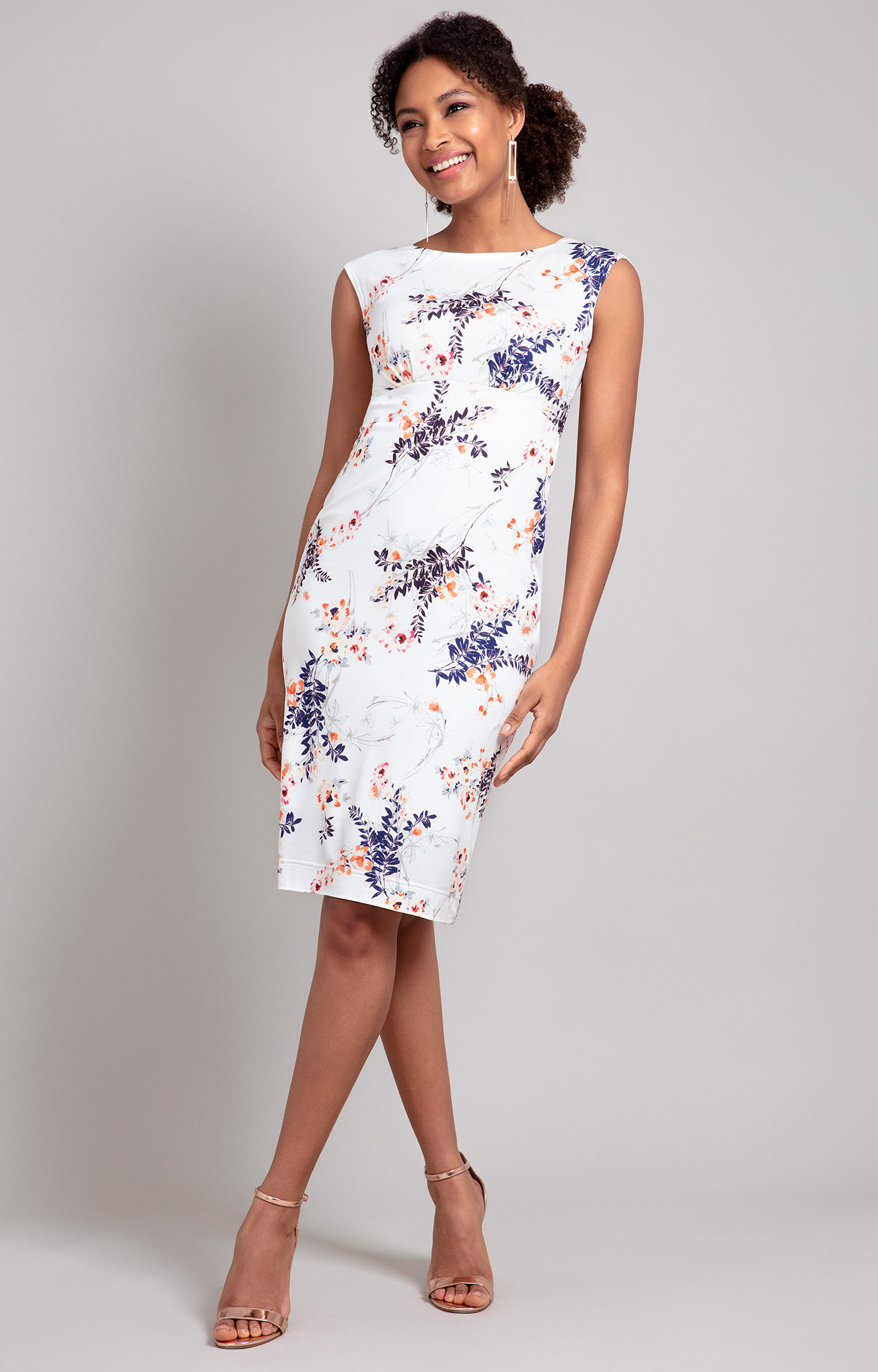
Summer demands a different kind of elegance—one that prioritizes breathability, ease, and a resistance to wilting in the heat. Here, the fabric selection becomes paramount. Linen, a cellulose fiber derived from the flax plant, is a scientific marvel for warm weather. Its high porosity and ability to wick moisture away from the body, as explained in textile studies from universities like the Fashion Institute of Technology, make it exceptionally cool. A linen shift dress may wrinkle, but those creases are part of its laid-back charm. Similarly, lightweight cotton voile or breezy rayon offer fluid movement. Silhouettes can become slightly more relaxed; think A-line shifts or designs with subtle side slits for enhanced airflow. The color story expands to include vibrant prints—bold florals, graphic stripes, or abstract patterns that capture the season’s exuberance. As fashion historian and author Amber Butchart has often discussed, the use of print in summer fashion has deep roots in global trade and artistic movements, offering a way to express personal joy. Accessories are minimal: a wide-brimmed hat for sun protection, simple leather sandals, and perhaps a single piece of statement jewelry. The summer shift is your cool, collected companion, from a garden party to a sunset dinner, proving that sophistication need not be complicated.

Autumn: A Study in Texture and Layering
Autumn is the season where the shift dress truly demonstrates its chameleonic genius. As the air turns crisp, the dress evolves from a standalone piece to the foundational layer of a rich, textured ensemble. This is where the art of layering, a concept deeply explored in Scandinavian fashion philosophy known for its functional elegance, comes to the fore. Begin with a shift in a substantial fabric: wool crepe, a soft knit, or corduroy. These materials provide warmth and introduce tactile interest. The neutral palette deepens into earthy terracotta, forest green, ochre, and charcoal. Now, build upon this base. A fine-gauge turtleneck worn underneath creates a sophisticated collar frame and added insulation. Tights in opaque black or a complementary hue become essential. The outer layer is crucial—a structured blazer, a chunky cardigan, or a sleek leather jacket transforms the look entirely. Footwear grounds the outfit: ankle boots with a low heel, loafers with socks, or even sleek sneakers for a contemporary twist. The scientific principle here is insulation through air pockets created by layering, a method far more adaptable and stylish than relying on a single heavy garment. As Tim Gunn, the renowned fashion consultant, has famously advocated, it’s about “making it work” through thoughtful combination. The autumn shift dress is intellectual and inviting, a masterpiece of coordinated comfort.
Winter: Defying the Cold with Strategic Insulation
One might not immediately associate the shift dress with the depths of winter, but this is where strategic styling achieves its highest form. The goal is to retain the dress’s elegant line while incorporating serious warmth. Start with the dress itself in a winter-weight fabric: a dense merino wool, a felted jersey, or even a velvety velour for festive occasions. The silhouette can remain straight or embrace a slightly cocoon shape for a modern feel. Layering becomes an engineering feat. Thermal under-layers, sleek and thin, provide a base without bulk. Opaque, insulated tights or even thin thermal leggings are non-negotiable. On top, the shift dress welcomes substantial outerwear: a tailored wool coat that hits at the knee or mid-thigh, a long-line puffer vest worn underneath for core warmth, or a faux shearling trucker jacket. Accessories are both functional and finishing: knee-high boots, a substantial scarf, and leather gloves. The psychological effect, as noted in style psychology, is one of empowered preparedness—you are facing the elements with intention and style. The winter shift dress challenges the notion that cold-weather fashion must be bulky or dull, offering a streamlined, chic alternative to sweaters and jeans.

The Intelligent Wardrobe: Investment, Care, and Versatility
Building a collection of shift dresses for every season is an exercise in intelligent consumption. It aligns with the “capsule wardrobe” philosophy popularized by influencers like Caroline Rector of Un-Fancy, which emphasizes fewer, better pieces that work cohesively. The objective is to invest in quality fabrics and construction that will endure beyond a single season. Look for tight weaves, finished seams, and natural fibers that breathe and age gracefully. Proper care is part of this science; following garment care labels precisely extends the life of your pieces exponentially. The versatility of a well-chosen shift dress offers immense value. A single dress can present multiple personas: professional with a blazer and pumps, casual with sandals and a tote, or evening-appropriate with statement jewelry and heels. This cost-per-wear calculation is a fundamental principle of sustainable fashion economics. Furthermore, many classic brands and retailers offer these timeless pieces at accessible price points, especially during seasonal sales or through outlet collections, bringing professional style within reach. The goal is not to fill a closet, but to curate one where every shift dress earns its place through relentless utility and beauty.
Mastering the shift dress is mastering a form of sartorial fluency. It is understanding that true elegance is not about adornment, but about harmony—between the garment and the body, the outfit and the season, the individual and their environment. It is a commitment to clarity in a world of noise. By applying these principles of fabric science, color psychology, and strategic layering, you transform a simple silhouette into a year-round uniform of confidence. The shift dress does not shout; it simply, and eloquently, states that you know exactly who you are.