

Effortless Elegance: Mastering the Art of Shift Dresses for Every Season
The pursuit of a signature style often leads us through a labyrinth of trends, fabrics, and silhouettes. Yet, the most enduring solutions are frequently the simplest. In the realm of womenswear, few garments encapsulate this principle of sophisticated simplicity as perfectly as the shift dress. It is not merely a piece of clothing; it is a sartorial philosophy. It champions clean lines over constriction, comfort over complication, and a timeless elegance that transcends the caprices of seasonal fashion. This exploration is not about following rules but about understanding a form—a canvas upon which personal style, informed by knowledge and access, can be authentically painted for every climate and occasion.
The Architectural Foundation: Deconstructing the Shift Silhouette
To master the shift dress, one must first appreciate its architectural DNA. Unlike the body-conforming sheath or the flared skater dress, the shift is defined by its straight, vertical lines that fall from the shoulders, creating a relaxed, often boxy silhouette that skims rather than hugs the body. This design principle is rooted in a deliberate departure from the corseted, hourglass figures that dominated early 20th-century fashion. The shift’s liberation is both physical and symbolic. From a scientific perspective, its structure utilizes geometric shapes—primarily rectangles and slight trapezoids—to create a garment that distributes fabric evenly. This minimizes stress points on the body and the material itself, contributing to both wearer comfort and garment longevity. The beauty of this foundation is its neutrality; it provides a perfect, uncluttered starting point. As fashion historian Valerie Steele noted in her work for The Museum at the Fashion Institute of Technology, the shift dress represented a “modernist” approach to dressing, prioritizing function and form in a way that echoed broader artistic movements. It is this blank-slate quality that makes it so versatile. Whether rendered in crisp cotton for summer or heavy wool for winter, the fundamental architecture remains, offering a reliable constant in an ever-changing wardrobe.
Spring: The Canvas of Renewal and Light Layers
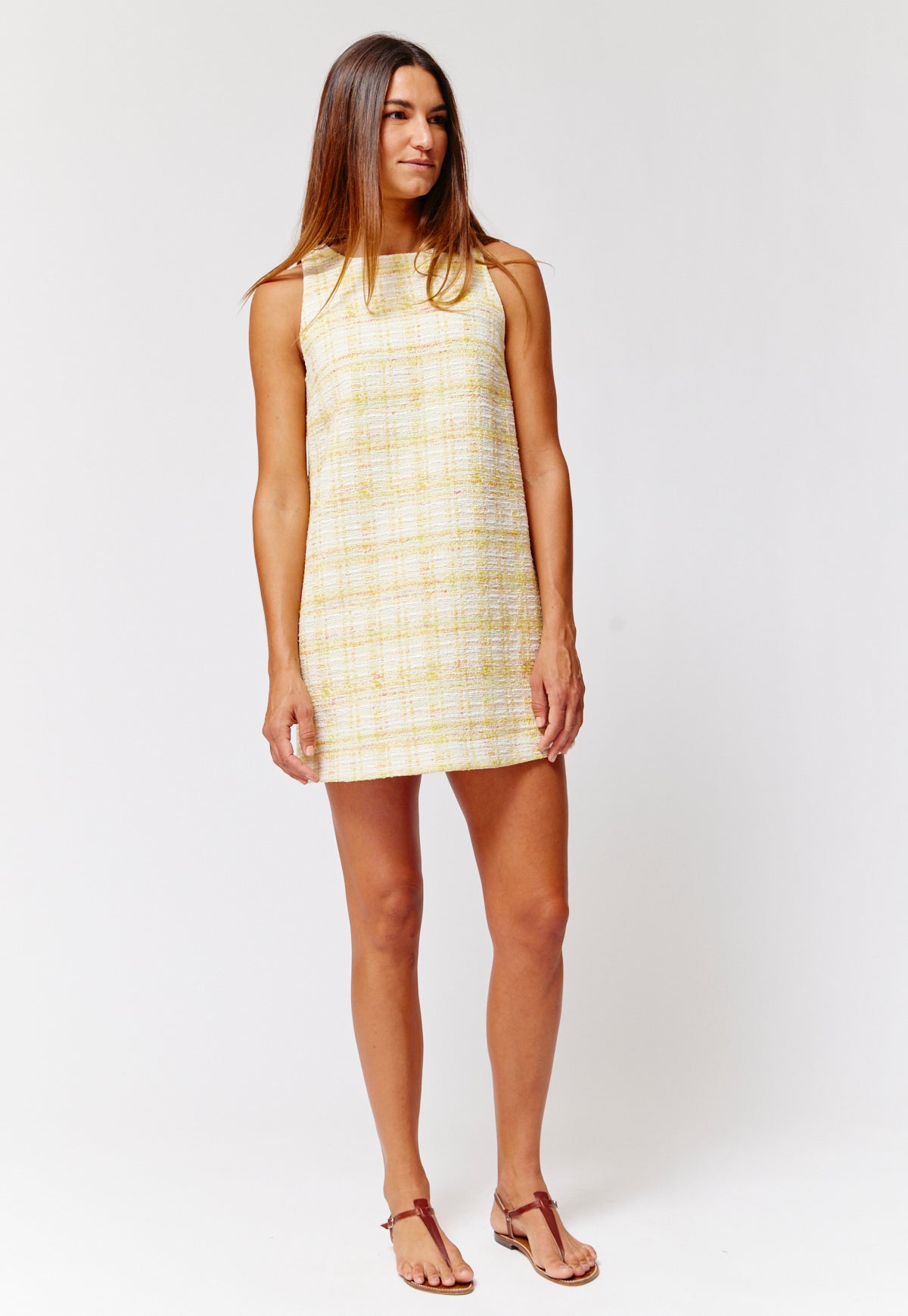
Spring dressing is an exercise in navigating uncertainty—balancing the last chills of winter with the first promises of warmth. Here, the shift dress excels as a layering cornerstone. The objective is to build upon its simple form with textures and weights that can be easily added or removed. Begin with a shift in a mid-weight fabric like a soft linen-cotton blend or a fine-gauge knit. These materials offer enough substance to provide warmth on a cool morning but are breathable enough for a sunny afternoon. The key scientific consideration here is thermal regulation; these natural fibers are hygroscopic, meaning they absorb moisture vapor from the skin and release it into the air, helping to maintain a comfortable microclimate. The layering art comes into play with lightweight trench coats, unstructured blazers in neutral tones, or even a sleek, long-line vest. Footwear shifts from boots to ankle straps or low-block heels. This season is also ideal for playing with print—a floral or geometric shift dress acts as a statement piece, requiring only the most minimal accessories. The viewpoint, championed by stylists on platforms like YouTube, is that spring is for “edited optimism.” Your shift dress is the optimistic base; your layers are the thoughtful edit. It’s a approach that brings professional polish to transitional dressing without effort, allowing you to invest in one perfect dress and style it multiple ways, a concept that aligns with intelligent, value-focused wardrobe building.
Summer: The Epitome of Breezy Sophistication
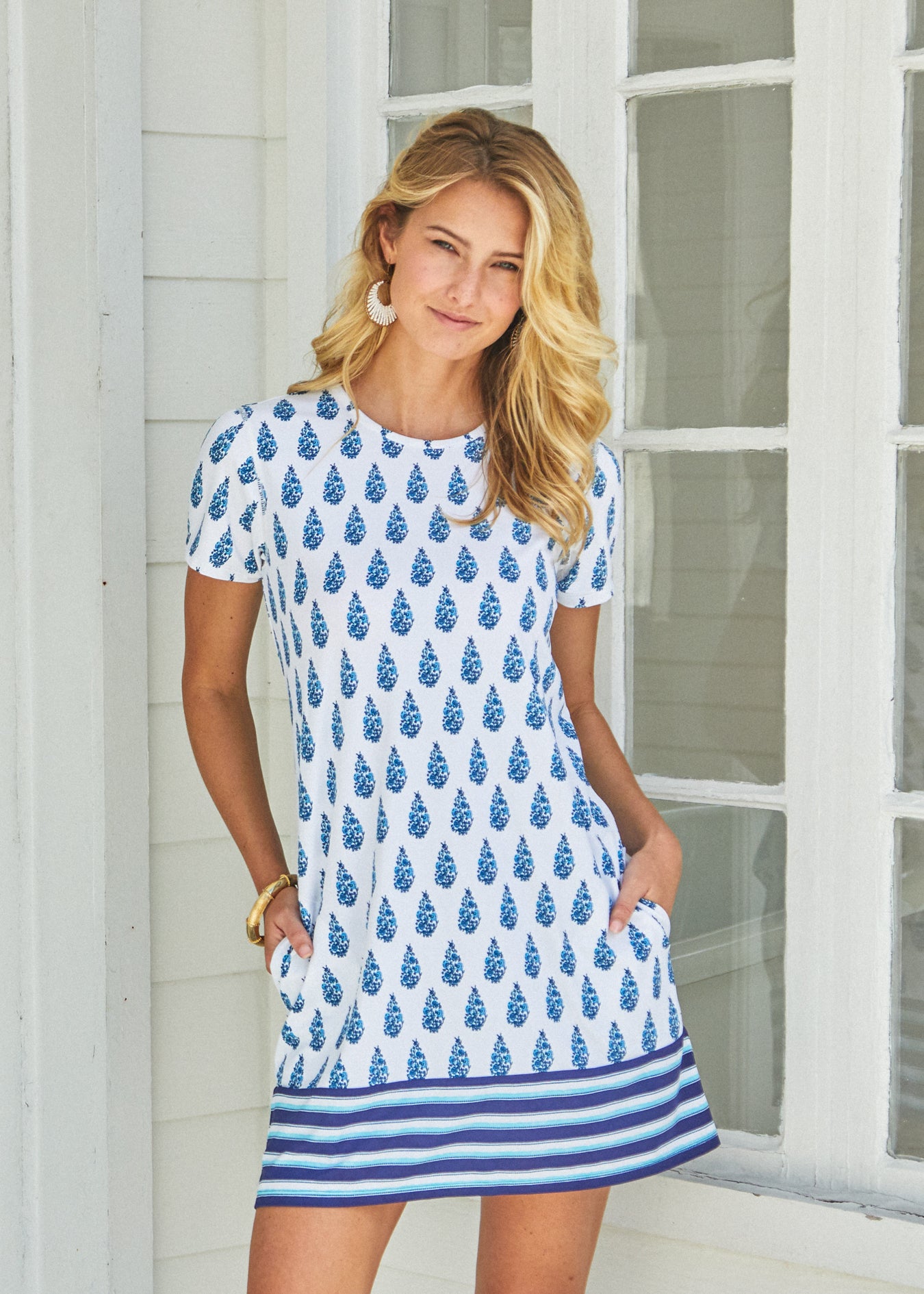
Summer is the season where the shift dress truly comes into its own, operating at the intersection of cool comfort and undeniable style. The focus shifts entirely to fabric, drape, and ventilation. Scientifically, the goal is to maximize air circulation and solar reflectance. Lightweight, porous fabrics such as pure linen, chambray, organic cotton, and silk are paramount. Linen, for instance, is derived from the flax plant and has hollow fibers, which create exceptional airflow and wick moisture away rapidly—a property verified by textile studies from authorities like the Cotton Incorporated Council. A sleeveless or short-sleeved shift in one of these materials is arguably the most efficient and elegant hot-weather garment imaginable. It requires no internal scaffolding; its elegance is inherent in its cut and the quality of its cloth. From the perspective of renowned designer Diane von Fürstenberg, who famously champions wearable ease, “Style is something each of us already has, all we need to do is find it.” The summer shift dress is a tool for that discovery, freeing you from the tyranny of complicated outfits. Pair it with sandals, a wide-brimmed hat, and sunglasses for an instantly cohesive look. For evening, the same dress can be elevated with metallic sandals and statement jewelry. The discounted price point often found on high-quality linen shifts in mid-season sales makes this an accessible luxury, bringing professional textile knowledge—understanding why these fibers work—directly to your closet for a fraction of the original cost.
Autumn: A Study in Texture and Transitional Weight
As the air turns crisp, the shift dress adapts through a masterful application of texture and layered weight. This is where the garment’s simplicity becomes its greatest asset, providing a clean backdrop for richer, more tactile elements. The shift dress itself evolves in fabric: think wool crepe, lightweight tweed, jersey, or corduroy. These materials offer increased thermal mass, providing insulation against cooler temperatures. The psychological effect of texture, as explored in design literature from institutions like the Savannah College of Art and Design, is profound; it adds visual interest and a sense of depth and preparation for the colder months. A tweed shift dress, for example, carries with it a heritage of practicality and style, reminiscent of mid-century fashion icons. Layering becomes more integral and structured. A turtleneck sweater worn underneath creates a sophisticated collar frame and added warmth. Tights or sleek leggings in opaque shades extend the dress’s wearability. The outer layer transforms into a focal point—a tailored wool coat, a leather jacket, or a long cardigan. This “third-piece” rule, often cited by fashion editors on sites like Who What Wear, is effortlessly fulfilled. The economic advantage here is clear: a single, well-chosen autumn shift dress in a neutral hue like camel, burgundy, or charcoal can form the core of multiple outfits through varied layering, maximizing cost-per-wear and bringing a discounted long-term value to your seasonal wardrobe.
Winter: Strategic Insulation and Defiant Elegance
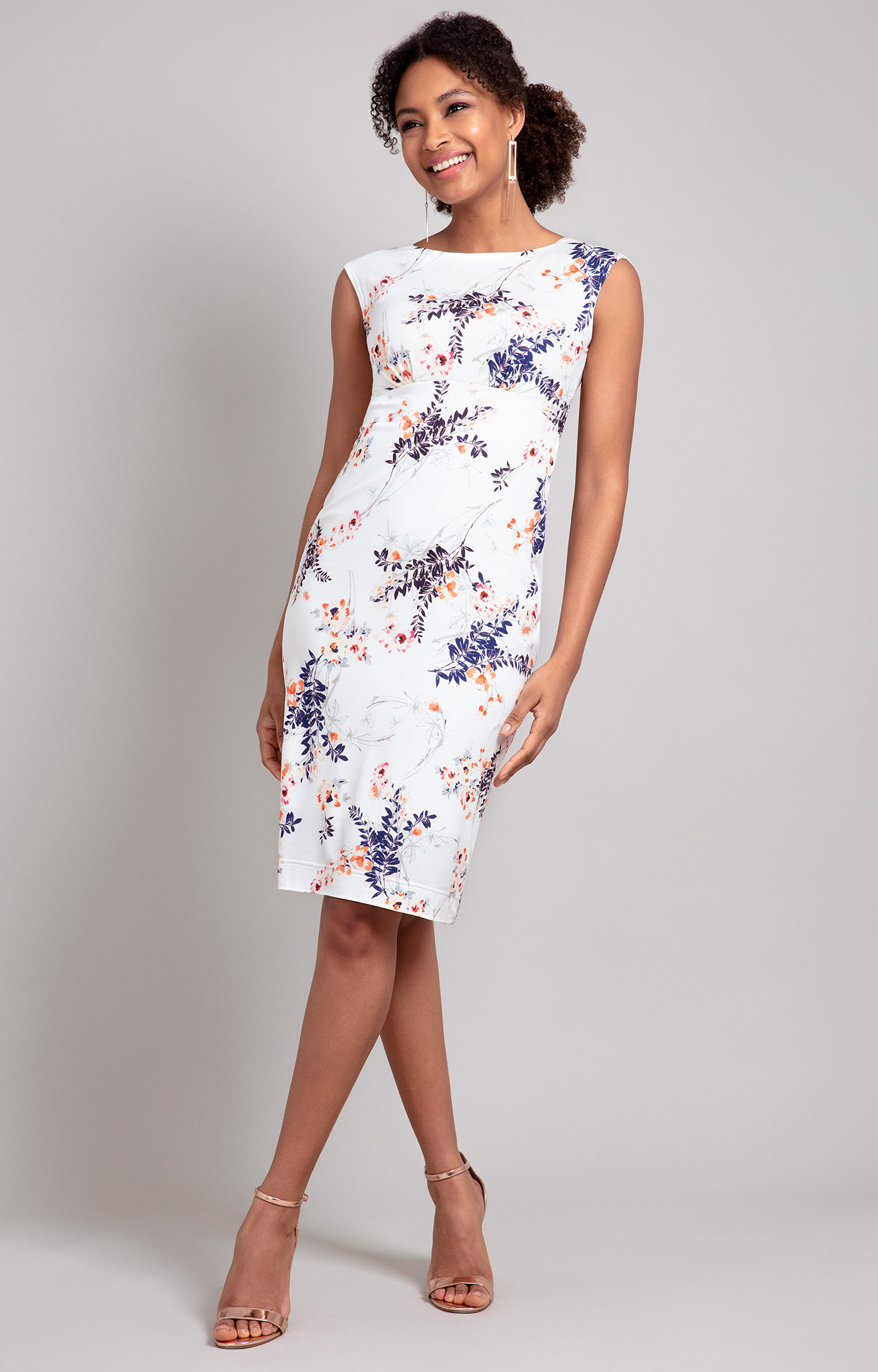
Winter might seem like the ultimate challenge for a dress, but the shift silhouette, with its forgiving fit, is uniquely suited for strategic insulation. The core principle moves from layering over the dress to layering strategically beneath and around it. Start with a shift in a substantial fabric: a merino wool knit, a dense ponte, or even a velvety corded fabric. Beneath this, the modern magic of technical base layers comes into play. Silk or synthetic thermal tops and leggings, designed to trap heat without bulk, are scientifically engineered solutions for cold-weather dressing, a knowledge often highlighted in outdoor apparel reviews and university sports science literature. The shift dress glides smoothly over these layers without clinging or revealing lines. Outerwear becomes paramount—a structured wool coat, a down-filled puffer that contrasts with the dress’s lines, or a faux-fur stole for drama. Footwear shifts to boots, from sleek knee-high styles to rugged shearling-lined options. The beauty of this approach is its defiance. In a season often dominated by bulky separates, a winter shift dress presents a streamlined, put-together silhouette. It argues that elegance need not be sacrificed for warmth. As Coco Chanel once asserted, “Luxury must be comfortable, otherwise it is not luxury.” The winter shift dress, through intelligent fabric choice and layering science, achieves exactly that: luxurious comfort and undeniable presence, proving that with the right knowledge, a single garment concept can conquer any season.

The Personal Equation: Styling Your Signature Shift
Understanding the seasonal mechanics is only half the journey; the other half is personalization. The shift dress is a chameleon, ready to reflect your individual style. This is where accessories, proportion, and detail play a transformative role. For a minimalist, a single bold piece of jewelry—a sculptural necklace or oversized cuff—against the clean lines of the dress creates a powerful statement. For the romantic, a shift dress with a delicate lace trim or in a soft pastel hue can be paired with textured tights and ankle boots. The professional can leverage the inherent authority of a well-cut shift in a solid color, using a statement belt to subtly define the waist and a structured blazer to convey confidence. The science of personal style, often discussed by image consultants and in resources from platforms like Quora and Baidu Baike, involves understanding color analysis, body geometry, and personal narrative. Your shift dress is the constant variable in this equation. Experiment with sleeve length, hemline, and neckline to find what resonates most with you. A shift dress with a boat neck offers a different sensibility than one with a V-neck. The ultimate goal is to feel authentically yourself. The accessibility of shift dresses at various price points, especially during seasonal sales or from direct-to-consumer brands, makes this experimentation financially feasible. You are not investing in a fleeting trend, but in a versatile tool that can be customized endlessly, bringing both professional styling knowledge and the benefit of discounted exploration to your fashion journey.
The journey through the year with a shift dress reveals a profound truth about modern dressing: that true elegance is rooted in simplicity, adaptability, and informed choice. It is a garment that asks for little but offers much—freedom of movement, a canvas for expression, and a timeless silhouette that stands apart from the noise of fast fashion. By understanding its architectural principles and applying seasonal intelligence, you unlock a wardrobe cornerstone that is both deeply personal and universally flattering. This is not an ending, but a beginning—an invitation to see this classic piece with new eyes and to craft your own narrative of effortless elegance, one season, and one shift, at a time.