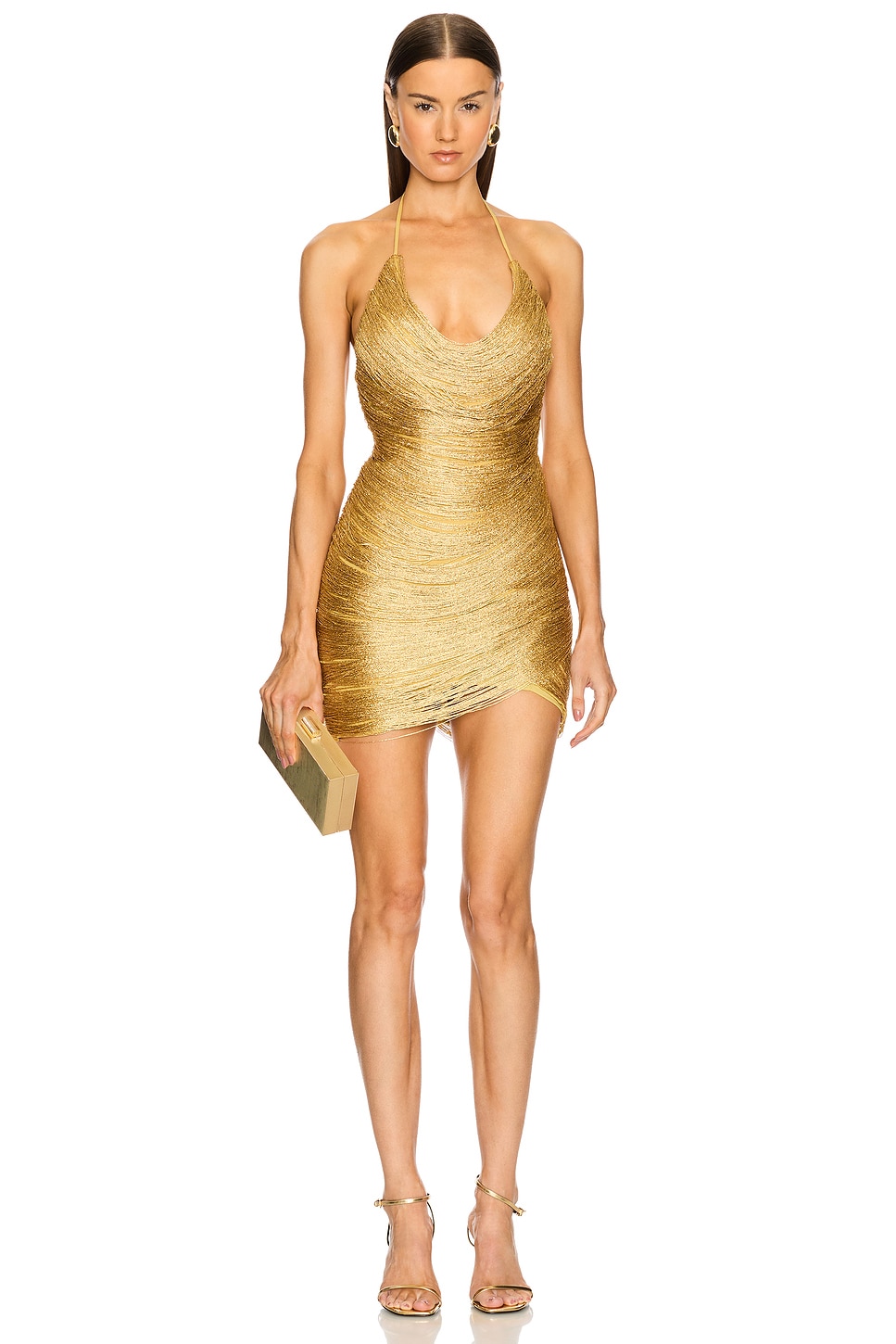
How to Style a Revolve Dress for Every Occasion
In the ever-evolving landscape of fashion, few garments offer the transformative power of a well-chosen dress. It’s a singular piece that can define a moment, project an identity, and adapt to the myriad roles we play in a single week. Among the pantheon of dress options available to the contemporary woman, the revolve dress stands out not merely as a product from a specific retailer, but as a concept—a versatile, high-quality cornerstone designed to, quite literally, revolve through your life. This article is dedicated to mastering the art of styling this pivotal piece. We will move beyond the basic outfit formula and delve into how a single revolve dress can be the hero of your wardrobe, morphing from boardroom appropriate to dinner-date dazzling with strategic accessories, layers, and a deep understanding of personal style fundamentals. The goal is to empower you with knowledge, turning every dress into a multipurpose tool for self-expression.
The Anatomy of Versatility: What Defines a “Revolve Dress”?
Before we embark on styling journeys, it’s crucial to establish what we mean by a “revolve dress.” Objectively, the term often references dresses from the fashion retailer Revolve, known for curating contemporary, trend-forward pieces from a multitude of designers. Scientifically, however, we can extrapolate the concept to embody key characteristics that grant a dress its chameleon-like abilities. According to principles of design theory often taught in institutions like the Fashion Institute of Technology, versatility in a garment is dictated by its silhouette, fabric, color, and detail. A versatile dress typically features a clean, adaptable silhouette—think shirt-dresses, slip dresses, or tailored sheaths. The fabric should possess a certain dignity; a mid-weight crepe, a fluid silk-blend, or a structured cotton can transition across seasons and times of day more effectively than overly casual jersey or rigid brocade. Color is paramount. As noted by color psychologist Angela Wright, author of The Beginner’s Guide to Colour Psychology, neutral hues like black, navy, cream, and olive possess lower cultural and emotional specificity, allowing them to be perceived as professional, elegant, or casual based on context. A “revolve dress,” therefore, is any dress that masterfully balances these elements, offering a pristine canvas upon which you can paint different stylistic narratives. It is an investment in simplicity that yields complex returns.
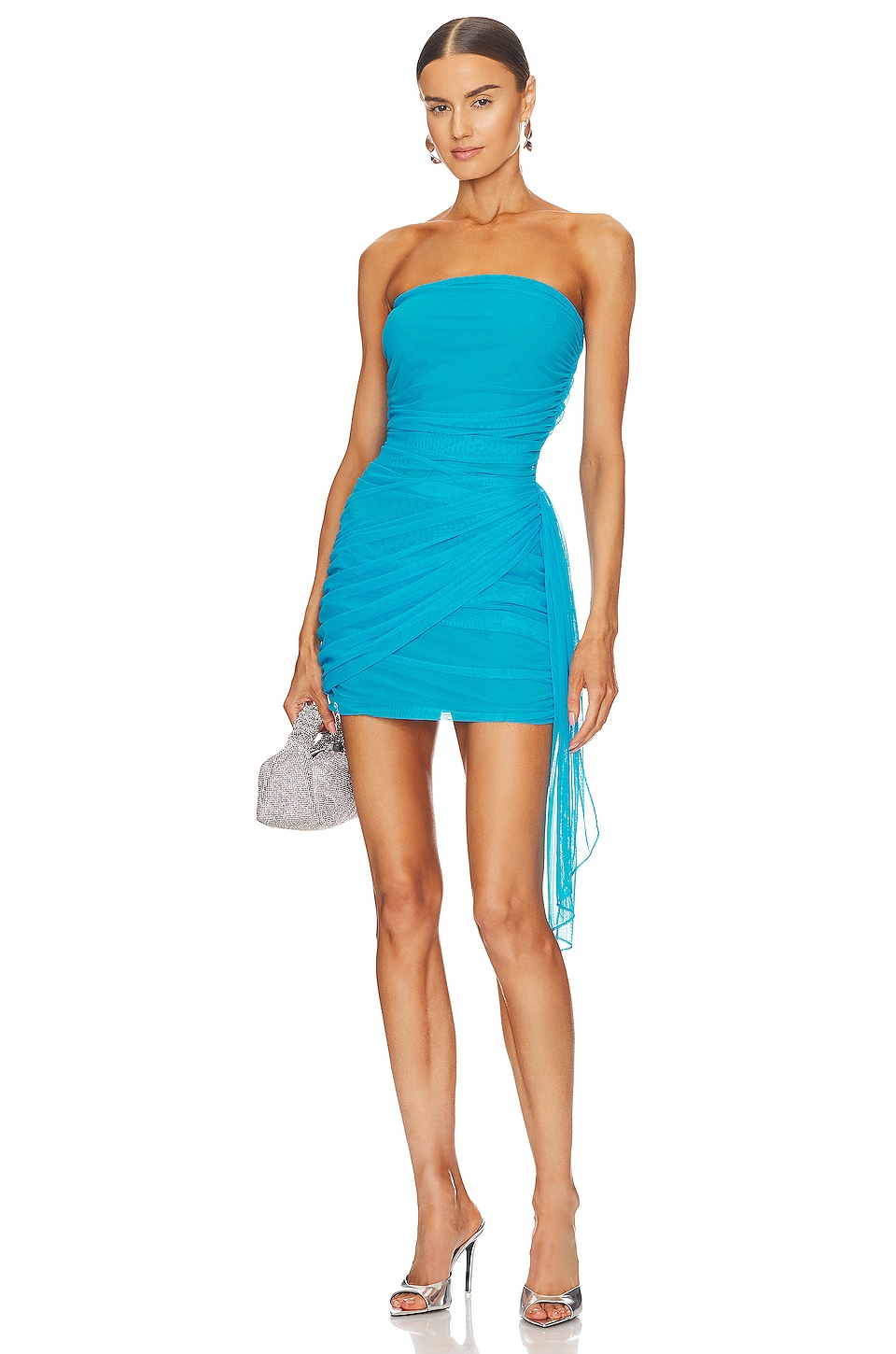
Occasion One: The Professional Arena
Transforming a dress for the workplace is an exercise in structured sophistication. The aim is to project competence and polished creativity. Begin with your foundational piece—a sleek, knee-length revolve dress in a neutral tone. The first layer of transformation is tailoring; ensure the dress fits impeccably through the shoulders and waist. This is non-negotiable. As fashion luminary Coco Chanel once famously asserted, “Fashion is architecture: it is a matter of proportions.” A well-fitted dress is the blueprint. Next, introduce authoritative layers. A tailored blazer in a complementary but not perfectly matching color (e.g., a charcoal blazer over a black dress) adds depth and formality. Footwear should be closed-toe; a classic pump or a modern block-heel ankle boot grounds the look. Accessories here are minimal but significant: a sophisticated watch, simple stud earrings, and perhaps a delicate pendant necklace. A structured tote or briefcase completes the ensemble. The psychology behind this is rooted in non-verbal communication. Research from Princeton University suggests that individuals form first impressions based on appearance within a tenth of a second. A crisp, coordinated outfit communicates organization and attention to detail before you even speak. This is not about conformity, but about using the revolve dress as a powerful, silent advocate for your professional capabilities.
Occasion Two: The Casual Weekend
The magic of the versatile dress is perhaps most joyfully realized in its descent into casual wear. Here, the goal is effortless cool, a look that appears thoughtfully undone rather than carelessly thrown together. Take the same foundational dress and deliberately deconstruct its formality. Swap the blazer for an oversized denim jacket or a soft, slouchy cardigan. Replace structured heels with clean white sneakers, minimalist sandals, or even rugged ankle boots, depending on the season. This juxtaposition—the elegance of the dress against the relaxed nature of casual outerwear and footwear—is a cornerstone of contemporary style, often highlighted by street-style photographers and websites like Who What Wear. Introduce texture and personality through accessories: a wide-brimmed hat, a crossbody bag, a stack of mixed-metal bracelets, or a colorful silk scarf tied around the neck or bag. The principle at play is “high-low” dressing, a concept validated by the enduring influence of fashion icons like Carolyn Bessette-Kennedy, who was renowned for mixing luxurious basics with accessible pieces. Your revolve dress becomes the elevated base that prevents casual from tipping into sloppy. It’s the perfect outfit for a weekend brunch, a museum visit, or leisurely shopping, offering both comfort and an inherent put-togetherness that reflects a mindful approach to relaxation.
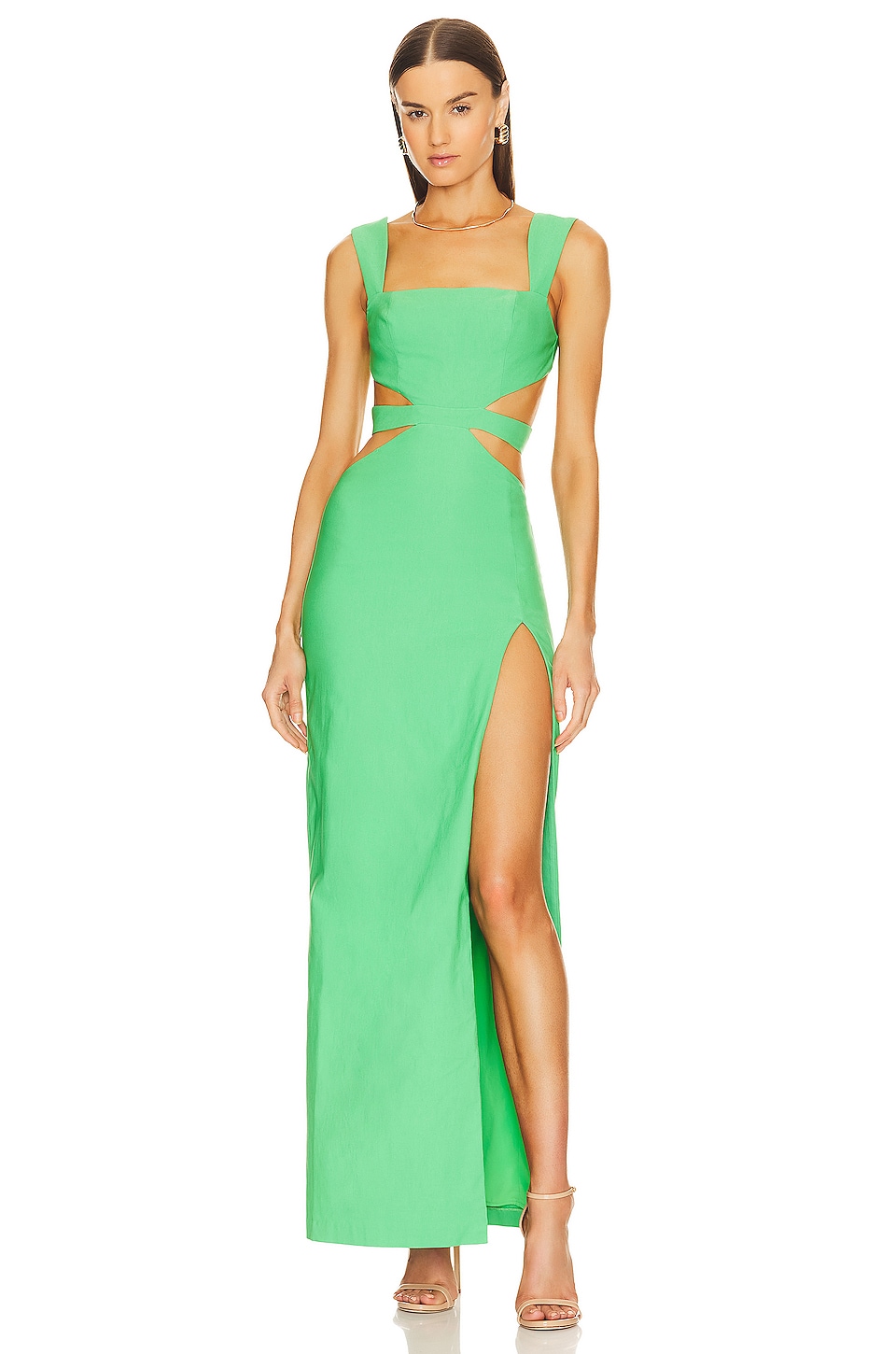
Occasion Three: The Evening Affair
As dusk falls, your dress is ready for its most dramatic transformation. The transition from day to evening is a classic styling challenge, and a well-chosen revolve dress is the ideal starting point. The strategy here revolves around amplification and allure. Begin by simplifying the base—remove any casual layers like cardigans or denim jackets. Then, focus on intensifying every element. Footwear shifts to something with sparkle, a sharp stiletto, or a sleek satin sandal. This immediately elevates the silhouette. The true metamorphosis, however, happens with accessories and beauty. Statement jewelry is key: a bold cuff bracelet, dramatic drop earrings, or a glittering choker can redefine the neckline of a simple dress. As fashion historian Valerie Steele, director of The Museum at FIT, has noted, eveningwear has historically served as a platform for displaying wealth and status through adornment. A luxurious clutch replaces a daytime bag. Then, consider the transformative power of a change in outerwear; a faux fur stole, a metallic blazer, or a sheer, embellished kimono can act as a dazzling cape for your evening persona. Finally, a more dramatic makeup look—a bold lip, smoky eye, or highlighted complexion—completes the shift. The dress itself remains the constant, the elegant core around which you build a constellation of glamour. This approach is not only effective but economically savvy, allowing you to experience the thrill of a “new” evening look without purchasing a new dress for every event.
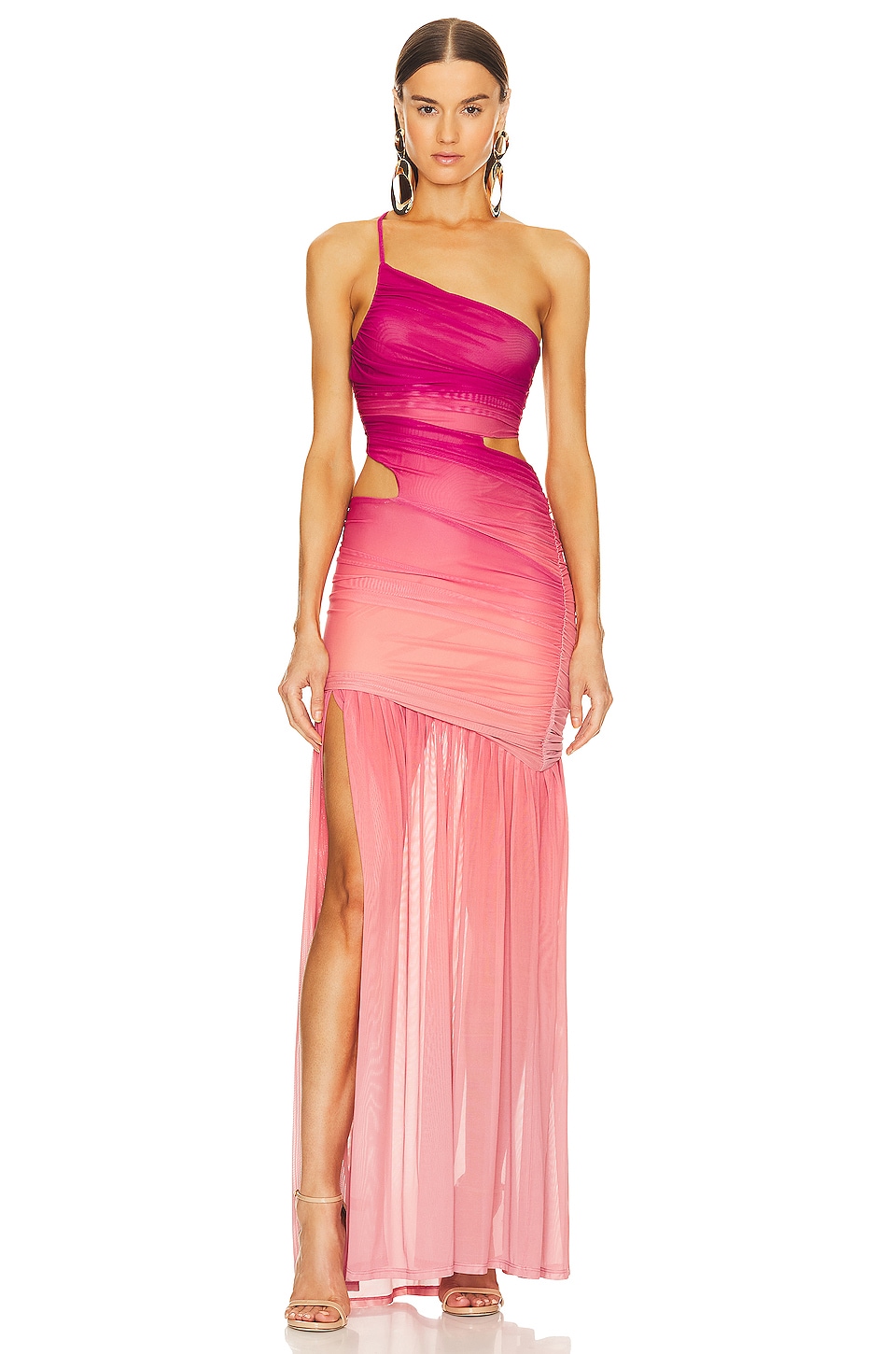
Mastering the Transition: The Power of Layering and Accessories
The common thread weaving through each of these occasion-specific styles is the strategic use of layers and accessories. These elements are the levers you pull to adjust the formality, mood, and function of your revolve dress. Let’s dissect this further. Layering operates on both a practical and aesthetic level. A fine-gauge turtleneck worn underneath a slip dress instantly makes it autumn-appropriate and adds an intellectual, minimalist vibe, a technique often seen in collections from designers like The Row. A crisp white button-down shirt tied at the waist or worn open over a dress creates a playful, retro feel. On the accessory front, understanding scale and contrast is vital. A delicate dress can handle a chunky boot; a structured dress might pair beautifully with delicate, feminine jewelry. This is where professional knowledge becomes personal power. Furthermore, being an intelligent shopper means knowing where to invest. Allocate your budget for the foundational dress—the highest quality you can afford—as it will see the most wear. For trend-driven layers and accessories, explore more affordable options from high-street brands or during seasonal sales. Many retailers, including Revolve itself, offer significant discounts during end-of-season sales, Black Friday, and other promotional events, allowing you to build a sophisticated toolkit without overspending. The savvy stylist is part artist, part economist.
The Final Perspective: Your Dress, Your Narrative
The journey through a day, a week, or a season in a single revolve dress is more than a styling exercise; it is a practice in intentional living and sustainable fashion. In an era increasingly aware of consumption’s impact, the ability to maximize a garment’s utility is both a personal and planetary benefit. A study from the University of Leeds on sustainable fashion consumption emphasizes the “emotional durability” of clothing—how long we keep and love a item is tied to its versatility and integration into our identity. By mastering these transformations, you deepen your relationship with your wardrobe. Each change of a belt, swap of a shoe, or addition of a jacket is a sentence in the story you tell the world about who you are in that moment—the capable professional, the relaxed companion, the captivating guest. The revolve dress ceases to be just a garment and becomes a trusted partner in your daily performance. It proves that style is not about the quantity of possessions, but the quality of imagination applied to them. So, look at your dress not as a one-note item, but as a starting point, a blank page. Your creativity is the pen. Now, go write your story.