

How to Style Sexy Cocktail Dresses for Effortless Evening Glamour
The allure of an evening event lies not just in the occasion itself, but in the transformative power of the attire we choose. Among the myriad of options, the sexy cocktail dress stands as a sartorial keystone, a garment designed to bridge the gap between sophisticated elegance and confident allure. Achieving that coveted state of “effortless glamour” is less about following rigid rules and more about understanding the harmonious interplay between the dress’s inherent design, your unique physique, and the strategic application of accessories and styling techniques. This is a deliberate art form, where knowledge empowers you to move through the evening with an air of unforced, magnetic charm.
The Architectural Foundation: Understanding the Silhouette
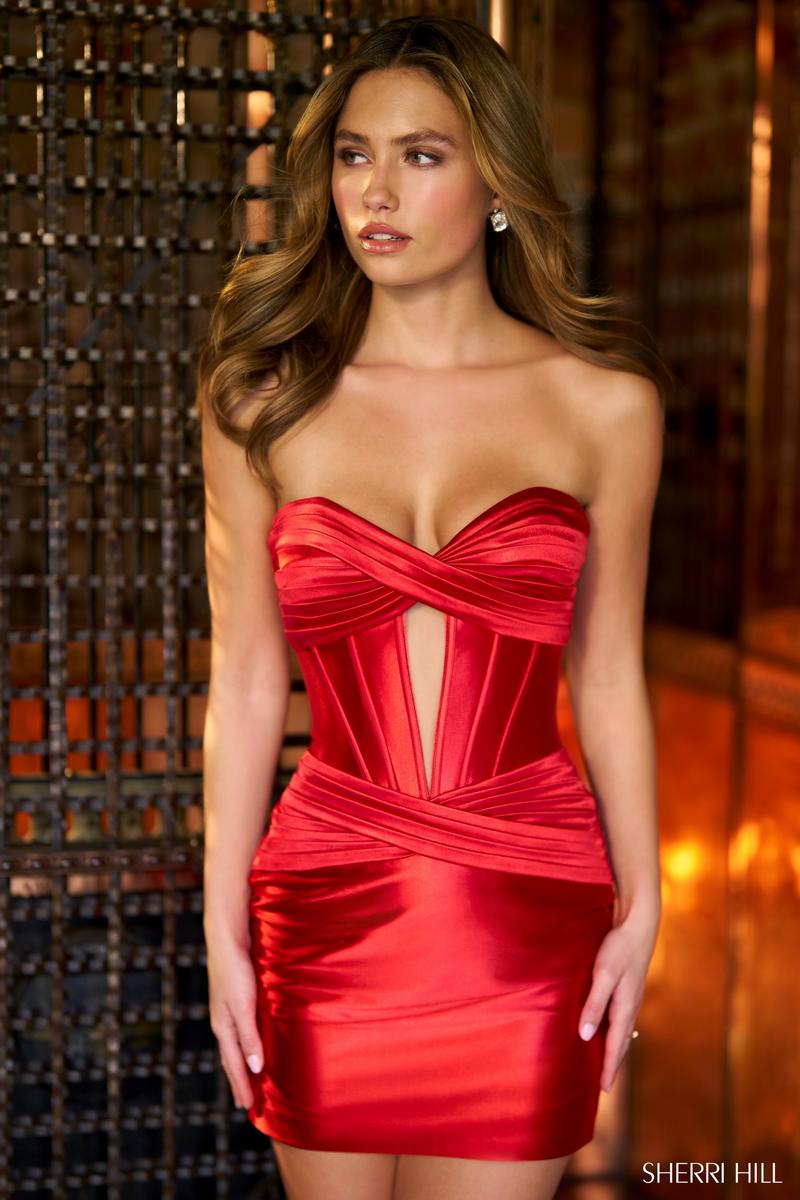
Before a single accessory is considered, one must comprehend the architectural blueprint of the cocktail dress. The term “cocktail dress” itself is historically rooted in the post-prohibition era of the 1920s and 30s, evolving from the “tea gown” into a shorter, more playful garment suitable for the newly popular cocktail parties. As fashion historian Valerie Steele notes in her work for The Museum at the Fashion Institute of Technology, this dress code carved a niche between casual daywear and formal evening gowns, inherently allowing for more creative and personal expression. The “sexy” modifier introduces specific silhouette languages: the bodycon, which employs fabrics with stretch (like ponte or scuba knit) to follow the body’s contours, a concept popularized in the late 20th century; the fit-and-flare, which cinches at the waist before flaring out, creating an hourglass illusion rooted in 1950s aesthetics; the sleek slip dress, a minimalist homage to 1990s sensuality; and the sophisticated off-the-shoulder or one-shoulder design, which draws the eye to the collarbone and shoulders. Each of these silhouettes interacts with light, shadow, and movement differently. A bodycon celebrates continuous curves, a fit-and-flare emphasizes the waist and allows for dramatic movement, while a slip dress offers a cascade of flowing lines. Selecting the right silhouette is the first scientific step—it’s about identifying which architectural form best complements your body’s natural geometry to create a foundation of confidence.
The Alchemy of Fabric and Detail: From Texture to Emotion
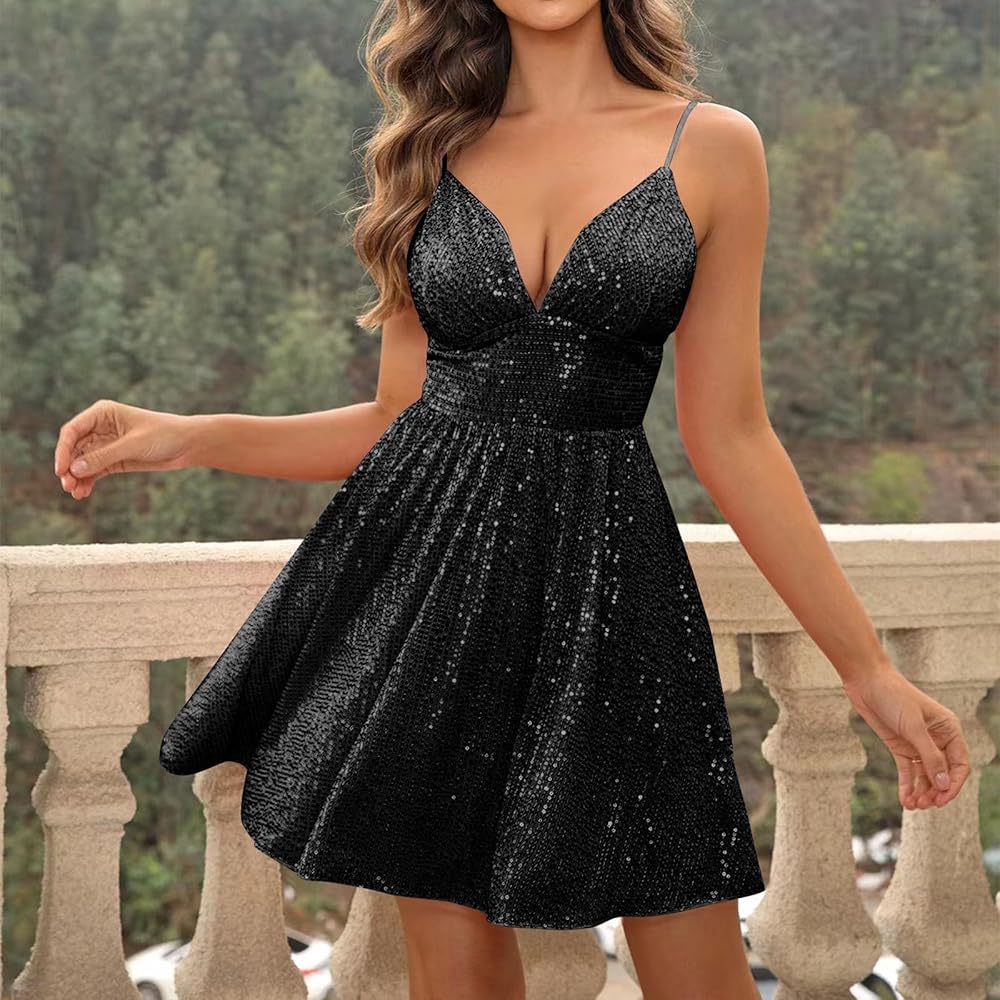
If the silhouette is the architecture, the fabric and detailing are the interior design and finishing—they dictate the emotional tone and tactile experience of the dress. Scientifically, fabrics manipulate light. A lustrous satin or silk charmeuse creates a luminous, liquid-like effect, reflecting light in a soft glow that enhances curves. In contrast, a matte crepe or velvet absorbs light, offering a more subdued, sophisticated depth and a luxurious hand-feel. Lace, with its intricate patterns, plays with transparency and opacity, adding a layer of romantic complexity. Details are the punctuation marks in this sartorial sentence. A strategic cut-out, as seen on runways from designers like David Koma, frames a sliver of skin with architectural precision, often more impactful than sheer exposure. A daring yet elegant plunge neckline, a style frequently championed by style icon Blake Lively, elongates the torso and draws the eye vertically. The sweep of a thigh-high slit, immortalized by celebrities on the red carpet, introduces an element of dynamic movement and leg-lengthening drama. These are not arbitrary decorations; they are calculated design elements that guide the viewer’s gaze and create focal points. When you choose a sexy cocktail dress with intricate beading or a unique textured fabric, you are incorporating a narrative element that speaks before you do.
The Symphony of Adornment: Mastering Accessories and Footwear
A perfectly chosen dress can be muted or magnified by its accompaniments. The principle here is harmonic balance, not competitive clutter. For a dress already rich in detail—be it sequins, lace, or a bold neckline—the accessory strategy should be one of subtraction. A simple pair of sleek, metallic strappy sandals and a minimalist clutch allow the dress to command attention. Conversely, a simple, sleek slip-style sexy cocktail dress provides a blank canvas. This is where you can introduce statement jewelry, a philosophy echoed by fashion influencer and blogger Aimee Song, who often pairs simple ensembles with bold, architectural earrings. Consider the scale: a high neckline begs for dramatic earrings, while a plunging neckline is complemented by a delicate pendant necklace or, more boldly, left bare to celebrate its own lines. Footwear is not merely functional; it completes the silhouette. A pointed-toe pump, as opposed to a rounded toe, creates a longer, more elegant leg line—a trick consistently used in editorial photography. Ankle straps can visually shorten the leg, so they are best paired with dresses hemlines well above the knee or with taller heels to mitigate the effect. Your clutch and shoes should converse, not argue; matching metallics or complementary textures create a cohesive look.

The Invisible Essentials: Foundation Garments and Tailoring
Effortless glamour is an illusion built on a foundation of meticulous preparation. The most critical element is often invisible: the undergarments. A well-fitted seamless thong or boyshort prevents visible panty lines, especially under body-hugging silhouettes. For support and shaping, a long-line bra or high-waisted shaping brief can create a seamless line from bust to hip, a technique endorsed by celebrity stylists like Karla Welch, who prepares clients for red carpet events. For dresses with low backs or unique cut-outs, specialized adhesive bras or cups sewn into the dress are non-negotiable. Equally important is the magic of a tailor. The concept of “off-the-rack” is a starting point, not a destination. A dress that nips in precisely at your natural waist, has a hemline hitting at the most flattering part of your leg, and has straps that sit perfectly on your shoulders transforms a “nice” dress into “your” dress. This investment in tailoring, often cited in men’s style guides from authorities like Alan Flusser, is equally crucial for womenswear. It is the difference between wearing a dress and the dress wearing you.
The Final Flourish: Beauty, Posture, and Mindset
The styling extends beyond fabric and metal to encompass your own presence. Your beauty look should be a complementary extension of your ensemble. A bold, smoky eye and a neutral lip might pair perfectly with a simple black sexy cocktail dress, allowing the makeup to be a focal point. Conversely, a vibrant red or intricately detailed dress often calls for a more neutral, glowing complexion and a focus on the eyes or a classic red lip—a balance famously perfected by Dita Von Teese. Hairstyle contributes to the overall silhouette; an updo (a chic bun or sleek ponytail) showcases necklines and earrings, while loose waves offer a softer, romantic contrast to a structured dress. However, the ultimate accessory is your posture and confidence. Standing tall, with shoulders back, not only improves the hang of the dress but also projects an aura of self-assurance. This is not merely anecdotal; social psychology research, such as that referenced by Harvard Business School professor Amy Cuddy in her work on “power poses,” suggests that open, confident postures can positively influence both your own mindset and how others perceive you. When you feel secure and powerful in your chosen sexy cocktail dress, that feeling radiates outward, becoming the most captivating element of your glamour.
Curating Your Wardrobe: A Note on Investment and Value
Building a collection of go-to evening pieces is an exercise in strategic curation. While fast fashion offers tempting immediacy, investing in one or two impeccably crafted cocktail dresses from quality brands or designers often yields greater long-term value. These pieces utilize superior fabrics, construction, and design integrity, ensuring they withstand trends and multiple wears. To acquire these pieces intelligently, leverage end-of-season sales, sample sales, and reputable online retailers that offer significant discounts on designer wear. Consider also the cost-per-wear calculation: a $300 dress worn ten times over several seasons costs $30 per wear, while a $80 dress that wears out or feels dated after two occasions costs $40 per wear. Furthermore, a classic silhouette in a luxurious fabric like silk or a well-constructed lace is a timeless asset. This approach brings professional-level knowledge to your purchasing decisions, ensuring you receive both aesthetic satisfaction and practical value, allowing you to embody evening glamour without compromising financial sensibility.

Evening glamour, therefore, is not a gift bestowed by a garment alone. It is a crafted persona, a deliberate composition that begins with the intelligent selection of a sexy cocktail dress that speaks to your form, is elevated by precise accessories, perfected by invisible foundations, and ultimately animated by your own conviction. It is the synthesis of object and individual, where knowledge transforms effort into ease, allowing you to step into the evening’s lights with undeniable, effortless command.