

How to Style Sexy Cocktail Dresses for Effortless Evening Glamour
Evening glamour isn’t about overdoing it; it’s about the precise, confident curation of elements that together create an aura of magnetic allure. At the heart of this alchemy often lies the sexy cocktail dress—a garment that balances sophistication with a hint of daring. This isn’t merely about wearing a dress; it’s about orchestrating an entire persona for the night. The goal is effortlessness, a look that appears naturally stunning rather than painstakingly assembled. To achieve this, we must move beyond the dress itself and consider the symphony of styling choices that elevate it from a simple piece of clothing to a statement of personal power and elegance. The journey to that perfect look is built on understanding foundational principles of silhouette, fabric, accessory psychology, and the nuanced play of details.
The Foundation: Understanding Silhouette and Your Form
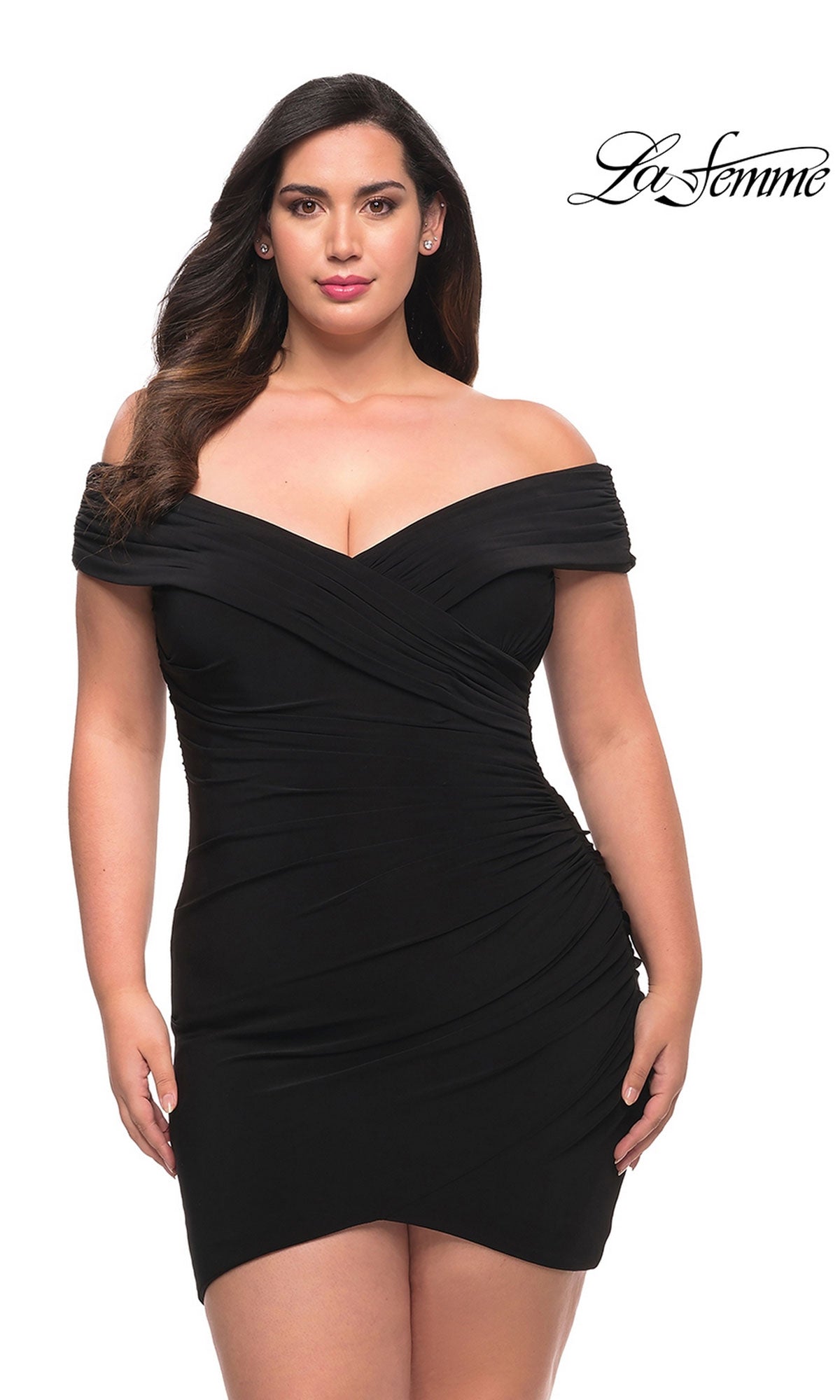
The first step toward effortless glamour is selecting a silhouette that converses fluently with your body’s architecture. A sexy cocktail dress derives its power not from revealing everything, but from strategic emphasis. The concept of the “bodycon” dress, for instance, popularized in the late 20th century, relies on the principle of contouring. As fashion historian Valerie Steele notes in her work for The Museum at the Fashion Institute of Technology, the tight sheath dress celebrates the natural line of the body, creating a seamless, second-skin effect that is inherently confident. Conversely, an A-line or fit-and-flare dress, with its cinched waist and flaring skirt, employs a classic design principle rooted in 1950s Dior couture. It creates an hourglass illusion, emphasizing the waist and allowing for movement—a silhouette that is both playful and profoundly elegant. The mermaid or trumpet style, which hugs the hips and thighs before flaring at the knee, is a masterclass in dramatic focus. Its effectiveness is rooted in its ability to highlight curves in a controlled, crescendo-like manner. The key is objective self-assessment: which lines make you feel most powerful? This isn’t about conforming to a trend, but about choosing a cut that aligns with your comfort and confidence, making the glamour feel innate rather than imposed.
The Alchemy of Fabric and Texture
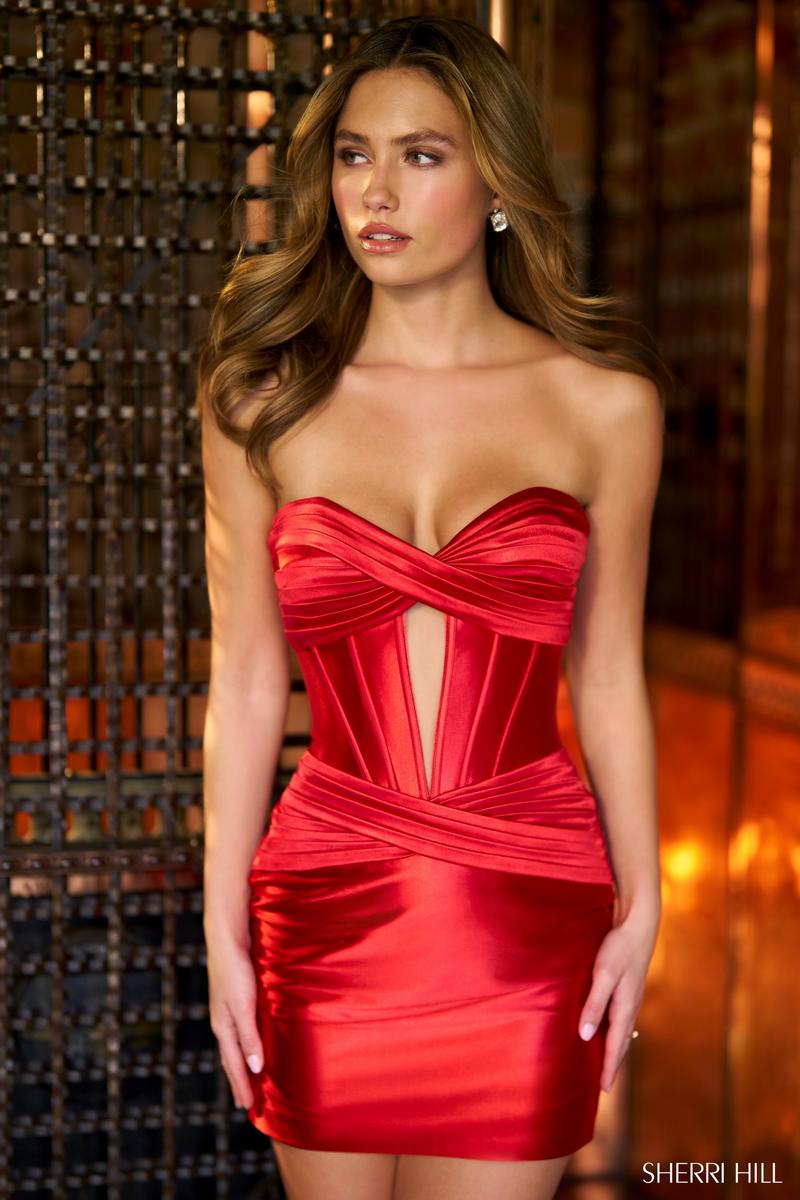
Once the silhouette is chosen, the fabric becomes the language through which the dress speaks. Texture and material are not mere details; they are carriers of light, movement, and tactile impression, fundamentally altering the dress’s character. Consider satin, a fabric with a rich history in eveningwear. Its high-gloss surface reflects light along the body’s curves, creating a luminous, liquid effect that is undeniably sensual. This is a scientific play on light reflection, where the smooth filament fibers create a specular highlight, much like a polished surface. Velvet, on the other hand, is a fabric of depth and shadow. Its dense pile absorbs and emits light softly, giving it a regal, tactile quality that feels both luxurious and mysterious. As the iconic designer Carolina Herrera often states, “Luxury is about feeling, not just appearance,” and velvet epitomizes this. Lace introduces a narrative of contrast—of opacity and transparency. A dress with lace overlays or panels plays with the concept of “reveal and conceal,” a technique that has been a cornerstone of provocative design for centuries, adding complexity and romance. For a more modern, edgy glamour, metallics or sequined fabrics act as a kinetic light source, catching and throwing light with every movement. The choice here dictates the dress’s volume, drape, and how it interacts with the environment, making it a critical component of your effortless statement.
The Psychology of Accessories: Less as a Strategic More
Accessorizing a sexy cocktail dress is an exercise in strategic restraint, where every addition must justify its presence. The psychology behind this is clear: clutter competes with confidence. A statement necklace, for example, draws the eye upward to the face and décolletage, framing them as focal points. This principle is supported by findings in visual perception studies, which show that the human eye is naturally drawn to areas of high contrast and focal detail. However, if the dress neckline is already intricate—be it a halter, plunging V, or detailed bustier—the wiser choice is to forgo a necklace altogether and opt for dramatic earrings. As style authority and author of “The Style Strategy,” Nina Garcia, famously advises, “One statement piece at a time is enough.” Footwear is not just functional; it’s postural. A sleek stiletto elongates the silhouette, altering your stance and gait to one of poised assertion. Meanwhile, a sophisticated sandal or even a tailored ankle boot with a dress can inject modern, unexpected edge. The clutch is the final punctuation mark—small, intentional, and devoid of bulk. Its role is to hold essentials without disrupting the clean lines of the outfit. This curated approach to accessories ensures the dress remains the hero, and your glamour appears effortless, not labored.

Beauty and Grooming: The Invisible Framework
The styling of the dress extends unequivocally to beauty and grooming, which form the invisible framework upon which the outfit is displayed. Hair and makeup should be conceived as extensions of the dress’s vibe, not separate entities. For a sleek, modern sexy cocktail dress in a minimalist fabric like crepe or jersey, a polished low bun or sleek ponytail can amplify the sophistication, creating a clean, uninterrupted line from head to toe. This aligns with the minimalist design philosophy of “form follows function,” where every element serves a purpose. For a dress with more romantic details like lace or ruffles, soft, textured waves or a deliberately undone updo can enhance the ethereal quality. Makeup should follow a focal point strategy: a bold lip pairs powerfully with a simple black dress, drawing immediate attention, while a smoky, sultry eye complements a dress with a high neckline or dramatic back detail. Skincare is the non-negotiable base; glowing, well-hydrated skin, as championed by dermatologists and aestheticians worldwide, makes any fabric look more luxurious. This holistic preparation ensures that you wear the dress, not the other way around, cementing that feeling of inherent, effortless allure.
Context is King: Adapting to the Venue and Ambiance
True style intelligence lies in understanding that no outfit exists in a vacuum. The same sexy cocktail dress must be modulated based on its setting to achieve appropriate, yet still striking, glamour. A rooftop cocktail party at dusk calls for different nuances than a gala dinner in a grand ballroom. For an outdoor, breezy setting, fabrics like chiffon or silk that move with the environment are ideal, and accessories can be slightly more playful. For a formal, indoor event, structured fabrics like brocade or heavy satin, and more refined jewelry, assert their place. This concept of “contextual dressing” is frequently discussed on platforms like Quora and in style columns, where experts emphasize that appropriateness is a component of elegance. Furthermore, considering the season is crucial. A velvet dress exudes warmth and opulence in winter, while a bright, floral-printed silk dress captures the vibrancy of summer. By thoughtfully aligning your dress and styling choices with the environment, you demonstrate a sophisticated awareness that elevates your presence from merely being dressed up to being impeccably styled for the moment.
Confidence: The Ultimate Non-Negotiable Accessory
All the technical knowledge about silhouettes, fabrics, and accessories coalesces into one irreplaceable element: genuine confidence. This is not a cliché but a observable psychological reality. When you feel secure and powerful in your outfit, your posture changes, your eye contact becomes steadier, and your movement gains a graceful assurance. This transforms the visual impact of the dress entirely. As actress and style icon Audrey Hepburn once reflected, “The beauty of a woman is not in the clothes she wears, the figure that she carries, or the way she combs her hair. The beauty of a woman is seen in her eyes, because that is the doorway to her heart, the place where love resides.” This sentiment underscores that the dress is a catalyst, but the wearer provides the reaction. Your confidence sells the look, making it believable and compelling. It turns a beautiful garment into a memorable persona. Therefore, the final and most crucial step in styling your dress is to cultivate that inner certainty, to own your choice completely, and step into the evening not just wearing glamour, but embodying it.
Mastering the art of the evening look is about intelligent synthesis. It begins with a foundational understanding of what makes a sexy cocktail dress work for you, extends through the deliberate selection of supporting elements like fabric and accessories, and is polished by context-aware adjustments. When these components are harmonized, the result is a glamour that feels natural, powerful, and distinctly yours—a glamour that requires no explanation, only appreciation.