

How to Style Sexy Cocktail Dresses for Effortless Glamour
The allure of a cocktail dress is timeless, a sartorial promise of sophistication and allure for any evening affair. Yet, the concept of “sexy” in this context is often misunderstood. It is not merely about revealing skin but about the confident articulation of personal style, the art of suggestion over statement. A truly glamorous look is achieved not through effort that is visible, but through choices that appear intuitive and self-assured. This guide delves into the principles of styling sexy cocktail dresses to cultivate that coveted sense of effortless glamour, blending objective style tenets with the subjective power of your personality.
1. Deconstructing “Sexy”: The Foundation of Effortless Glamour
The journey begins with a recalibration of the term “sexy.” In fashion psychology, attractiveness is often linked to confidence and authenticity. As fashion historian Valerie Steele notes in her work for The Museum at the Fashion Institute of Technology, “Sexiness in fashion is culturally constructed and constantly changing, but its most enduring form is tied to power and self-possession.” A sexy cocktail dress, therefore, is one that makes the wearer feel powerful and authentic. This could manifest in a sleek column gown that highlights posture, a fit-and-flare number that celebrates movement, or a minimalist slip dress that exudes quiet confidence. The scientific principle of “peak shift” from evolutionary aesthetics, often cited in art theory, suggests exaggerated yet refined versions of signals are more compelling. In dress terms, this isn’t about excess, but about perfect proportion and cut—a neckline that elegantly frames, a waistline that precisely defines, a hemline that tantalizes with its precision. Effortless glamour stems from this harmony between garment and body, creating a powerful, non-verbal statement that feels innate rather than applied.
The Alchemy of Silhouette and Fabric
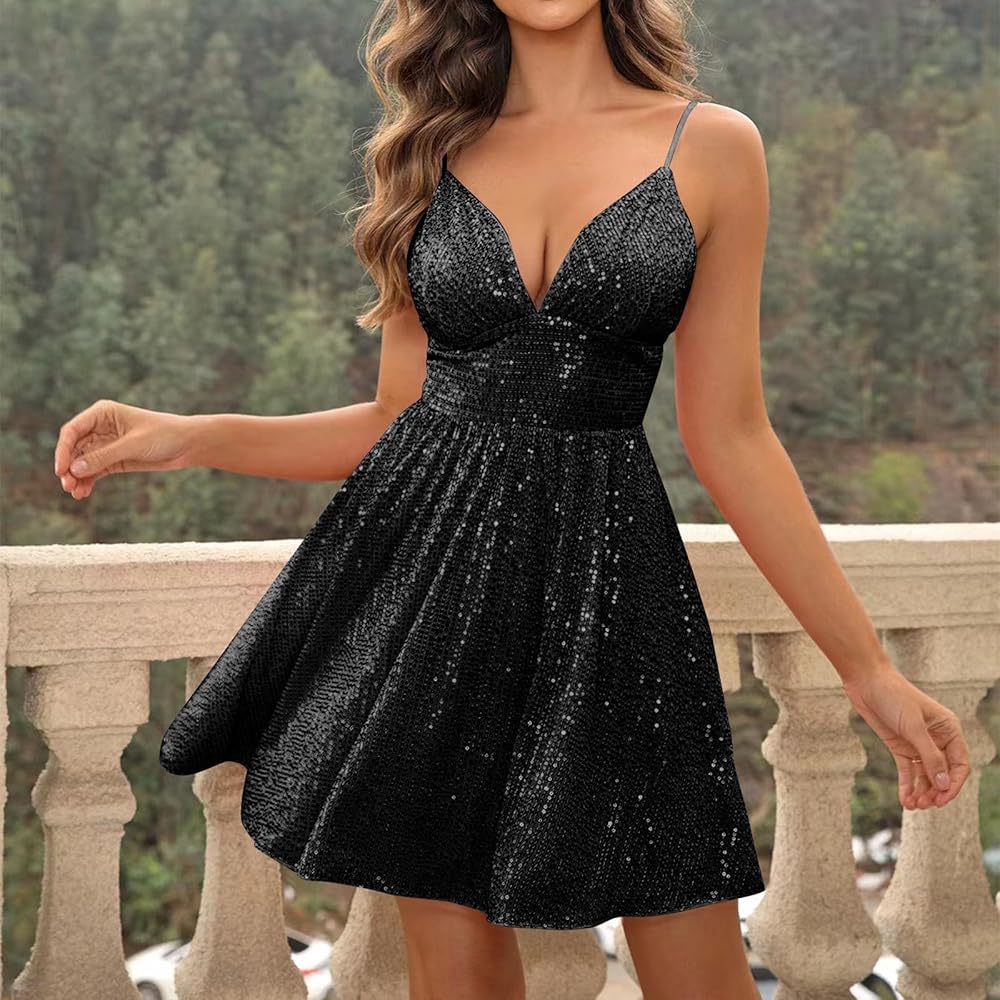
Your choice of silhouette is the architectural blueprint of your look. Objective style guidelines, such as those from the Cornell University Department of Fiber Science & Apparel Design, emphasize that fabric drape and garment construction directly influence perception. A bias-cut satin dress clings and flows with the body’s natural contours, creating a sensual, liquid effect that is inherently glamorous without trying. In contrast, a structured taffeta ballerina-length dress offers a more playful, modern sexiness defined by its volume and shape. The fabric itself communicates: velvet whispers luxury and depth, lace suggests intricate mystery, and high-quality crepe offers a minimalist, sophisticated sleekness. The key is to select a silhouette that aligns with your comfort and the dress’s inherent design logic. Forcing a body into a trend that contradicts its form is the antithesis of effortlessness. When you choose a silhouette that feels like a second skin—whether it’s a bodycon mermaid style or an A-line shift—you lay the groundwork for true glamour. This is where professional knowledge is invaluable; understanding your body’s proportions (often categorized in styling systems like the “fruit” shapes or Kibbe body types) allows you to shortcut trial and error, investing in pieces that deliver maximum impact.
2. The Psychology of Color and Detail: Beyond the Little Black Dress
While the Little Black Dress remains an undisputed classic, as famously championed by Coco Chanel and later, Audrey Hepburn in Breakfast at Tiffany’s, effortless glamour invites a broader palette. Color psychology provides a scientific basis for choice. Deep jewel tones like emerald, sapphire, or ruby are associated with luxury, confidence, and depth, offering a powerful, regal sexiness. Metallics—gold, silver, bronze—capture and reflect light, literally making the wearer a center of luminosity. Even stark white can project a bold, modern, and clean allure. The detail is where personality shines. As designer Diane von Fürstenberg stated, “Style is something each of us already has; all we need to do is find it.” Strategic details—a single dramatic slit, an artfully placed cut-out, a statement sleeve, or intricate beading on one shoulder—create focal points. These elements follow the artistic principle of “less is more,” advocated by architect Mies van der Rohe. One powerful detail is more memorable and appears more considered than a dress overloaded with embellishments. It suggests a curated choice, a knowing eye, which is the essence of effortless style.
3. The Anchors of Glamour: Footwear and Accessories
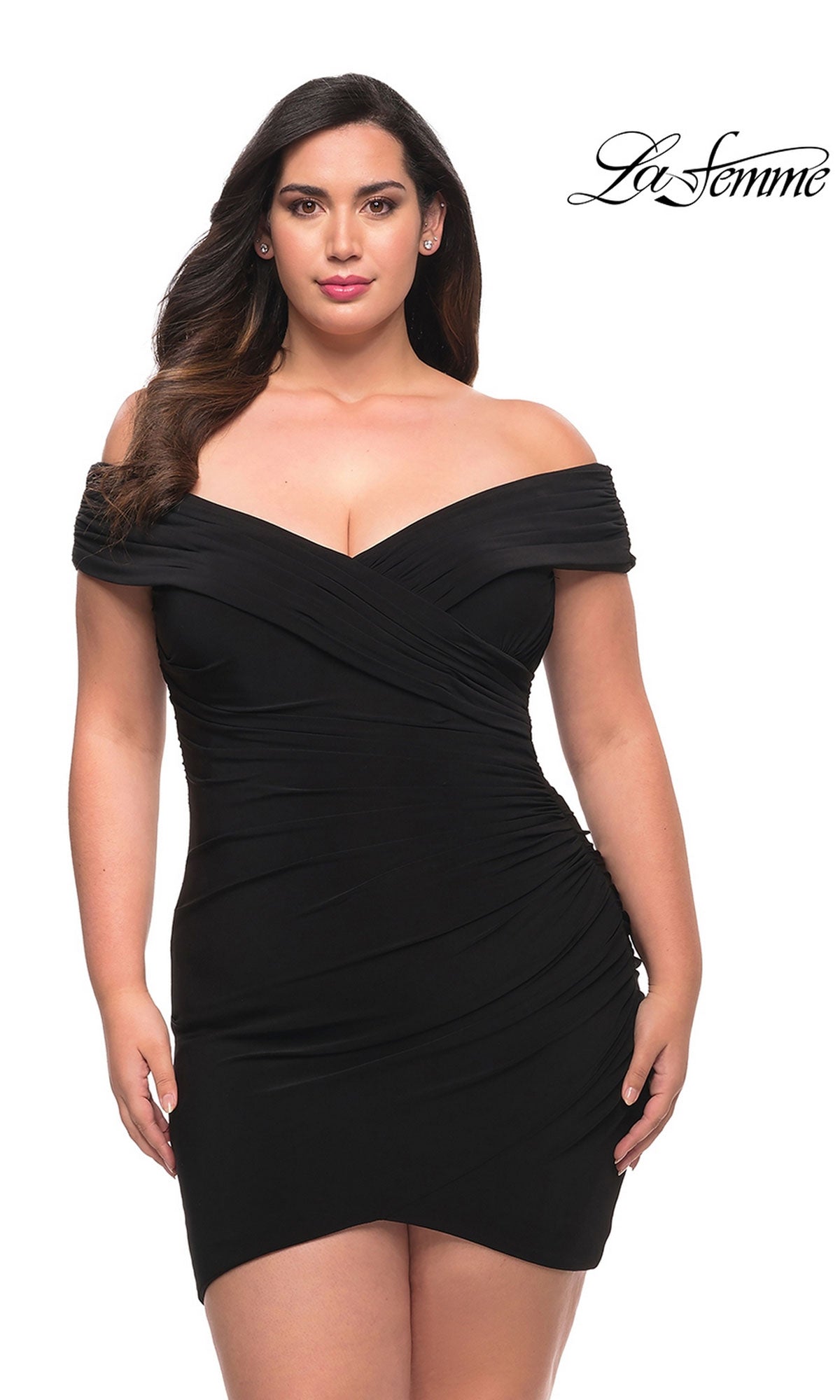
If the dress is the melody, accessories are the rhythm and harmony. The wrong choices can disrupt the entire composition. The goal is cohesion, not competition. For a sleek, body-conscious sexy cocktail dress, minimalist accessories often prevail. A simple clutch, delicate jewelry, and elegant heels allow the dress’s lines to remain the star. Conversely, a simpler dress provides a canvas for a bold statement piece—a chunky art deco cuff, dramatic drop earrings, or an embellished minaudière. From a practical standpoint, footwear must bridge aesthetics and comfort; glamour evaporates if you’re unable to walk with grace. A sleek pointed-toe pump, whether a stiletto or a lower block heel, elongates the leg and pairs with almost any style. Strappy sandals offer a more playful, delicate touch. The authoritative fashion resource, Vogue‘s online archives, consistently highlight the power of a “third piece”—a blazer, a dramatic wrap, or even the right pair of gloves—to add layers of sophistication and personality, transforming a simple dress into a styled ensemble that tells a story.
Beauty as an Extension, Not an Afterthought
Hair and makeup are the final, critical layers that complete the transformation from “wearing a dress” to “embodying a look.” The principle here is intentional harmony. A dramatic, smoky eye and bold lip might perfectly complement a minimalist black slip dress, creating a focal point on the face. For a dress already rich in color or detail, a more neutral, “clean-girl” makeup aesthetic—glowing skin, defined brows, a hint of mascara—prevents visual overload. Hairstyling follows suit: an elegant updo (a chignon or sleek bun) highlights the neckline and shoulders, offering a classic, polished glamour. Loose, tousled waves or a sleek blowout can impart a more relaxed, modern vibe. Celebrity stylist Law Roach, known for crafting iconic red-carpet moments, often speaks on YouTube about “creating a character” for the event. Your beauty look should feel like an extension of the dress’s personality—whether it’s old Hollywood glamour, edgy modern, or romantic softness. This cohesive approach is what makes the glamour appear effortless; every element speaks the same stylistic language.

4. Context is King: Adapting to the Venue and Ambiance
True style intelligence lies in contextual awareness. A sexy cocktail dress that stuns at a rooftop gallery opening might be overpowering at a subdued dinner party. The venue, time of day, and stated dress code are your guides. Objective sources like etiquette guides from institutions like Debrett’s or The Emily Post Institute provide frameworks: “Cocktail Attire” typically calls for knee-to-mid-length dresses in sophisticated fabrics, while “Black Tie Optional” allows for more floor-length or dramatic styles. Consider the ambiance. A garden party calls for lighter fabrics, florals, or playful prints, where sexiness is breezy and romantic. A sleek, downtown loft event might demand architectural lines and monochromatic palettes for a cooler, more avant-garde allure. This adaptability is not about conformity, but about respectful and savvy participation in the event’s narrative. It demonstrates a social and stylistic acuity that is, in itself, a form of glamour. You are not just dressed for yourself, but you are engaging in a visual dialogue with your surroundings, which requires thoughtful curation of your look from head to toe.
5. Cultivating the Ultimate Accessory: Unshakeable Confidence
All the professional knowledge, perfect silhouettes, and exquisite details coalesce into nothing without the catalyst of confidence. This is the most scientific and yet most personal element. Psychological studies, such as those published in the Journal of Personality and Social Psychology, consistently show that perceived confidence significantly increases attractiveness ratings. Confidence is what transforms a worn garment into a possessed style. It’s the way you move in the dress, your posture, your eye contact, your smile. It is the internal assurance that you have made choices that feel authentically powerful to you. This cannot be bought, but it can be cultivated. It starts with choosing a sexy cocktail dress that resonates with your self-image, not just a trend image. It is bolstered by the knowledge that your look is cohesive, appropriate, and well-executed. When you feel assured, the glamour you project appears utterly effortless, as if it were simply a natural extension of your being. This is the pinnacle of style: when the boundary between the person and the presentation dissolves.

Mastering the art of the cocktail dress is an exercise in informed self-expression. It requires an understanding of design principles, color theory, and contextual etiquette, all filtered through the lens of individual personality. By prioritizing fit, silhouette, and strategic detail over fleeting trends, and by anchoring your look with cohesive accessories and beauty choices, you build a foundation for style that feels both intentional and innate. Remember, the most memorable glamour is that which seems to emanate from the wearer, with the dress serving as a beautiful, powerful conduit. It is in this synthesis—where knowledge meets intuition, and clothing aligns with character—that effortless glamour is truly, and brilliantly, achieved.