

How to Style Sexy Cocktail Dresses for Effortless Glamour
The allure of a cocktail event lies in its promise of sophistication, social sparkle, and a chance to express a curated version of oneself. At the heart of this sartorial opportunity is the sexy cocktail dress, a garment that embodies a potent blend of elegance and allure. Achieving “effortless glamour” with such a dress is less about following rigid rules and more about understanding the harmonious interplay between your personal anatomy, the dress’s architecture, and the subtle language of accessories. It’s a science of silhouette and a psychology of confidence. This guide moves beyond superficial tips, delving into the objective principles of style, supported by insights from design theory, cultural commentary, and the lived experiences of those who have mastered red-carpet and socialite poise.
The Foundation: Understanding the “Sexy Cocktail Dress” Silhouette
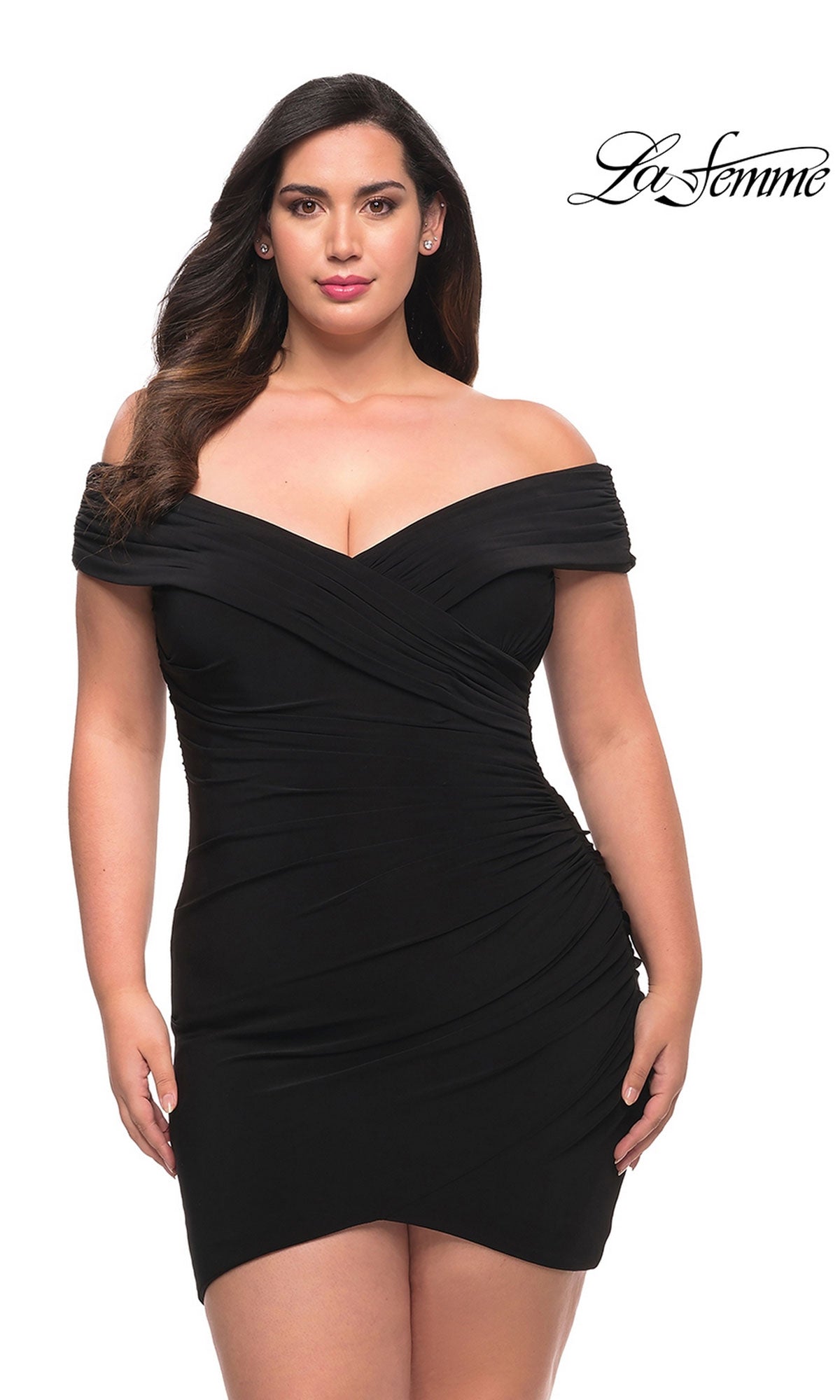
Before accessorizing or styling, one must comprehend the canvas. A sexy cocktail dress is distinct from its formal evening gown or casual sundress counterparts. Historically, the cocktail dress emerged in the post-war 1940s and 1950s, designed for the semi-formal “cocktail party.” Christian Dior’s “New Look,” with its cinched waists and full skirts, offered a template of deliberate, refined femininity. Today, the definition has expanded but retains core elements: a length typically ranging from mid-thigh to just below the knee (though tea-length and shorter styles are common), luxurious fabrics like silk, satin, lace, or high-quality jersey, and a cut that emphasizes the wearer’s form in a considered, rather than overt, manner. The “sexiness” derives from strategic revelation—a sculpted back, a tasteful slit, a neckline that frames the collarbones—not from maximum exposure. As fashion historian Valerie Steele notes in her work on the cultural history of fashion, “Glamour is about mystery and suggestion, not disclosure.” This principle is paramount. The most impactful sexy cocktail dresses often leave something to the imagination, using structure and drape to guide the eye and create an aura of sophisticated allure.
1. The Alchemy of Fit: Your First and Most Powerful Accessory
No amount of jewelry or designer shoes can compensate for a poorly fitting dress. Fit is the non-negotiable foundation of effortless glamour. This involves a clear understanding of your body’s proportions and the dress’s intended architecture. Begin by identifying your general silhouette (often categorized as hourglass, pear, apple, rectangle, or inverted triangle). This is not about pigeonholing, but about recognizing strengths. For instance, an A-line skirt can beautifully balance a broader shoulder (inverted triangle), while a sheath dress can highlight a balanced hourglass figure. The key scientific principle here is optical balance. The goal is to create a harmonious line from shoulder to hem. A quote often attributed to the legendary tailor Cristóbal Balenciaga encapsulates this: “Elegance is elimination.” A perfect fit eliminates pulling, gaping, or excess fabric, allowing the dress’s design and your body to speak in unison. Always prioritize alterations. A dress taken in at the waist or hemmed to the perfect length transforms from an off-the-rack garment into a custom-made piece. This process brings profound professional knowledge to the user: investing in alterations often yields a more glamorous result than spending the same total sum on a more expensive, but ill-fitting, dress. Look for online fit guides from authoritative institutions like the Fashion Institute of Technology (FIT) or detailed YouTube tutorials from certified master tailors, which demystify terms like “bust darts,” “princess seams,” and “facing.”
2. The Psychology of Color and Fabric: Setting Your Intent
Color and fabric are not merely aesthetic choices; they are communicative tools that set the tone for your presence. Color psychology, while not an exact science, offers compelling guidelines. Classic black, as famously championed by Coco Chanel, communicates timeless authority and sophistication. It’s a vacuum for attention, focusing it on your silhouette and face. Jewel tones—emerald, sapphire, ruby—convey luxury, confidence, and vibrancy, often associated with opulence in art and literature. Pastels and metallics project a softer, more ethereal or celebratory glamour. The fabric, meanwhile, dictates movement and mood. The heavy drape of velvet exudes winter luxury and gravity, while the fluid ripple of silk charmeuse suggests summer ease and sensuality. A structured lace overlay adds texture and a touch of vintage romance. Consider the event’s context: a satin sexy cocktail dress might be perfect for an evening gallery opening, while a sophisticated crepe number could be ideal for a corporate holiday party. As the iconic designer Diane von Fürstenberg stated, “Style is something each of us already has, all we need to do is find it.” The right color and fabric combination is a direct conduit to expressing that inner style with external confidence.
3. Strategic Accessorizing: The Principle of Focus
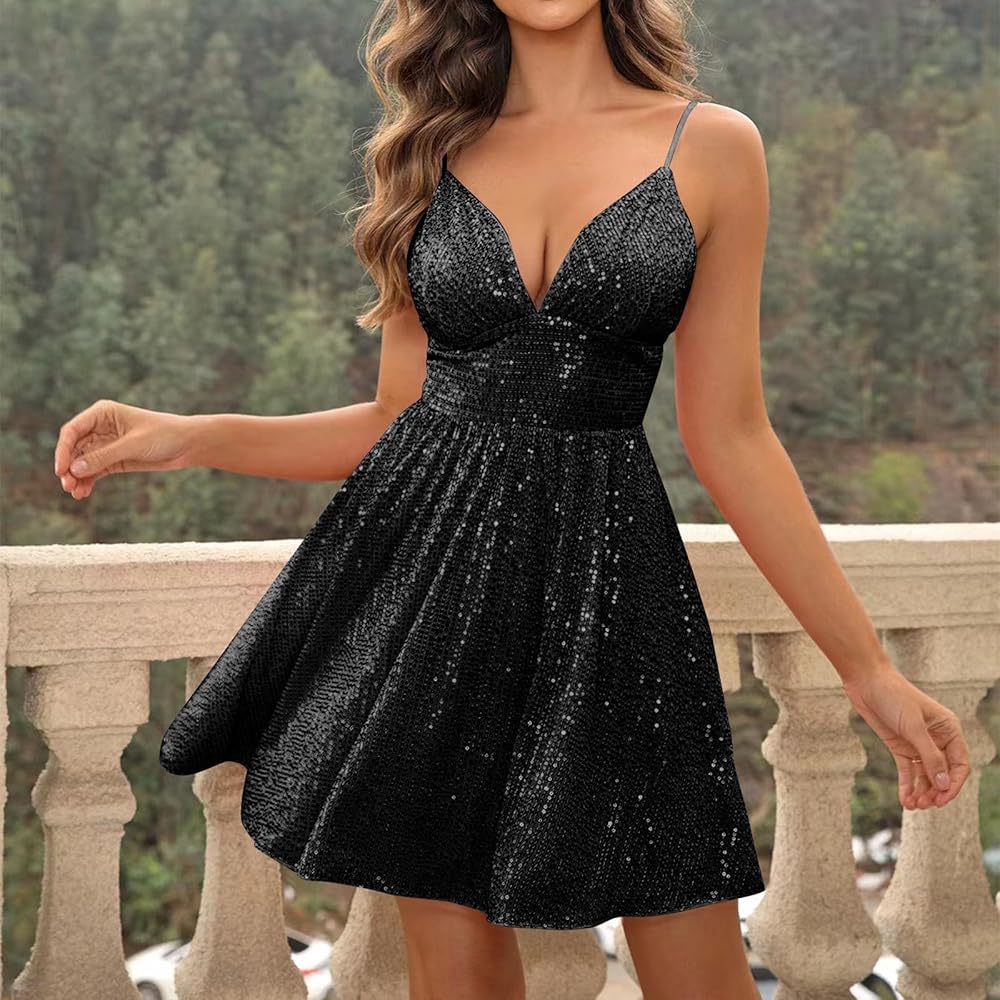
Accessories are the punctuation marks of your outfit. The golden rule for a statement piece like a sexy cocktail dress is one focal point. If your dress features intricate beading, a dramatic open back, or a bold neckline, let that be the star. Choose subtle, complementary accessories—simple stud earrings, a delicate bracelet. Conversely, if your dress is a minimalist column in a solid color, this is your opportunity to introduce a bold accessory as the focal point: a chunky art deco cuff, a statement necklace, or dramatic drop earrings. This principle prevents visual noise and maintains an air of curated intention. Footwear should extend the leg line. Nude pumps are a universally lengthening choice, while a metallic sandal can add a modern edge. A clutch is non-negotiable—it maintains the sleek silhouette that a larger bag would disrupt. Professional knowledge here extends to quality over quantity. A single piece of fine jewelry often holds more power than a handful of trendy fast-fashion items. For those seeking discounted prices on quality accessories, consider end-of-season sales from reputable mid-range brands, vintage and consignment stores for unique finds, or subscription rental services for high-end pieces for a one-time event.
4. The Invisible Element: Posture, Confidence, and Personal Grooming
Glamour is as much about bearing as it is about fabric. The most exquisite dress can be rendered forgettable by slumped shoulders, while a simple dress can be transformed by impeccable posture and radiant confidence. This is the “effortless” component. Good posture physically alters how a dress hangs, creating cleaner lines and a more authoritative presence. Techniques from Alexander Technique or even basic yoga awareness can be invaluable. Confidence, though intangible, is perceptible. It stems from feeling authentically yourself in your attire. Furthermore, meticulous personal grooming is the invisible polish. Well-manicured nails, considered hair (whether sleek updo or intentional waves), and subtle, long-wearing makeup that enhances rather than masks, complete the picture. As movie star and style icon Audrey Hepburn once reflected, “The beauty of a woman is not in the clothes she wears, the figure that she carries, or the way she combs her hair… but the beauty of a woman is reflected in her soul.” While poetic, the practical interpretation is that your internal state shines through. Feeling prepared and polished on these fundamental levels allows you to wear the dress, not let it wear you.

Synthesizing the Principles: From Theory to Unforgettable Reality
Bringing these elements together is where personal style is born. Start with the dress—a sexy cocktail dress that fits flawlessly and makes you feel powerful. Let its color and design dictate your accessory strategy, adhering to the focal point principle. Prepare your canvas through grooming and cultivate the posture that comes from wearing something you know looks impeccable. Remember, glamour is not about being the most decorated person in the room, but often the most composed and intentionally put-together. It’s a quiet magnetism. This approach demystifies the process, replacing shopping anxiety with the confident application of style science. Whether your source of inspiration is the architectural precision of a Carolyn Bessette-Kennedy, the bold romanticism of a Blake Lively, or the minimalist chic of a Keira Knightley, the underlying principles remain consistent: fit, focus, and authentic confidence.

Ultimately, mastering the art of the sexy cocktail dress is an exercise in self-knowledge and strategic expression. It moves beyond fleeting trends to embrace principles of design, perception, and personal authenticity. When you understand the why behind the style choices—the balancing of proportions, the psychology of color, the power of a single focal point—you unlock the ability to create effortless glamour for any occasion. The goal is not to look like you tried, but to look like you simply are—radiant, assured, and captivatingly yourself.